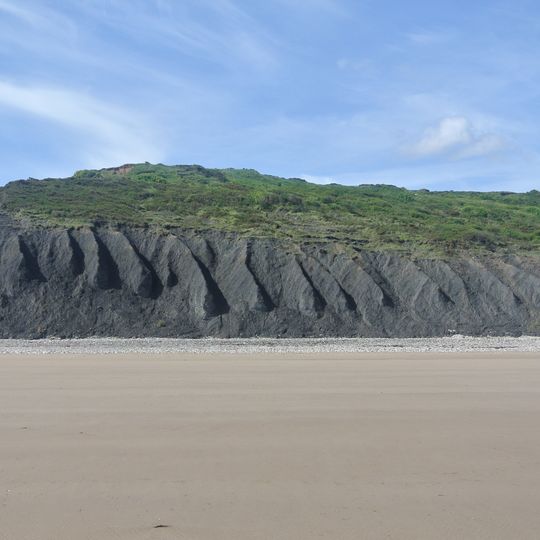
Speeton Clay Formation, Geological formation in Yorkshire coast, England
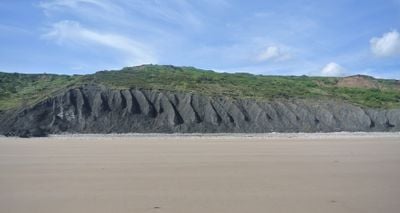
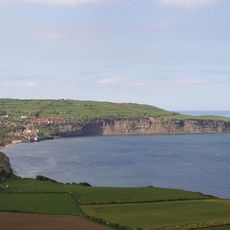
Speeton Clay Formation is a sequence of mudstone and clay beds exposed along the Yorkshire coast near Filey Bay. The layered rocks show distinct zones marked by changes in composition and fossil content, making it a valuable site for geological study.
The formation was first named and described in 1829 by Phillips, establishing a standard reference for Lower Cretaceous deposits in northern England. This naming helped geologists across Europe classify and understand similar rock layers from the same ancient period.
The formation draws the attention of fossil hunters and geology enthusiasts who come to study the preserved marine life embedded in its layers. The exposed rocks along the coast tell the story of an ancient sea that once covered this region.
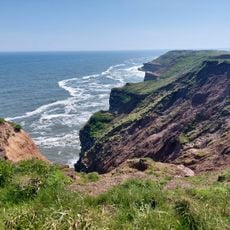
The rocks are best viewed directly along the coastal cliffs where the layered sequence is clearly visible. Visitors should check tidal conditions before exploring, as the area is regularly reached by waves and weathering.
The rock beds are labeled alphabetically from E down to A, with specific layers containing fossilized droppings and mineral streaks. These distinctive features help geologists trace environmental changes in the ancient sea.
The community of curious travelers
AroundUs brings together thousands of curated places, local tips, and hidden gems, enriched daily by 92,076 contributors worldwide.