Yorkshire, Historic county in northern England
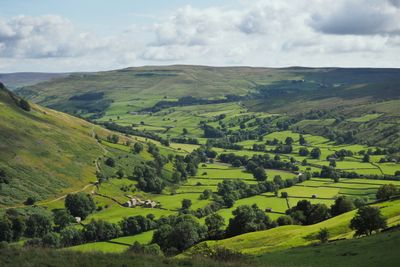
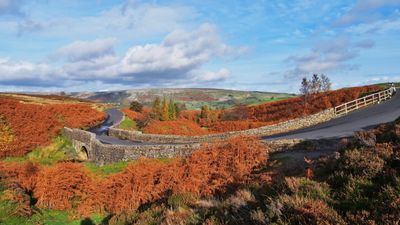
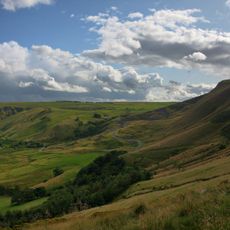
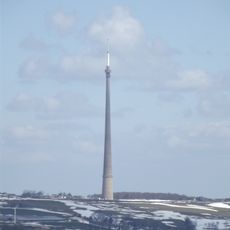
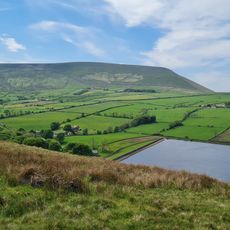
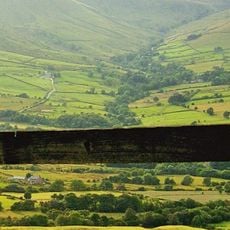
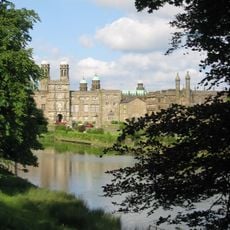
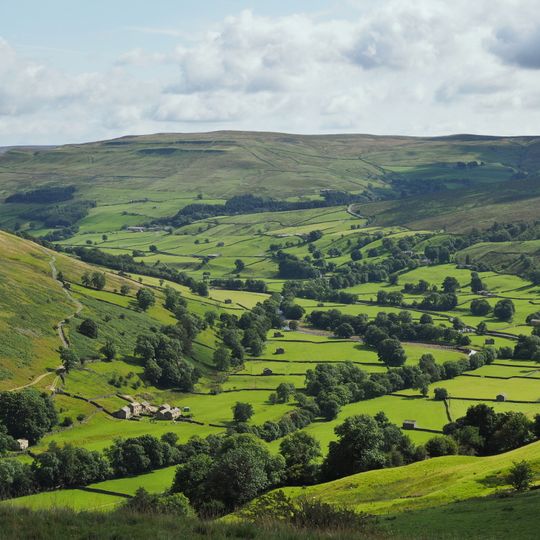
This historic county in northern England stretches from the North Sea coast inland across moors, valleys, and farmland. The landscape shifts between coastal cliffs, open heathland dotted with sheep, deep river valleys, and flat agricultural plains that extend toward the Pennines.
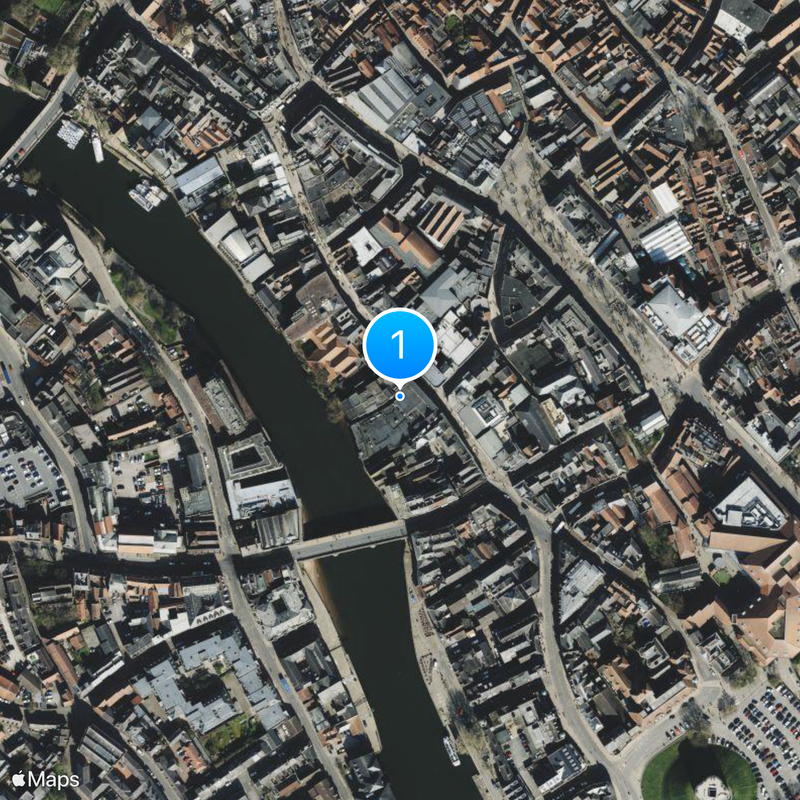
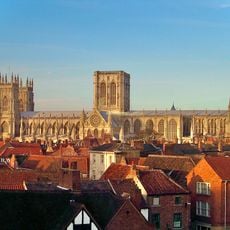
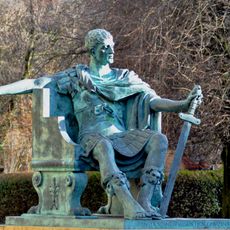
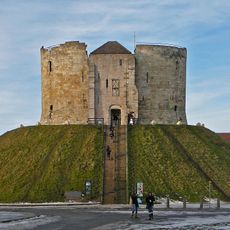
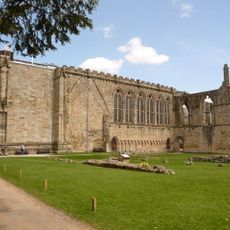
Romans founded the settlement of Eboracum in 71, which later became the Viking stronghold of Jorvik during the 9th century. The Middle Ages brought monasteries and trade routes, while the Industrial Revolution transformed towns like Leeds and Sheffield into centers of textile and steel production.
Locals gather in pubs and village markets to share regional foods like Yorkshire pudding, Wensleydale cheese, and rhubarb-based dishes that define daily meals and social gatherings. On August 1st, communities come together for Yorkshire Day celebrations, honoring their shared identity with communal feasts and public events that bring people out into town centers.
The region connects through airports and rail lines that serve cities across Britain and the continent, though individual towns lie scattered. Renting a car or using regional buses helps travelers move between coastal areas, river valleys, and moorland villages that are not always on main routes.
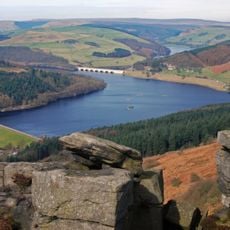
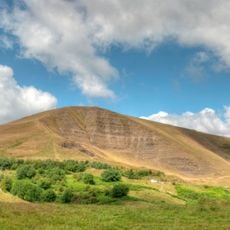
Three national parks fall within or partly overlap the region: the Yorkshire Dales, the North York Moors, and a section of the Peak District. Each park displays different terrain, from rolling grasslands to barren plateaus and river valleys carved through limestone.
The community of curious travelers
AroundUs brings together thousands of curated places, local tips, and hidden gems, enriched daily by 91,394 contributors worldwide.