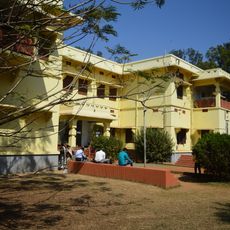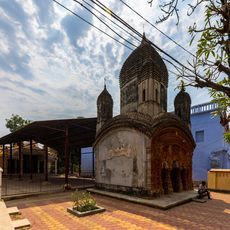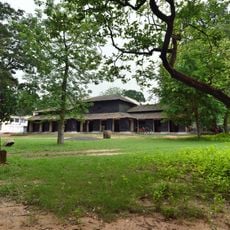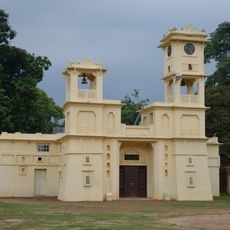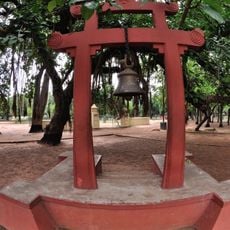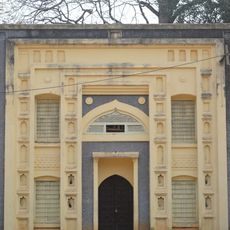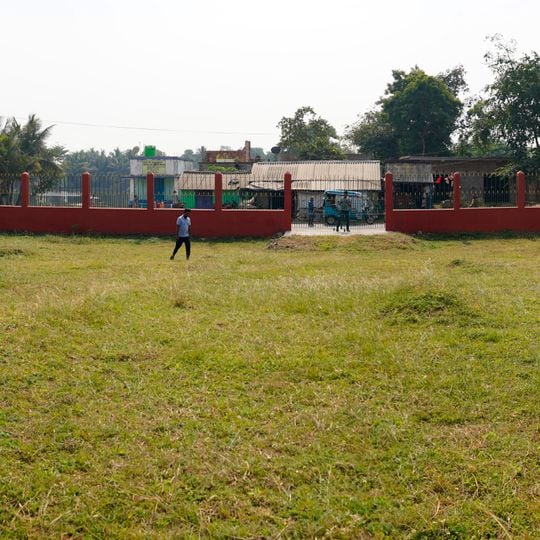
Pandu Rajar Dhibi, Archaeological site in Panduk, India
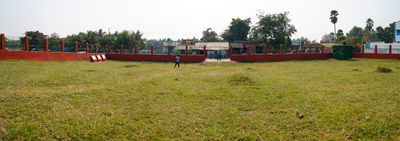
Pandu Rajar Dhibi is an archaeological mound on the southern bank of the Ajay River in eastern India. The site contains overlapping layers of ancient settlements from different periods, with artifacts including pottery, metal tools, and evidence of early agriculture.
The mound developed over thousands of years as different groups settled at this location in succession. Excavations in the 1950s revealed that the oldest layers date back to the Copper Age, roughly 1600 to 750 BCE, followed by later iron age cultures.
The black and red pottery found here displays careful decorative patterns that reveal how people lived and worked. These vessels and tools show a community centered on rice farming that used locally available resources.
The mound is open for viewing and accessible from ground level. The best time to visit is during the dry season when the ground is firm and easy to walk on.
Impressions of silk fabric pressed into clay deposits at the site suggest that textile production flourished here during ancient times. This discovery indicates that sophisticated weaving techniques were practiced in eastern India far earlier than previously understood.
The community of curious travelers
AroundUs brings together thousands of curated places, local tips, and hidden gems, enriched daily by 92,399 contributors worldwide.