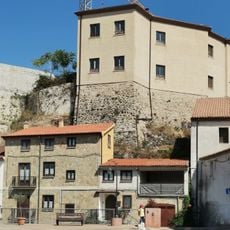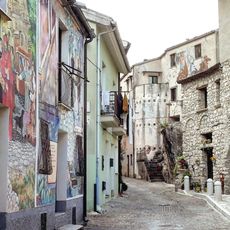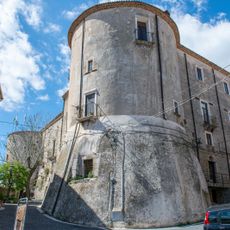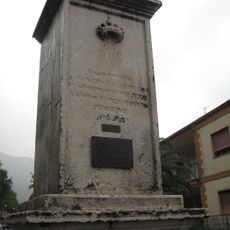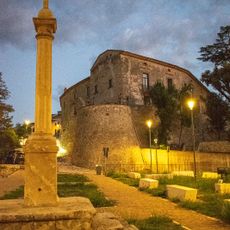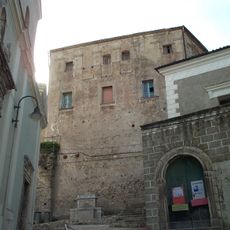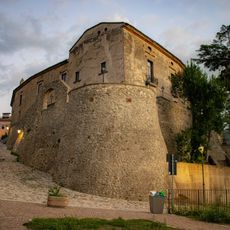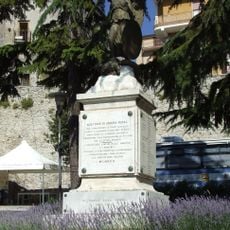
Lapis Pollae, Ancient Roman tombstone in Polla, Italy.
Lapis Pollae is a Roman marble tombstone inscribed with Latin text documenting the construction of an ancient road network. The stone records distances to several cities and provides details about milestone placement and infrastructure work along the route.
Dating to the first half of the 2nd century BC, the stone documents construction of the Via Annia Popilia. This road project was part of broader Roman efforts to improve connectivity across their territories and facilitate trade.
The inscription shows how Romans managed their road networks and the importance they placed on connecting distant settlements. The details carved into stone reveal the practical values and organizational systems that held their empire together.
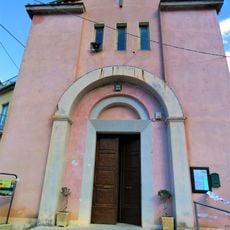
The stone is housed inside the San Pietro church in Polla, where it sits within its original religious context. Visitors should plan to view it as part of the church interior and check hours before arriving.
Beyond the road information, the inscription also records a magistrate's personal accomplishments, including recovery of runaway slaves and redistribution of public land. These details reveal how officials commemorated their achievements in stone for posterity.
The community of curious travelers
AroundUs brings together thousands of curated places, local tips, and hidden gems, enriched daily by 92,729 contributors worldwide.