Inbe Hachiman-yama Kofun, Keyhole-shaped burial mound in Wakayama, Japan
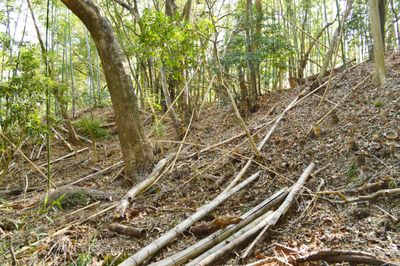
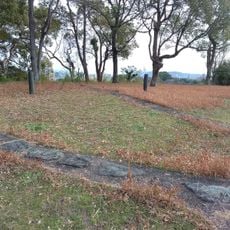
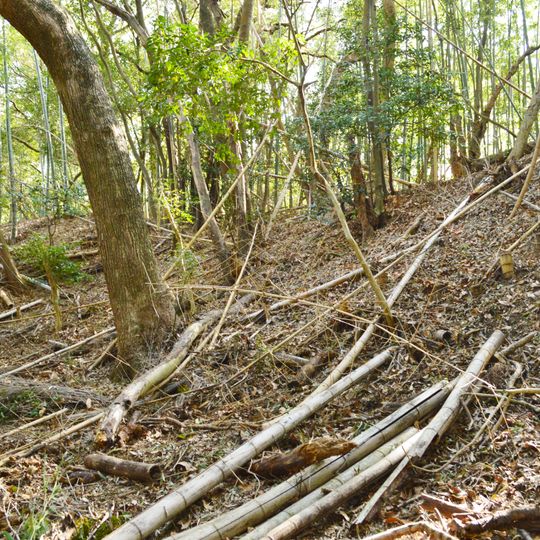
The Inbe Hachiman-yama Kofun is a keyhole-shaped burial mound consisting of a rounded front section joined to a rectangular rear section, a design typical of elite tombs from this era. Built in the 6th century, it served as the final resting place for a regional leader or family member.
The mound was built during the Kofun period in the 6th century, when regional leaders invested enormous resources in monumental tomb construction to assert their authority. This era marked a time of increasing social organization and architectural ambition across Japan.
The burial mound reflects how early regional leaders used monumental tombs to display their power and status within their communities. Local people today see this site as a connection to their region's foundational past.
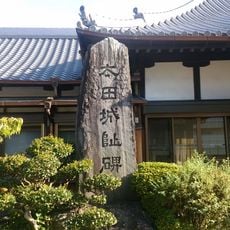
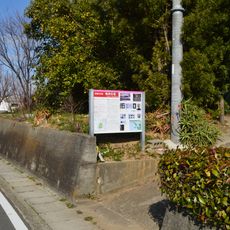
The site is open to visitors and the mound can be viewed from outside, with informational signs explaining its construction and purpose. Wear sturdy footwear if you plan to walk on the mound itself, as the surface is natural earth and grass with uneven footing.
The original moat system surrounding the mound has survived remarkably well, offering clues about how ancient builders engineered these massive projects. These earthen defenses also hint at the effort required to maintain and protect such important burial sites.
The community of curious travelers
AroundUs brings together thousands of curated places, local tips, and hidden gems, enriched daily by 92,041 contributors worldwide.