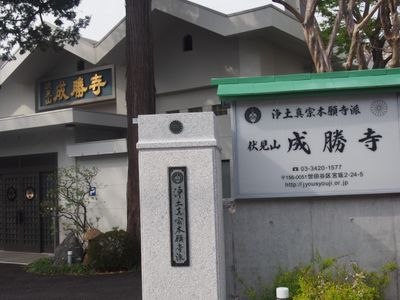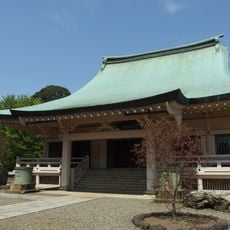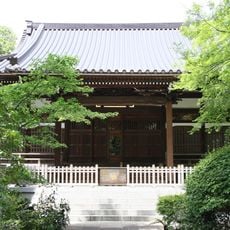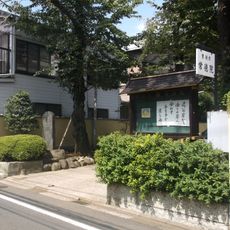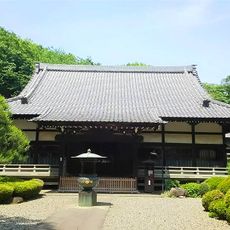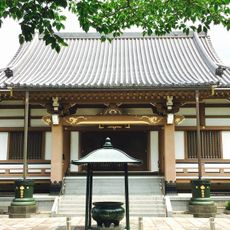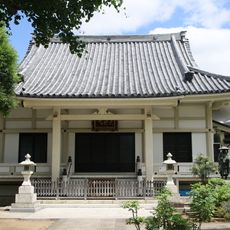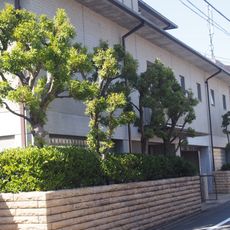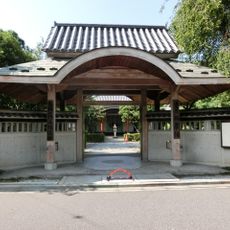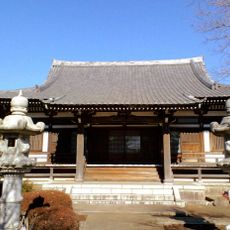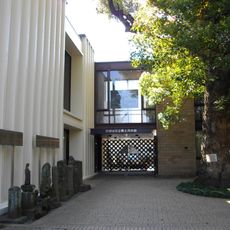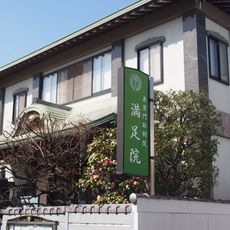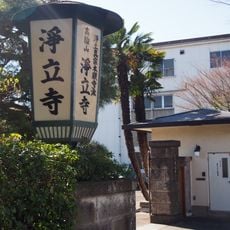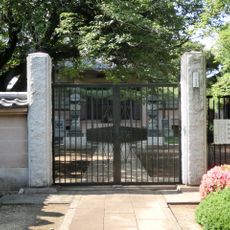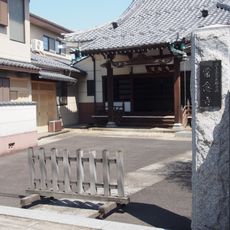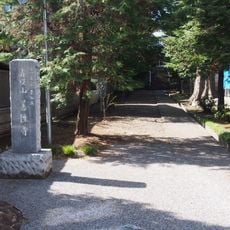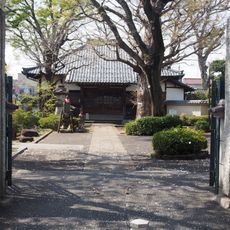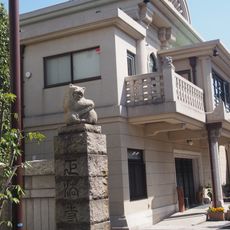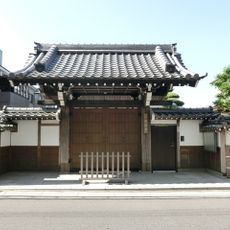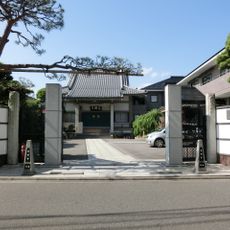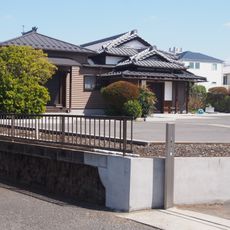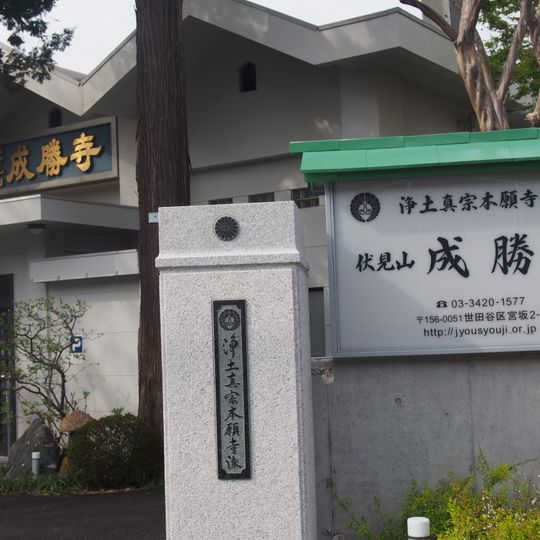
Jōshō-ji, Buddhist temple in Takagamine district, Kyoto, Japan.
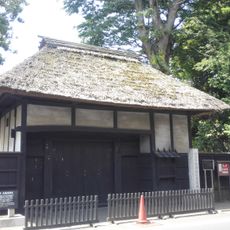
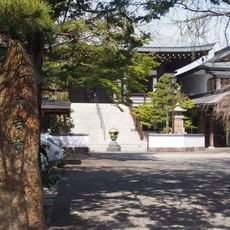
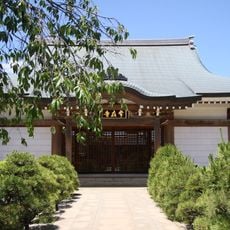
Jōshō-ji is a Buddhist temple in Kyoto's Takagamine district with wooden structures set within expansive grounds. The complex is surrounded by maple trees and natural vegetation that shape the character of the entire site.
The temple was founded in 1616 by calligrapher Hon'ami Koetsu on land granted by shogun Tokugawa Ieyasu. The site later evolved into a training center for Buddhist monks in the region.
The temple maintains a meaningful connection to Yoshino Tayu, a distinguished courtesan whose donation of the vermillion gate shaped the site's identity. Her memory continues to be honored through ceremonies that visitors can witness.
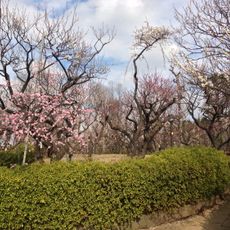
Visitors can explore the grounds during daylight hours and should wear sturdy footwear since paths cross natural terrain. Spring and autumn are ideal times to visit when the trees are in full bloom or color.
Each year, performers from the Shimabara district present traditional music and dance during the Yoshino Tayu Hana-kuyo ceremony. These performances take place beneath flowering cherry trees and draw visitors who want to witness this rare blend of artistic tradition and temple life.
The community of curious travelers
AroundUs brings together thousands of curated places, local tips, and hidden gems, enriched daily by 91,244 contributors worldwide.