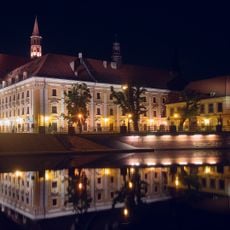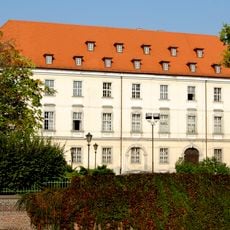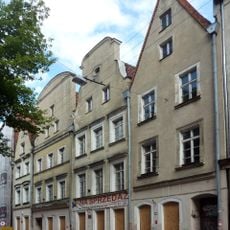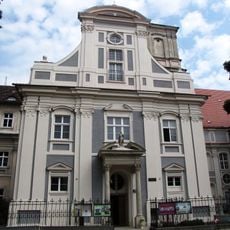
Wrocław Market Hall, Early 20th century market hall in Wrocław, Poland.
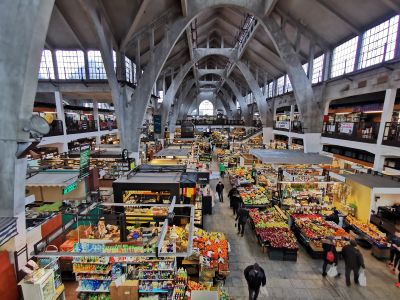
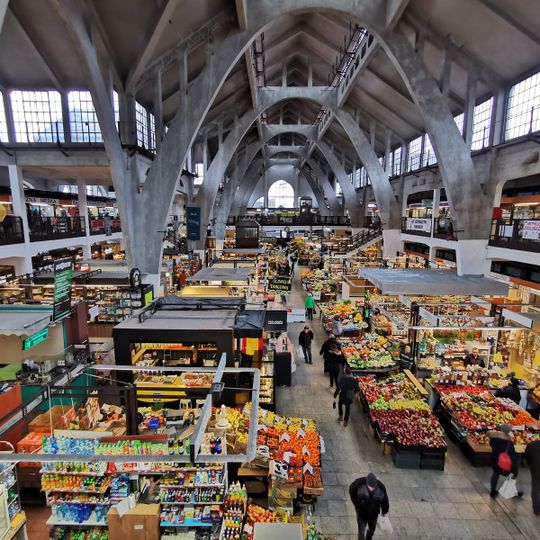
Wrocław Market Hall is a two-story building where vendor stalls are arranged in rows beneath high arched ceilings. The structure displays Art Nouveau architectural features and continues to function as an active marketplace today.
Architect Richard Plüddemann designed this commercial building in 1906 when the city was still known by its German name Breslau. The structure reflects the architectural approach of that era and has remained part of the city's commercial life since then.
The Market Hall remains a working space where locals and visitors gather to buy and exchange regional foods that have been sold here for generations. The vendors and their stalls form the heart of how people experience everyday shopping and community life in the city.
The market is located in the city center and is open daily for shopping, where visitors can find fresh food and local products. The large interior space offers good orientation and weather protection while exploring the vendor stalls.
The building employed reinforced concrete construction techniques that were still experimental in early 20th century Europe. This innovative building method made the wide open interior spaces possible that remain visible today.
The community of curious travelers
AroundUs brings together thousands of curated places, local tips, and hidden gems, enriched daily by 90,738 contributors worldwide.