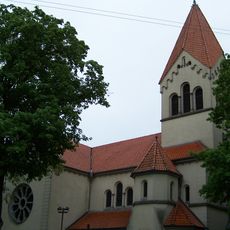
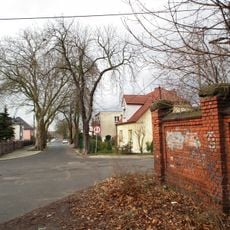
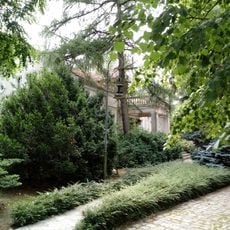
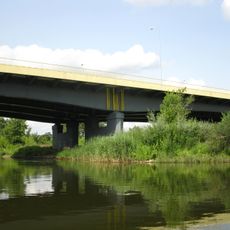
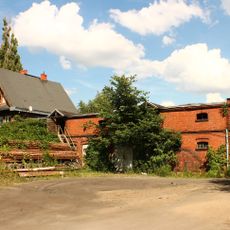
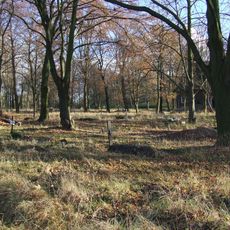
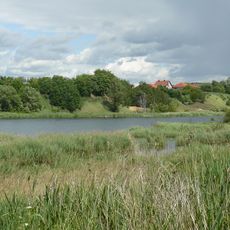
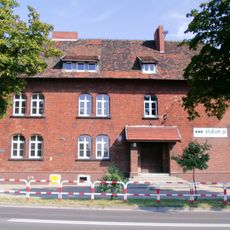
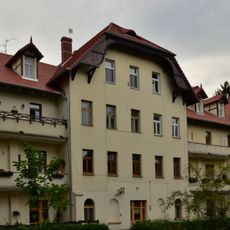
Chemical Plant Luboń, Industrial architectural structure in Luboń, Poland.
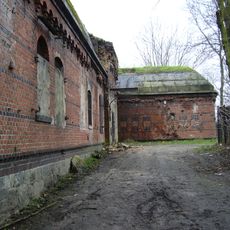
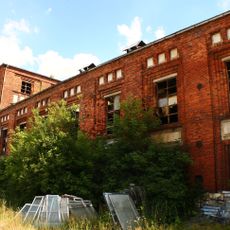
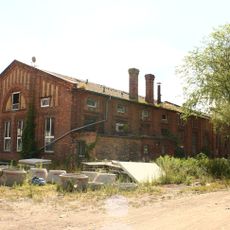
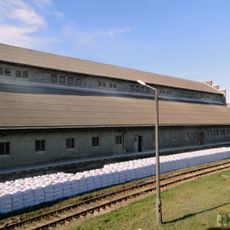
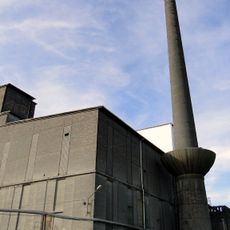
Chemical Plant Luboń is an industrial complex in Poland featuring brick walls with varied window designs, including semicircular and square openings. The site comprises multiple specialized buildings such as lead chambers, tower structures, kilns, and storage sections organized around a central administrative area.
German architect Hans Poelzig designed and built this sulphuric acid factory between 1911 and 1912. The project represented an early example of deliberate industrial design that merged practical manufacturing needs with architectural intention.
The building represents the evolution of factory design during Germany's industrialization period, combining functional requirements with architectural expression through its structural elements.
The site is best explored on foot, allowing you to distinguish the different sections of the complex easily. Plan time to observe the architectural details and building arrangement throughout the grounds.
Metal materials line interior spaces to protect against harsh chemicals, while traditional masonry forms the outer walls. This blend of modern protection and craft-based construction shows how the factory paired function with structural expression.
The community of curious travelers
AroundUs brings together thousands of curated places, local tips, and hidden gems, enriched daily by 91,280 contributors worldwide.