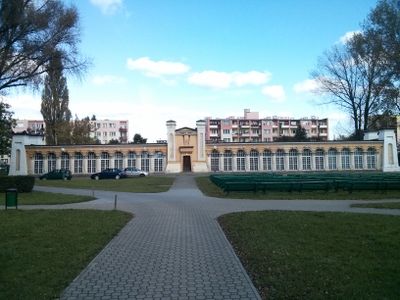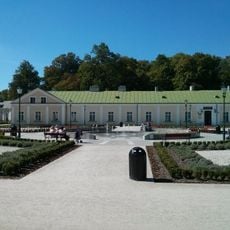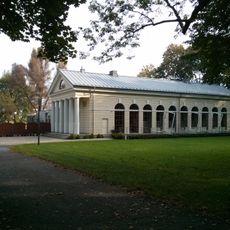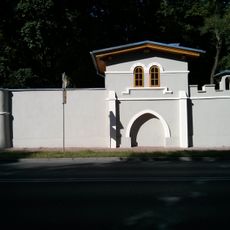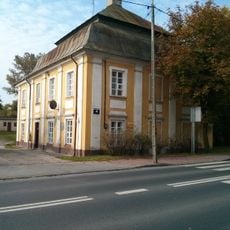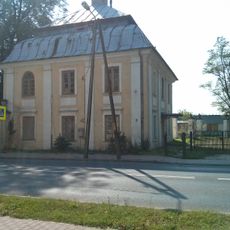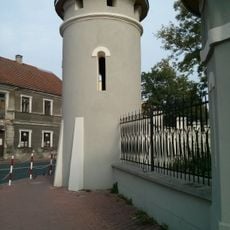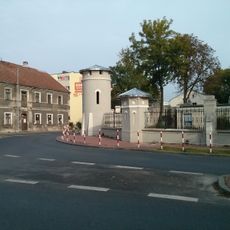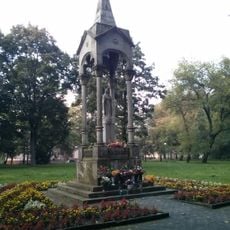
Egyptian orangery in Końskie, Egyptian revival monument in Końskie, Poland
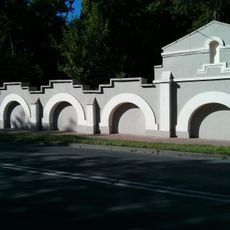
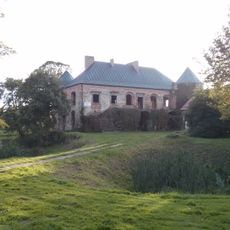
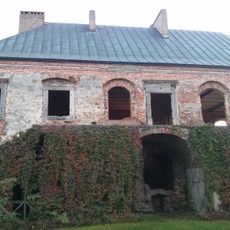
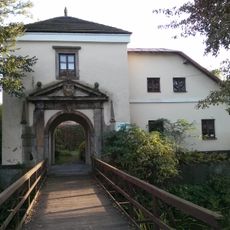
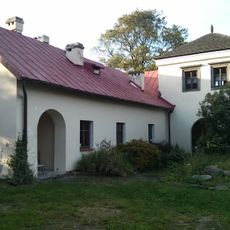
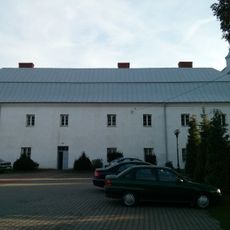
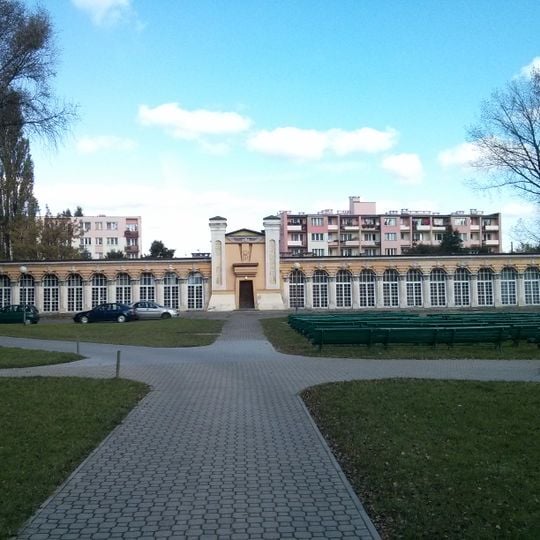
The Egyptian orangery in Końskie is a 19th-century monument featuring classical ancient Egyptian architectural elements with ornate columns and decorative motifs on its facade. The structure was integrated into the broader palace ensemble and originally served as a specialized facility for cultivating citrus fruits in a controlled environment.
The structure was built in the 19th century when European aristocracy developed renewed interest in Egyptian architecture following Napoleon's campaigns in North Africa. This orangery reflects the enthusiasm of wealthy elites for incorporating exotic styles into their private estates.
The building demonstrates how wealthy European families in the 19th century cultivated exotic plants while incorporating design elements from distant cultures into their architecture. The orangery served as part of a larger palace ensemble where citrus fruits and other rare plants were grown, thriving in conditions normally unsuitable for such species in this climate.
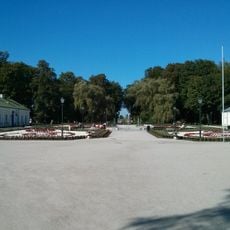
The monument is located near the main building of the palace ensemble and is best reached on foot from Końskie's center. Visitors should take time to explore the facade details and the overall composition of the grounds, as the structure is integral to other historical elements on the property.
The building received national heritage protection status in 1972 with registration number A-487/1-14, underscoring its importance to Polish cultural heritage. This formal designation protects the structure from alterations and ensures its preservation for future generations.
The community of curious travelers
AroundUs brings together thousands of curated places, local tips, and hidden gems, enriched daily by 91,362 contributors worldwide.