Castro de São Lourenço, Iron Age hill fort in Vila Chã, Portugal
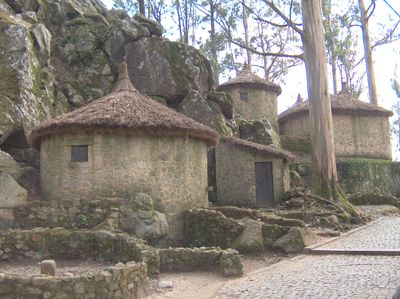
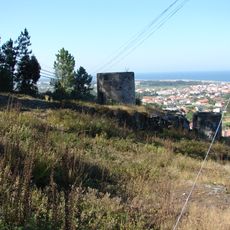
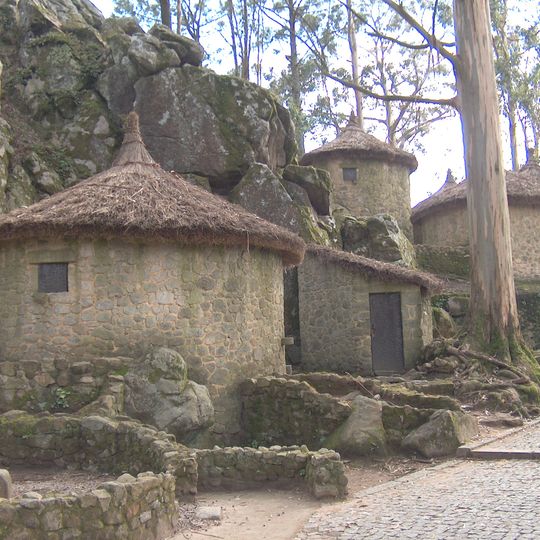
Castro de São Lourenço is a fortified settlement built on granite outcrops at about 200 meters above sea level, with three defensive walls and circular stone structures. The site spreads across a substantial area with restored houses and informational panels that explain the different phases of occupation.
Archaeological excavations reveal the site was occupied from the 4th century BC through Roman times, with significant changes continuing until the 4th century AD. This extended period of use reflects shifting control and adaptation to new political circumstances in the Iberian Peninsula.
The site displays residential zones with stone-paved courtyards that reveal how pre-Roman and Roman Iberian communities lived and built their settlements. Walking through these areas, you can observe the everyday living spaces and construction methods that shaped this highland community.
The location lies near Esposende and is equipped with informational panels to guide your understanding of the site's occupation history. Plan for a leisurely walk as the terrain is hilly and sturdy footwear is advisable for comfortable exploration.
Archaeologists discovered Greek ceramics from the 4th century BC and silver Roman coins from the reigns of Augustus and Tiberius on the grounds. These finds demonstrate the extensive trade networks and far-reaching connections that linked this highland settlement to the Mediterranean world.
The community of curious travelers
AroundUs brings together thousands of curated places, local tips, and hidden gems, enriched daily by 91,380 contributors worldwide.