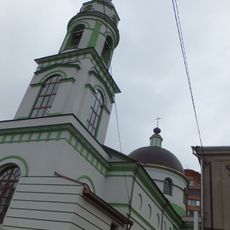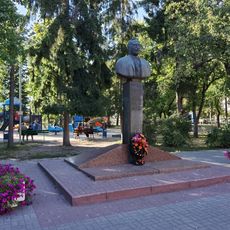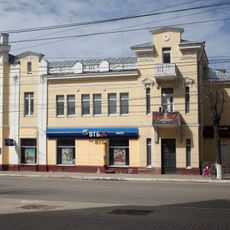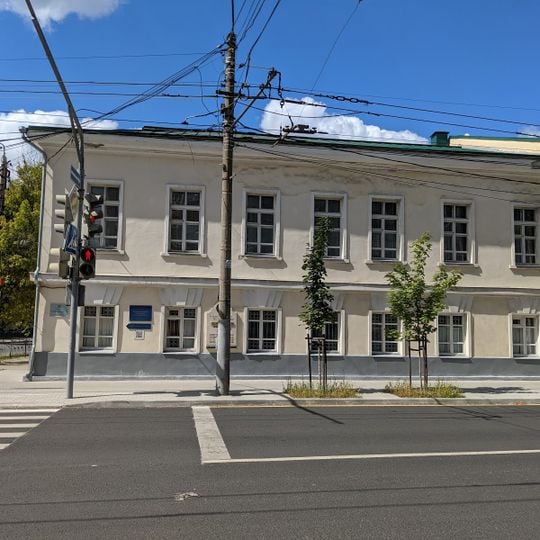
The Chizhevsky House Museum, Research museum on Moskovskaya Street in Kaluga, Russia
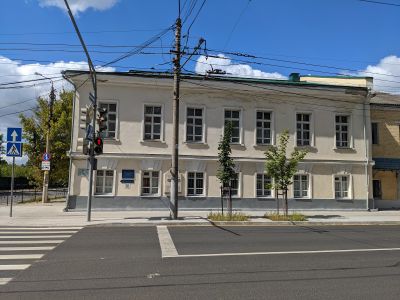
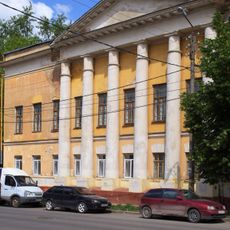
The Chizhevsky House Museum is a research facility in Kaluga dedicated to Alexander Chizhevsky's scientific work, particularly his studies in heliobiology and atmospheric science. The building once served as both his residence and laboratory where he conducted his experiments.
Chizhevsky worked in this house during the 1930s developing his theories about the sun's influence on living organisms. His research faced suspicion from Soviet authorities, which ultimately led to his arrest.
The museum displays items from Chizhevsky's daily life and work, including personal notes and vintage measuring instruments from his research. These objects give a sense of how a scientist lived and worked during that era.
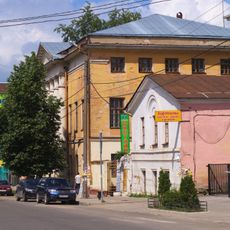
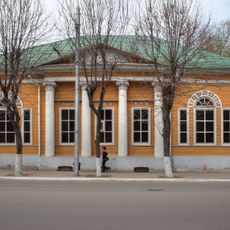
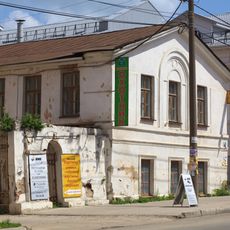
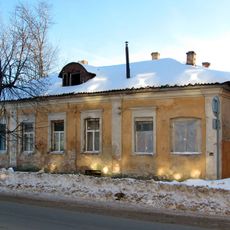
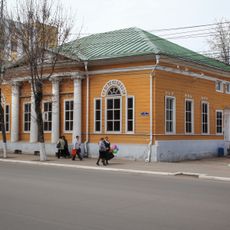
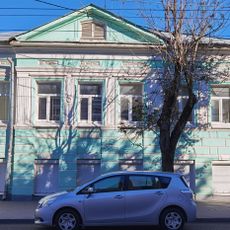
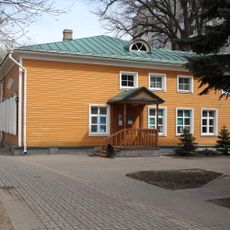
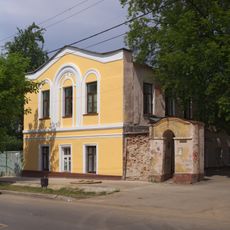
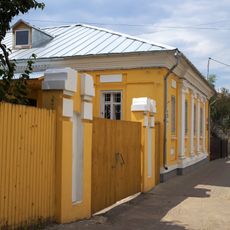
The museum is housed in a typical residential building, easily accessible from Moskovskaya Boulevard. The spaces are arranged in an intimate scale, so it is best to visit with plenty of time to explore all the details.
The museum preserves the original electroeffluvial chandelier, a device Chizhevsky invented to study the effects of air ions on living beings. This curious object from the early 20th century shows an unconventional approach to research.
The community of curious travelers
AroundUs brings together thousands of curated places, local tips, and hidden gems, enriched daily by 92,652 contributors worldwide.