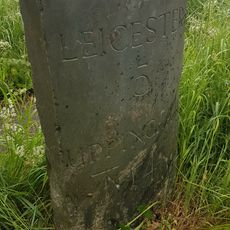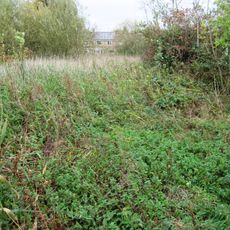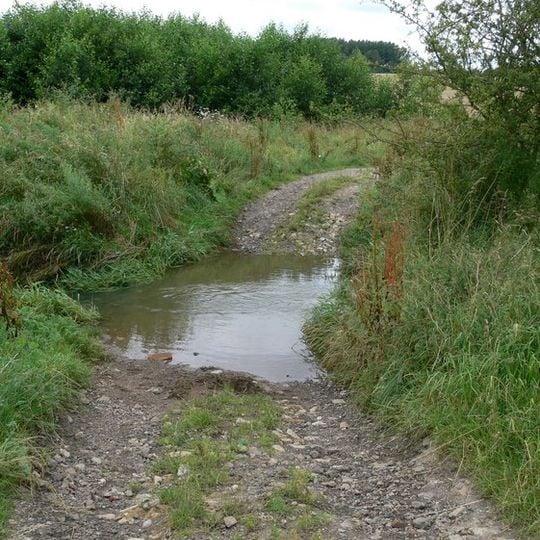
Via Devana, Roman road in central England.
Via Devana is an ancient Roman road in central England that ran from Colchester in the east toward Chester in the northwest, passing through Cambridge and Leicester. Like most Roman roads, it follows a largely straight alignment across the terrain.
The road was built during the Roman occupation of Britain, starting from the 1st century, and connected military forts and civilian settlements across the interior of the island. When Roman forces withdrew in the early 5th century, it gradually fell out of use as a maintained route.
The road takes its name from Deva, the Latin name for Chester, though the name Via Devana was first coined by cartographer Charles Mason in 1808, nearly 1,800 years after the road was built. This means the Roman engineers who laid the road never knew it by that name.
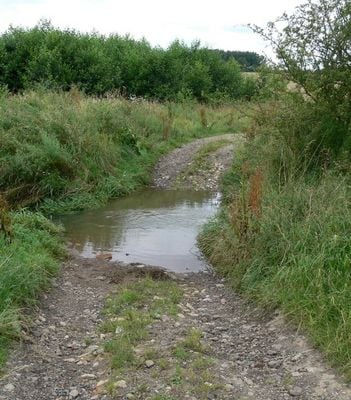
Some of the clearest surviving sections are near Medbourne and Leicester, where the original roadbed is still visible and footpaths follow the old alignment. The northern stretches are much harder to trace, so the central sections are the most rewarding to visit on foot.
In the northern part of the route, so many sections have disappeared that some historians leave them off their maps entirely, treating the road as ending further south. This means there is still no agreement on how far north the road originally went.
The community of curious travelers
AroundUs brings together thousands of curated places, local tips, and hidden gems, enriched daily by 60,000 contributors worldwide.