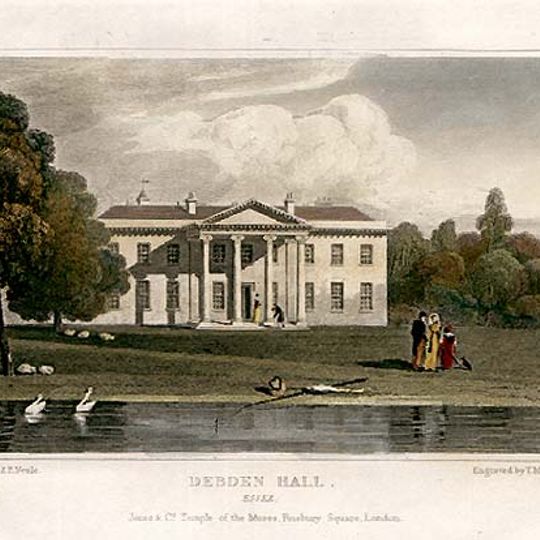
Debden Hall, Uttlesford, English country house in Uttlesford, Essex, England
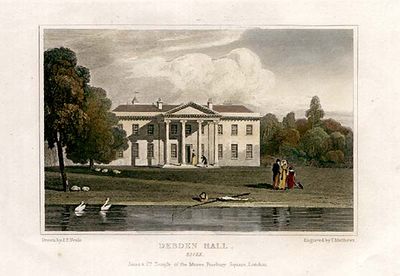
Debden Hall was a classical country residence in Essex designed by architect Henry Holland during the late 18th century, featuring a symmetrical facade and formal proportions typical of the period. The house stood within grounds that included service buildings and managed landscapes characteristic of English estates of that era.
The house was built during the late Georgian period as a symbol of landed wealth and remained in family hands for generations. Its demolition in 1936 reflected the economic pressures that affected many country estates during this time.
The estate represented the traditional relationship between landed gentry and local communities through employment and social gatherings in Essex.
Today, only fragments of the former estate remain accessible through public footpaths in the surrounding area, allowing visitors to explore what is left of the grounds and foundations. Walking is the best way to visit and experience the landscape where the house once stood.
Historic England maintains detailed archives with photographs and architectural drawings of the house from different periods, providing researchers and enthusiasts with precise documentation of its design and construction. These records preserve the building's legacy long after its physical demolition.
The community of curious travelers
AroundUs brings together thousands of curated places, local tips, and hidden gems, enriched daily by 92,890 contributors worldwide.