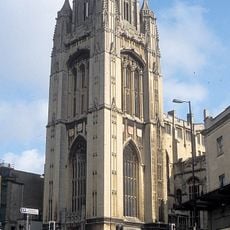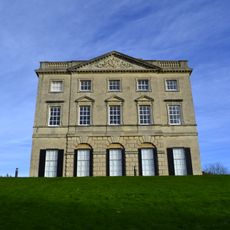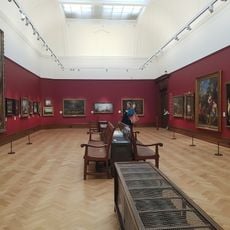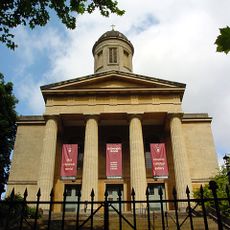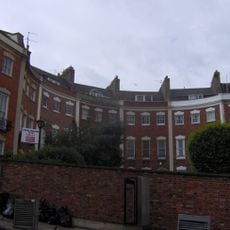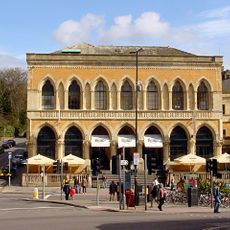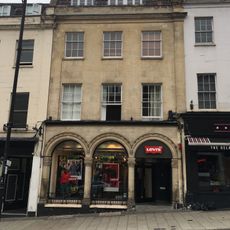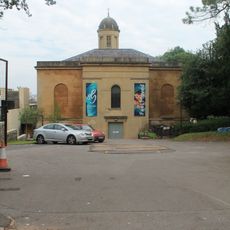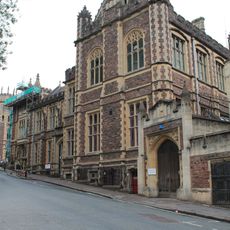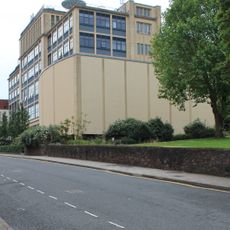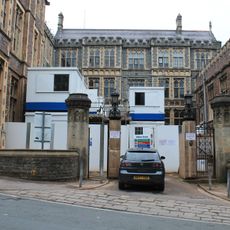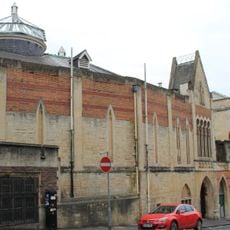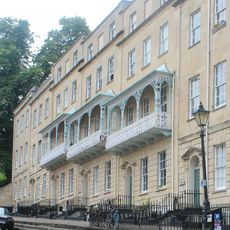
Fry Building, Grade II listed university building at University of Bristol, England.
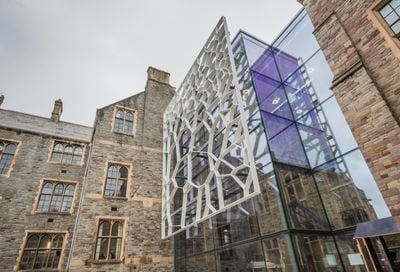
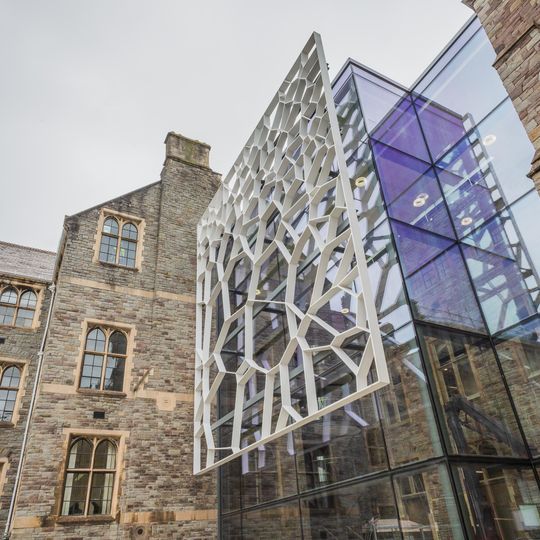
The Fry Building is a university structure housing lecture theaters, classrooms, and study areas within historic stone walls combined with contemporary glass sections. Interior spaces are arranged to support mathematics teaching and research, with rooms equipped for different types of instruction.
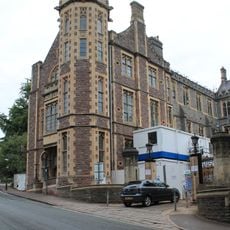
The building was designed by architect Charles Francis Hansom in 1880 and replaced earlier academy structures on the site. An extension added in 1909 under Sir George Oatley enlarged the space for growing student numbers.
The building takes its name from the Fry family, Quaker members who gave land and funding to establish the university. This philanthropic legacy remains visible in how the space supports academic learning today.
The building contains four main lecture halls ranging in capacity from 58 to 169 students, each equipped with modern audio-visual systems for teaching. As an active teaching space, visitors should note that certain times may be better suited for access.
The contemporary glass wrapper features a Voronoi pattern serving as a solar shade that also reflects mathematical principles. The exterior paving references the work of a renowned mathematician connected to the institution.
The community of curious travelers
AroundUs brings together thousands of curated places, local tips, and hidden gems, enriched daily by 91,393 contributors worldwide.