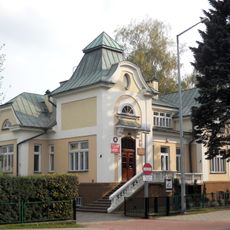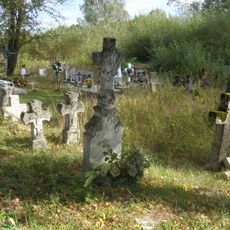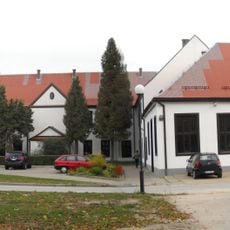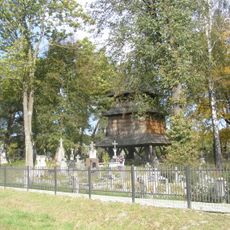
Bełżec Museum and Memorial, History museum in Bełżec, Poland
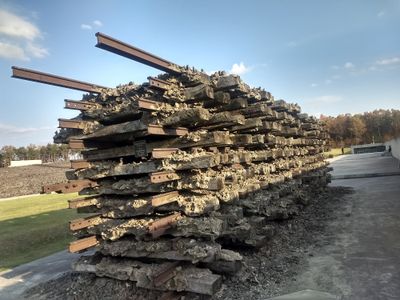
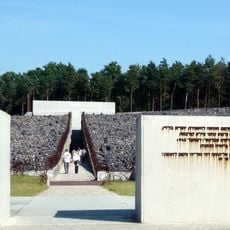
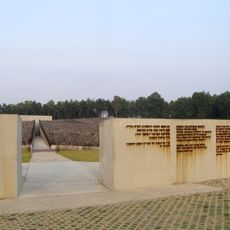
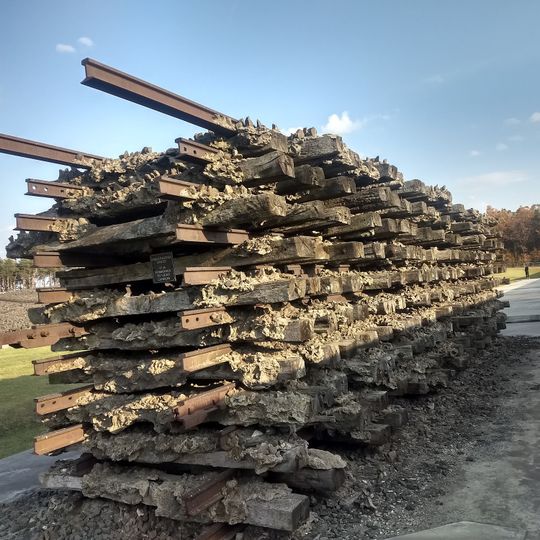
Bełżec Museum and Memorial occupies the site of a former death camp operated by Nazi Germany, serving as both a museum and a place of remembrance. The grounds feature a symbolic mass grave covered with dark slag, walking paths, sculptures, and a single-story museum building containing photographs, documents, and personal artifacts.
The camp was established in 1941 and was the first Nazi killing center to use gas chambers for mass murder. From March 1942 until its closure in late 1942, approximately 450,000 people, primarily Jews from Poland, Germany, Austria, Czechoslovakia, and Slovakia, were murdered here, making it a testing ground for methods later applied elsewhere.
The site carries the weight of remembrance through its physical elements: stones mark mass graves, and oak trees that grew during the camp's operation stand as living witnesses. Visitors read names of victims and their towns of origin, connecting individual stories to the broader tragedy that unfolded here.
The memorial is located outside the town center and is accessible via marked walking paths that guide visitors through different areas of the grounds. Allow time for a quiet, thoughtful visit, as the site encourages reflection and the outdoor spaces are open to weather; dress appropriately for the season.
Archaeologists discovered 33 mass graves beneath the ground along with keys to houses and other personal belongings of victims. These objects tell individual stories and show that real people with homes and lives were taken away from everything they knew.
The community of curious travelers
AroundUs brings together thousands of curated places, local tips, and hidden gems, enriched daily by 90,905 contributors worldwide.