Carthusian Monastery Valldemossa, Carthusian monastery and museum in Valldemossa, Spain
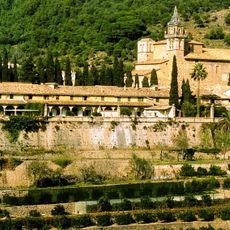
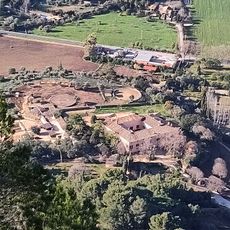
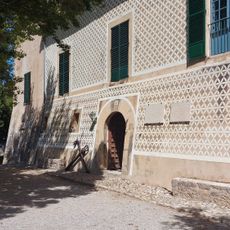
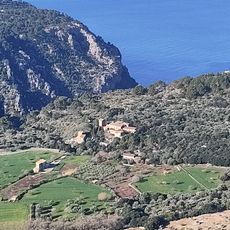
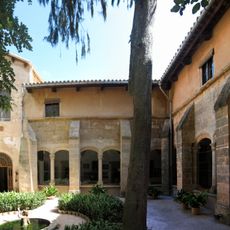
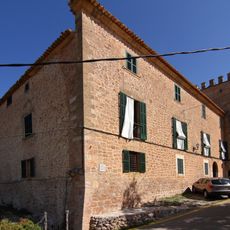
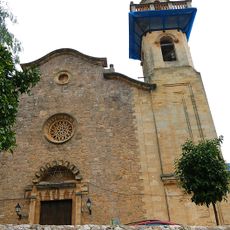
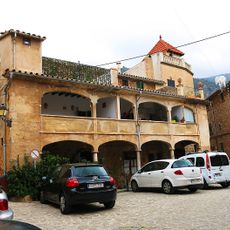
Carthusian Monastery Valldemossa is a former royal residence that was expanded into a monastic complex containing multiple wings with cells, cloisters, a church, and extensive garden areas. The site now houses museum displays featuring the monastic life, a historic pharmacy, and contemporary art exhibitions throughout its interconnected spaces.
The building began as a royal palace in 1309 and was transformed into a Carthusian monastery in 1399 under King Martin of Aragon. Its monastic function lasted for several centuries until 1835, after which the property eventually became the museum space it is today.
The rooms carry the memory of renowned visitors, particularly composer Frédéric Chopin and writer George Sand, whose presence in cell number 4 shaped this place in ways visitors can still sense today. Their winter stay here blends artistic history with the daily life that once filled these walls.
The complex can be explored independently or with guided tours that lead through cells, pharmacy, church, and gardens. Visitors should be prepared for uneven ground and multiple staircases connecting different levels throughout the site.
The collections include a rare exhibition dedicated to the historic Guasp printing press alongside an art gallery showcasing the Serra de Tramuntana region. These specialized sections reveal traditional printing techniques and local artists often overlooked by visitors focused on the famous guests.
The community of curious travelers
AroundUs brings together thousands of curated places, local tips, and hidden gems, enriched daily by 92,171 contributors worldwide.