Conimbriga Ruins, Roman archaeological site and museum in Condeixa-a-Velha e Condeixa-a-Nova, Portugal
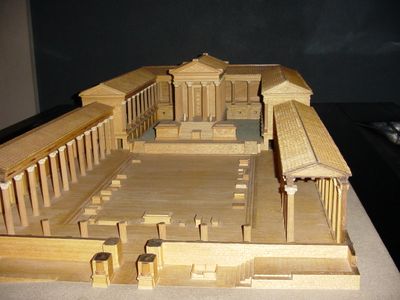
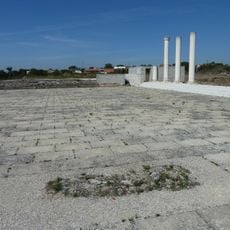
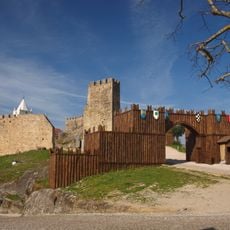
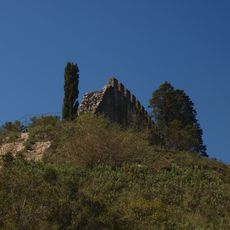
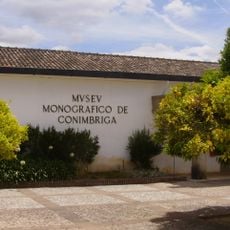
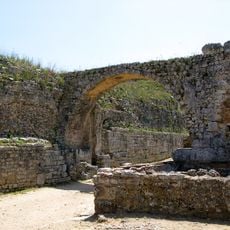
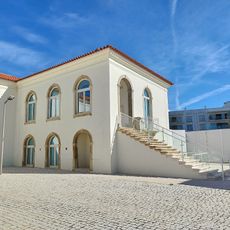
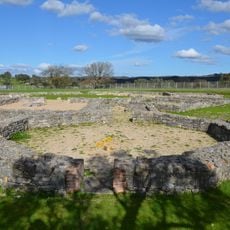
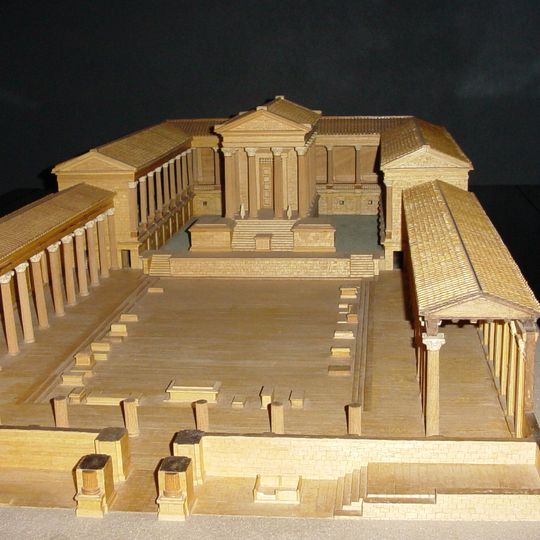
Conimbriga Ruins is an excavated Roman settlement in the municipality of Condeixa-a-Nova, south of Coimbra in Portugal, set on a triangular plateau enclosed by a long stone wall. The site includes a forum, thermal baths, houses, and commercial areas, with an adjacent museum holding finds from the different periods of occupation.
The site was inhabited long before Roman troops arrived in the 2nd century BCE, but it was under Roman rule that the settlement grew into a planned town. Under Emperor Vespasian, it was granted municipal status, strengthening its role as an administrative center in the region.
The House of Fountains contains floor mosaics showing hunting scenes and images of Bacchus, giving a direct sense of the tastes of its wealthy former residents. Walking through the space, visitors can see how color and pattern were used to signal status in everyday domestic life.
The whole site is easy to walk through, with paved paths connecting the main areas of the ancient town. Summer visits are more comfortable in the morning, as the open terrain offers little shade during the hottest part of the day.
Part of the excavations sit below the level of the modern walkways, so visitors look down directly into the layers of ancient construction from raised platforms. This gives a clear sense of how different building phases were laid on top of each other over time.
The community of curious travelers
AroundUs brings together thousands of curated places, local tips, and hidden gems, enriched daily by 60,000 contributors worldwide.