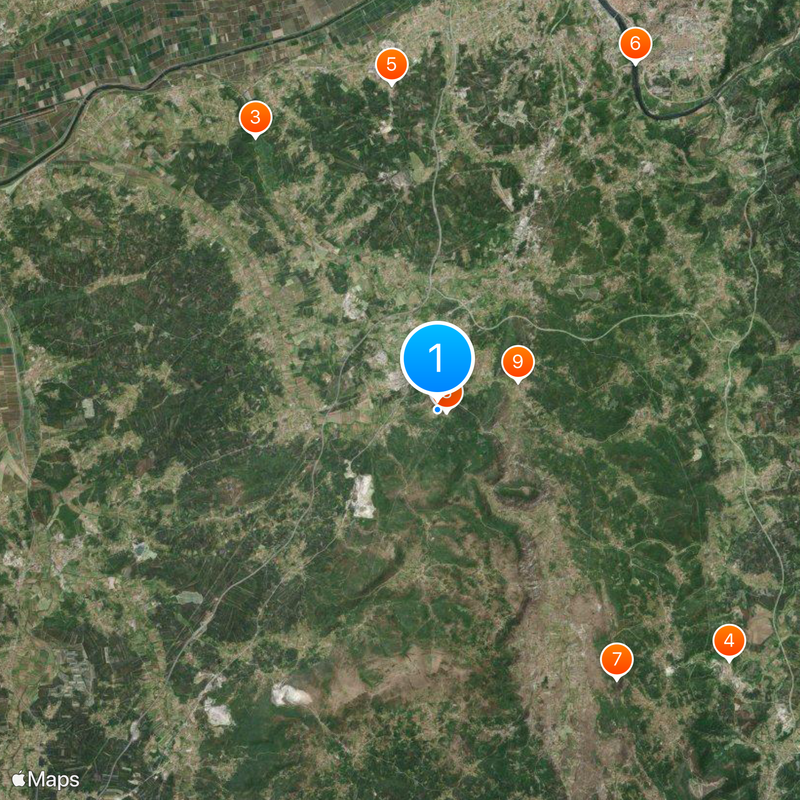
Conímbriga, Roman archaeological site in Condeixa-a-Nova, Portugal.
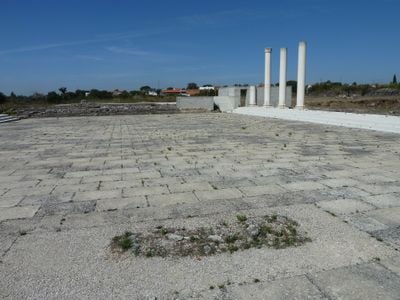
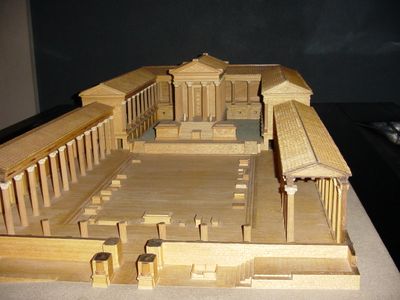
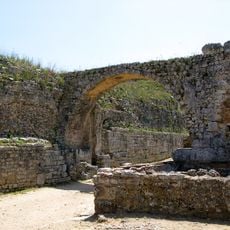
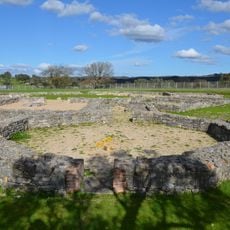
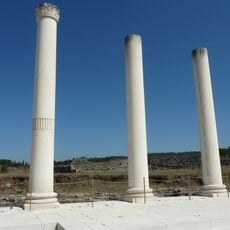
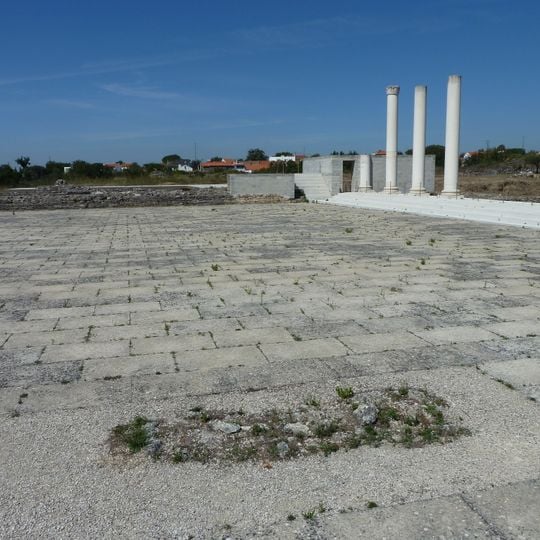
Conímbriga is a Roman town near Condeixa-a-Velha in Portugal, whose excavated remains show paved streets, public baths, and private houses with floor mosaics. The site spreads across several terraces and includes parts of a later defensive wall built to protect only a portion of the earlier settlement.
The site began as a Celtic settlement in the 9th century before Christ and was later taken by Roman forces in 139 before Christ. The Romans developed it over several centuries into a prosperous trading post until Germanic raids in the 5th century forced residents to retreat within new protective walls.
The peristyle courtyards in the patrician houses still feature working fountains fed by the original Roman plumbing system. Visitors can see how Roman families arranged their living spaces around planted inner courtyards.
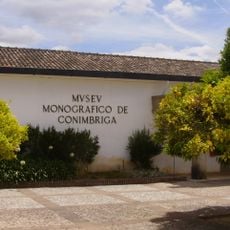
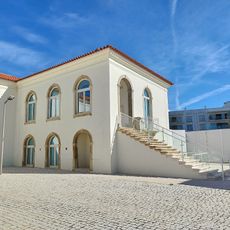
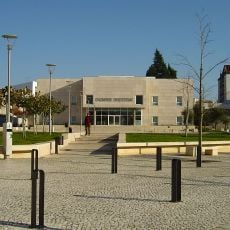
The walking circuit takes about ninety minutes and follows paved paths between the different building remains. A museum at the entrance displays artifacts and provides orientation to the site before exploring the outdoor areas.
The largest private houses contain over 5,000 square feet (465 square meters) of floor mosaics, including a hunting scene depicting more than 60 different animal species. Only about one tenth of the original town has been uncovered, with the rest still buried beneath neighboring fields.
The community of curious travelers
AroundUs brings together thousands of curated places, local tips, and hidden gems, enriched daily by 90,802 contributors worldwide.