Tavira's Salt pans
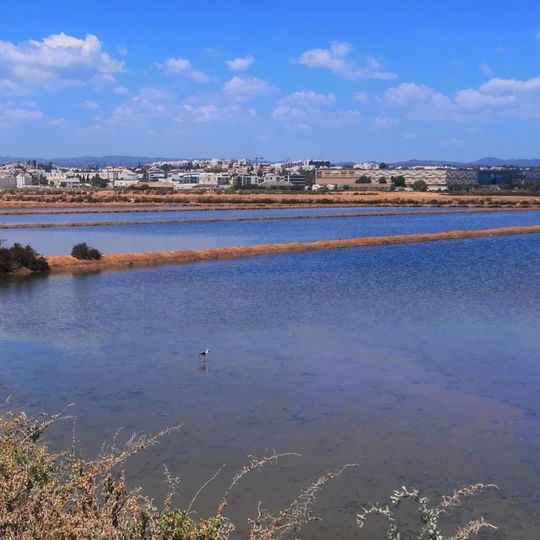
Tavira's Salt pans are shallow pools where seawater slowly evaporates under the sun and wind, leaving behind salt crystals that form into a delicate layer called flor de sal. The pools are arranged in a series of connected sections where traditional methods are used to harvest the salt without machines or chemicals.
Salt production in Tavira dates back to Roman times when salt was valuable for preserving food and drove the local economy. This craft has remained alive for centuries, and today the salt pans continue to operate using the same basic principles that were practiced hundreds of years ago.
The salt pans connect the community to centuries of tradition and show how local workers continue ancestral methods passed down through generations. The gentle rhythm of salt harvesting reflects a way of life that respects natural cycles and seasonal patterns.
You can visit the salt pans any day of the week, and early morning or sunset are especially rewarding times to walk through the area. July through October are ideal months for your visit, as the sun is strong and you may see active salt harvesting taking place.
The salt pans serve as a refuge for migratory birds, especially flamingos and herons that rest and feed here during their journeys. This dual function as both a working salt production site and a protected wildlife habitat makes these ponds a rare example of how traditional craftsmanship and nature conservation work together.
The community of curious travelers
AroundUs brings together thousands of curated places, local tips, and hidden gems, enriched daily by 60,000 contributors worldwide.