Ngarai Sianok, Canyon in Sumatra
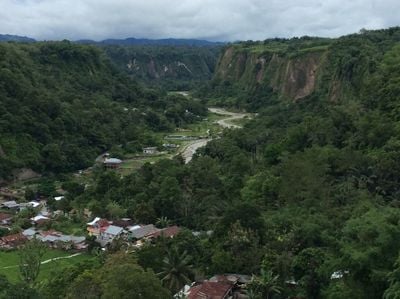
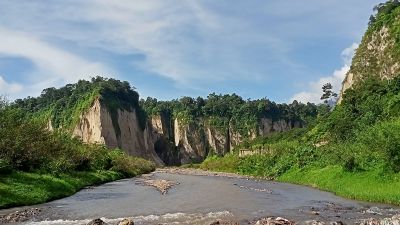
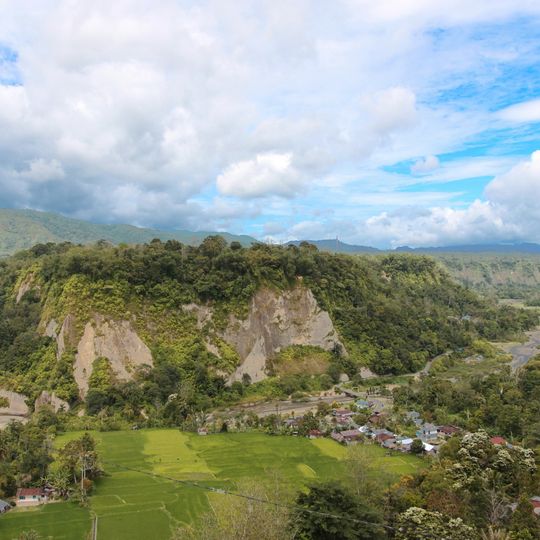
Ngarai Sianok is a natural canyon carved by a river with sheer walls around 120 meters tall that create a dramatic vertical divide in the landscape. The river continues to flow through the valley floor, cutting deeper into the geological layers over time.
Japanese forces built military bunkers into the canyon walls during World War II as part of their occupation of the region. These structures remain today, offering glimpses into that period of conflict.
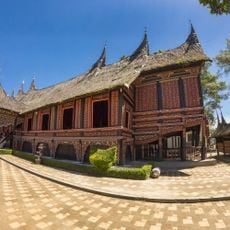
The canyon separates two traditional Minangkabau communities and shapes the character of the region through its dominant presence. Farmers use the valley floor for rice cultivation, which remains central to daily life here.
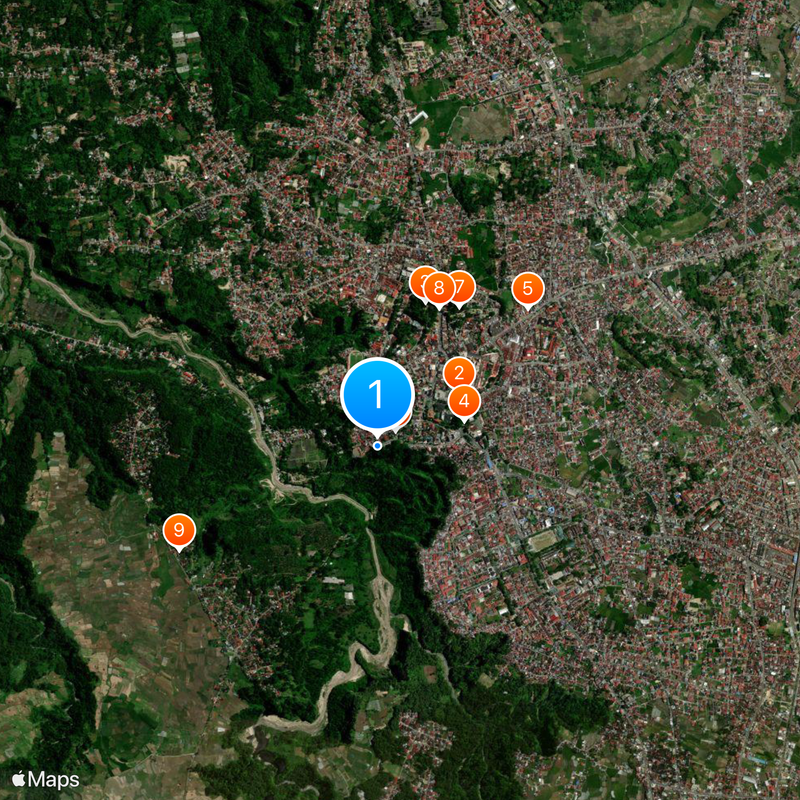
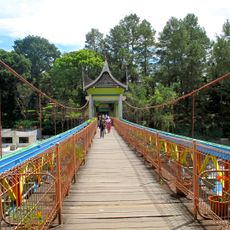
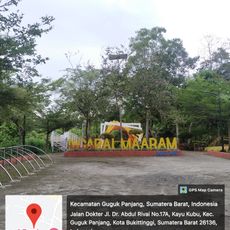
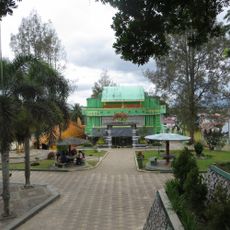
The main access point is through Panorama Park at the canyon's edge, which offers viewpoints and pathways leading down into the valley below. Walking here requires sturdy footwear and care on steep or slippery surfaces.
The canyon appears on the reverse side of Indonesia's 2000 rupiah banknote, reflecting its importance as a national symbol. This placement on currency demonstrates how deeply the landscape connects to the country's cultural identity.
The community of curious travelers
AroundUs brings together thousands of curated places, local tips, and hidden gems, enriched daily by 92,916 contributors worldwide.