See the monuments around you in AROpen chests in the app
Around Us is built for your phone — point your camera at the streets and discover the monuments and places around you in augmented reality.Around Us is built for your phone — chests unlock when you walk, explore and capture nearby places.
Sumatra and its surrounding islands hold some of the most remarkable natural wonders and historical landmarks you'll find anywhere. The region spreads across volcanic lakes, dense tropical forests, national parks, and coastlines dotted with temples and palaces. This part of Indonesia is where you can swim in the world's largest volcanic lake, spot orangutans in their natural habitat, and explore coral reefs teeming with life. The architecture here tells a story of different cultures meeting—Malay traditions blend with Islamic design and colonial influences. On the nearby islands, you'll discover white sand beaches, excellent diving spots, and small villages where people still follow time-honored ways. Whether you're interested in nature, history, or simply want to experience how local communities live, Sumatra offers something for everyone who visits.
Sumatra and its surrounding islands hold some of the most remarkable natural wonders and historical landmarks you'll find anywhere. The region spreads across volcanic lakes, dense tropical forests, national parks, and coastlines dotted with temples and palaces. This part of Indonesia is where you can swim in the world's largest volcanic lake, spot orangutans in their natural habitat, and explore coral reefs teeming with life. The architecture here tells a story of different cultures meeting—Malay traditions blend with Islamic design and colonial influences. On the nearby islands, you'll discover white sand beaches, excellent diving spots, and small villages where people still follow time-honored ways. Whether you're interested in nature, history, or simply want to experience how local communities live, Sumatra offers something for everyone who visits.
The Adityawarman Museum displays traditional and archaeological objects from West Sumatra, offering insights into the region's local culture and history. The building itself showcases Minangkabau architecture, known for its distinctive forms and design. Visitors can see traditional crafts, historical artifacts, and religious objects that reflect the cultural diversity of Sumatra.
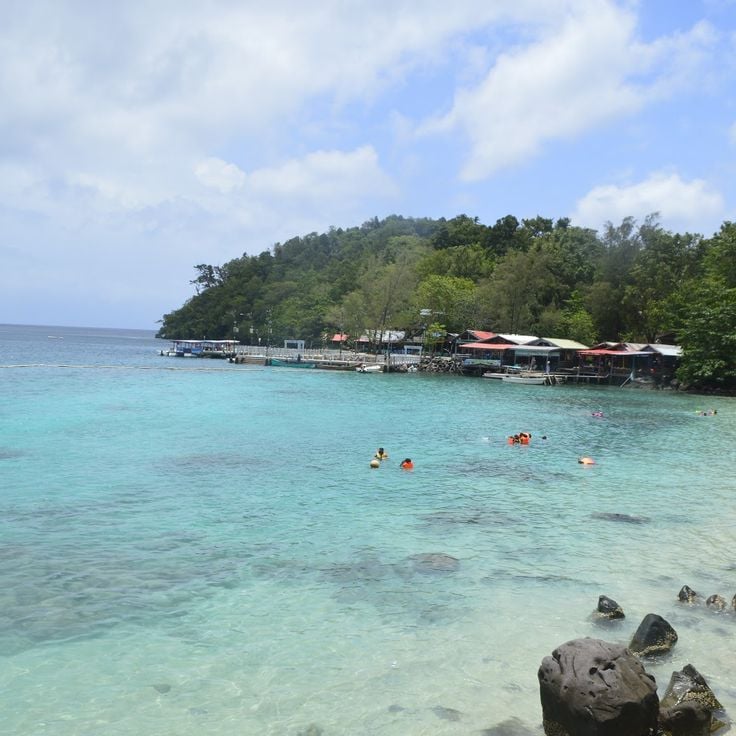
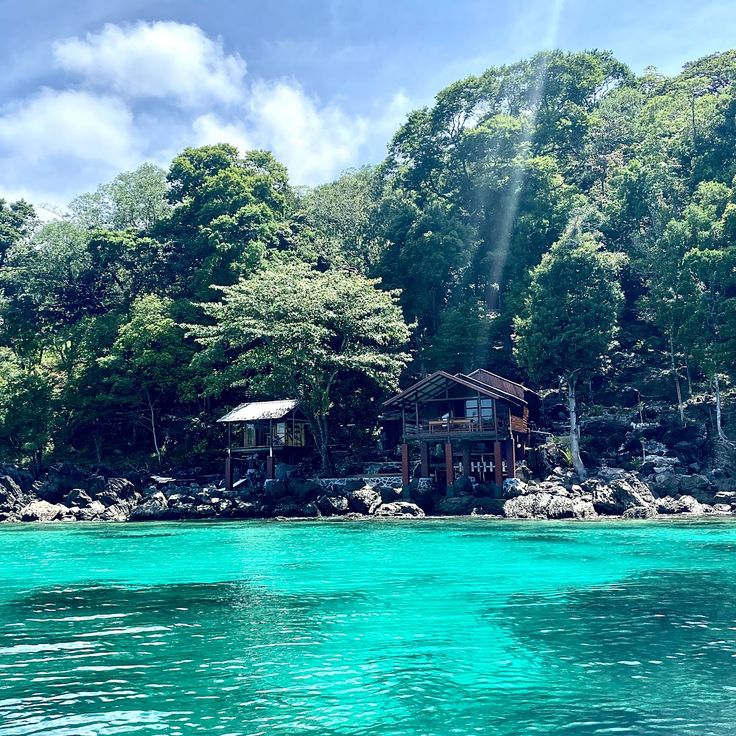
This small island off the coast of Sumatra is known for its white sand beaches and coral reefs inhabited by tropical fish. Rubiah Island fits perfectly within the region's natural diversity, where you can explore coral reefs and discover the underwater world. Divers come here to see the colorful marine life.
Among the natural wonders of the Sumatra region, Leebong Island sits in the Indian Ocean with white sand beaches bordering its shores. The shallow waters around this tropical island make it ideal for swimming and exploring. The island represents the coastal beauty found throughout the region, where visitors can experience tropical landscapes and marine life up close.
The Banyak Islands are part of this collection showcasing the natural wonders and historical landmarks of Sumatra. This archipelago of 99 coral islands sits in the Indian Ocean with white sand beaches throughout. The waters here offer excellent conditions for diving, where you can explore coral reefs and encounter the sea life below. The islands represent the undisturbed natural character of this part of Indonesia.
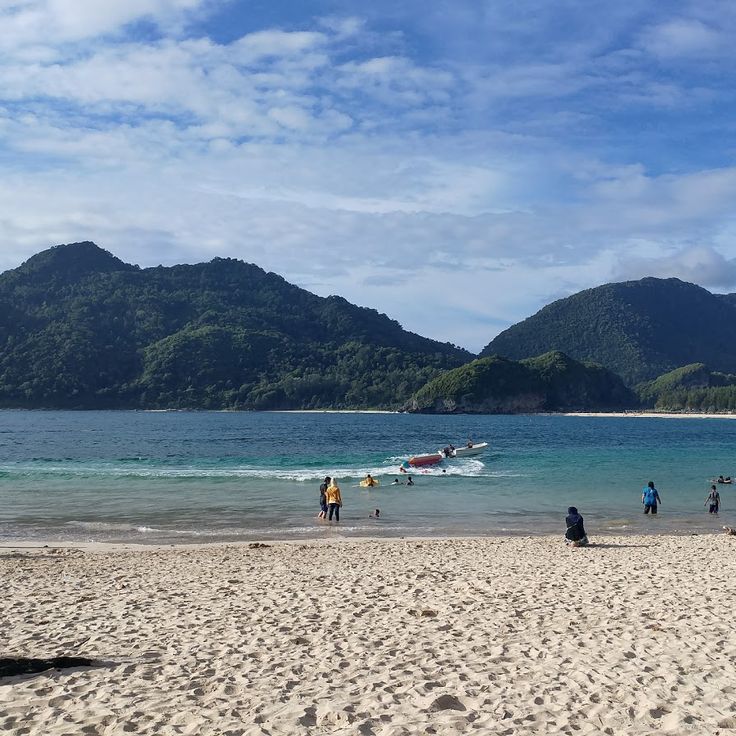
Lampuuk Beach is a four-kilometer sandy stretch along Sumatra's western coast. With its regular waves, this beach offers excellent conditions for surfing and water sports. It stands as one of the natural treasures of the region, where visitors can experience the ocean's power and Sumatra's coastal landscape.
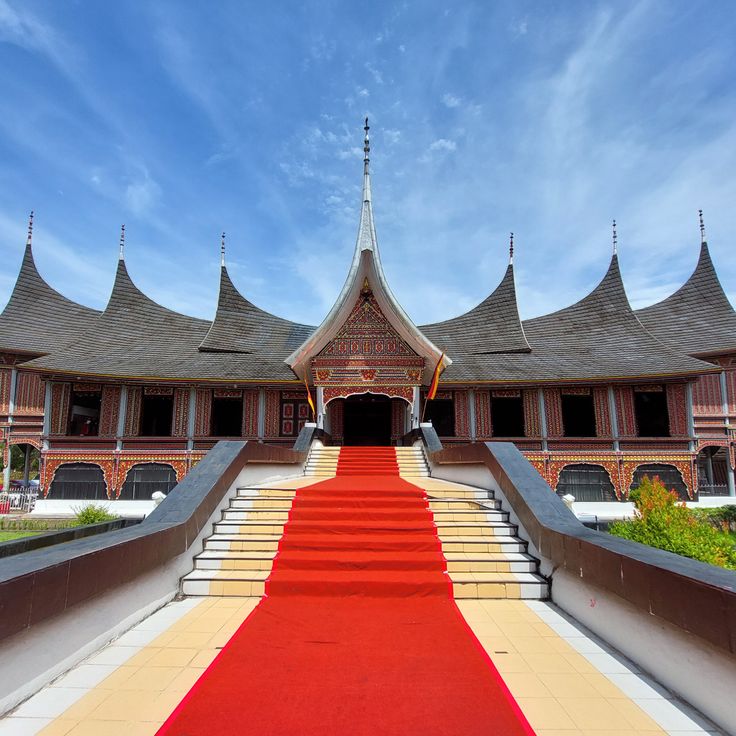
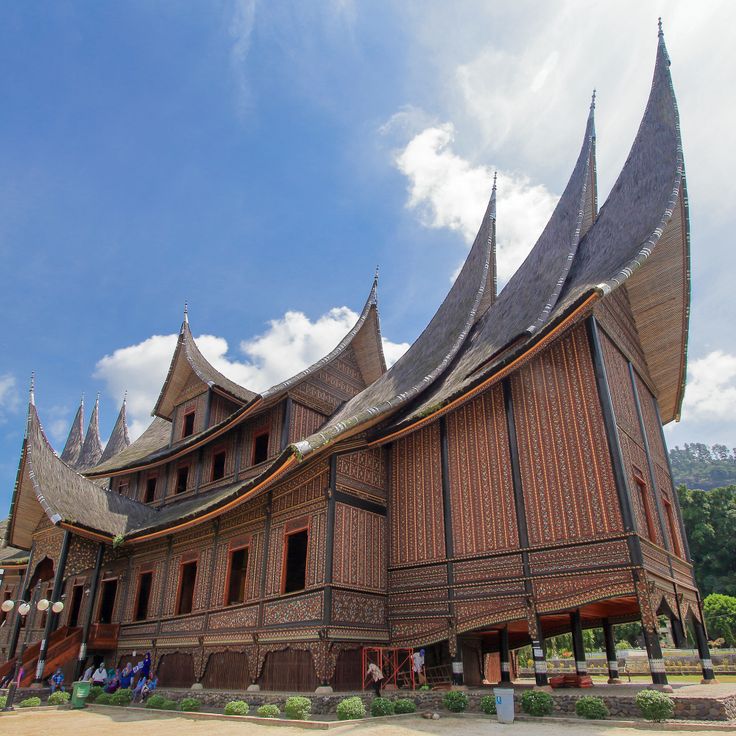
Pagaruyung Palace is a replica of the original Minangkabau royal palace that was destroyed by fire. The building displays the traditional architecture of the region, with multiple levels and distinctive pointed roofs. The palace represents the rich history and culture of Sumatra, where different traditions have met. Here you can see how local building techniques and spatial design worked in this area.
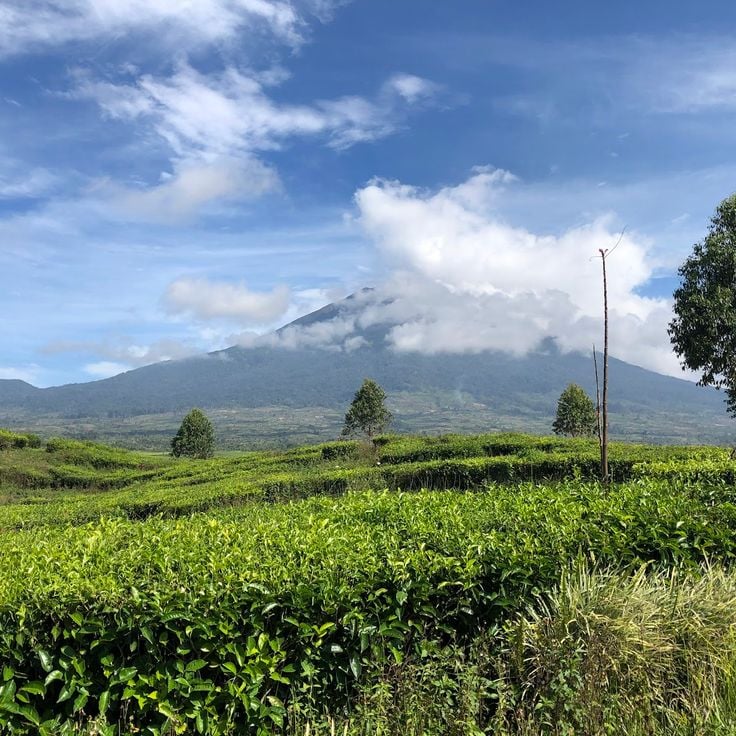
Mount Kerinci is the highest volcano in Sumatra, rising 3,800 meters above the surrounding landscape. Located within Kerinci Seblat National Park, the mountain's slopes are blanketed in tropical forest where native wildlife thrives. The volcano has erupted approximately 67 times since 1838, reminding visitors of the geological forces that shape this region. Those who visit can experience the raw power of Sumatra's natural environment and walk through some of the island's most intact forests.
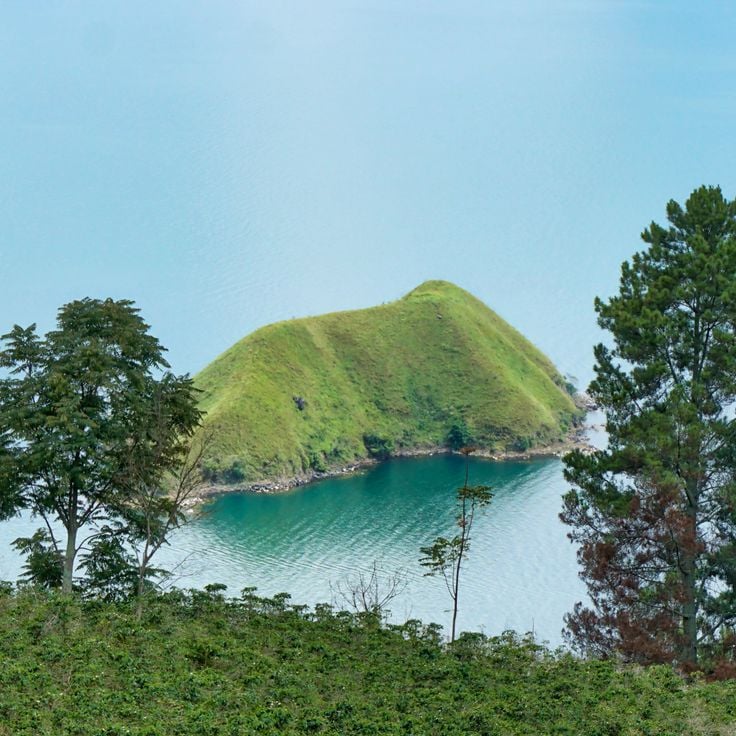
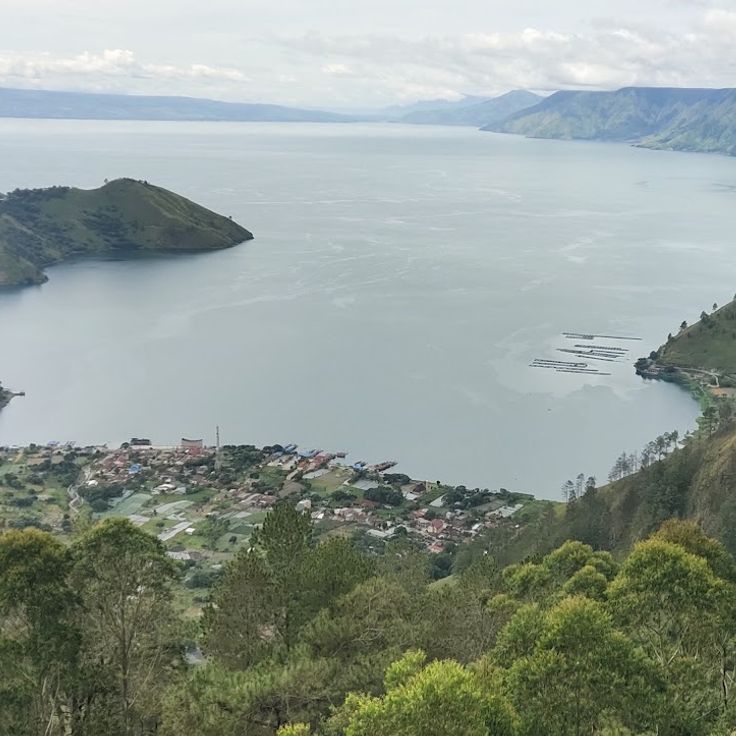
Lake Toba is the largest volcanic lake in the world, formed in a caldera created by an eruption 74,000 years ago. This lake represents Sumatra's volcanic character and lets visitors swim in its clear waters while surrounded by the dramatic landscape of the caldera. The lake sits within forests and near traditional Batak villages, where people continue to practice longstanding crafts and ways of life. For travelers exploring Sumatra's natural sites, this lake offers a chance to see the power of volcanic forces and experience local communities living close to the land.
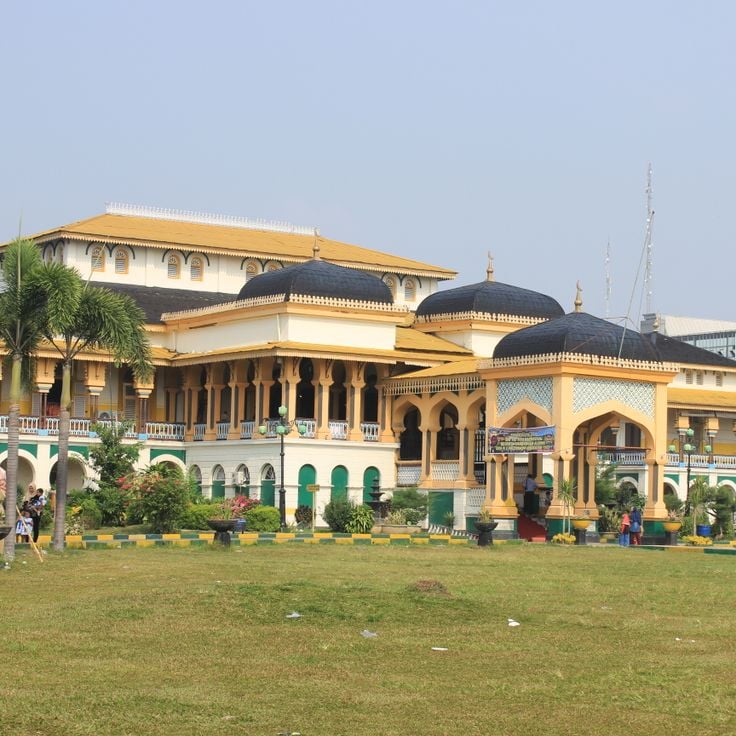
Maimun Palace in Medan is a royal residence built in 1888 that reflects the different cultures of this region. The building combines elements of Malay, Islamic, and European architecture, showing how various influences came together in Sumatra. Inside, historical items are displayed that tell the story of this place's past. The palace is a place where you can understand how different cultural traditions shaped this island.
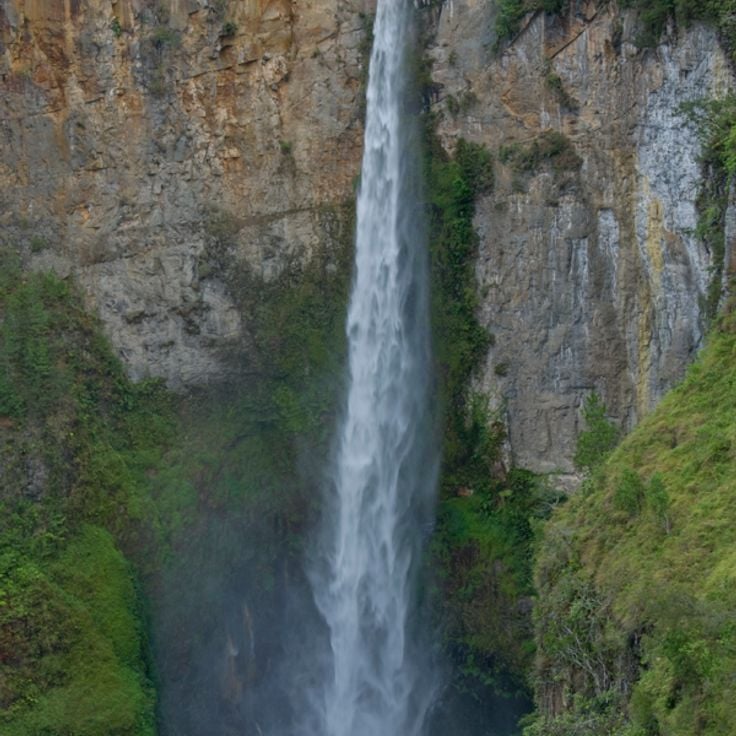
This waterfall stands 120 meters high and emerges from an underground river of the Karo plateau, flowing directly into Lake Toba. A staircase leads down to a viewing point near the basin, where you can feel the spray and power of the falling water. The Sipiso-piso Waterfall demonstrates the geological forces that shape this part of Sumatra, where volcanic lakes and dense forests create a dramatic landscape.
Gunung Leuser National Park is a vast natural reserve in North Sumatra where orangutans, elephants, and Sumatran rhinoceroses roam through mountainous tropical rainforest. The park represents the wild heart of Sumatra, offering visitors a chance to observe endangered species in their natural habitat. Walking through this forest, you encounter towering trees, winding rivers, and the sounds of wildlife that make this region special. The park protects one of the world's oldest rainforests and gives travelers a real sense of what Sumatra's interior looks like far from cities and villages.
Pulau Weh is a volcanic island north of Sumatra and part of the region's remarkable natural heritage. This island draws visitors to its diving sites along coral reefs and black sand beaches. It represents the kind of coastal treasures that define Sumatra's appeal to travelers seeking both nature and adventure.
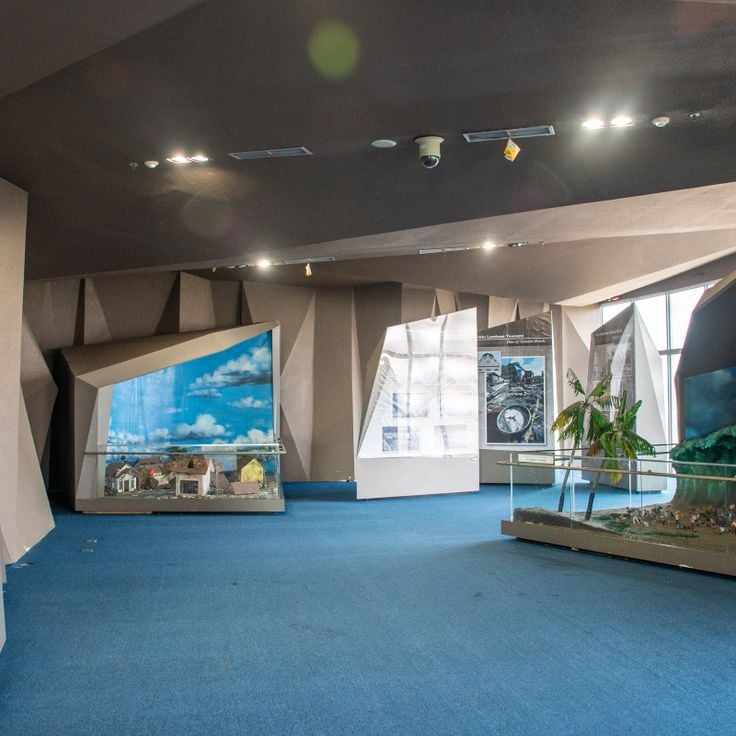
The Aceh Tsunami Museum in Banda Aceh documents and educates visitors about the 2004 natural disaster in Southeast Asia. The museum displays photographs, artifacts, and personal stories from people who experienced this event. It is a place to learn and reflect on how the community recovered and rebuilt. Within the context of Sumatra's remarkable sites, this museum tells an important chapter of the region's recent history.
Kerinci Seblat National Park is a large protected area in Sumatra and a key place to understand the region's natural wealth. The park consists of tropical forest and shelters rare animals including Sumatran tigers and orangutans. Visitors can explore the forests and watch wildlife in their natural setting. The park demonstrates how important these natural resources are to the island.
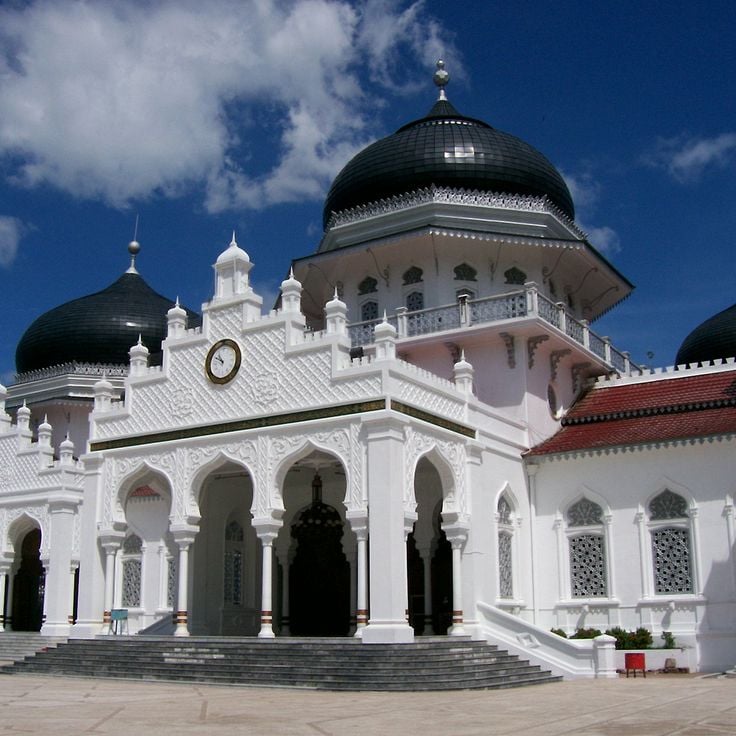
The Baiturrahman Grand Mosque in Banda Aceh represents the blend of cultures found across Sumatra. Built in 1879 during the Dutch colonial period, this mosque displays five black domes and four minarets that rise above the city. As the main religious monument in Banda Aceh, it tells the story of how Islamic design merged with colonial influences. Visitors can explore the craftsmanship and learn about the region's past.
The Mentawai Archipelago is a group of about 70 islands west of Sumatra and part of the region's natural wonders. Here you'll find tropical forests and Siberut National Park, where you can observe monkeys found nowhere else on Earth. The archipelago showcases Sumatra's varied wildlife and dense vegetation, offering a glimpse into ecosystems that have remained largely unchanged. This is a place where you can experience the raw nature of Indonesia and understand how unique animal species have adapted to their island home.
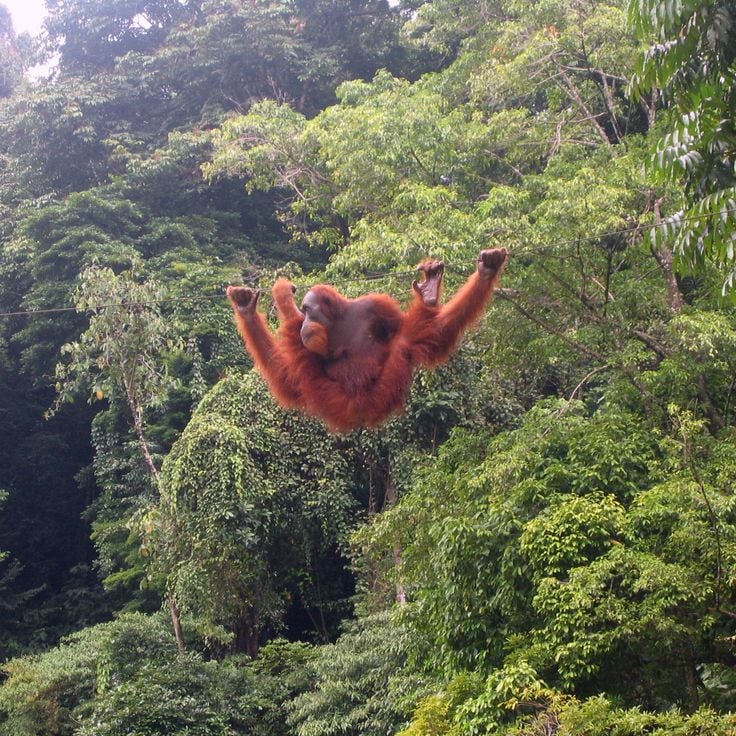
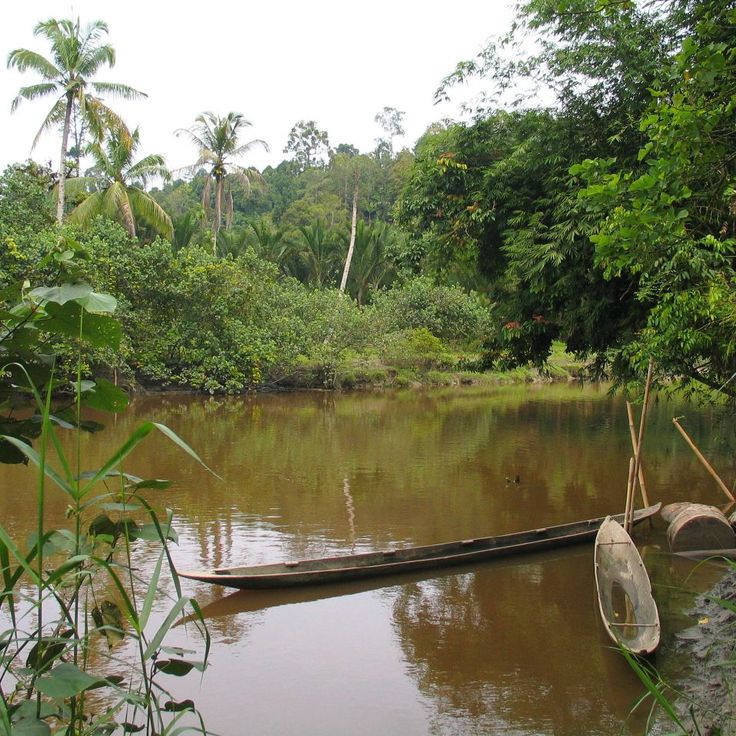
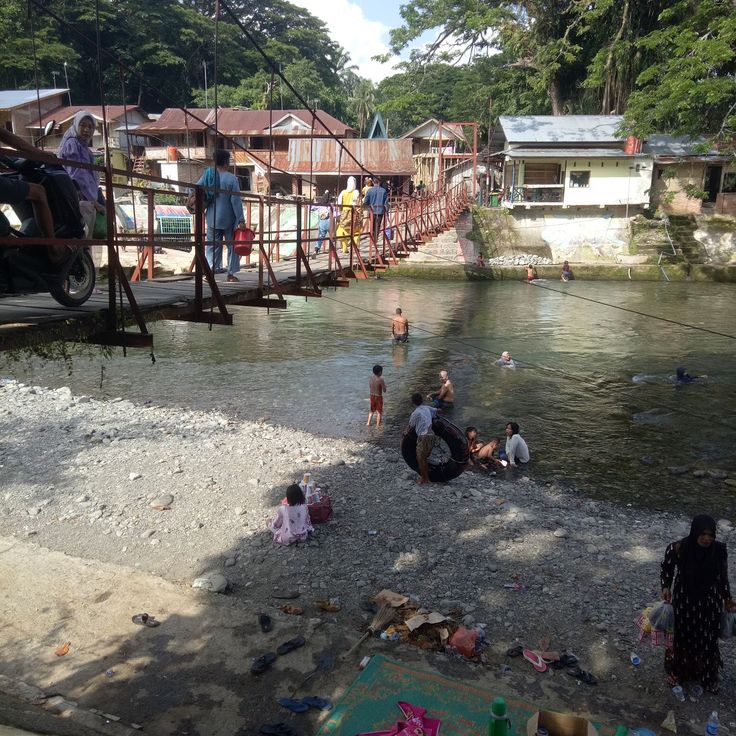
Bukit Lawang is an orangutan rehabilitation center set within the tropical forests at the edge of Gunung Leuser National Park. This facility plays an important role in the broader story of Sumatra's natural wonders and wildlife conservation efforts. Visitors can observe orangutans in their natural surroundings and learn how local and international efforts work to protect these remarkable primates and their forest home.
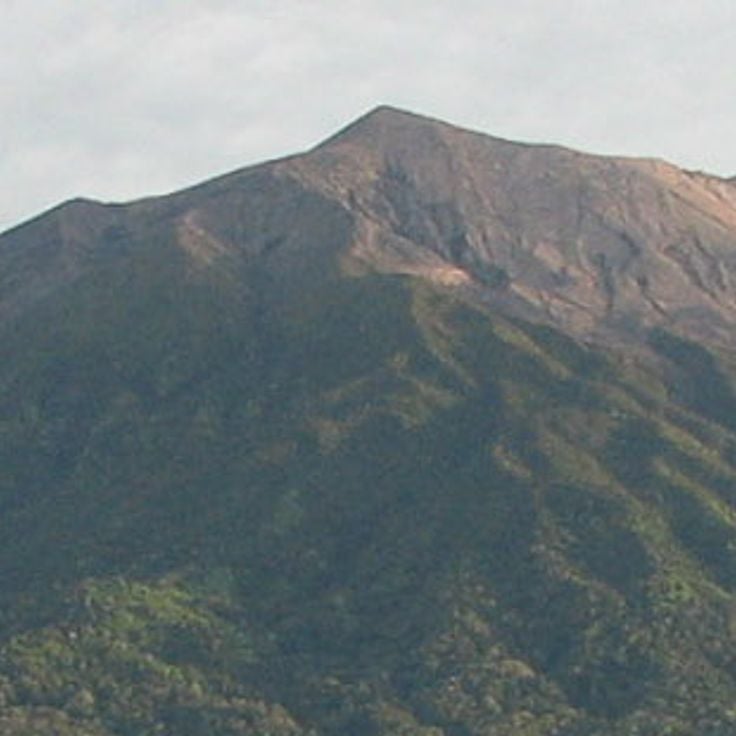
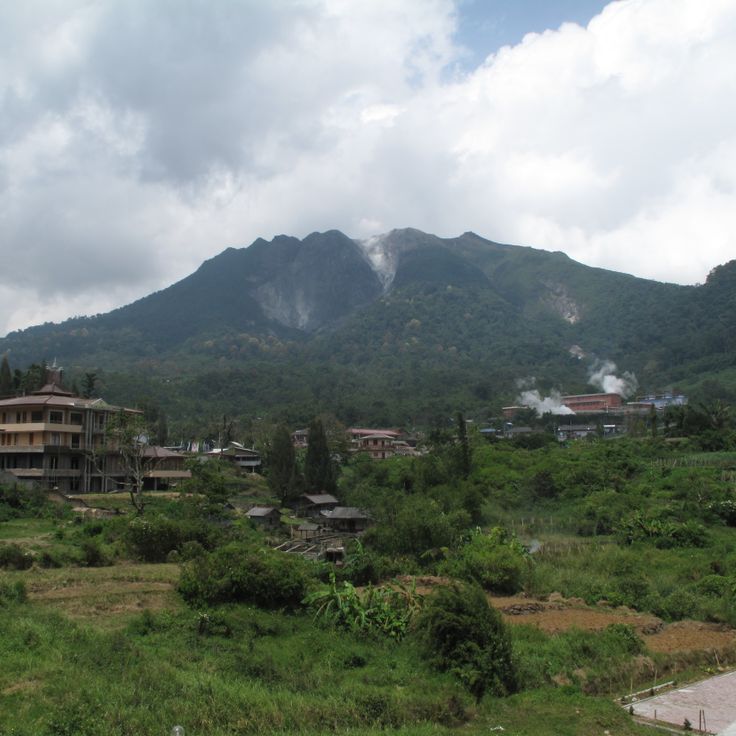
This active volcano is part of Sumatra's remarkable natural sites and reaches 2,212 meters in elevation. Three marked hiking trails start from the town of Berastagi and lead up the mountain. At the summit, fumaroles are visible, showing that the volcano remains active and steam rises from the earth.
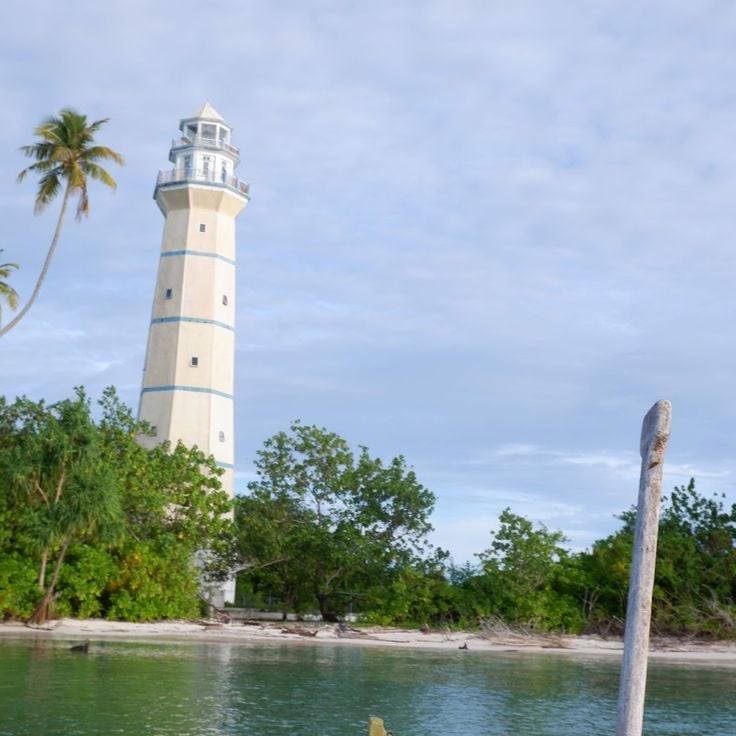
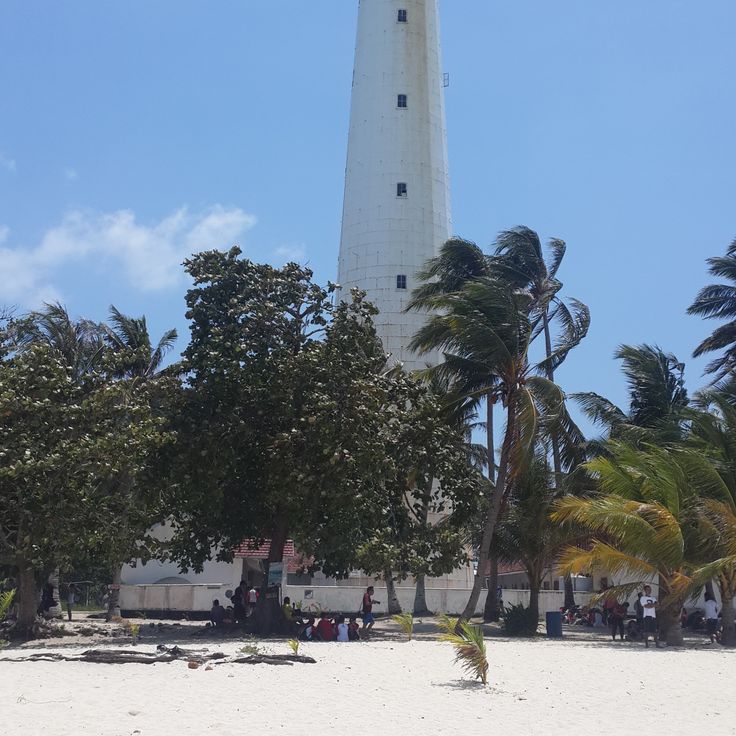
This island represents the historical landmarks found across Sumatra and its surrounding region. The colonial lighthouse on Lengkuas Island has stood since 1882 and rises to 50 meters high. The structure continues to guide ships today and reflects the architecture from a time when different cultures met—Malay traditions mixed with Islamic design and colonial influences. Visitors can climb the lighthouse and take in views across the water while experiencing how the past shaped this part of Indonesia.
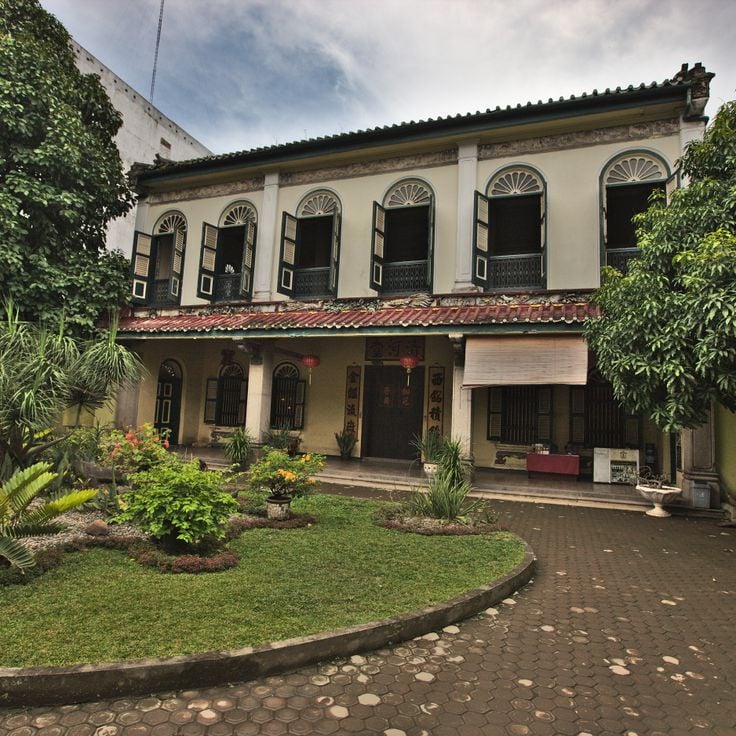
The Tjong A Fie Mansion was built in 1895 by a Chinese merchant and represents the cultural diversity that defines Sumatra. This residence combines European, Chinese, and Malay architectural styles across two floors, telling a story of how different cultures met and influenced each other in this part of Indonesia. The building shows how trade connections and cultural exchanges shaped the way people built their homes here.
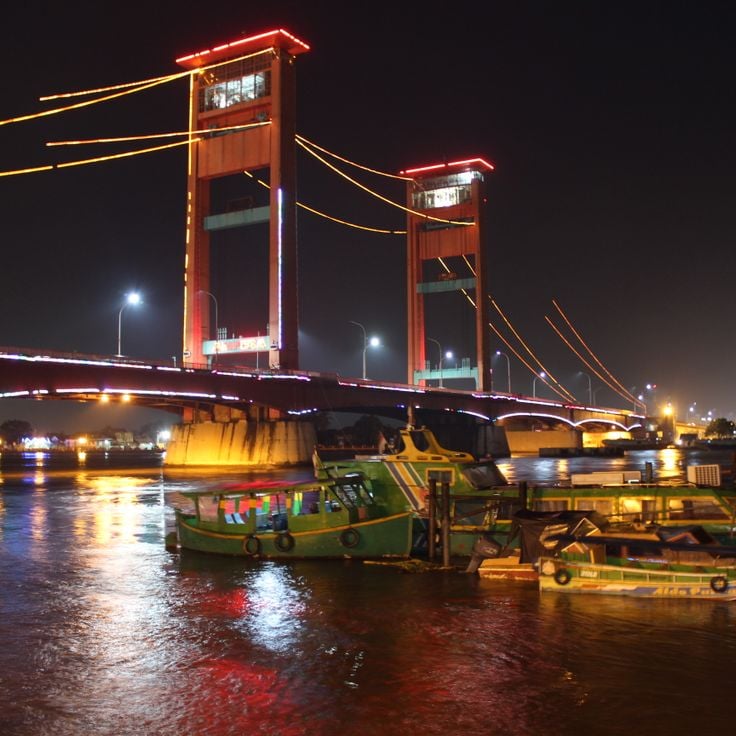
The Ampera Bridge carries traffic across the Musi River as a distinctive red steel structure in Palembang. Built in the 1960s, this bridge spans the width of the river with a design that has become part of the city's identity. The bridge connects communities on both banks and serves as a reminder of how engineering shaped Sumatra's growth and development.
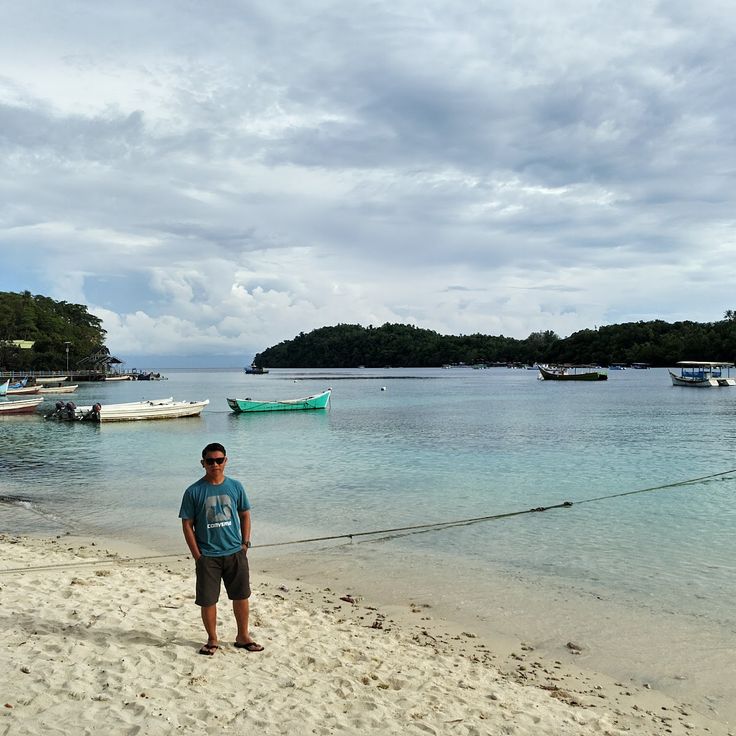
Iboih Beach is a white sand strip lined with palm trees offering clear waters for observing colorful fish and coral reefs. This site represents one of the natural wonders surrounding Sumatra, where visitors can explore diving spots, dense tropical forests, and coastlines shaped by volcanic activity and local traditions.
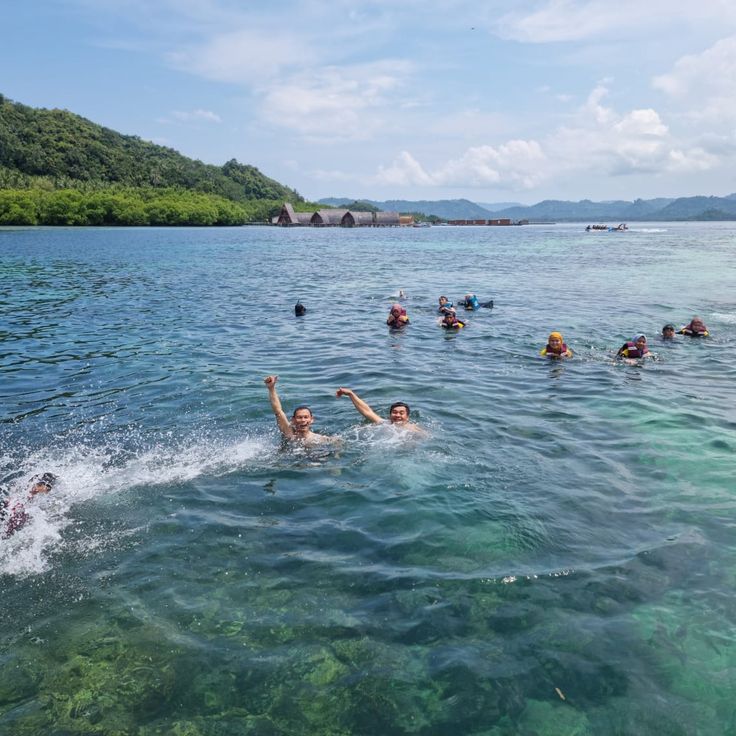
Pahawang Island is a fascinating destination within this collection of Sumatra's natural wonders and historical landmarks. The island features turquoise waters, sandy beaches, and mangrove forests that offer excellent diving opportunities to observe marine life. Here you can swim in clear water and explore the coral reefs that surround the island. Pahawang Island represents the natural beauty of Indonesia and offers visitors a chance to experience how local communities live and work in this part of the region.
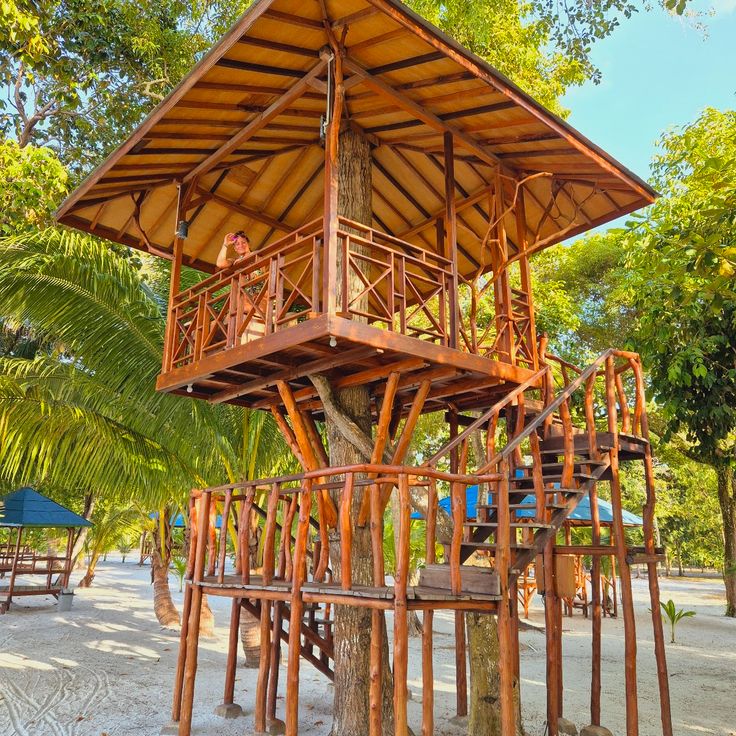
The Lokern Barn functions as an observation building positioned at a height that offers views across Lake Toba and the Tongging settlements spread below. This structure enhances the exploration of Sumatra's natural wonders and landmarks, allowing visitors to see the landscape and the daily life of local communities from a vantage point that few places provide.
The village of Tongging is a fishing community on the shores of Lake Toba in Sumatra, known for preparing grilled fish using traditional local methods. This place shows how communities in the region live from the waters and preserve their time-honored crafts.
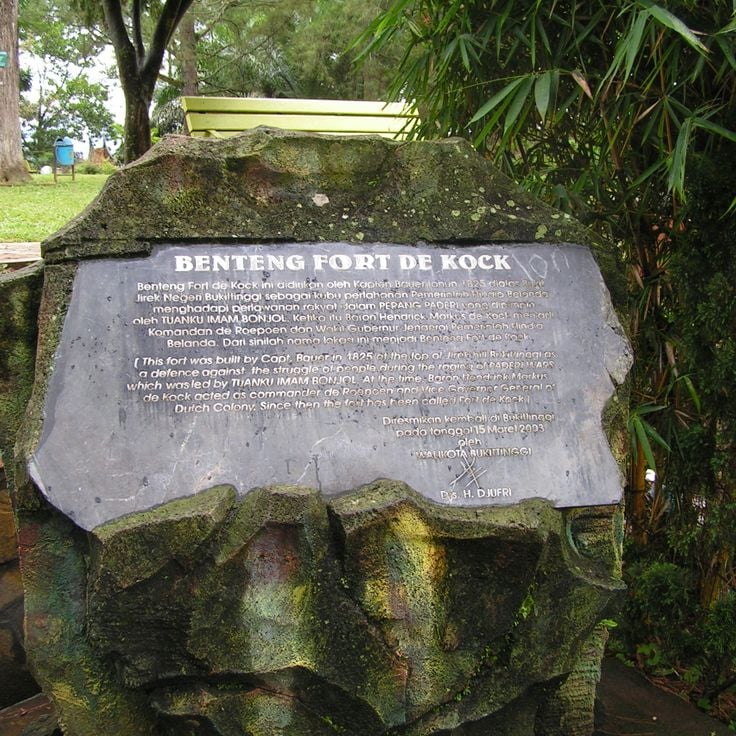
Fort de Kock is a military fortification from the Dutch colonial period that sits on a high point overlooking Bukittinggi. This fort shows how colonial rulers built to control the region and the landscape around it. You can walk the walls and look out over the city below. The fort tells the story of a time when foreign powers shaped Sumatra and left their mark through structures like this one.
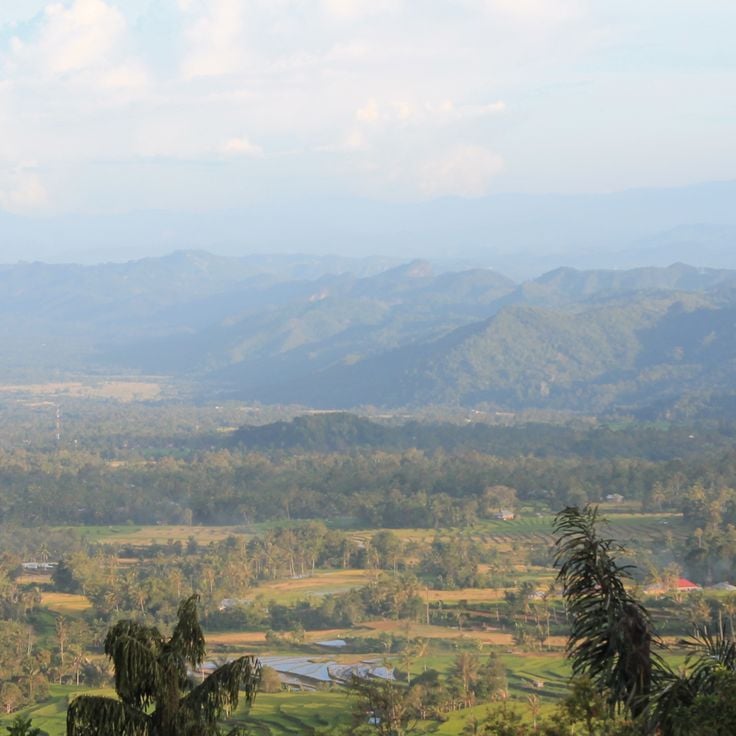
Bukit Barisan is a mountain range that forms one of Sumatra's most striking natural features and a key part of this collection of remarkable sites. This range runs along the island with numerous active volcanoes, creating a natural divide between the coastal regions. The mountains rise dramatically from the landscape, and their volcanic nature shapes both the terrain and the local environment. Travelers can explore these peaks to experience the geology of the region and observe how the mountains influence the forests and communities below.
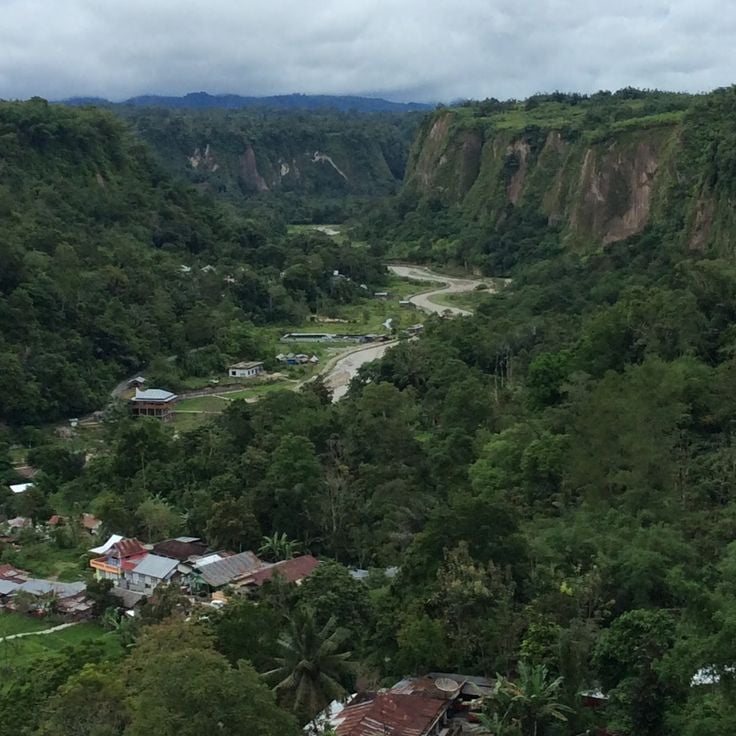
The Ngarai Sianok Canyons feature towering vertical rock walls that drop about 100 meters deep, located near Bukittinggi. This geological formation shows how the forces of nature have shaped Sumatra's landscape over time. The canyon is part of the region's natural wonders, where visitors can see the raw power of the earth at work. The steep stone walls create a dramatic setting that reveals how water and geological processes have carved this land.
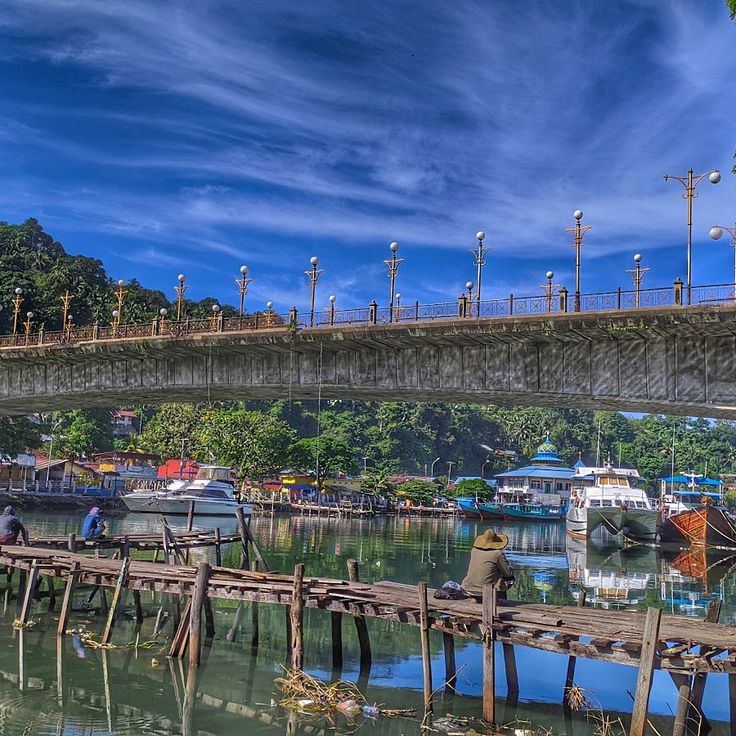
This steel bridge in Padang was built in 1973 to connect the city center with Seberang district. It crosses the Batang Arau River and forms part of the infrastructure of this western Indonesian city. The bridge represents the development of the region during a time of significant change. It is an everyday sight for residents and an important passage for traffic between the two districts.
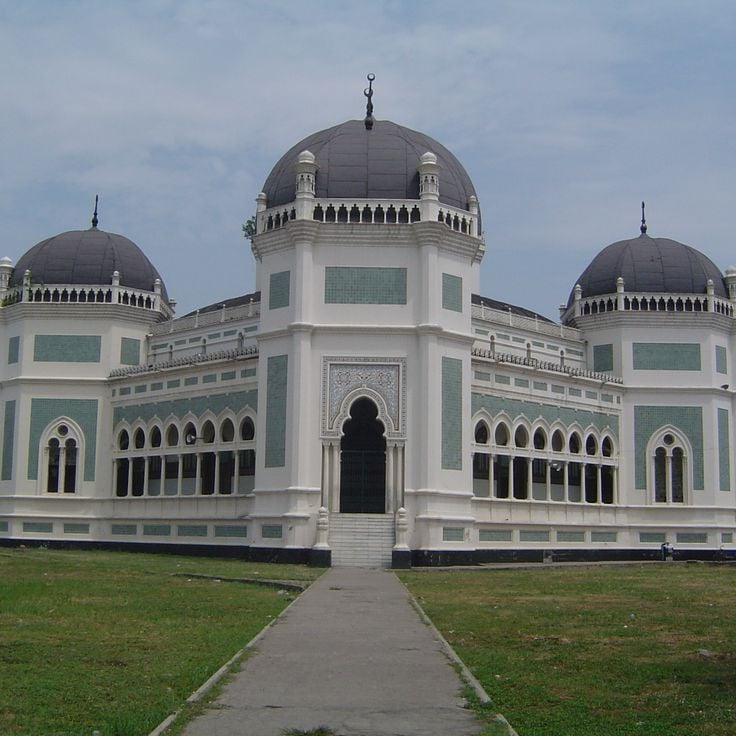
This mosque in Medan was built in 1906 and features a black octagonal dome with minarets decorated in geometric patterns. It serves as an important place for daily prayers and represents Islamic architecture in Sumatra, where religious and cultural traditions are visible. As part of Sumatra's remarkable natural sites and monuments, this building contributes to the diverse history of a region where Malay, Islamic, and colonial influences meet.
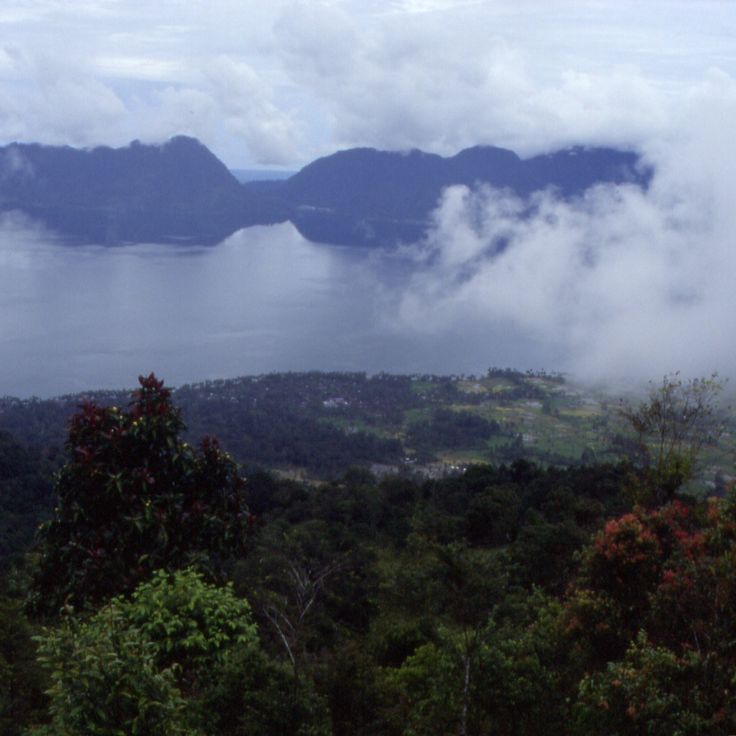
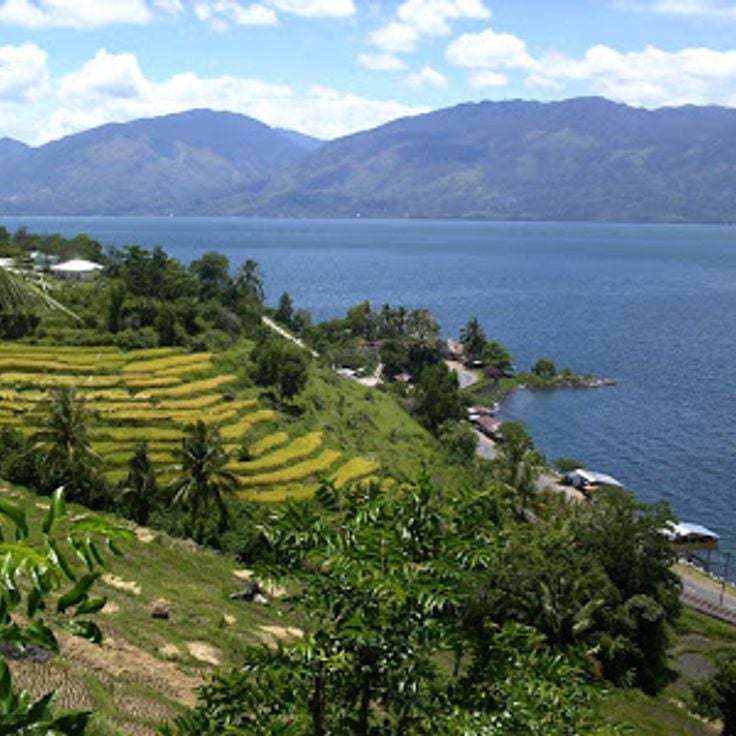
Lake Maninjau sits in a volcanic crater in West Sumatra and represents one of the natural wonders found throughout this region. The lake rests at 450 meters altitude, surrounded by steep mountain slopes that rise more than 1000 meters above it. The water mirrors the surrounding peaks, creating a dramatic landscape. Visitors come here to take in the scenery, swim, or explore by boat. Villages around the lake show how local communities live and work in this mountainous setting.
Lake Singkarak is the largest tectonic lake in central Sumatra, nestled between two mountain ranges. Its waters have powered a hydroelectric plant since 1998. This lake represents one of Sumatra's natural wonders, where volcanic lakes, dense tropical forests, and national parks define the landscape. Lake Singkarak demonstrates how the region uses its natural resources while maintaining these important ecosystems.
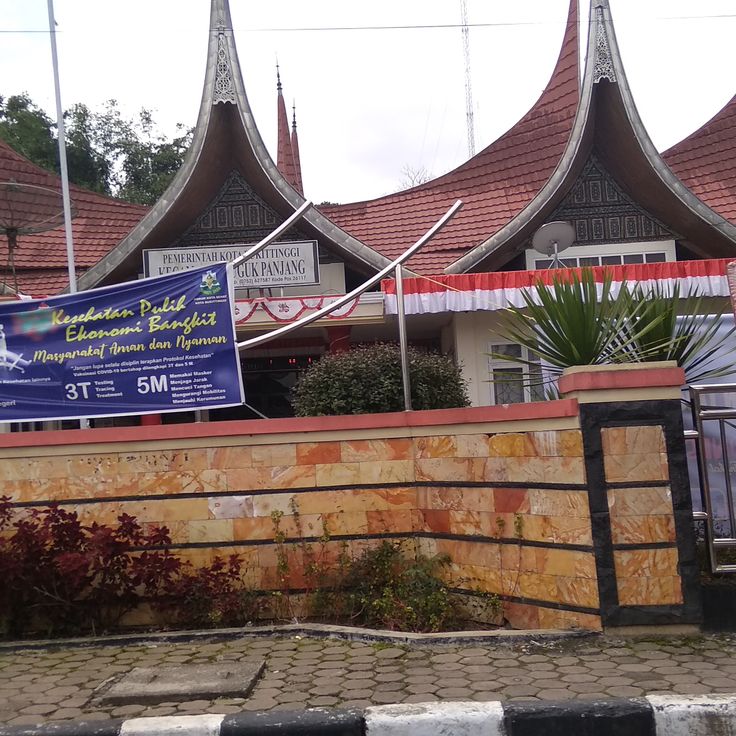
Bukittinggi is a mountain town situated at 930 meters elevation in West Sumatra, representing a key destination within the region's remarkable natural sites and historical landmarks. Founded by the Dutch in 1825, this town served as the historical capital of the Minangkabau people and remains the commercial and administrative center of the area. From Bukittinggi, you can explore the dense tropical forests, volcanic lakes, and coral reefs that define Sumatra's natural character. The town itself displays the cultural layering found throughout the region, where Malay traditions meet Islamic architecture and colonial influences, making it an essential base for experiencing both the environment and local heritage of Sumatra.
Padang demonstrates how different cultures met in Sumatra. This port city blends Dutch and Chinese colonial architecture from the 19th century with local Minangkabau traditions. From here, visitors can reach traditional Minangkabau villages in the surrounding area and learn about how people live in this region. The city's waterfront shows the layers of history that shaped West Sumatra.
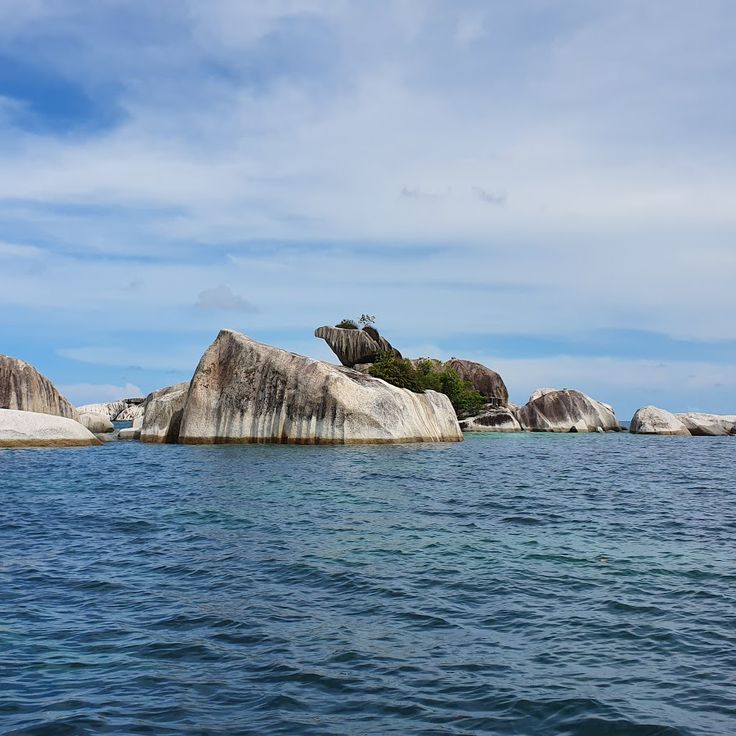
Kelayang Beach is part of the remarkable natural wonders found throughout Sumatra and its surrounding islands. This stretch of white sand is bordered by granite rock formations along the northern coast of Belitung Island, where the land meets the Java Sea. The beach shows the natural beauty of the region, where visitors can explore waters full of life and discover small villages where people still follow traditional ways of living.
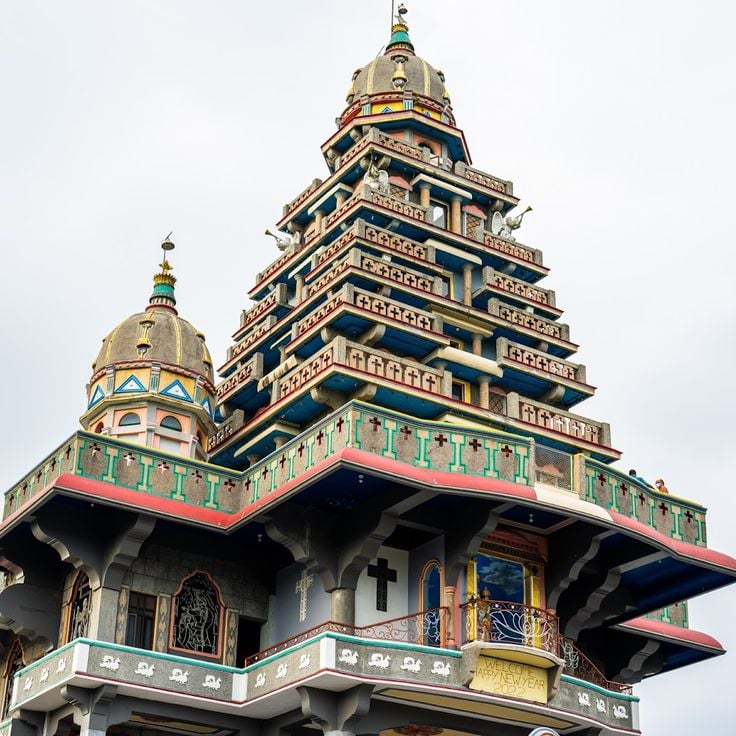
The Annai Velangkanni Marian Shrine is a Catholic religious building in Medan constructed in 2005, blending Indian and Mughal architectural styles. The shrine features three towers and a colorful facade with ornate details. It represents the cultural diversity found throughout Sumatra, where different traditions and faiths come together and shape the region's built landscape.
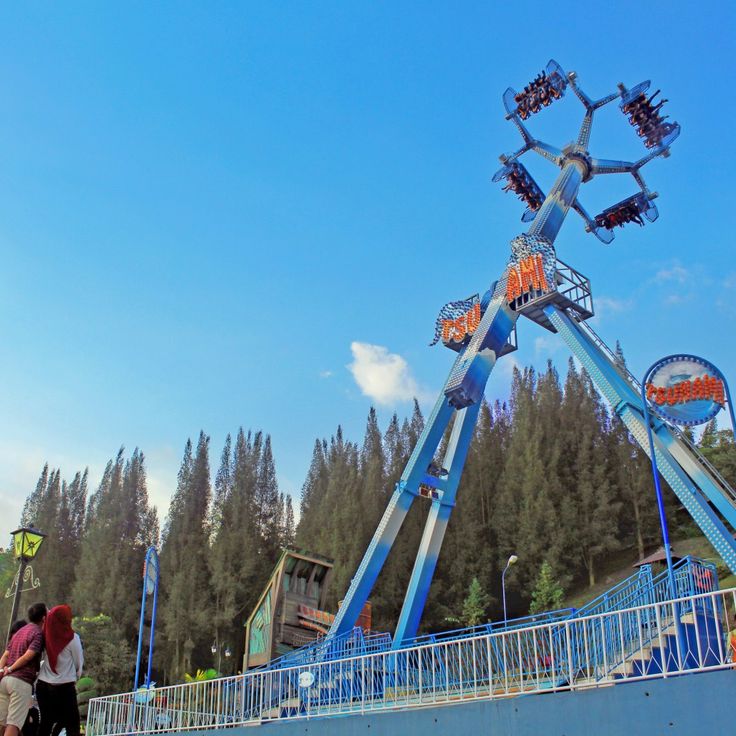
This amusement park in Berastagi adds modern entertainment to Sumatra's natural wonders and historical sites. Mikie Funland features roller coasters, a Ferris wheel, and children's rides alongside outdoor entertainment shows, making it a place where families and visitors come together for fun and relaxation.
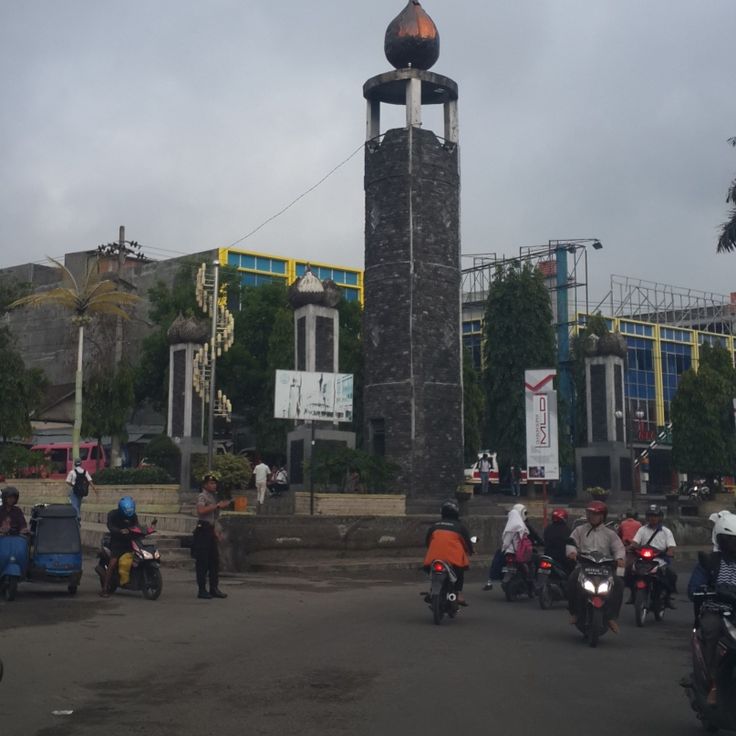
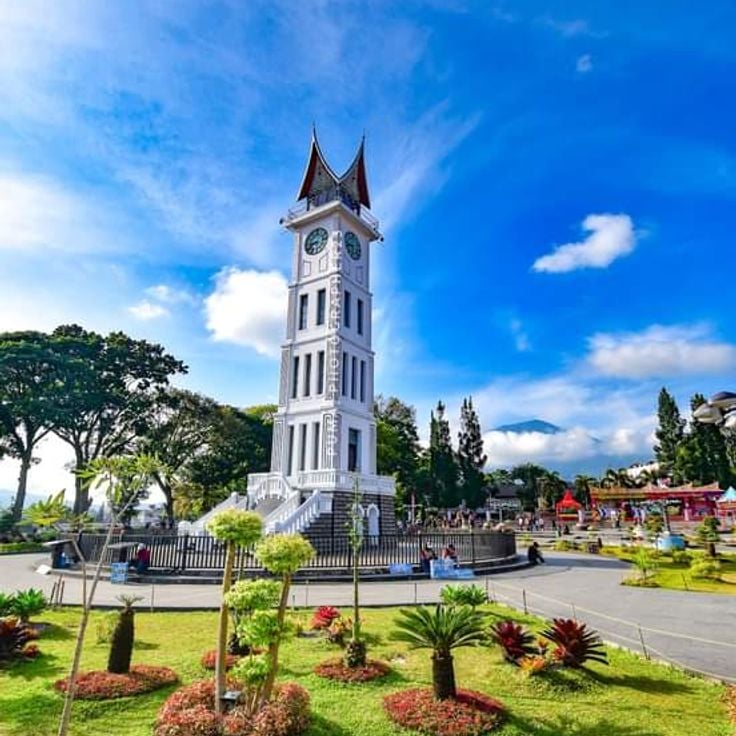
This clock tower in Bukittinggi was built in 1926 and stands 26 meters tall. Its clock faces outward on all four sides, making it visible from every direction. The tower marks the historic center of the city and serves as a key landmark for visitors exploring this part of Sumatra's cultural heritage.
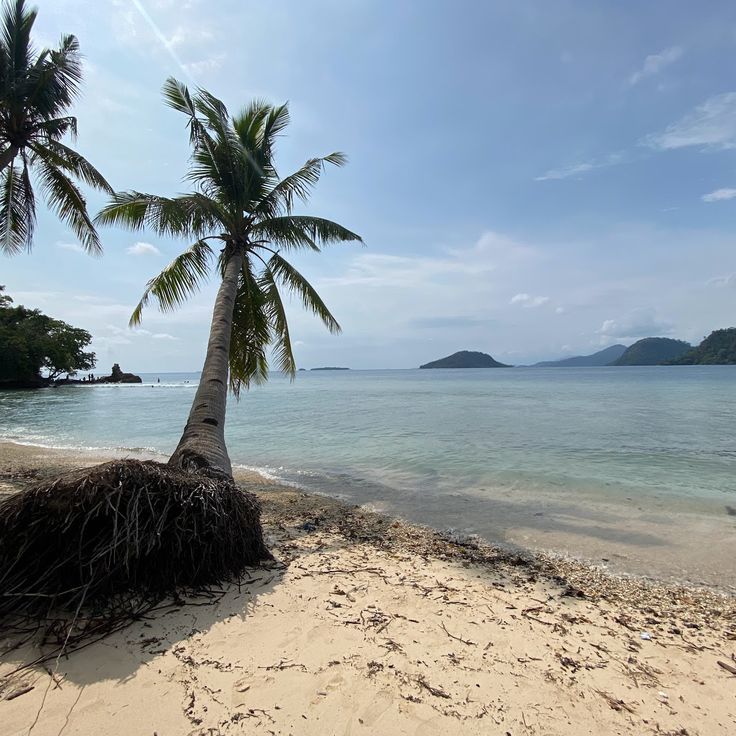
Pagang Island is one of the natural sites featured in this collection showcasing Sumatra's diverse landscapes. This island is accessible by boat from Bungus port and features a white sand beach lined with coconut trees and turquoise waters. The island offers a peaceful setting for swimming and exploration away from larger towns.
The Adityawarman Museum displays traditional and archaeological objects from West Sumatra, offering insights into the region's local culture and history. The building itself showcases Minangkabau architecture, known for its distinctive forms and design. Visitors can see traditional crafts, historical artifacts, and religious objects that reflect the cultural diversity of Sumatra.
This small island off the coast of Sumatra is known for its white sand beaches and coral reefs inhabited by tropical fish. Rubiah Island fits perfectly within the region's natural diversity, where you can explore coral reefs and discover the underwater world. Divers come here to see the colorful marine life.
Among the natural wonders of the Sumatra region, Leebong Island sits in the Indian Ocean with white sand beaches bordering its shores. The shallow waters around this tropical island make it ideal for swimming and exploring. The island represents the coastal beauty found throughout the region, where visitors can experience tropical landscapes and marine life up close.
The Banyak Islands are part of this collection showcasing the natural wonders and historical landmarks of Sumatra. This archipelago of 99 coral islands sits in the Indian Ocean with white sand beaches throughout. The waters here offer excellent conditions for diving, where you can explore coral reefs and encounter the sea life below. The islands represent the undisturbed natural character of this part of Indonesia.
Lampuuk Beach is a four-kilometer sandy stretch along Sumatra's western coast. With its regular waves, this beach offers excellent conditions for surfing and water sports. It stands as one of the natural treasures of the region, where visitors can experience the ocean's power and Sumatra's coastal landscape.
Pagaruyung Palace is a replica of the original Minangkabau royal palace that was destroyed by fire. The building displays the traditional architecture of the region, with multiple levels and distinctive pointed roofs. The palace represents the rich history and culture of Sumatra, where different traditions have met. Here you can see how local building techniques and spatial design worked in this area.
Mount Kerinci is the highest volcano in Sumatra, rising 3,800 meters above the surrounding landscape. Located within Kerinci Seblat National Park, the mountain's slopes are blanketed in tropical forest where native wildlife thrives. The volcano has erupted approximately 67 times since 1838, reminding visitors of the geological forces that shape this region. Those who visit can experience the raw power of Sumatra's natural environment and walk through some of the island's most intact forests.
Lake Toba is the largest volcanic lake in the world, formed in a caldera created by an eruption 74,000 years ago. This lake represents Sumatra's volcanic character and lets visitors swim in its clear waters while surrounded by the dramatic landscape of the caldera. The lake sits within forests and near traditional Batak villages, where people continue to practice longstanding crafts and ways of life. For travelers exploring Sumatra's natural sites, this lake offers a chance to see the power of volcanic forces and experience local communities living close to the land.
Maimun Palace in Medan is a royal residence built in 1888 that reflects the different cultures of this region. The building combines elements of Malay, Islamic, and European architecture, showing how various influences came together in Sumatra. Inside, historical items are displayed that tell the story of this place's past. The palace is a place where you can understand how different cultural traditions shaped this island.
This waterfall stands 120 meters high and emerges from an underground river of the Karo plateau, flowing directly into Lake Toba. A staircase leads down to a viewing point near the basin, where you can feel the spray and power of the falling water. The Sipiso-piso Waterfall demonstrates the geological forces that shape this part of Sumatra, where volcanic lakes and dense forests create a dramatic landscape.
Gunung Leuser National Park is a vast natural reserve in North Sumatra where orangutans, elephants, and Sumatran rhinoceroses roam through mountainous tropical rainforest. The park represents the wild heart of Sumatra, offering visitors a chance to observe endangered species in their natural habitat. Walking through this forest, you encounter towering trees, winding rivers, and the sounds of wildlife that make this region special. The park protects one of the world's oldest rainforests and gives travelers a real sense of what Sumatra's interior looks like far from cities and villages.
Pulau Weh is a volcanic island north of Sumatra and part of the region's remarkable natural heritage. This island draws visitors to its diving sites along coral reefs and black sand beaches. It represents the kind of coastal treasures that define Sumatra's appeal to travelers seeking both nature and adventure.
The Aceh Tsunami Museum in Banda Aceh documents and educates visitors about the 2004 natural disaster in Southeast Asia. The museum displays photographs, artifacts, and personal stories from people who experienced this event. It is a place to learn and reflect on how the community recovered and rebuilt. Within the context of Sumatra's remarkable sites, this museum tells an important chapter of the region's recent history.
Kerinci Seblat National Park is a large protected area in Sumatra and a key place to understand the region's natural wealth. The park consists of tropical forest and shelters rare animals including Sumatran tigers and orangutans. Visitors can explore the forests and watch wildlife in their natural setting. The park demonstrates how important these natural resources are to the island.
The Baiturrahman Grand Mosque in Banda Aceh represents the blend of cultures found across Sumatra. Built in 1879 during the Dutch colonial period, this mosque displays five black domes and four minarets that rise above the city. As the main religious monument in Banda Aceh, it tells the story of how Islamic design merged with colonial influences. Visitors can explore the craftsmanship and learn about the region's past.
The Mentawai Archipelago is a group of about 70 islands west of Sumatra and part of the region's natural wonders. Here you'll find tropical forests and Siberut National Park, where you can observe monkeys found nowhere else on Earth. The archipelago showcases Sumatra's varied wildlife and dense vegetation, offering a glimpse into ecosystems that have remained largely unchanged. This is a place where you can experience the raw nature of Indonesia and understand how unique animal species have adapted to their island home.
Bukit Lawang is an orangutan rehabilitation center set within the tropical forests at the edge of Gunung Leuser National Park. This facility plays an important role in the broader story of Sumatra's natural wonders and wildlife conservation efforts. Visitors can observe orangutans in their natural surroundings and learn how local and international efforts work to protect these remarkable primates and their forest home.
This active volcano is part of Sumatra's remarkable natural sites and reaches 2,212 meters in elevation. Three marked hiking trails start from the town of Berastagi and lead up the mountain. At the summit, fumaroles are visible, showing that the volcano remains active and steam rises from the earth.
This island represents the historical landmarks found across Sumatra and its surrounding region. The colonial lighthouse on Lengkuas Island has stood since 1882 and rises to 50 meters high. The structure continues to guide ships today and reflects the architecture from a time when different cultures met—Malay traditions mixed with Islamic design and colonial influences. Visitors can climb the lighthouse and take in views across the water while experiencing how the past shaped this part of Indonesia.
The Tjong A Fie Mansion was built in 1895 by a Chinese merchant and represents the cultural diversity that defines Sumatra. This residence combines European, Chinese, and Malay architectural styles across two floors, telling a story of how different cultures met and influenced each other in this part of Indonesia. The building shows how trade connections and cultural exchanges shaped the way people built their homes here.
The Ampera Bridge carries traffic across the Musi River as a distinctive red steel structure in Palembang. Built in the 1960s, this bridge spans the width of the river with a design that has become part of the city's identity. The bridge connects communities on both banks and serves as a reminder of how engineering shaped Sumatra's growth and development.
Iboih Beach is a white sand strip lined with palm trees offering clear waters for observing colorful fish and coral reefs. This site represents one of the natural wonders surrounding Sumatra, where visitors can explore diving spots, dense tropical forests, and coastlines shaped by volcanic activity and local traditions.
Pahawang Island is a fascinating destination within this collection of Sumatra's natural wonders and historical landmarks. The island features turquoise waters, sandy beaches, and mangrove forests that offer excellent diving opportunities to observe marine life. Here you can swim in clear water and explore the coral reefs that surround the island. Pahawang Island represents the natural beauty of Indonesia and offers visitors a chance to experience how local communities live and work in this part of the region.
The Lokern Barn functions as an observation building positioned at a height that offers views across Lake Toba and the Tongging settlements spread below. This structure enhances the exploration of Sumatra's natural wonders and landmarks, allowing visitors to see the landscape and the daily life of local communities from a vantage point that few places provide.
The village of Tongging is a fishing community on the shores of Lake Toba in Sumatra, known for preparing grilled fish using traditional local methods. This place shows how communities in the region live from the waters and preserve their time-honored crafts.
Fort de Kock is a military fortification from the Dutch colonial period that sits on a high point overlooking Bukittinggi. This fort shows how colonial rulers built to control the region and the landscape around it. You can walk the walls and look out over the city below. The fort tells the story of a time when foreign powers shaped Sumatra and left their mark through structures like this one.
Bukit Barisan is a mountain range that forms one of Sumatra's most striking natural features and a key part of this collection of remarkable sites. This range runs along the island with numerous active volcanoes, creating a natural divide between the coastal regions. The mountains rise dramatically from the landscape, and their volcanic nature shapes both the terrain and the local environment. Travelers can explore these peaks to experience the geology of the region and observe how the mountains influence the forests and communities below.
The Ngarai Sianok Canyons feature towering vertical rock walls that drop about 100 meters deep, located near Bukittinggi. This geological formation shows how the forces of nature have shaped Sumatra's landscape over time. The canyon is part of the region's natural wonders, where visitors can see the raw power of the earth at work. The steep stone walls create a dramatic setting that reveals how water and geological processes have carved this land.
This steel bridge in Padang was built in 1973 to connect the city center with Seberang district. It crosses the Batang Arau River and forms part of the infrastructure of this western Indonesian city. The bridge represents the development of the region during a time of significant change. It is an everyday sight for residents and an important passage for traffic between the two districts.
This mosque in Medan was built in 1906 and features a black octagonal dome with minarets decorated in geometric patterns. It serves as an important place for daily prayers and represents Islamic architecture in Sumatra, where religious and cultural traditions are visible. As part of Sumatra's remarkable natural sites and monuments, this building contributes to the diverse history of a region where Malay, Islamic, and colonial influences meet.
Lake Maninjau sits in a volcanic crater in West Sumatra and represents one of the natural wonders found throughout this region. The lake rests at 450 meters altitude, surrounded by steep mountain slopes that rise more than 1000 meters above it. The water mirrors the surrounding peaks, creating a dramatic landscape. Visitors come here to take in the scenery, swim, or explore by boat. Villages around the lake show how local communities live and work in this mountainous setting.
Lake Singkarak is the largest tectonic lake in central Sumatra, nestled between two mountain ranges. Its waters have powered a hydroelectric plant since 1998. This lake represents one of Sumatra's natural wonders, where volcanic lakes, dense tropical forests, and national parks define the landscape. Lake Singkarak demonstrates how the region uses its natural resources while maintaining these important ecosystems.
Bukittinggi is a mountain town situated at 930 meters elevation in West Sumatra, representing a key destination within the region's remarkable natural sites and historical landmarks. Founded by the Dutch in 1825, this town served as the historical capital of the Minangkabau people and remains the commercial and administrative center of the area. From Bukittinggi, you can explore the dense tropical forests, volcanic lakes, and coral reefs that define Sumatra's natural character. The town itself displays the cultural layering found throughout the region, where Malay traditions meet Islamic architecture and colonial influences, making it an essential base for experiencing both the environment and local heritage of Sumatra.
Padang demonstrates how different cultures met in Sumatra. This port city blends Dutch and Chinese colonial architecture from the 19th century with local Minangkabau traditions. From here, visitors can reach traditional Minangkabau villages in the surrounding area and learn about how people live in this region. The city's waterfront shows the layers of history that shaped West Sumatra.
Kelayang Beach is part of the remarkable natural wonders found throughout Sumatra and its surrounding islands. This stretch of white sand is bordered by granite rock formations along the northern coast of Belitung Island, where the land meets the Java Sea. The beach shows the natural beauty of the region, where visitors can explore waters full of life and discover small villages where people still follow traditional ways of living.
The Annai Velangkanni Marian Shrine is a Catholic religious building in Medan constructed in 2005, blending Indian and Mughal architectural styles. The shrine features three towers and a colorful facade with ornate details. It represents the cultural diversity found throughout Sumatra, where different traditions and faiths come together and shape the region's built landscape.
This amusement park in Berastagi adds modern entertainment to Sumatra's natural wonders and historical sites. Mikie Funland features roller coasters, a Ferris wheel, and children's rides alongside outdoor entertainment shows, making it a place where families and visitors come together for fun and relaxation.
This clock tower in Bukittinggi was built in 1926 and stands 26 meters tall. Its clock faces outward on all four sides, making it visible from every direction. The tower marks the historic center of the city and serves as a key landmark for visitors exploring this part of Sumatra's cultural heritage.
Pagang Island is one of the natural sites featured in this collection showcasing Sumatra's diverse landscapes. This island is accessible by boat from Bungus port and features a white sand beach lined with coconut trees and turquoise waters. The island offers a peaceful setting for swimming and exploration away from larger towns.
The Adityawarman Museum displays traditional and archaeological objects from West Sumatra, offering insights into the region's local culture and history. The building itself showcases Minangkabau architecture, known for its distinctive forms and design. Visitors can see traditional crafts, historical artifacts, and religious objects that reflect the cultural diversity of Sumatra.
This small island off the coast of Sumatra is known for its white sand beaches and coral reefs inhabited by tropical fish. Rubiah Island fits perfectly within the region's natural diversity, where you can explore coral reefs and discover the underwater world. Divers come here to see the colorful marine life.
Among the natural wonders of the Sumatra region, Leebong Island sits in the Indian Ocean with white sand beaches bordering its shores. The shallow waters around this tropical island make it ideal for swimming and exploring. The island represents the coastal beauty found throughout the region, where visitors can experience tropical landscapes and marine life up close.
The Banyak Islands are part of this collection showcasing the natural wonders and historical landmarks of Sumatra. This archipelago of 99 coral islands sits in the Indian Ocean with white sand beaches throughout. The waters here offer excellent conditions for diving, where you can explore coral reefs and encounter the sea life below. The islands represent the undisturbed natural character of this part of Indonesia.
Lampuuk Beach is a four-kilometer sandy stretch along Sumatra's western coast. With its regular waves, this beach offers excellent conditions for surfing and water sports. It stands as one of the natural treasures of the region, where visitors can experience the ocean's power and Sumatra's coastal landscape.
Pagaruyung Palace is a replica of the original Minangkabau royal palace that was destroyed by fire. The building displays the traditional architecture of the region, with multiple levels and distinctive pointed roofs. The palace represents the rich history and culture of Sumatra, where different traditions have met. Here you can see how local building techniques and spatial design worked in this area.
Mount Kerinci is the highest volcano in Sumatra, rising 3,800 meters above the surrounding landscape. Located within Kerinci Seblat National Park, the mountain's slopes are blanketed in tropical forest where native wildlife thrives. The volcano has erupted approximately 67 times since 1838, reminding visitors of the geological forces that shape this region. Those who visit can experience the raw power of Sumatra's natural environment and walk through some of the island's most intact forests.
Lake Toba is the largest volcanic lake in the world, formed in a caldera created by an eruption 74,000 years ago. This lake represents Sumatra's volcanic character and lets visitors swim in its clear waters while surrounded by the dramatic landscape of the caldera. The lake sits within forests and near traditional Batak villages, where people continue to practice longstanding crafts and ways of life. For travelers exploring Sumatra's natural sites, this lake offers a chance to see the power of volcanic forces and experience local communities living close to the land.
Maimun Palace in Medan is a royal residence built in 1888 that reflects the different cultures of this region. The building combines elements of Malay, Islamic, and European architecture, showing how various influences came together in Sumatra. Inside, historical items are displayed that tell the story of this place's past. The palace is a place where you can understand how different cultural traditions shaped this island.
This waterfall stands 120 meters high and emerges from an underground river of the Karo plateau, flowing directly into Lake Toba. A staircase leads down to a viewing point near the basin, where you can feel the spray and power of the falling water. The Sipiso-piso Waterfall demonstrates the geological forces that shape this part of Sumatra, where volcanic lakes and dense forests create a dramatic landscape.
Gunung Leuser National Park is a vast natural reserve in North Sumatra where orangutans, elephants, and Sumatran rhinoceroses roam through mountainous tropical rainforest. The park represents the wild heart of Sumatra, offering visitors a chance to observe endangered species in their natural habitat. Walking through this forest, you encounter towering trees, winding rivers, and the sounds of wildlife that make this region special. The park protects one of the world's oldest rainforests and gives travelers a real sense of what Sumatra's interior looks like far from cities and villages.
Pulau Weh is a volcanic island north of Sumatra and part of the region's remarkable natural heritage. This island draws visitors to its diving sites along coral reefs and black sand beaches. It represents the kind of coastal treasures that define Sumatra's appeal to travelers seeking both nature and adventure.
The Aceh Tsunami Museum in Banda Aceh documents and educates visitors about the 2004 natural disaster in Southeast Asia. The museum displays photographs, artifacts, and personal stories from people who experienced this event. It is a place to learn and reflect on how the community recovered and rebuilt. Within the context of Sumatra's remarkable sites, this museum tells an important chapter of the region's recent history.
Kerinci Seblat National Park is a large protected area in Sumatra and a key place to understand the region's natural wealth. The park consists of tropical forest and shelters rare animals including Sumatran tigers and orangutans. Visitors can explore the forests and watch wildlife in their natural setting. The park demonstrates how important these natural resources are to the island.
The Baiturrahman Grand Mosque in Banda Aceh represents the blend of cultures found across Sumatra. Built in 1879 during the Dutch colonial period, this mosque displays five black domes and four minarets that rise above the city. As the main religious monument in Banda Aceh, it tells the story of how Islamic design merged with colonial influences. Visitors can explore the craftsmanship and learn about the region's past.
The Mentawai Archipelago is a group of about 70 islands west of Sumatra and part of the region's natural wonders. Here you'll find tropical forests and Siberut National Park, where you can observe monkeys found nowhere else on Earth. The archipelago showcases Sumatra's varied wildlife and dense vegetation, offering a glimpse into ecosystems that have remained largely unchanged. This is a place where you can experience the raw nature of Indonesia and understand how unique animal species have adapted to their island home.
Bukit Lawang is an orangutan rehabilitation center set within the tropical forests at the edge of Gunung Leuser National Park. This facility plays an important role in the broader story of Sumatra's natural wonders and wildlife conservation efforts. Visitors can observe orangutans in their natural surroundings and learn how local and international efforts work to protect these remarkable primates and their forest home.
This active volcano is part of Sumatra's remarkable natural sites and reaches 2,212 meters in elevation. Three marked hiking trails start from the town of Berastagi and lead up the mountain. At the summit, fumaroles are visible, showing that the volcano remains active and steam rises from the earth.
This island represents the historical landmarks found across Sumatra and its surrounding region. The colonial lighthouse on Lengkuas Island has stood since 1882 and rises to 50 meters high. The structure continues to guide ships today and reflects the architecture from a time when different cultures met—Malay traditions mixed with Islamic design and colonial influences. Visitors can climb the lighthouse and take in views across the water while experiencing how the past shaped this part of Indonesia.
The Tjong A Fie Mansion was built in 1895 by a Chinese merchant and represents the cultural diversity that defines Sumatra. This residence combines European, Chinese, and Malay architectural styles across two floors, telling a story of how different cultures met and influenced each other in this part of Indonesia. The building shows how trade connections and cultural exchanges shaped the way people built their homes here.
The Ampera Bridge carries traffic across the Musi River as a distinctive red steel structure in Palembang. Built in the 1960s, this bridge spans the width of the river with a design that has become part of the city's identity. The bridge connects communities on both banks and serves as a reminder of how engineering shaped Sumatra's growth and development.
Iboih Beach is a white sand strip lined with palm trees offering clear waters for observing colorful fish and coral reefs. This site represents one of the natural wonders surrounding Sumatra, where visitors can explore diving spots, dense tropical forests, and coastlines shaped by volcanic activity and local traditions.
Pahawang Island is a fascinating destination within this collection of Sumatra's natural wonders and historical landmarks. The island features turquoise waters, sandy beaches, and mangrove forests that offer excellent diving opportunities to observe marine life. Here you can swim in clear water and explore the coral reefs that surround the island. Pahawang Island represents the natural beauty of Indonesia and offers visitors a chance to experience how local communities live and work in this part of the region.
The Lokern Barn functions as an observation building positioned at a height that offers views across Lake Toba and the Tongging settlements spread below. This structure enhances the exploration of Sumatra's natural wonders and landmarks, allowing visitors to see the landscape and the daily life of local communities from a vantage point that few places provide.
The village of Tongging is a fishing community on the shores of Lake Toba in Sumatra, known for preparing grilled fish using traditional local methods. This place shows how communities in the region live from the waters and preserve their time-honored crafts.
Fort de Kock is a military fortification from the Dutch colonial period that sits on a high point overlooking Bukittinggi. This fort shows how colonial rulers built to control the region and the landscape around it. You can walk the walls and look out over the city below. The fort tells the story of a time when foreign powers shaped Sumatra and left their mark through structures like this one.
Bukit Barisan is a mountain range that forms one of Sumatra's most striking natural features and a key part of this collection of remarkable sites. This range runs along the island with numerous active volcanoes, creating a natural divide between the coastal regions. The mountains rise dramatically from the landscape, and their volcanic nature shapes both the terrain and the local environment. Travelers can explore these peaks to experience the geology of the region and observe how the mountains influence the forests and communities below.
The Ngarai Sianok Canyons feature towering vertical rock walls that drop about 100 meters deep, located near Bukittinggi. This geological formation shows how the forces of nature have shaped Sumatra's landscape over time. The canyon is part of the region's natural wonders, where visitors can see the raw power of the earth at work. The steep stone walls create a dramatic setting that reveals how water and geological processes have carved this land.
This steel bridge in Padang was built in 1973 to connect the city center with Seberang district. It crosses the Batang Arau River and forms part of the infrastructure of this western Indonesian city. The bridge represents the development of the region during a time of significant change. It is an everyday sight for residents and an important passage for traffic between the two districts.
This mosque in Medan was built in 1906 and features a black octagonal dome with minarets decorated in geometric patterns. It serves as an important place for daily prayers and represents Islamic architecture in Sumatra, where religious and cultural traditions are visible. As part of Sumatra's remarkable natural sites and monuments, this building contributes to the diverse history of a region where Malay, Islamic, and colonial influences meet.
Lake Maninjau sits in a volcanic crater in West Sumatra and represents one of the natural wonders found throughout this region. The lake rests at 450 meters altitude, surrounded by steep mountain slopes that rise more than 1000 meters above it. The water mirrors the surrounding peaks, creating a dramatic landscape. Visitors come here to take in the scenery, swim, or explore by boat. Villages around the lake show how local communities live and work in this mountainous setting.
Lake Singkarak is the largest tectonic lake in central Sumatra, nestled between two mountain ranges. Its waters have powered a hydroelectric plant since 1998. This lake represents one of Sumatra's natural wonders, where volcanic lakes, dense tropical forests, and national parks define the landscape. Lake Singkarak demonstrates how the region uses its natural resources while maintaining these important ecosystems.
Bukittinggi is a mountain town situated at 930 meters elevation in West Sumatra, representing a key destination within the region's remarkable natural sites and historical landmarks. Founded by the Dutch in 1825, this town served as the historical capital of the Minangkabau people and remains the commercial and administrative center of the area. From Bukittinggi, you can explore the dense tropical forests, volcanic lakes, and coral reefs that define Sumatra's natural character. The town itself displays the cultural layering found throughout the region, where Malay traditions meet Islamic architecture and colonial influences, making it an essential base for experiencing both the environment and local heritage of Sumatra.
Padang demonstrates how different cultures met in Sumatra. This port city blends Dutch and Chinese colonial architecture from the 19th century with local Minangkabau traditions. From here, visitors can reach traditional Minangkabau villages in the surrounding area and learn about how people live in this region. The city's waterfront shows the layers of history that shaped West Sumatra.
Kelayang Beach is part of the remarkable natural wonders found throughout Sumatra and its surrounding islands. This stretch of white sand is bordered by granite rock formations along the northern coast of Belitung Island, where the land meets the Java Sea. The beach shows the natural beauty of the region, where visitors can explore waters full of life and discover small villages where people still follow traditional ways of living.
The Annai Velangkanni Marian Shrine is a Catholic religious building in Medan constructed in 2005, blending Indian and Mughal architectural styles. The shrine features three towers and a colorful facade with ornate details. It represents the cultural diversity found throughout Sumatra, where different traditions and faiths come together and shape the region's built landscape.
This amusement park in Berastagi adds modern entertainment to Sumatra's natural wonders and historical sites. Mikie Funland features roller coasters, a Ferris wheel, and children's rides alongside outdoor entertainment shows, making it a place where families and visitors come together for fun and relaxation.
This clock tower in Bukittinggi was built in 1926 and stands 26 meters tall. Its clock faces outward on all four sides, making it visible from every direction. The tower marks the historic center of the city and serves as a key landmark for visitors exploring this part of Sumatra's cultural heritage.
Pagang Island is one of the natural sites featured in this collection showcasing Sumatra's diverse landscapes. This island is accessible by boat from Bungus port and features a white sand beach lined with coconut trees and turquoise waters. The island offers a peaceful setting for swimming and exploration away from larger towns.