See the monuments around you in AROpen chests in the app
Around Us is built for your phone — point your camera at the streets and discover the monuments and places around you in augmented reality.Around Us is built for your phone — chests unlock when you walk, explore and capture nearby places.
Southeast Asia extends from the volcanic craters of Sumatra to the limestone formations of northern Vietnam, combining geological features with centuries-old cultural sites. The region includes Lake Toba, one of the world's deepest crater lakes, the Banaue rice terraces that have been cultivated for over 2,000 years, and Komodo National Park, home to the world's largest living lizards. In Thailand, Wat Rong Khun draws visitors with its unconventional white architecture, while Luang Prabang in Laos blends French colonial buildings with Buddhist monasteries.
The underwater world ranges from the biodiverse reefs surrounding Raja Ampat in West Papua to Sipadan Island off the coast of Sabah, where sea turtles and barracuda schools are common. The Gili Islands off Lombok provide access to coral reefs with no motorized vehicles on land. The Phong Nha-Ke Bang caves in Vietnam contain some of the world's largest cave systems, while the Chocolate Hills in Bohol form over 1,200 conical mounds.
Less visited sites include the Plain of Jars in Laos with its stone vessels of unknown origin, the red lotus fields of Udon Thani in Thailand that bloom between December and February, and the abandoned Bokor Hill Station in Cambodia from the French colonial era. Mount Kinabalu rises to 13,435 feet (4,095 meters), making it the highest peak between the Himalayas and New Guinea. The region connects active volcanoes, tropical rainforests and temple complexes from different periods.
Southeast Asia extends from the volcanic craters of Sumatra to the limestone formations of northern Vietnam, combining geological features with centuries-old cultural sites. The region includes Lake Toba, one of the world's deepest crater lakes, the Banaue rice terraces that have been cultivated for over 2,000 years, and Komodo National Park, home to the world's largest living lizards. In Thailand, Wat Rong Khun draws visitors with its unconventional white architecture, while Luang Prabang in Laos blends French colonial buildings with Buddhist monasteries.
The underwater world ranges from the biodiverse reefs surrounding Raja Ampat in West Papua to Sipadan Island off the coast of Sabah, where sea turtles and barracuda schools are common. The Gili Islands off Lombok provide access to coral reefs with no motorized vehicles on land. The Phong Nha-Ke Bang caves in Vietnam contain some of the world's largest cave systems, while the Chocolate Hills in Bohol form over 1,200 conical mounds.
Less visited sites include the Plain of Jars in Laos with its stone vessels of unknown origin, the red lotus fields of Udon Thani in Thailand that bloom between December and February, and the abandoned Bokor Hill Station in Cambodia from the French colonial era. Mount Kinabalu rises to 13,435 feet (4,095 meters), making it the highest peak between the Himalayas and New Guinea. The region connects active volcanoes, tropical rainforests and temple complexes from different periods.
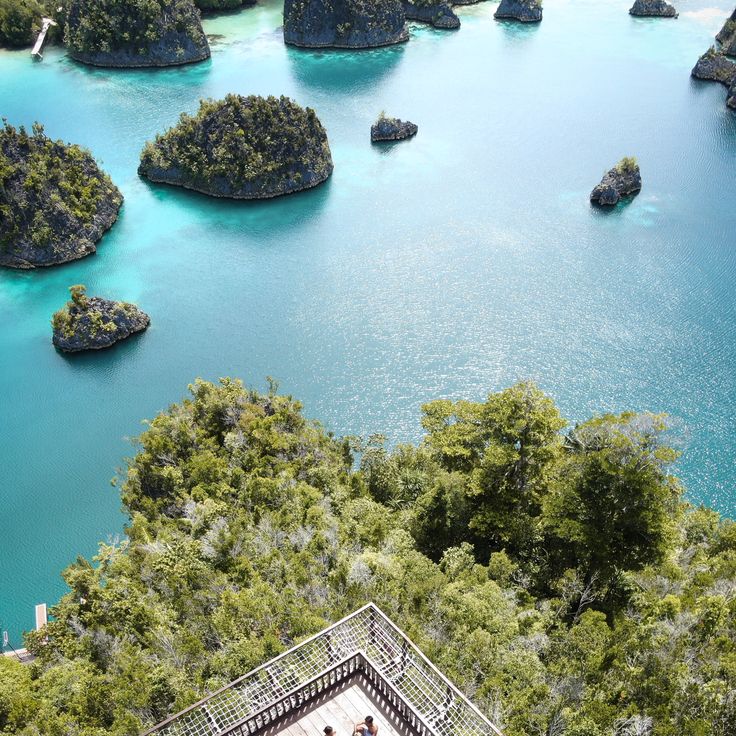
This archipelago of roughly 1500 islands off the northwest coast of New Guinea sits at the center of the Coral Triangle and supports over 550 documented coral species and approximately 1400 fish species in the waters of the Banda Sea. The Raja Ampat islands rank among the most biodiverse marine ecosystems on Earth, offering divers access to underwater rock formations, walls and shallow reefs frequented by schools of tropical fish, manta rays and occasional whale sharks. The main islands of Waigeo, Batanta, Salawati and Misool feature forested slopes and limestone cliffs, while smaller atolls barely rise above the waterline.
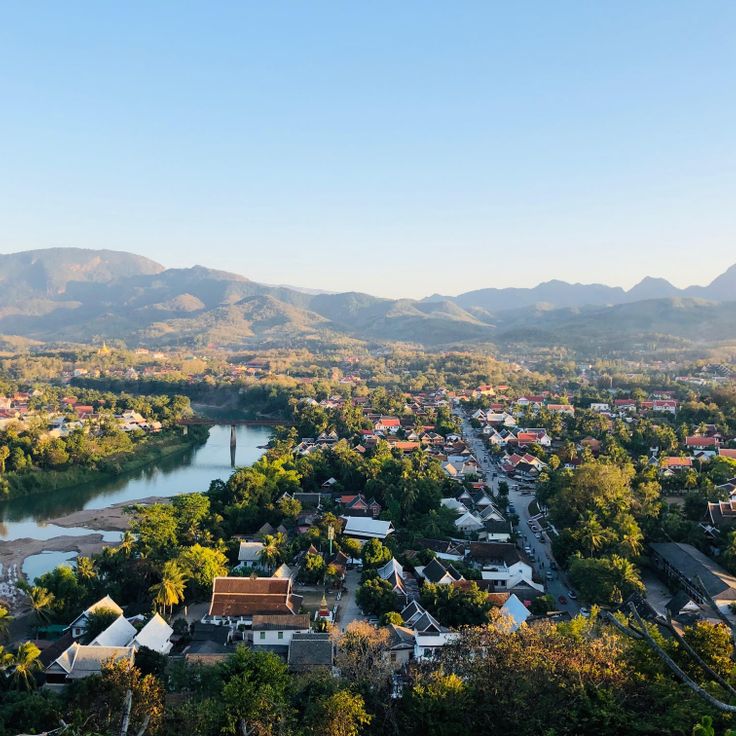
This former royal capital in northern Laos preserves 33 temples and Buddhist monasteries alongside 19th-century French colonial buildings. Luang Prabang sits at the confluence of the Mekong and Nam Khan rivers and displays the religious architecture of the region as well as the historical connection between Buddhist tradition and European influence in Southeast Asia.
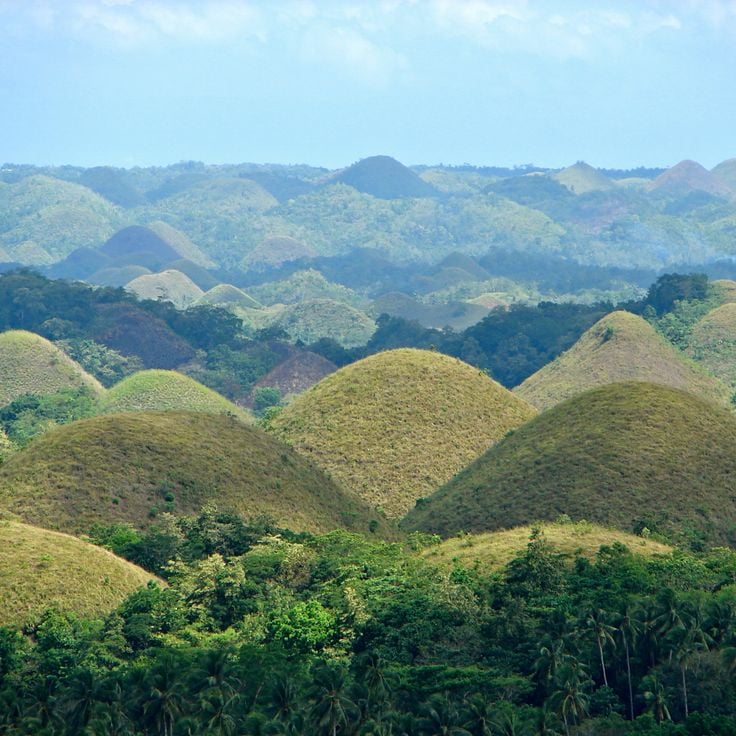
These limestone hills on Bohol rank among the most distinctive geological formations in the Philippine archipelago. The approximately 1,776 individual mounds spread across roughly 20 square miles (50 square kilometers) and reach heights between 100 and 400 feet (30 to 120 meters). During the dry season from February through May, the vegetation turns brown and gives the hills their characteristic appearance. Several viewing platforms provide views across the cone-shaped formations, which scientists attribute to the uplift of coral reefs followed by erosion.
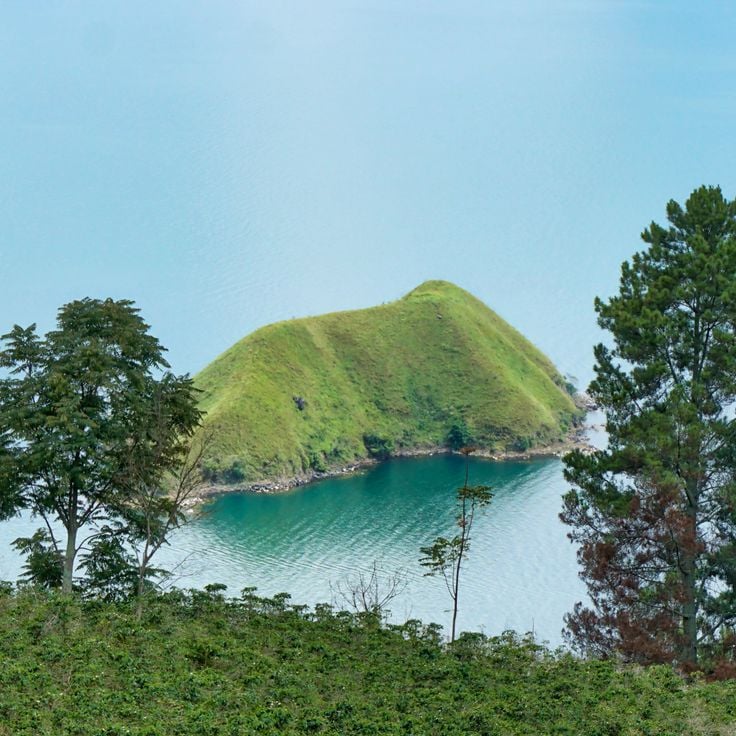
Lake Toba formed 74,000 years ago during a supervolcanic eruption and stretches 62 miles (100 kilometers) across the Indonesian island of Sumatra. This crater lake sits at 3,000 feet (900 meters) elevation and ranks among the largest volcanic lakes worldwide. At its center rises Samosir Island, nearly the size of Singapore, where Batak culture has shaped local villages and traditions.
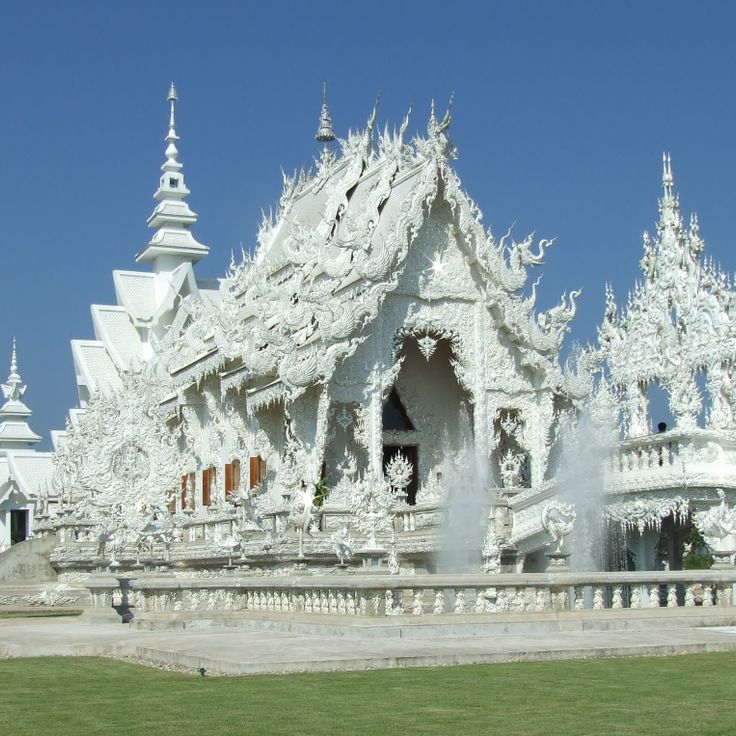
This Buddhist temple was designed in 1997 by Thai artist Chalermchai Kositpipat and combines traditional religious architecture with contemporary art. The white facades are covered with glass mosaics that reflect sunlight, while interior and exterior walls display modern imagery including figures from popular culture and cinema. The structure ranks among the cultural attractions of northern Thailand and draws visitors interested in the fusion of Buddhist symbolism and modern artistic expression. The compound includes several buildings and sculptures that form part of the architect's ongoing creative project.
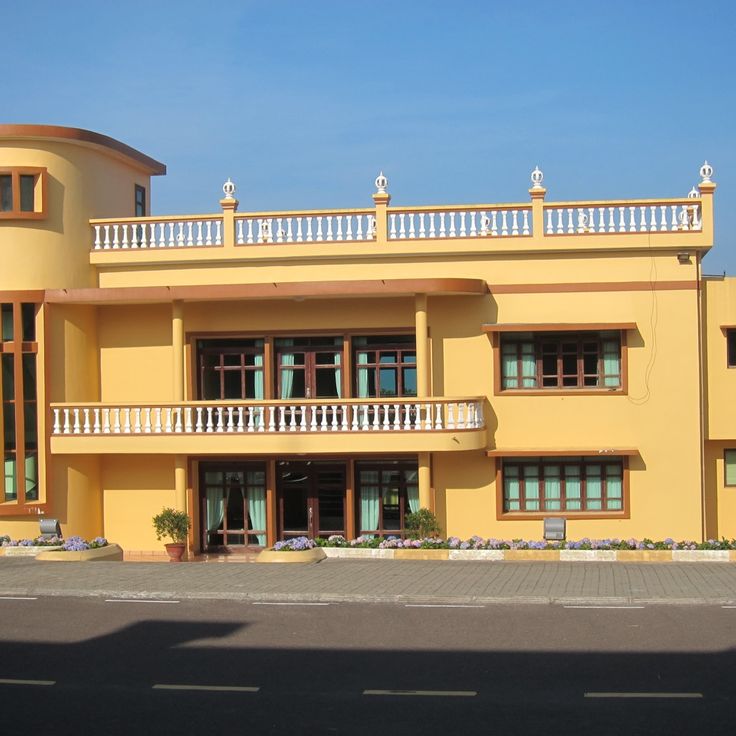
This former French colonial hill station from the 1920s sits at an elevation of 3,280 feet (1,000 meters) and features abandoned structures including a hotel, a casino and a Catholic church that provide insight into the region's colonial architecture and history.
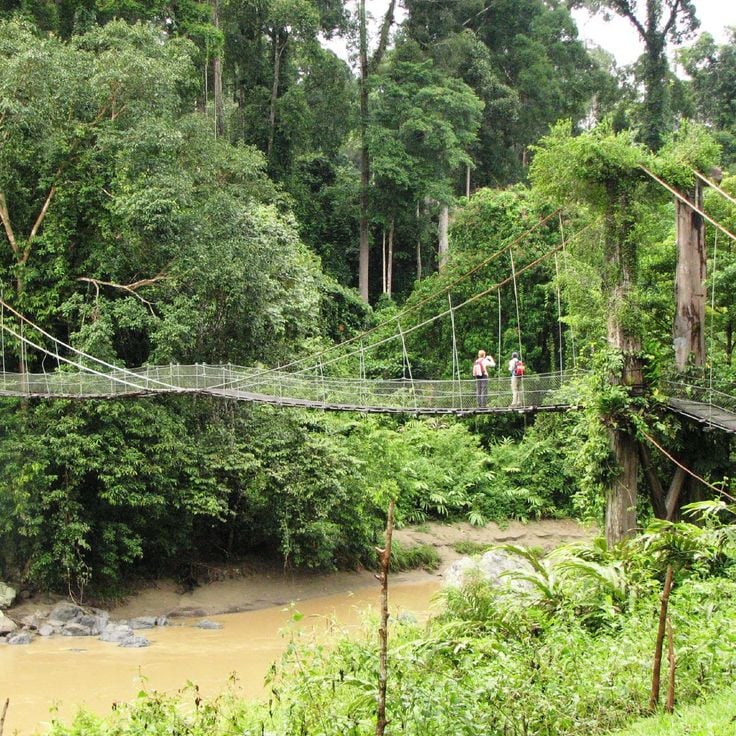
The Danum conservation area in Sabah protects one of Southeast Asia's remaining primary lowland rainforests, spanning 170 square miles (438 square kilometers) and sheltering more than 200 tree species, orangutans, Bornean pygmy elephants and several endemic bird species. This reserve functions as a research station and allows visitors to observe the intact rainforest vegetation and wildlife along established trails.
This national park contains a cave system extending over 78 miles (126 kilometers), featuring geological formations that date back approximately 400 million years. Son Doong Cave reaches roughly 3 miles (5 kilometers) in length and rises to 650 feet (200 meters) at its highest points, making it one of the largest caves in the world.
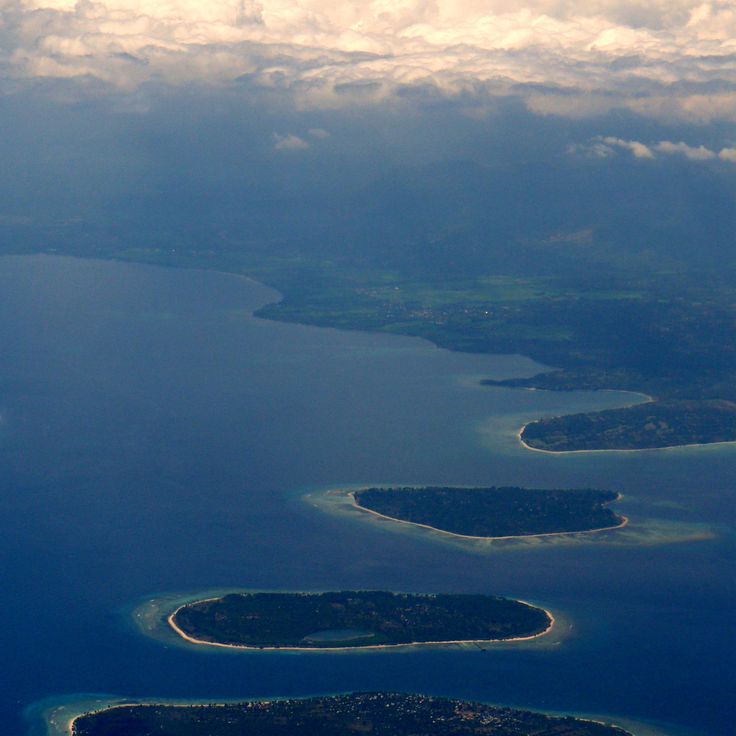
These three small islands off Lombok feature white sand beaches, clear water and intact coral reefs populated by sea turtles and tropical fish. The islands maintain a ban on motorized vehicles, allowing visitors to explore on foot, by bicycle or via horse-drawn cart. Diving and snorkeling sites reveal sea turtles, reef sharks and schools of fish at depths ranging from 15 to 65 feet (5 to 20 meters). The three islands span approximately 6 square miles (15 square kilometers) and sit 15 to 45 minutes by speedboat from Lombok depending on the island.
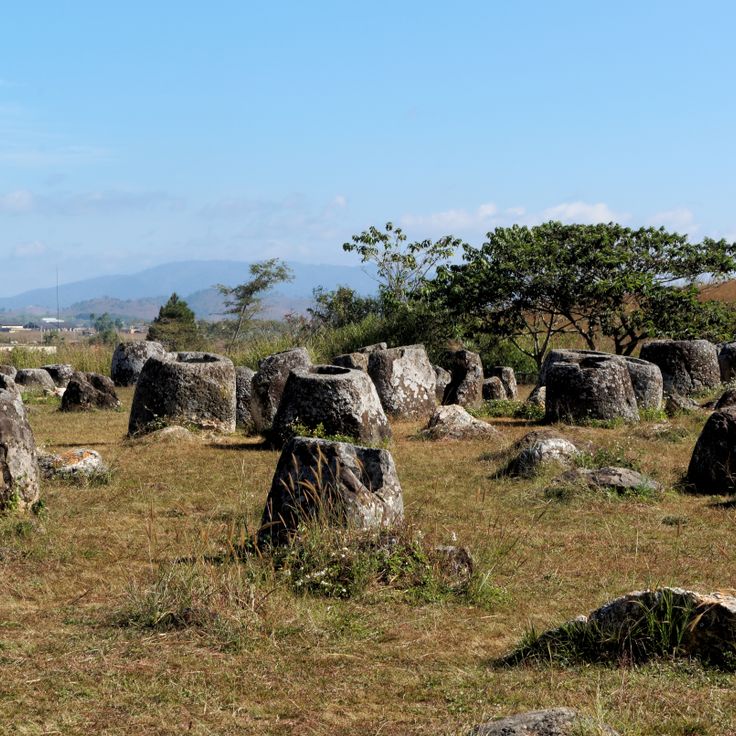
This archaeological site in the mountains of central Laos contains over 2000 prehistoric stone vessels distributed across multiple locations. The jars reach up to 10 feet (3 meters) in diameter and were carved from sandstone between approximately 500 BC and 500 AD. Their original purpose remains unclear, though burial practices represent the most probable explanation. The Plain of Jars received UNESCO World Heritage status in 2019 and complements Southeast Asia's cultural heritage sites such as the temples of Luang Prabang and the region's geological formations.
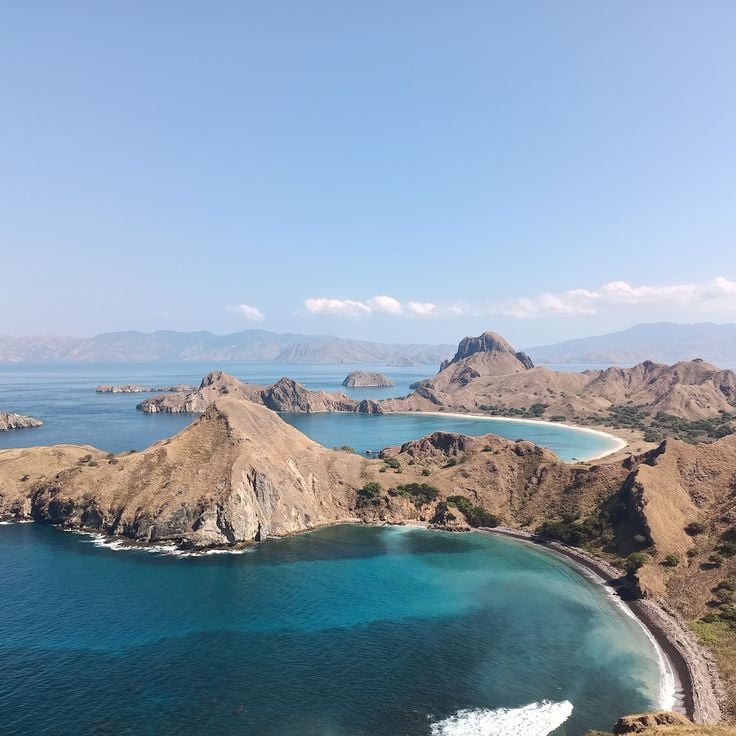
This national park spans 29 islands across the Lesser Sunda archipelago and protects the last remaining wild Komodo dragons. The waters support populations of sea turtles and manta rays, while the terrain features dry savanna and scattered palms. The dragon population numbers around 3,000 individuals, which can reach up to 10 feet (3 meters) in length. Visitors explore the islands on guided treks with trained rangers who ensure safety protocols.
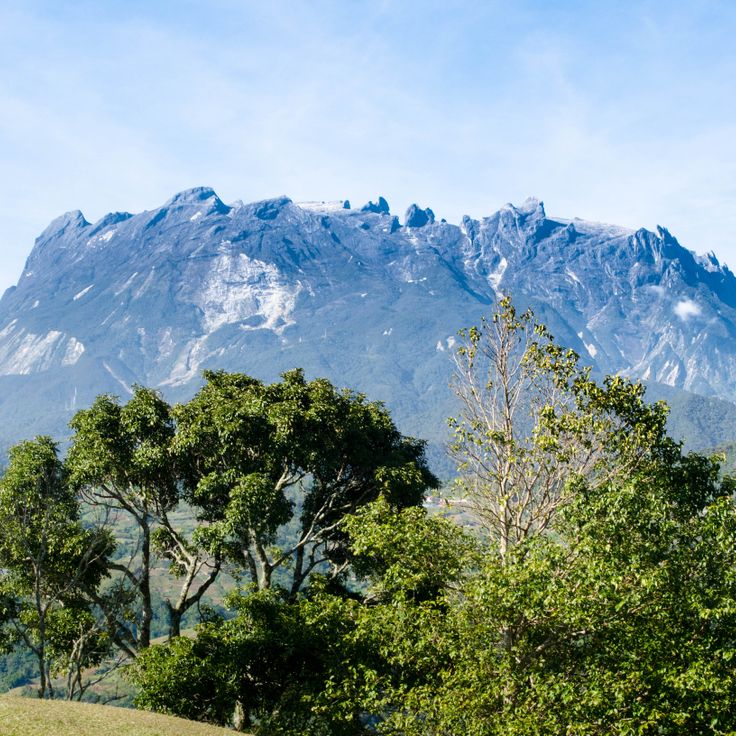
This mountain in Sabah reaches an elevation of 13,435 feet (4,095 meters) and supports over 5,000 plant species and 326 bird species. The summit of Mount Kinabalu extends into the cloud zone and forms a significant part of Southeast Asia's natural diversity, which this collection of the region's geological formations and cultural sites documents.
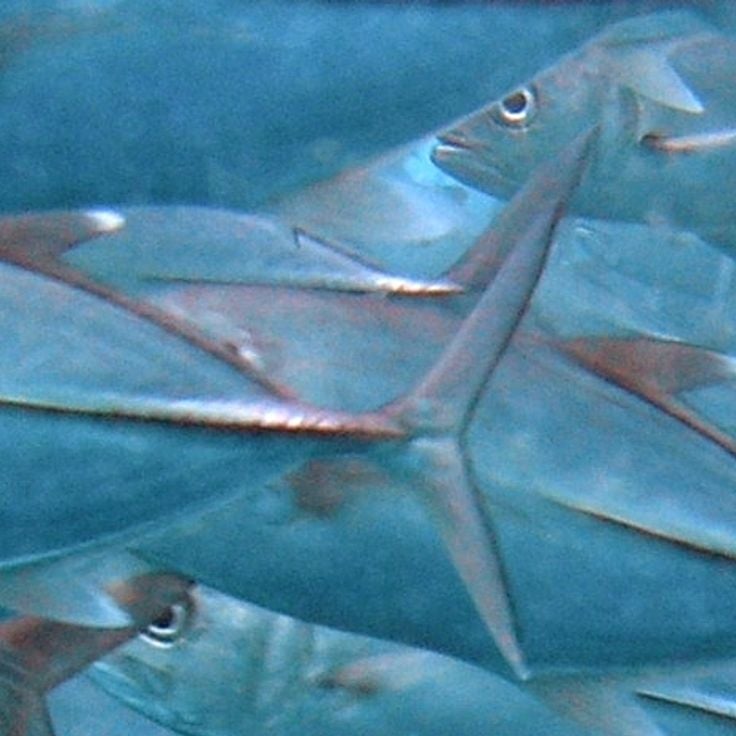
This volcanic island in the Celebes Sea rises from a depth of about 2,000 feet (600 meters) and is surrounded by a coral reef. The protected marine area shelters sea turtles, barracudas and several species of sharks. The island ranks among the most significant dive sites in Asia and attracts divers who come to experience the steep reef walls and diverse underwater fauna.
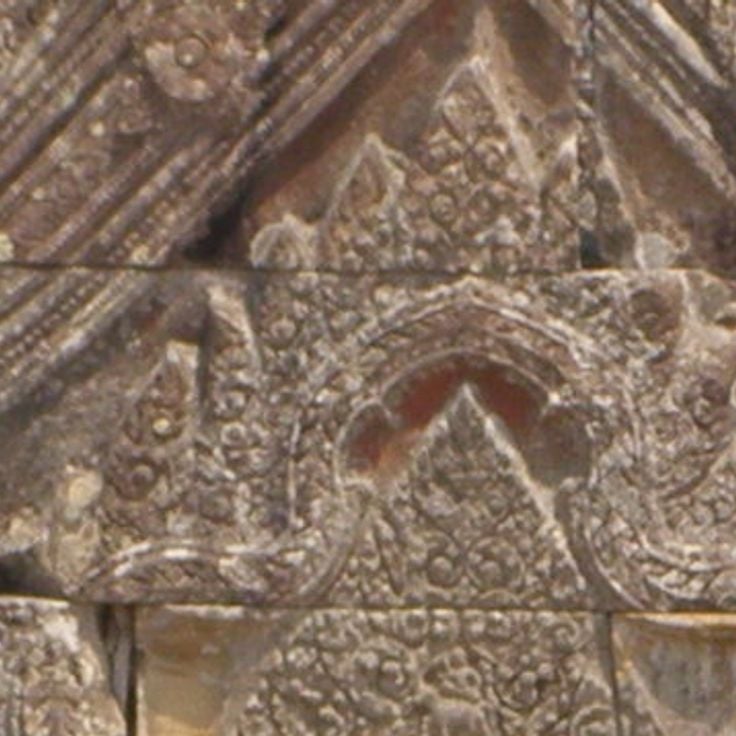
This 9th-century Hindu temple complex sits on a 1,720-foot (525-meter) plateau in the Dangrek Mountains along the Thai border. The Temple of Preah Vihear represents one of the most significant examples of Khmer architecture in Southeast Asia, constructed from local sandstone. The site extends 2,600 feet (800 meters) along the mountain ridge and includes several processional walkways, pavilions and sanctuaries. The temple was originally dedicated to the Hindu god Shiva and developed between the 9th and 12th centuries.
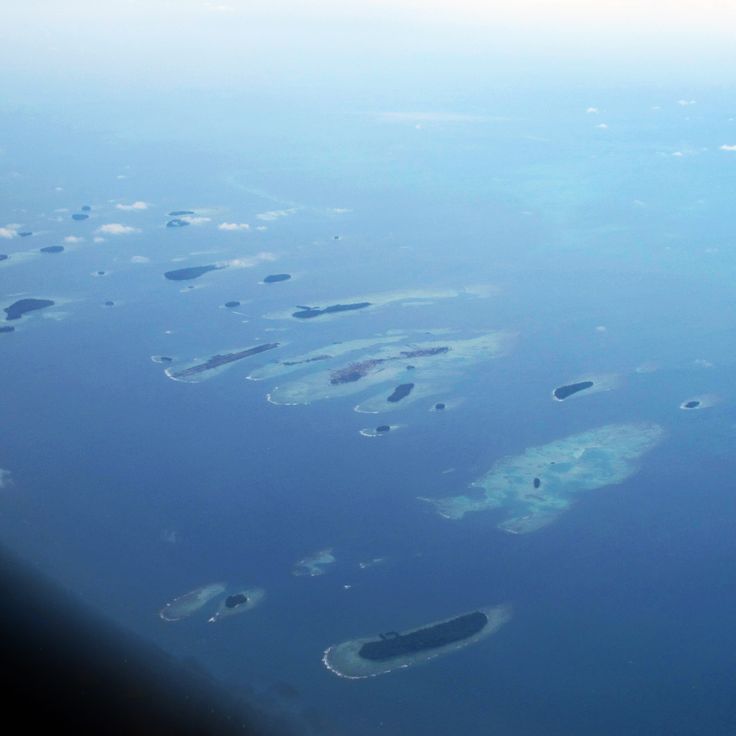
This archipelago spreads 110 islands across the Java Sea and ranks among the accessible natural destinations near Jakarta. The coral reefs provide diving opportunities and several islands preserve Dutch colonial buildings from the 17th century. The marine reserve includes mangrove forests and seagrass beds that support local fish populations. Regular boat services connect the mainland to inhabited islands, while more remote areas require private charter boats.
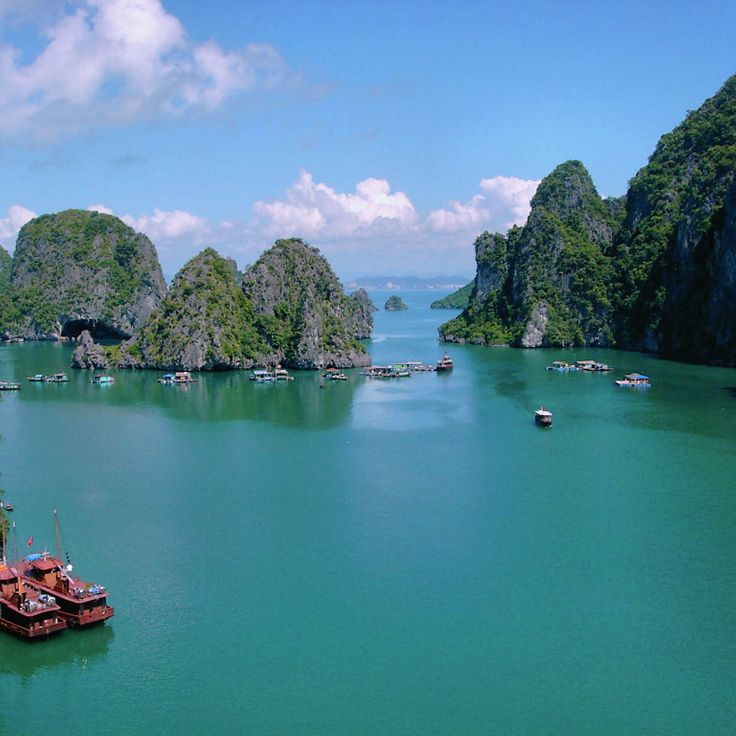
This bay covers 600 square miles (1,553 square kilometers) in the Gulf of Tonkin and contains 1,969 limestone islands. The rock formations rise up to 330 feet (100 meters) from the water, creating a maze of towers, caves and grottoes. The area was shaped by tectonic activity and erosion over the past 500 million years. Most islands remain uninhabited and covered with dense vegetation. Fishermen have used the sheltered waters between the rock formations since the 13th century.
This Indonesian island sits between Sumatra and Borneo, featuring white sand beaches framed by large granite boulders. The coastal waters are clear and suitable for swimming and snorkeling. The interior contains rubber plantations and some mined tin areas. The beaches attract visitors seeking quiet coastal stretches and island exploration.
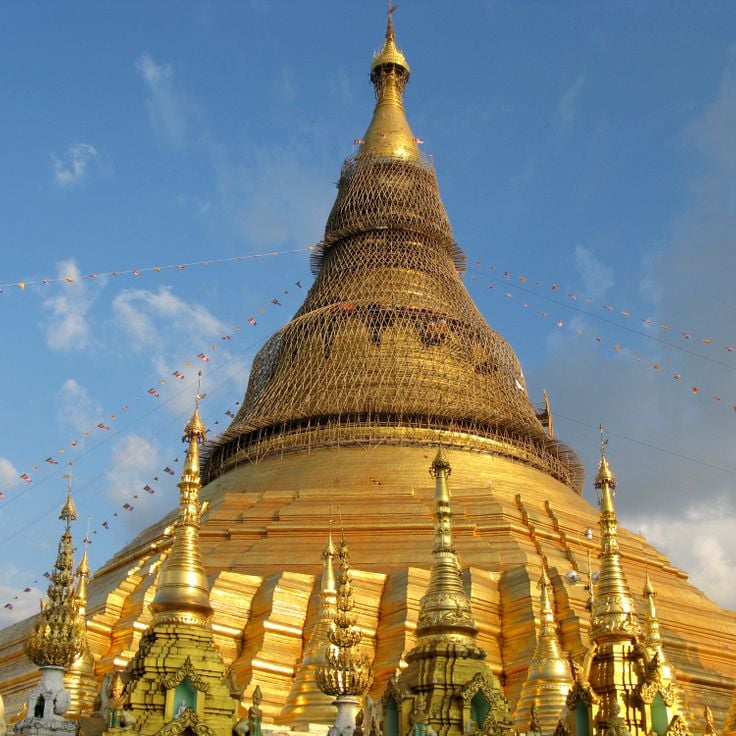
This Buddhist pagoda rises 325 feet (99 meters) and is covered in gold leaf. The complex contains shrines, statues and religious objects dating back several centuries. As a central site of Theravada Buddhism in Myanmar, it draws pilgrims and visitors who explore the golden stupa and surrounding prayer halls.
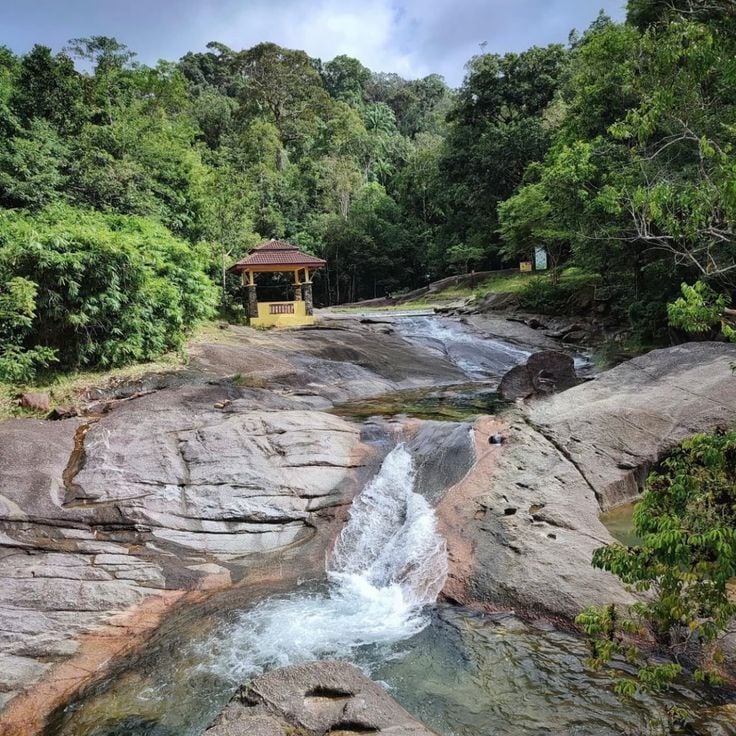
These waterfalls are located on Langkawi and form seven natural pools along a forest trail through the rainforest. Water flows over multiple rock ledges, creating pools suitable for swimming. The climb to the upper levels takes approximately 20 minutes and passes through dense tropical forest with ferns and native trees.
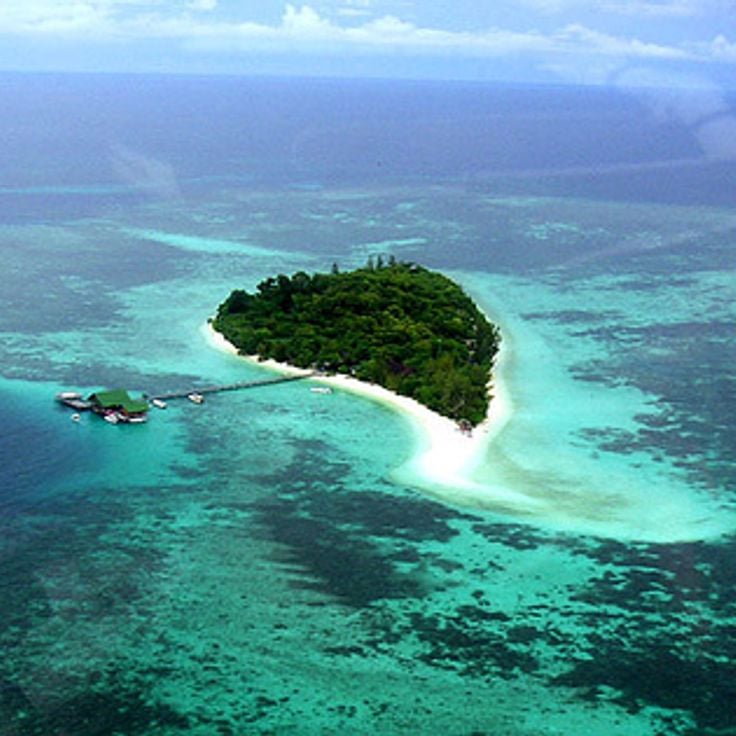
Lankayan Island sits in the Sulu Sea and measures a few hundred yards across. White sand forms the beach of this small coral island surrounded by reefs. Dive sites in the area offer encounters with sea turtles, reef sharks and various tropical fish species. Waters reach depths of 50 to 100 feet (15 to 30 meters). Overnight stays are possible at a resort with about 30 bungalows.
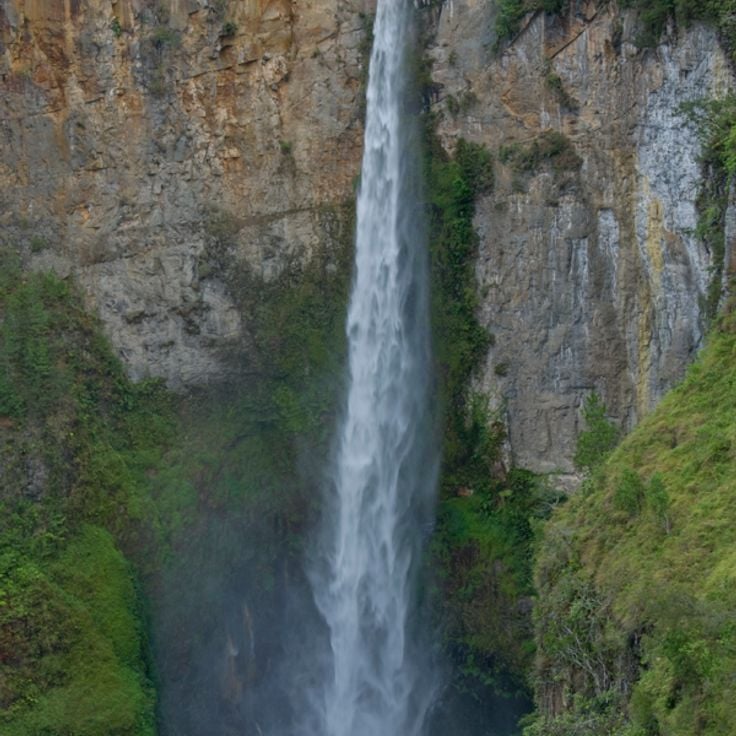
This waterfall in the Karo highlands plunges 400 feet (120 meters) from an underground source into the basin of Lake Toba. The Sipisopiso cascade emerges from the volcanic plateau above the caldera and forms a single vertical stream that falls against the green rock face before reaching the northern shore of the lake.
Lake Nong Han contains millions of pink water lilies that bloom between December and February, creating an extensive natural pink carpet across the water. These aquatic plants transform the lake surface into a continuous pink expanse during the cooler months of the year. The phenomenon draws visitors who can take boats onto the lake in early morning hours when the flowers are open.
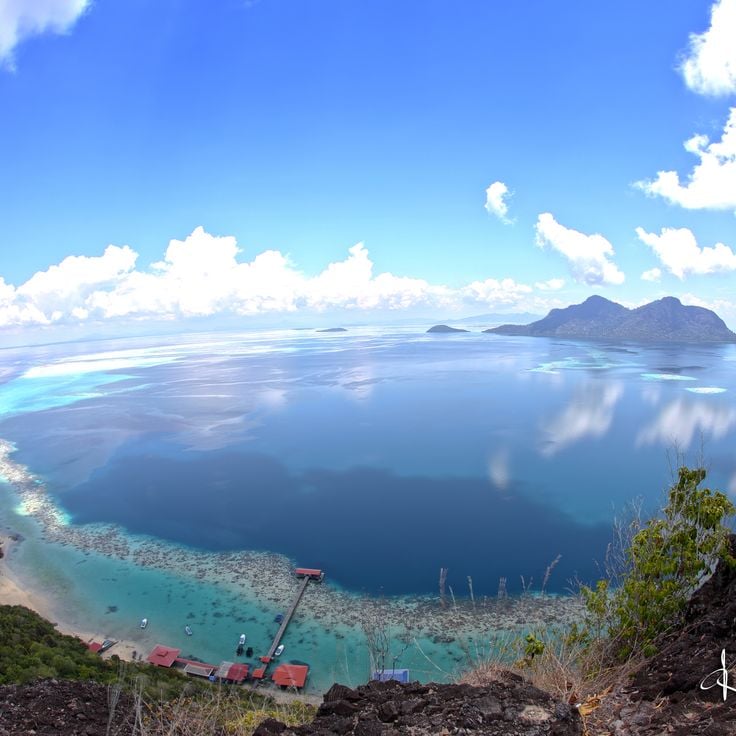
This island features an extinct volcanic crater within Tun Sakaran Marine Park. The summit reaches 1,158 feet (353 meters) and provides views over surrounding coral reefs and Sabah's waters. Bohey Dulang ranks among the larger islands in the protected area and was formed by volcanic activity. Trails lead to the viewpoint where visitors can survey the seascape. The site is valued for its reef formations and marine biodiversity in the Celebes Sea.
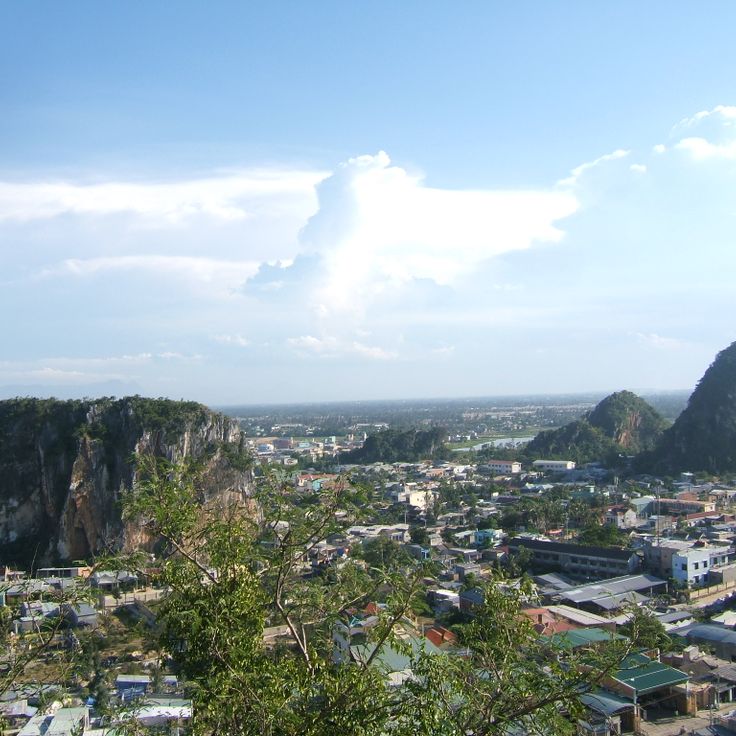
This limestone formation near Da Nang contains Buddhist shrines and prayer sites within natural caves. Stone-carved stairways lead to the summits of five individual peaks named after the five elements. The site combines geological features with religious structures from different periods and complements the natural and cultural destinations across Southeast Asia.
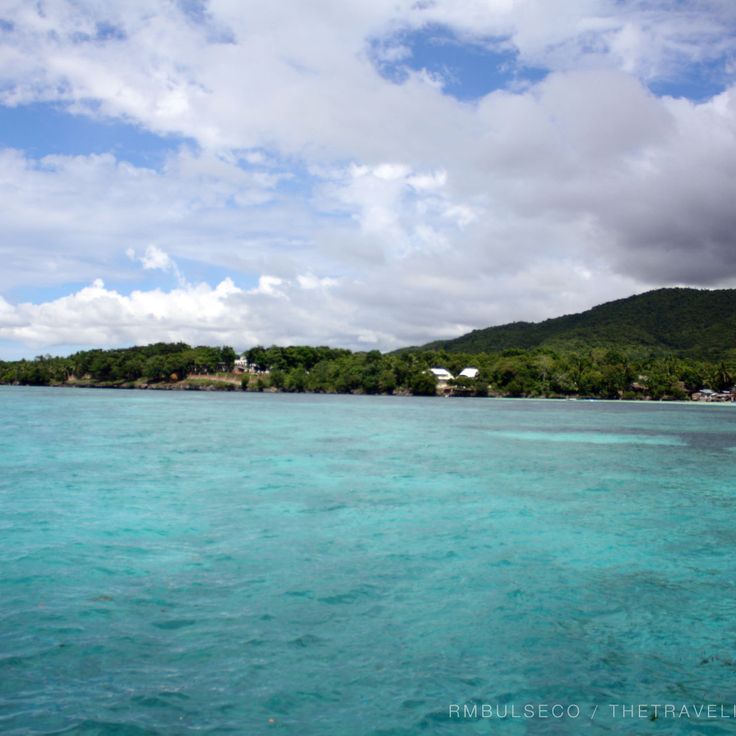
This Philippine island preserves traditional herbal healing practices and features coral reefs along its coastline and numerous caves throughout its interior, forming part of the natural and cultural destinations that characterize Southeast Asia.
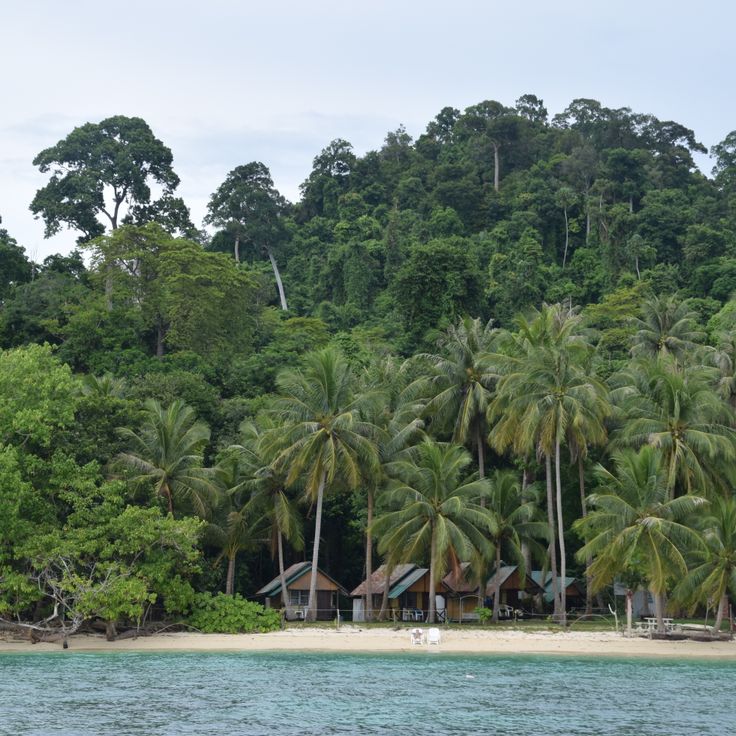
This island in the Andaman Sea features sand beaches along its eastern shore. Coral reefs sit close to the beach and are accessible for swimming and snorkeling. Accommodations concentrate along the eastern coastal section while the remainder of the island remains forested.
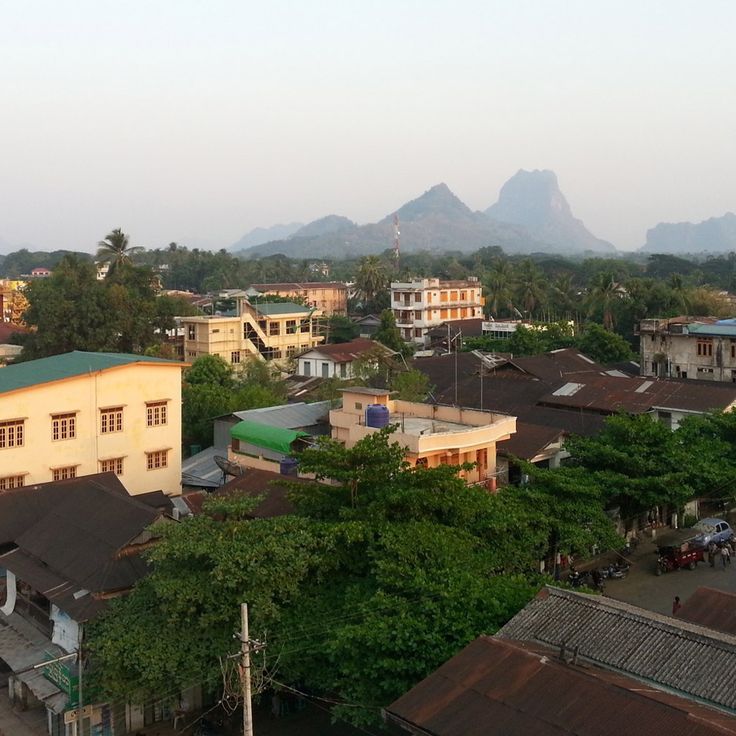
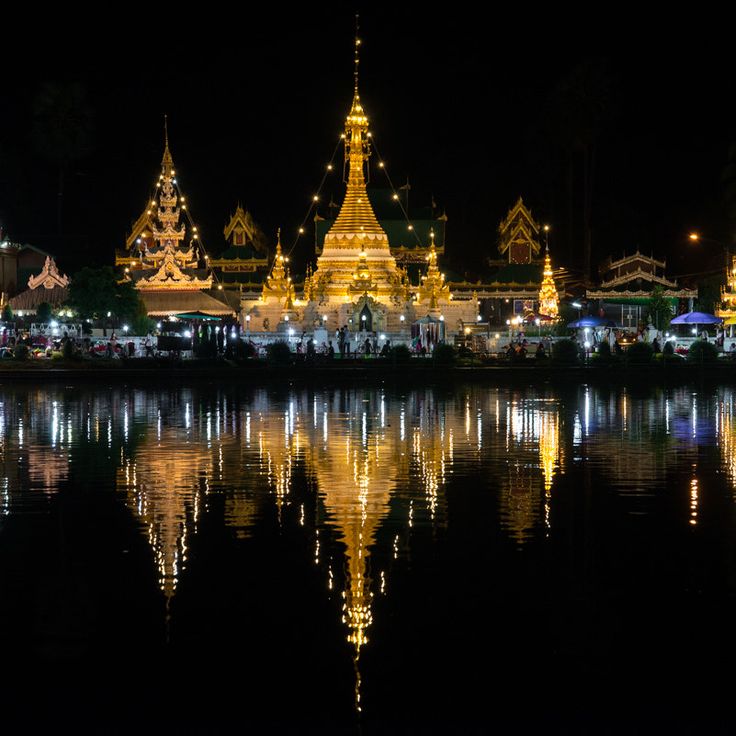
This riverside town sits between limestone mountains and rice fields, connecting natural formations with Buddhist sites. The surrounding peaks contain caves with religious shrines and temples integrated into the rock landscape. Hpa-An provides access to geological structures and cultural monuments characteristic of the Southeast Asian region.
This province near the Myanmar border contains Shan and Karen villages, terraced rice paddies and Buddhist temples across forested mountain terrain. Mae Hong Son lies in one of Thailand's least populated regions and connects to the rest of the country through winding mountain roads. The landscape is shaped by peaks of the Shan Highlands, where mist and cool temperatures are common during winter months.
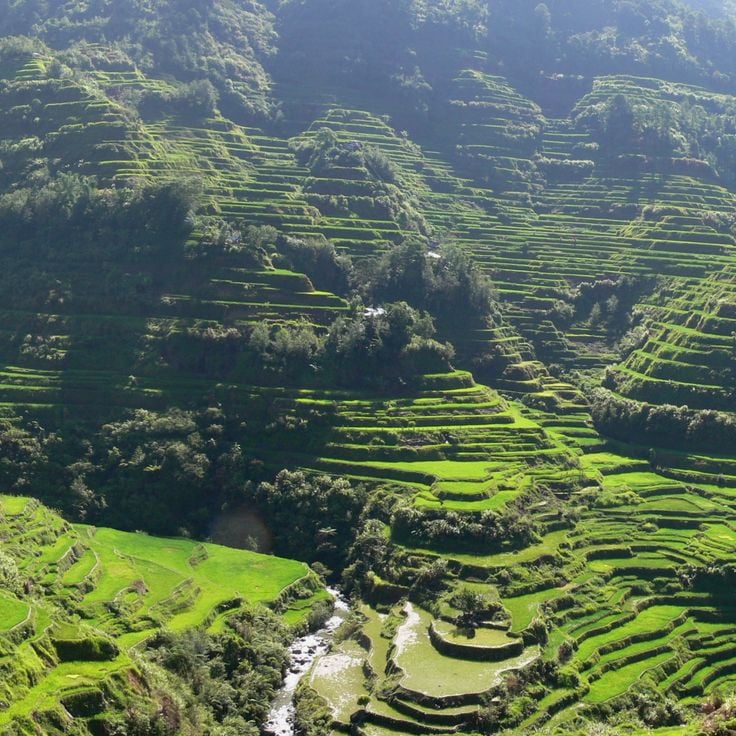
These rice terraces cover approximately 4,000 square miles (10,000 square kilometers) of mountainside across the Cordillera region and were carved by Ifugao farmers more than 2,000 years ago. The terraces follow the natural contours of the mountains and are supported by stone walls and earthen embankments that channel water from surrounding rainforests. The system demonstrates advanced ancient engineering and reflects traditional knowledge of irrigation, soil management and sustainable agriculture still practiced by local communities today.
This coastal town in the collection of Southeast Asian natural and cultural destinations sits along the Praek Tuek Chhu River and preserves French colonial buildings, extensive salt fields and black pepper plantations. Kampot combines historic architecture with agricultural production along the river that flows through the town center and supplies the surrounding farmland with water and sediment.
This archipelago of roughly 1500 islands off the northwest coast of New Guinea sits at the center of the Coral Triangle and supports over 550 documented coral species and approximately 1400 fish species in the waters of the Banda Sea. The Raja Ampat islands rank among the most biodiverse marine ecosystems on Earth, offering divers access to underwater rock formations, walls and shallow reefs frequented by schools of tropical fish, manta rays and occasional whale sharks. The main islands of Waigeo, Batanta, Salawati and Misool feature forested slopes and limestone cliffs, while smaller atolls barely rise above the waterline.
This former royal capital in northern Laos preserves 33 temples and Buddhist monasteries alongside 19th-century French colonial buildings. Luang Prabang sits at the confluence of the Mekong and Nam Khan rivers and displays the religious architecture of the region as well as the historical connection between Buddhist tradition and European influence in Southeast Asia.
These limestone hills on Bohol rank among the most distinctive geological formations in the Philippine archipelago. The approximately 1,776 individual mounds spread across roughly 20 square miles (50 square kilometers) and reach heights between 100 and 400 feet (30 to 120 meters). During the dry season from February through May, the vegetation turns brown and gives the hills their characteristic appearance. Several viewing platforms provide views across the cone-shaped formations, which scientists attribute to the uplift of coral reefs followed by erosion.
Lake Toba formed 74,000 years ago during a supervolcanic eruption and stretches 62 miles (100 kilometers) across the Indonesian island of Sumatra. This crater lake sits at 3,000 feet (900 meters) elevation and ranks among the largest volcanic lakes worldwide. At its center rises Samosir Island, nearly the size of Singapore, where Batak culture has shaped local villages and traditions.
This Buddhist temple was designed in 1997 by Thai artist Chalermchai Kositpipat and combines traditional religious architecture with contemporary art. The white facades are covered with glass mosaics that reflect sunlight, while interior and exterior walls display modern imagery including figures from popular culture and cinema. The structure ranks among the cultural attractions of northern Thailand and draws visitors interested in the fusion of Buddhist symbolism and modern artistic expression. The compound includes several buildings and sculptures that form part of the architect's ongoing creative project.
This former French colonial hill station from the 1920s sits at an elevation of 3,280 feet (1,000 meters) and features abandoned structures including a hotel, a casino and a Catholic church that provide insight into the region's colonial architecture and history.
The Danum conservation area in Sabah protects one of Southeast Asia's remaining primary lowland rainforests, spanning 170 square miles (438 square kilometers) and sheltering more than 200 tree species, orangutans, Bornean pygmy elephants and several endemic bird species. This reserve functions as a research station and allows visitors to observe the intact rainforest vegetation and wildlife along established trails.
This national park contains a cave system extending over 78 miles (126 kilometers), featuring geological formations that date back approximately 400 million years. Son Doong Cave reaches roughly 3 miles (5 kilometers) in length and rises to 650 feet (200 meters) at its highest points, making it one of the largest caves in the world.
These three small islands off Lombok feature white sand beaches, clear water and intact coral reefs populated by sea turtles and tropical fish. The islands maintain a ban on motorized vehicles, allowing visitors to explore on foot, by bicycle or via horse-drawn cart. Diving and snorkeling sites reveal sea turtles, reef sharks and schools of fish at depths ranging from 15 to 65 feet (5 to 20 meters). The three islands span approximately 6 square miles (15 square kilometers) and sit 15 to 45 minutes by speedboat from Lombok depending on the island.
This archaeological site in the mountains of central Laos contains over 2000 prehistoric stone vessels distributed across multiple locations. The jars reach up to 10 feet (3 meters) in diameter and were carved from sandstone between approximately 500 BC and 500 AD. Their original purpose remains unclear, though burial practices represent the most probable explanation. The Plain of Jars received UNESCO World Heritage status in 2019 and complements Southeast Asia's cultural heritage sites such as the temples of Luang Prabang and the region's geological formations.
This national park spans 29 islands across the Lesser Sunda archipelago and protects the last remaining wild Komodo dragons. The waters support populations of sea turtles and manta rays, while the terrain features dry savanna and scattered palms. The dragon population numbers around 3,000 individuals, which can reach up to 10 feet (3 meters) in length. Visitors explore the islands on guided treks with trained rangers who ensure safety protocols.
This mountain in Sabah reaches an elevation of 13,435 feet (4,095 meters) and supports over 5,000 plant species and 326 bird species. The summit of Mount Kinabalu extends into the cloud zone and forms a significant part of Southeast Asia's natural diversity, which this collection of the region's geological formations and cultural sites documents.
This volcanic island in the Celebes Sea rises from a depth of about 2,000 feet (600 meters) and is surrounded by a coral reef. The protected marine area shelters sea turtles, barracudas and several species of sharks. The island ranks among the most significant dive sites in Asia and attracts divers who come to experience the steep reef walls and diverse underwater fauna.
This 9th-century Hindu temple complex sits on a 1,720-foot (525-meter) plateau in the Dangrek Mountains along the Thai border. The Temple of Preah Vihear represents one of the most significant examples of Khmer architecture in Southeast Asia, constructed from local sandstone. The site extends 2,600 feet (800 meters) along the mountain ridge and includes several processional walkways, pavilions and sanctuaries. The temple was originally dedicated to the Hindu god Shiva and developed between the 9th and 12th centuries.
This archipelago spreads 110 islands across the Java Sea and ranks among the accessible natural destinations near Jakarta. The coral reefs provide diving opportunities and several islands preserve Dutch colonial buildings from the 17th century. The marine reserve includes mangrove forests and seagrass beds that support local fish populations. Regular boat services connect the mainland to inhabited islands, while more remote areas require private charter boats.
This bay covers 600 square miles (1,553 square kilometers) in the Gulf of Tonkin and contains 1,969 limestone islands. The rock formations rise up to 330 feet (100 meters) from the water, creating a maze of towers, caves and grottoes. The area was shaped by tectonic activity and erosion over the past 500 million years. Most islands remain uninhabited and covered with dense vegetation. Fishermen have used the sheltered waters between the rock formations since the 13th century.
This Indonesian island sits between Sumatra and Borneo, featuring white sand beaches framed by large granite boulders. The coastal waters are clear and suitable for swimming and snorkeling. The interior contains rubber plantations and some mined tin areas. The beaches attract visitors seeking quiet coastal stretches and island exploration.
This Buddhist pagoda rises 325 feet (99 meters) and is covered in gold leaf. The complex contains shrines, statues and religious objects dating back several centuries. As a central site of Theravada Buddhism in Myanmar, it draws pilgrims and visitors who explore the golden stupa and surrounding prayer halls.
These waterfalls are located on Langkawi and form seven natural pools along a forest trail through the rainforest. Water flows over multiple rock ledges, creating pools suitable for swimming. The climb to the upper levels takes approximately 20 minutes and passes through dense tropical forest with ferns and native trees.
Lankayan Island sits in the Sulu Sea and measures a few hundred yards across. White sand forms the beach of this small coral island surrounded by reefs. Dive sites in the area offer encounters with sea turtles, reef sharks and various tropical fish species. Waters reach depths of 50 to 100 feet (15 to 30 meters). Overnight stays are possible at a resort with about 30 bungalows.
This waterfall in the Karo highlands plunges 400 feet (120 meters) from an underground source into the basin of Lake Toba. The Sipisopiso cascade emerges from the volcanic plateau above the caldera and forms a single vertical stream that falls against the green rock face before reaching the northern shore of the lake.
Lake Nong Han contains millions of pink water lilies that bloom between December and February, creating an extensive natural pink carpet across the water. These aquatic plants transform the lake surface into a continuous pink expanse during the cooler months of the year. The phenomenon draws visitors who can take boats onto the lake in early morning hours when the flowers are open.
This island features an extinct volcanic crater within Tun Sakaran Marine Park. The summit reaches 1,158 feet (353 meters) and provides views over surrounding coral reefs and Sabah's waters. Bohey Dulang ranks among the larger islands in the protected area and was formed by volcanic activity. Trails lead to the viewpoint where visitors can survey the seascape. The site is valued for its reef formations and marine biodiversity in the Celebes Sea.
This limestone formation near Da Nang contains Buddhist shrines and prayer sites within natural caves. Stone-carved stairways lead to the summits of five individual peaks named after the five elements. The site combines geological features with religious structures from different periods and complements the natural and cultural destinations across Southeast Asia.
This Philippine island preserves traditional herbal healing practices and features coral reefs along its coastline and numerous caves throughout its interior, forming part of the natural and cultural destinations that characterize Southeast Asia.
This island in the Andaman Sea features sand beaches along its eastern shore. Coral reefs sit close to the beach and are accessible for swimming and snorkeling. Accommodations concentrate along the eastern coastal section while the remainder of the island remains forested.
This riverside town sits between limestone mountains and rice fields, connecting natural formations with Buddhist sites. The surrounding peaks contain caves with religious shrines and temples integrated into the rock landscape. Hpa-An provides access to geological structures and cultural monuments characteristic of the Southeast Asian region.
This province near the Myanmar border contains Shan and Karen villages, terraced rice paddies and Buddhist temples across forested mountain terrain. Mae Hong Son lies in one of Thailand's least populated regions and connects to the rest of the country through winding mountain roads. The landscape is shaped by peaks of the Shan Highlands, where mist and cool temperatures are common during winter months.
These rice terraces cover approximately 4,000 square miles (10,000 square kilometers) of mountainside across the Cordillera region and were carved by Ifugao farmers more than 2,000 years ago. The terraces follow the natural contours of the mountains and are supported by stone walls and earthen embankments that channel water from surrounding rainforests. The system demonstrates advanced ancient engineering and reflects traditional knowledge of irrigation, soil management and sustainable agriculture still practiced by local communities today.
This coastal town in the collection of Southeast Asian natural and cultural destinations sits along the Praek Tuek Chhu River and preserves French colonial buildings, extensive salt fields and black pepper plantations. Kampot combines historic architecture with agricultural production along the river that flows through the town center and supplies the surrounding farmland with water and sediment.
This archipelago of roughly 1500 islands off the northwest coast of New Guinea sits at the center of the Coral Triangle and supports over 550 documented coral species and approximately 1400 fish species in the waters of the Banda Sea. The Raja Ampat islands rank among the most biodiverse marine ecosystems on Earth, offering divers access to underwater rock formations, walls and shallow reefs frequented by schools of tropical fish, manta rays and occasional whale sharks. The main islands of Waigeo, Batanta, Salawati and Misool feature forested slopes and limestone cliffs, while smaller atolls barely rise above the waterline.
This former royal capital in northern Laos preserves 33 temples and Buddhist monasteries alongside 19th-century French colonial buildings. Luang Prabang sits at the confluence of the Mekong and Nam Khan rivers and displays the religious architecture of the region as well as the historical connection between Buddhist tradition and European influence in Southeast Asia.
These limestone hills on Bohol rank among the most distinctive geological formations in the Philippine archipelago. The approximately 1,776 individual mounds spread across roughly 20 square miles (50 square kilometers) and reach heights between 100 and 400 feet (30 to 120 meters). During the dry season from February through May, the vegetation turns brown and gives the hills their characteristic appearance. Several viewing platforms provide views across the cone-shaped formations, which scientists attribute to the uplift of coral reefs followed by erosion.
Lake Toba formed 74,000 years ago during a supervolcanic eruption and stretches 62 miles (100 kilometers) across the Indonesian island of Sumatra. This crater lake sits at 3,000 feet (900 meters) elevation and ranks among the largest volcanic lakes worldwide. At its center rises Samosir Island, nearly the size of Singapore, where Batak culture has shaped local villages and traditions.
This Buddhist temple was designed in 1997 by Thai artist Chalermchai Kositpipat and combines traditional religious architecture with contemporary art. The white facades are covered with glass mosaics that reflect sunlight, while interior and exterior walls display modern imagery including figures from popular culture and cinema. The structure ranks among the cultural attractions of northern Thailand and draws visitors interested in the fusion of Buddhist symbolism and modern artistic expression. The compound includes several buildings and sculptures that form part of the architect's ongoing creative project.
This former French colonial hill station from the 1920s sits at an elevation of 3,280 feet (1,000 meters) and features abandoned structures including a hotel, a casino and a Catholic church that provide insight into the region's colonial architecture and history.
The Danum conservation area in Sabah protects one of Southeast Asia's remaining primary lowland rainforests, spanning 170 square miles (438 square kilometers) and sheltering more than 200 tree species, orangutans, Bornean pygmy elephants and several endemic bird species. This reserve functions as a research station and allows visitors to observe the intact rainforest vegetation and wildlife along established trails.
This national park contains a cave system extending over 78 miles (126 kilometers), featuring geological formations that date back approximately 400 million years. Son Doong Cave reaches roughly 3 miles (5 kilometers) in length and rises to 650 feet (200 meters) at its highest points, making it one of the largest caves in the world.
These three small islands off Lombok feature white sand beaches, clear water and intact coral reefs populated by sea turtles and tropical fish. The islands maintain a ban on motorized vehicles, allowing visitors to explore on foot, by bicycle or via horse-drawn cart. Diving and snorkeling sites reveal sea turtles, reef sharks and schools of fish at depths ranging from 15 to 65 feet (5 to 20 meters). The three islands span approximately 6 square miles (15 square kilometers) and sit 15 to 45 minutes by speedboat from Lombok depending on the island.
This archaeological site in the mountains of central Laos contains over 2000 prehistoric stone vessels distributed across multiple locations. The jars reach up to 10 feet (3 meters) in diameter and were carved from sandstone between approximately 500 BC and 500 AD. Their original purpose remains unclear, though burial practices represent the most probable explanation. The Plain of Jars received UNESCO World Heritage status in 2019 and complements Southeast Asia's cultural heritage sites such as the temples of Luang Prabang and the region's geological formations.
This national park spans 29 islands across the Lesser Sunda archipelago and protects the last remaining wild Komodo dragons. The waters support populations of sea turtles and manta rays, while the terrain features dry savanna and scattered palms. The dragon population numbers around 3,000 individuals, which can reach up to 10 feet (3 meters) in length. Visitors explore the islands on guided treks with trained rangers who ensure safety protocols.
This mountain in Sabah reaches an elevation of 13,435 feet (4,095 meters) and supports over 5,000 plant species and 326 bird species. The summit of Mount Kinabalu extends into the cloud zone and forms a significant part of Southeast Asia's natural diversity, which this collection of the region's geological formations and cultural sites documents.
This volcanic island in the Celebes Sea rises from a depth of about 2,000 feet (600 meters) and is surrounded by a coral reef. The protected marine area shelters sea turtles, barracudas and several species of sharks. The island ranks among the most significant dive sites in Asia and attracts divers who come to experience the steep reef walls and diverse underwater fauna.
This 9th-century Hindu temple complex sits on a 1,720-foot (525-meter) plateau in the Dangrek Mountains along the Thai border. The Temple of Preah Vihear represents one of the most significant examples of Khmer architecture in Southeast Asia, constructed from local sandstone. The site extends 2,600 feet (800 meters) along the mountain ridge and includes several processional walkways, pavilions and sanctuaries. The temple was originally dedicated to the Hindu god Shiva and developed between the 9th and 12th centuries.
This archipelago spreads 110 islands across the Java Sea and ranks among the accessible natural destinations near Jakarta. The coral reefs provide diving opportunities and several islands preserve Dutch colonial buildings from the 17th century. The marine reserve includes mangrove forests and seagrass beds that support local fish populations. Regular boat services connect the mainland to inhabited islands, while more remote areas require private charter boats.
This bay covers 600 square miles (1,553 square kilometers) in the Gulf of Tonkin and contains 1,969 limestone islands. The rock formations rise up to 330 feet (100 meters) from the water, creating a maze of towers, caves and grottoes. The area was shaped by tectonic activity and erosion over the past 500 million years. Most islands remain uninhabited and covered with dense vegetation. Fishermen have used the sheltered waters between the rock formations since the 13th century.
This Indonesian island sits between Sumatra and Borneo, featuring white sand beaches framed by large granite boulders. The coastal waters are clear and suitable for swimming and snorkeling. The interior contains rubber plantations and some mined tin areas. The beaches attract visitors seeking quiet coastal stretches and island exploration.
This Buddhist pagoda rises 325 feet (99 meters) and is covered in gold leaf. The complex contains shrines, statues and religious objects dating back several centuries. As a central site of Theravada Buddhism in Myanmar, it draws pilgrims and visitors who explore the golden stupa and surrounding prayer halls.
These waterfalls are located on Langkawi and form seven natural pools along a forest trail through the rainforest. Water flows over multiple rock ledges, creating pools suitable for swimming. The climb to the upper levels takes approximately 20 minutes and passes through dense tropical forest with ferns and native trees.
Lankayan Island sits in the Sulu Sea and measures a few hundred yards across. White sand forms the beach of this small coral island surrounded by reefs. Dive sites in the area offer encounters with sea turtles, reef sharks and various tropical fish species. Waters reach depths of 50 to 100 feet (15 to 30 meters). Overnight stays are possible at a resort with about 30 bungalows.
This waterfall in the Karo highlands plunges 400 feet (120 meters) from an underground source into the basin of Lake Toba. The Sipisopiso cascade emerges from the volcanic plateau above the caldera and forms a single vertical stream that falls against the green rock face before reaching the northern shore of the lake.
Lake Nong Han contains millions of pink water lilies that bloom between December and February, creating an extensive natural pink carpet across the water. These aquatic plants transform the lake surface into a continuous pink expanse during the cooler months of the year. The phenomenon draws visitors who can take boats onto the lake in early morning hours when the flowers are open.
This island features an extinct volcanic crater within Tun Sakaran Marine Park. The summit reaches 1,158 feet (353 meters) and provides views over surrounding coral reefs and Sabah's waters. Bohey Dulang ranks among the larger islands in the protected area and was formed by volcanic activity. Trails lead to the viewpoint where visitors can survey the seascape. The site is valued for its reef formations and marine biodiversity in the Celebes Sea.
This limestone formation near Da Nang contains Buddhist shrines and prayer sites within natural caves. Stone-carved stairways lead to the summits of five individual peaks named after the five elements. The site combines geological features with religious structures from different periods and complements the natural and cultural destinations across Southeast Asia.
This Philippine island preserves traditional herbal healing practices and features coral reefs along its coastline and numerous caves throughout its interior, forming part of the natural and cultural destinations that characterize Southeast Asia.
This island in the Andaman Sea features sand beaches along its eastern shore. Coral reefs sit close to the beach and are accessible for swimming and snorkeling. Accommodations concentrate along the eastern coastal section while the remainder of the island remains forested.
This riverside town sits between limestone mountains and rice fields, connecting natural formations with Buddhist sites. The surrounding peaks contain caves with religious shrines and temples integrated into the rock landscape. Hpa-An provides access to geological structures and cultural monuments characteristic of the Southeast Asian region.
This province near the Myanmar border contains Shan and Karen villages, terraced rice paddies and Buddhist temples across forested mountain terrain. Mae Hong Son lies in one of Thailand's least populated regions and connects to the rest of the country through winding mountain roads. The landscape is shaped by peaks of the Shan Highlands, where mist and cool temperatures are common during winter months.
These rice terraces cover approximately 4,000 square miles (10,000 square kilometers) of mountainside across the Cordillera region and were carved by Ifugao farmers more than 2,000 years ago. The terraces follow the natural contours of the mountains and are supported by stone walls and earthen embankments that channel water from surrounding rainforests. The system demonstrates advanced ancient engineering and reflects traditional knowledge of irrigation, soil management and sustainable agriculture still practiced by local communities today.
This coastal town in the collection of Southeast Asian natural and cultural destinations sits along the Praek Tuek Chhu River and preserves French colonial buildings, extensive salt fields and black pepper plantations. Kampot combines historic architecture with agricultural production along the river that flows through the town center and supplies the surrounding farmland with water and sediment.