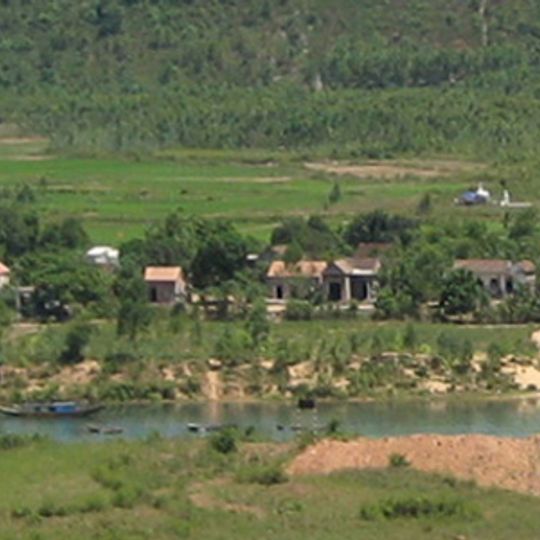
Phong Nha-Ke Bang National Park, National park in Quang Binh Province, Vietnam
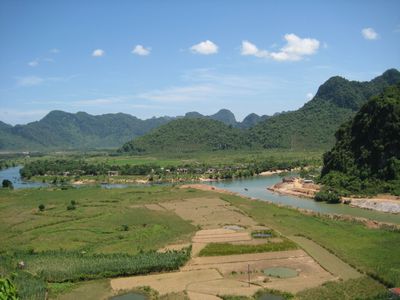
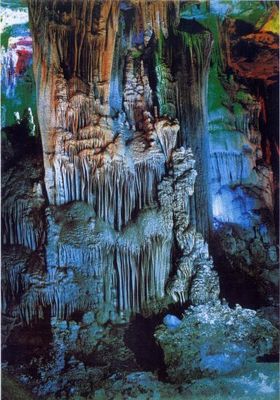
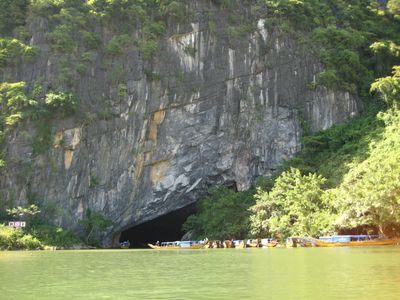
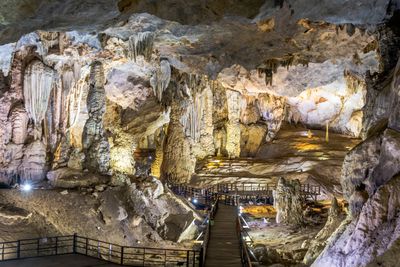
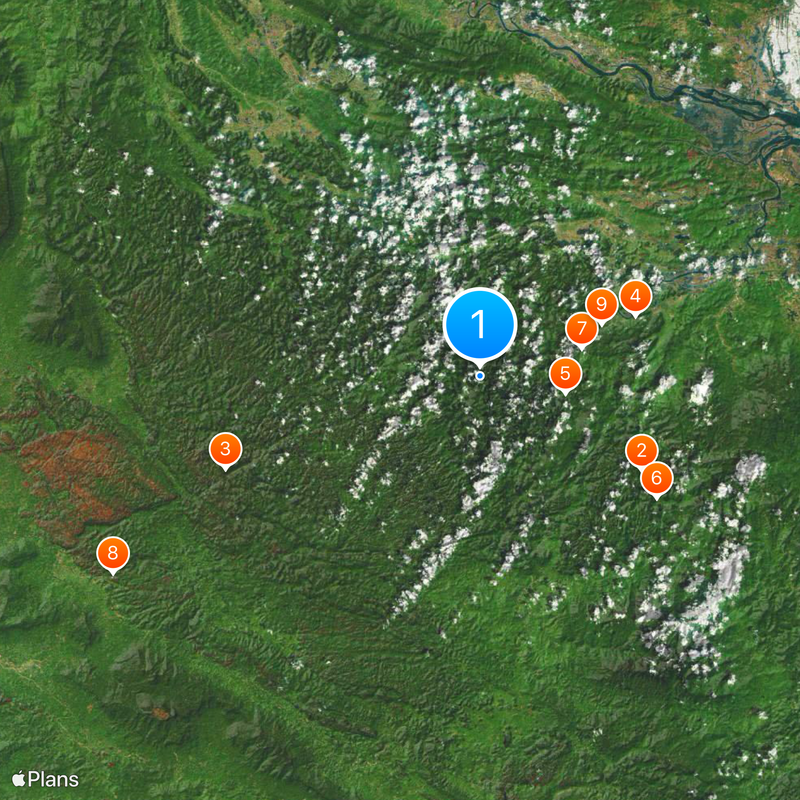
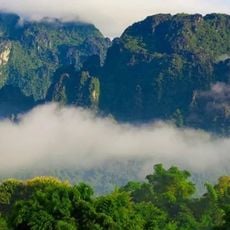
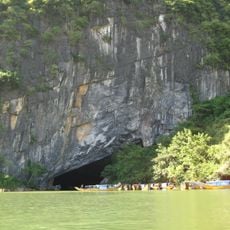
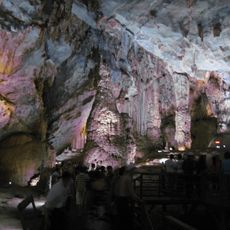
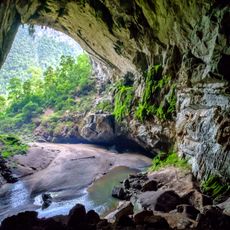
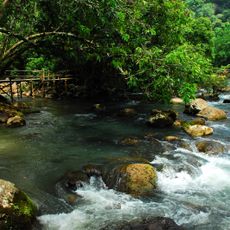
Phong Nha-Ke Bang National Park is a protected area in Quang Binh Province, central Vietnam, known for its limestone caves and underground river systems. The reserve covers forested mountains and valleys where rivers wind through the landscape before disappearing into cave entrances.
The caves served as shelter and a hospital during the Vietnam War, with some entrances bombed during the conflict. The area gained World Heritage status in 2003 after international research teams began mapping the cave systems in the 1990s.
The name means "wind and water cave" in Vietnamese, referring to the sound of wind and an underground river inside Phong Nha Cave. Many families living around the park boundaries work as porters and cave safety assistants, drawing on generations of knowledge about navigating the karst terrain.
Visitors should bring sturdy shoes and a flashlight, as pathways inside the caves can be slippery and portions remain unlit. The dry season from February to August offers better conditions for exploring the caves, as some sections may flood during the rainy months.
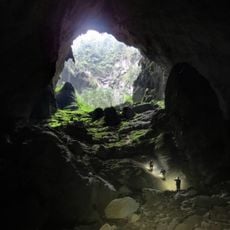
Hang Son Doong, the largest known cave in the world, contains areas with their own weather system, including clouds that form beneath the ceiling. The cave was only discovered in 1991 by a local farmer and first fully explored in 2009.
The community of curious travelers
AroundUs brings together thousands of curated places, local tips, and hidden gems, enriched daily by 91,363 contributors worldwide.