Kerinci Seblat National Park, National park in Sumatra, Indonesia
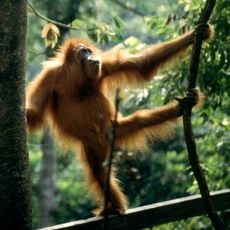
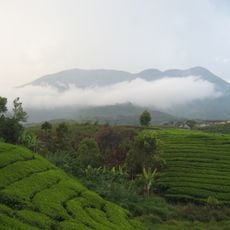
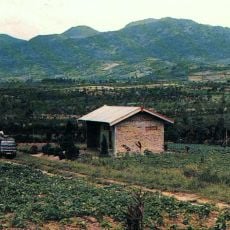
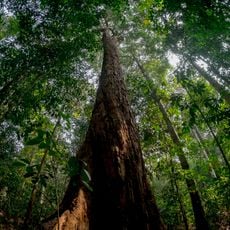
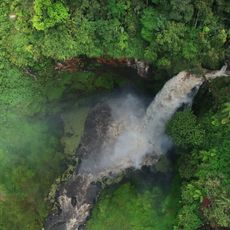
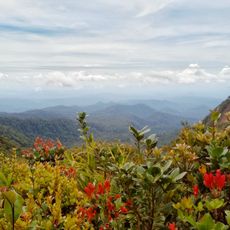
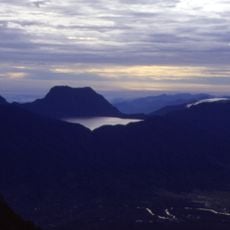
Kerinci Seblat National Park spans across four provinces in Sumatra, featuring mountain ranges, tropical rainforests, and highland areas with diverse ecosystems. The terrain includes steep slopes and river valleys that create varied habitats for wildlife.
In 1982, at the Third World National Parks Congress in Bali, the agriculture minister declared about 1,424,650 ha of existing protection forests, nature reserves and game reserves as a candidate national park. The forestry minister confirmed 1,368,000 ha in 1996 (Decree 192/Kpts-II/1996), adjusted it to 1,375,349.867 ha in 1999, and added the Sipurak Hook production forest in 2004, bringing the park to 1,389,509.867 ha. UNESCO listed it with Gunung Leuser and Bukit Barisan Selatan in 2004.
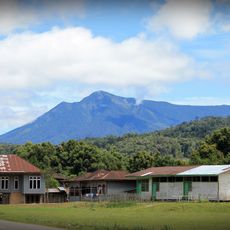
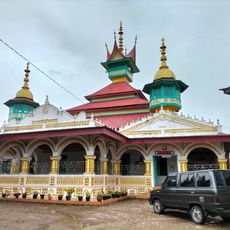
The park encircles the Kerinci Valley, home to communities who farm cinnamon, coffee and rice on the volcanic soils. The name Kerinci comes from the local Kerinci people, and the park's forests are traditionally used for gathering rattan, bamboo and medicinal plants. The Sumatran ground-cuckoo, rediscovered in the park in 2002, is one of 17 of Sumatra's 20 endemic birds found in the Kerinci area.
The dry season from May to September offers the best conditions for visiting, with more accessible trails and clearer weather. Arrange guided tours beforehand if you want to explore the park safely and learn about its wildlife.
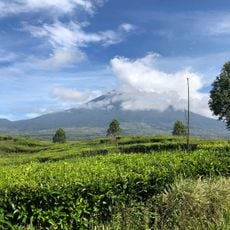
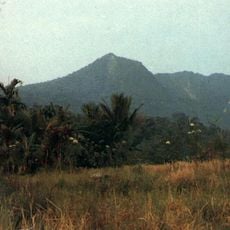
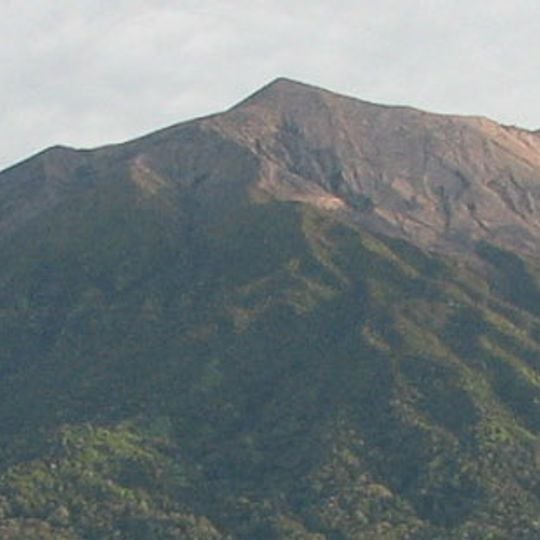
The park is home to Mount Kerinci, Southeast Asia's highest active volcano, which experienced trekkers can summit for panoramic views. The region harbors the world's largest remaining population of Sumatran tigers, making it crucial for their survival.
The community of curious travelers
AroundUs brings together thousands of curated places, local tips, and hidden gems, enriched daily by 93,128 contributors worldwide.