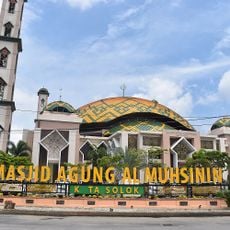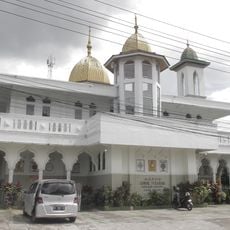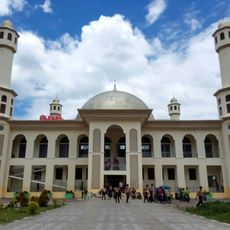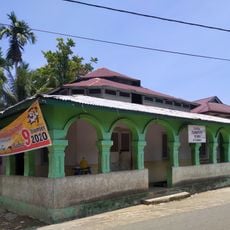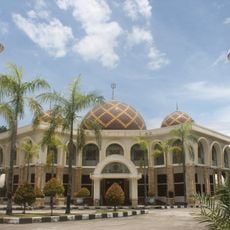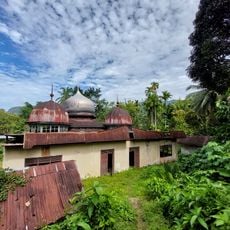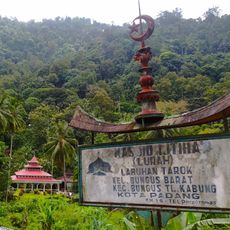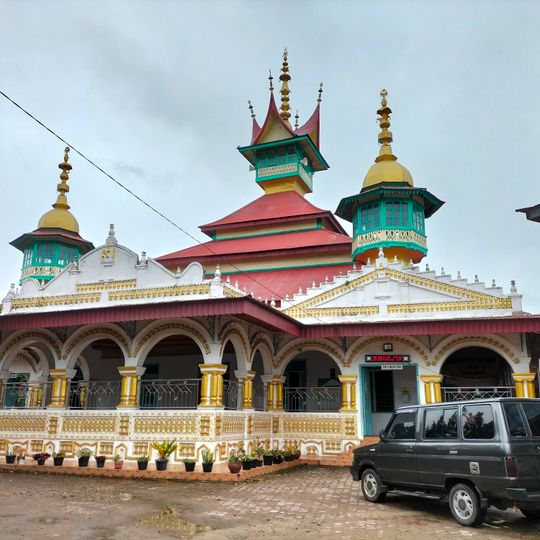
Koto Baru Grand Mosque, mosque in West Sumatra, Indonesia
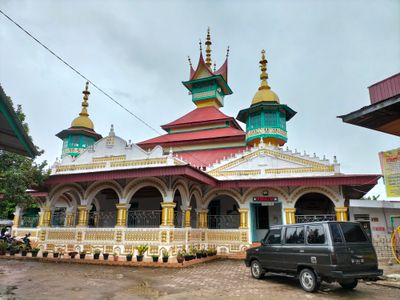
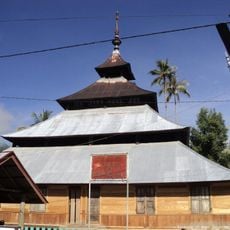
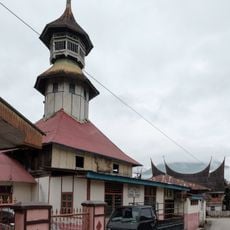
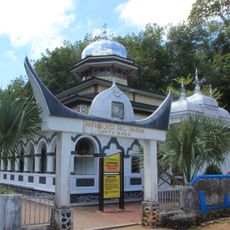
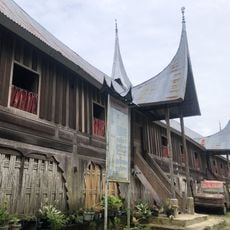
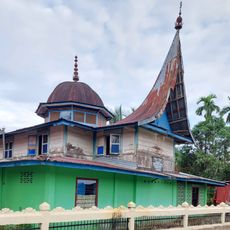
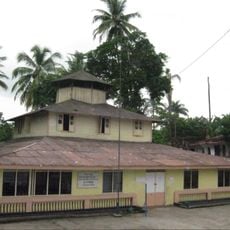
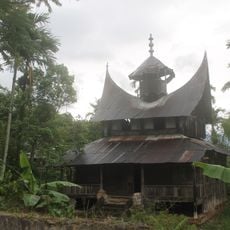
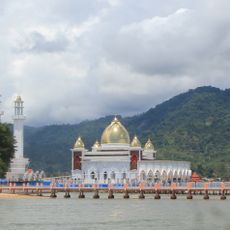
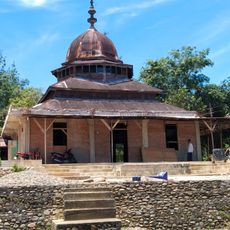
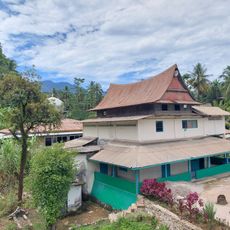
Koto Baru Grand Mosque, also known as Masjid Raya Koto Baru, is a single-story building featuring distinctive Minangkabau elements: tiered roofing, four pointed gables pointing in cardinal directions, and a central mustaka ornament about 1.5 meters high. The structure blends traditional local architecture with Islamic design and sits on slightly elevated ground visible from a distance.
Construction began in 1922 and was completed in 1933, interrupted by a magnitude 7.6 earthquake in 1926 that caused severe damage to the walls. Local residents consulted Japanese architects after the quake, who confirmed the structure remained safe for use and worship.
Originally called Masjid Batu Koto Baru, the mosque represents the four local tribes: Malayu, Kampai, Panai, and Tigo Lareh, whose symbols appear in its roof design. The building shows how local Minangkabau customs and Islamic faith coexist in everyday community life and religious gatherings.
The mosque is accessible on foot and sits on elevated ground with open access to its grounds. Visitors should enter the interior with respect, remove shoes, and wear modest clothing as it remains an active place of worship.
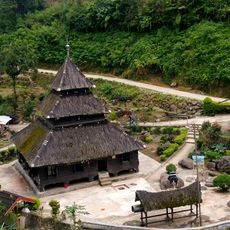
The roofline features a central mustaka ornament symbolizing that four local kings from different tribes worship one God together. This distinctive architectural detail mirrors the design of the nearby Masjid Rao Rao in the neighboring Tanah Datar district.
The community of curious travelers
AroundUs brings together thousands of curated places, local tips, and hidden gems, enriched daily by 92,597 contributors worldwide.