Mount Sibayak, Stratovolcano in Berastagi, Indonesia.
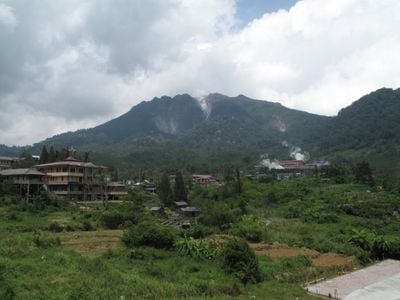
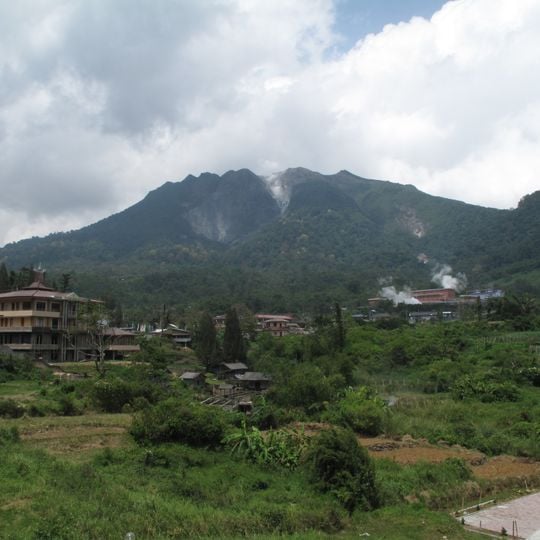
Mount Sibayak is a stratovolcano in Berastagi characterized by steep slopes of dark volcanic rock and numerous active vents. The mountain's surface shows clear signs of volcanic activity with cracks releasing gas and steam in various locations.
The volcano experienced its last major eruption in 1881 and has remained geologically active since then. Thermal processes have continuously shaped the landscape, leaving visible marks that tell the story of the mountain's ongoing geological life.
The mountain holds special meaning for the Karo Batak people who live in the region and have traditional connections to this place. Local communities have long recognized the thermal features as part of their natural environment and cultural landscape.
Hiking routes to the crater typically take two to four hours depending on your pace and which path you choose. Wear sturdy shoes since the ground is rocky and unstable in places, and be prepared for strong sulfurous smells near the summit where vents release gases.
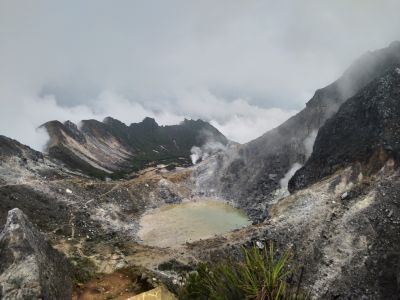
A gray sulfurous lake sits at the crater's bottom with gas bubbles occasionally rising through its water. White and yellowish sulfur crystals coat the surrounding rocks, creating a stark mineral landscape that looks like nature's own laboratory.
The community of curious travelers
AroundUs brings together thousands of curated places, local tips, and hidden gems, enriched daily by 91,899 contributors worldwide.