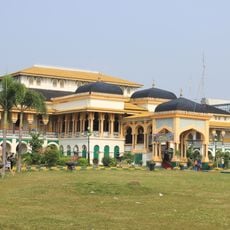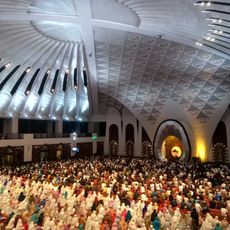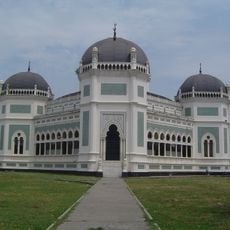
North Sumatra, Province in northern Sumatra, Indonesia
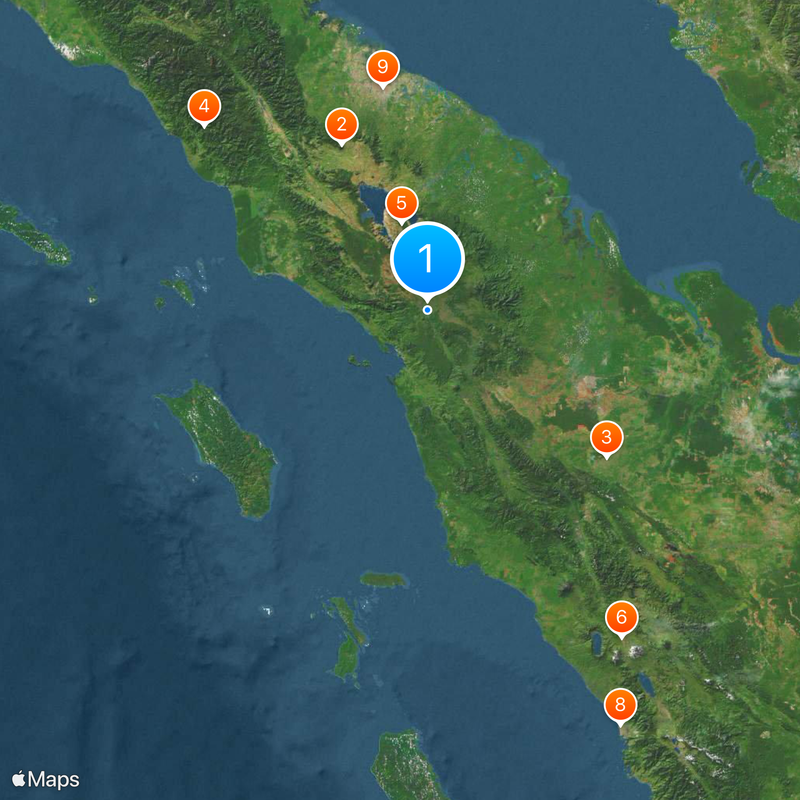
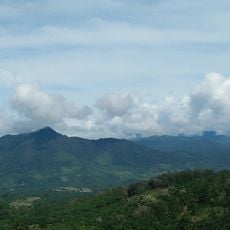
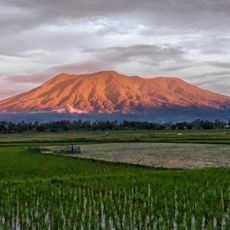
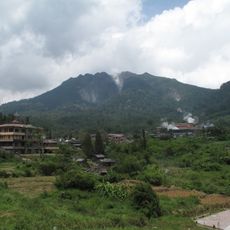
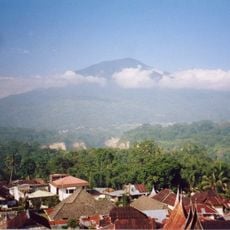
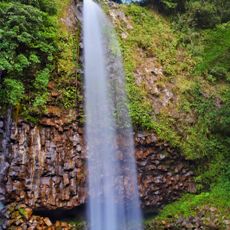
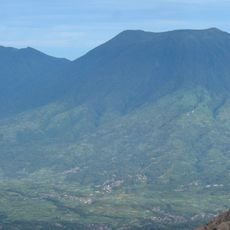
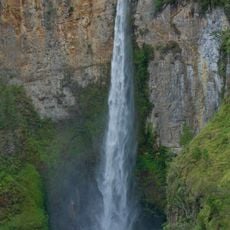
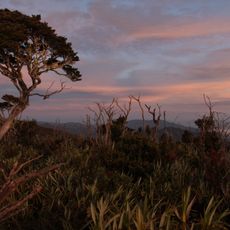
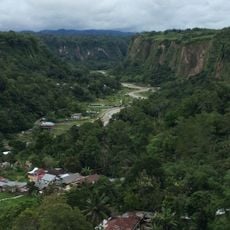
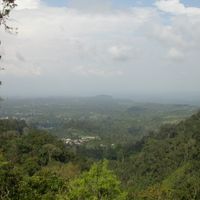
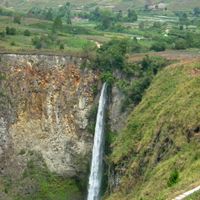
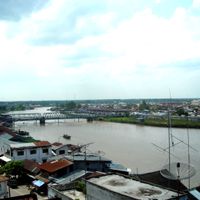
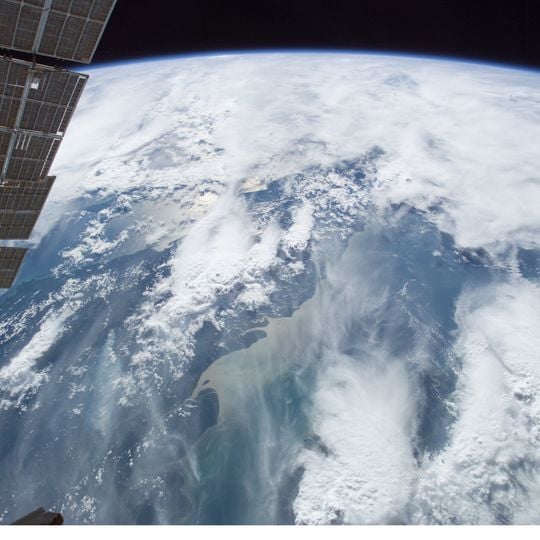
North Sumatra is an administrative division covering the northern part of Sumatra island, reaching from the Strait of Malacca to the Indian Ocean. The area includes coastal plains, fertile highlands and volcanic landscapes with numerous rivers flowing through dense greenery.
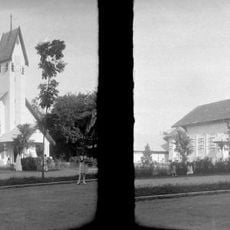
The area served as a trading hub between Indian, Arab and Chinese merchants from the 11th century onwards, long before European powers arrived. Dutch colonial rulers later opened plantations and built railway lines that still connect some towns today.
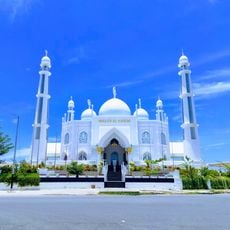
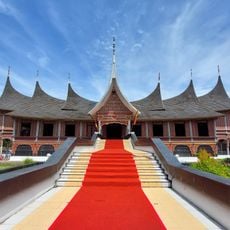
The region takes its name from its position in the northern part of Sumatra and appears today as home to several communities with their own languages and ways of life. Visitors often encounter Christian churches alongside Muslim mosques, while markets show different culinary traditions side by side.
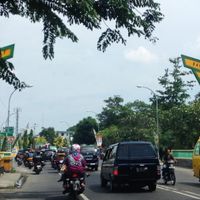
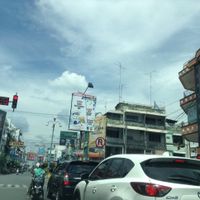
Visitors can reach different areas through long-distance buses departing from Medan, while local minibuses serve smaller towns. The rainy season brings more frequent downpours between October and March, making some mountain roads slippery.
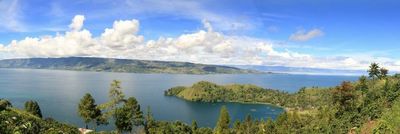
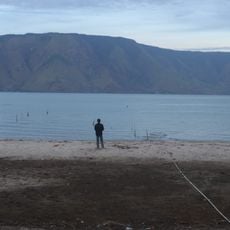
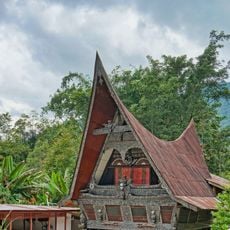
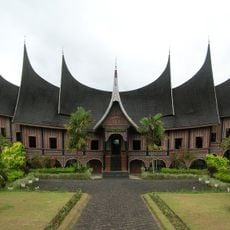
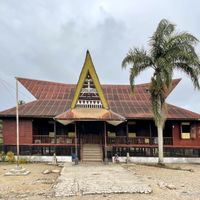
Lake Toba, a massive crater lake, formed from a volcanic eruption around 74,000 years ago and ranks as one of the largest known eruptions in Earth's history. The water is so clear that you can see down to the bottom in some bays, while people live in traditional wooden houses on the central island of Samosir.
The community of curious travelers
AroundUs brings together thousands of curated places, local tips, and hidden gems, enriched daily by 90,901 contributors worldwide.