Narai-juku
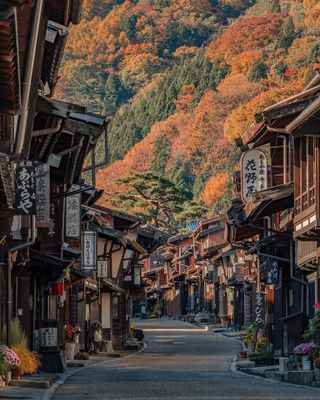
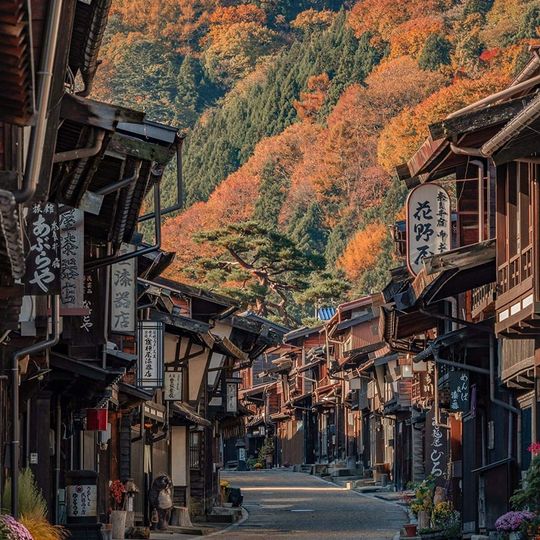
Narai-juku is a small town with old wooden houses and narrow streets built along the historic Nakasendo route. The main street stretches over a kilometer and is lined with dark wooden facades, white walls, and tiled roofs, with stone paving and vintage signs that preserve the look of earlier times.
Narai-juku grew during the Edo period as the main stopping point between Kyoto and Edo (now Tokyo). Its wealth earned it the name 'Narai of a Thousand Houses' because it held many inns and shops serving traveling merchants and feudal lords.
Narai-juku takes its name from the old trade route and was once a wealthy stop for travelers passing through. Visitors today can watch artisans make traditional lacquerware and wooden crafts in shops along the street, keeping skills that have been passed down for centuries.
Getting there is simple by train or bus from nearby cities, and once you arrive you can easily walk along the old street and explore on foot. The small size of the town makes it possible to see everything at a gentle pace in a day or quiet afternoon.
A large ginkgo tree grows at Sennen-ji Temple and turns bright yellow in autumn, while inside the temple stand old stone figures called Unari-ishi that local stories say once had nails driven into them to quiet their loud voices. Visitors can still search for those nails in the stones today.
The community of curious travelers
AroundUs brings together thousands of curated places, local tips, and hidden gems, enriched daily by 91,980 contributors worldwide.