Yangnim-dong Penguin Village, Tourist attraction in Yangnim-dong, Gwangju, South Korea
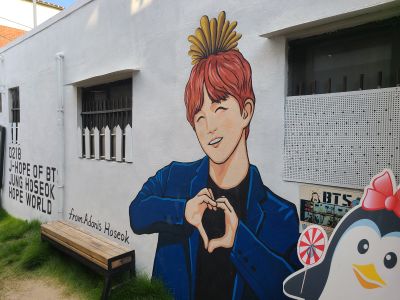
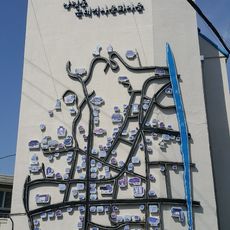
Yangnim-dong Penguin Village is an open-air display space in the Yangnim-dong neighborhood of Gwangju, South Korea. It occupies a short stretch of narrow lanes lined with small houses from the 1970s and 1980s, whose walls and facades have been covered with murals, found objects, and handwritten messages by residents.
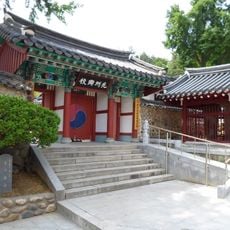
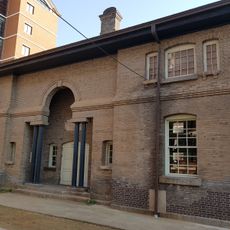
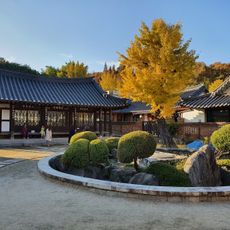
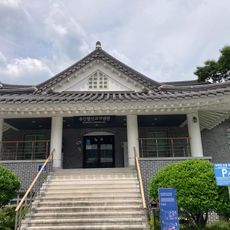
The Yangnim-dong area was settled in the early 20th century by Western missionaries, including Eugene Bell, which explains why traditional Korean houses sit next to buildings with a Western look. The village as it exists today took shape in 2013, when residents began cleaning up abandoned and fire-damaged homes and decorating them together.
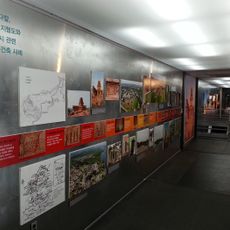
The village gets its name from the way some older residents walk: knee pain gives them a waddling gait that reminded neighbors of penguins. The walls are covered in Korean poetry and decorated with old clocks, radios, and cameras that locals collected and put on display.
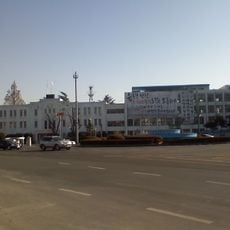
The village sits behind the Yangnim-dong Community Service Center and is easy to find by following the penguin-shaped signs from the street. The lanes are short and flat, so a visit on foot takes only a short while, though taking time to read the wall displays adds to the experience.
Near the entrance stands a statue of Lee Ok-seon, depicted at age 16 and again at age 92. She was taken by the Japanese army as a teenager during World War II and spent decades publicly fighting for recognition before she passed away in 2022.
The community of curious travelers
AroundUs brings together thousands of curated places, local tips, and hidden gems, enriched daily by 91,878 contributors worldwide.