Asine, ancient Greek city of Argolis
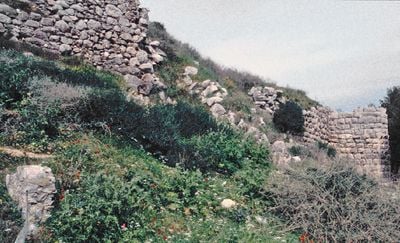
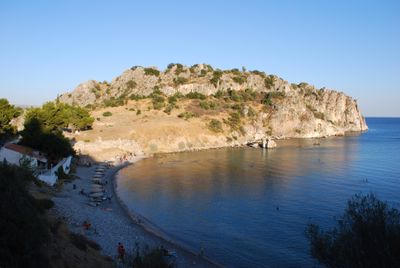
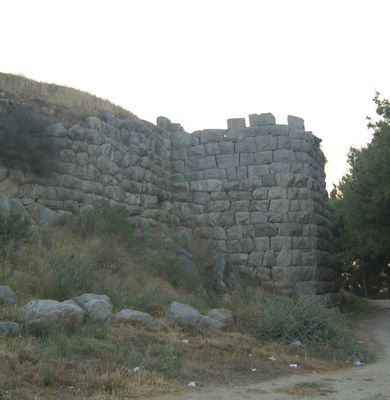
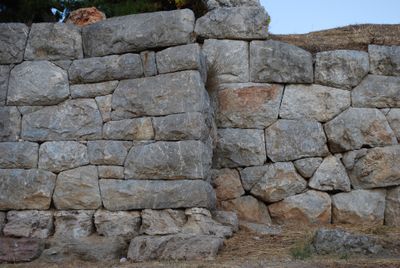
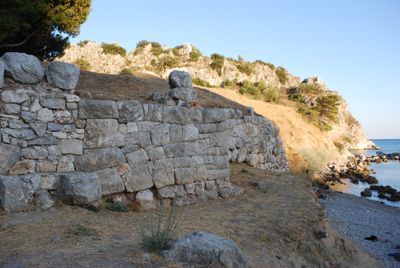
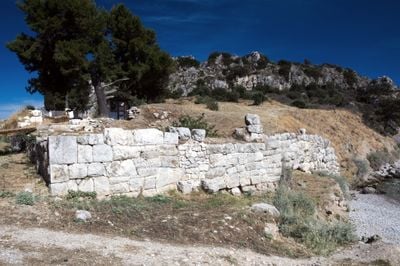
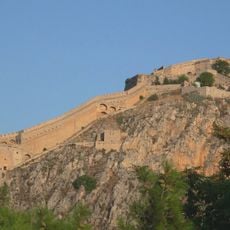
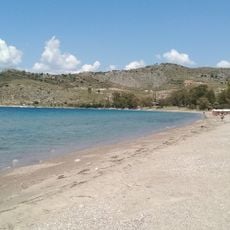
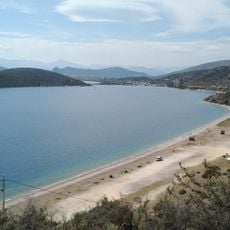
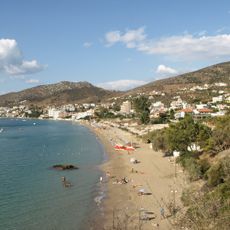
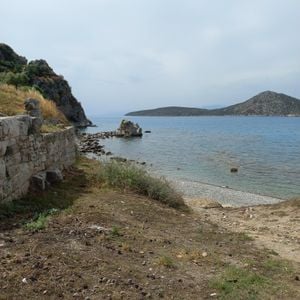
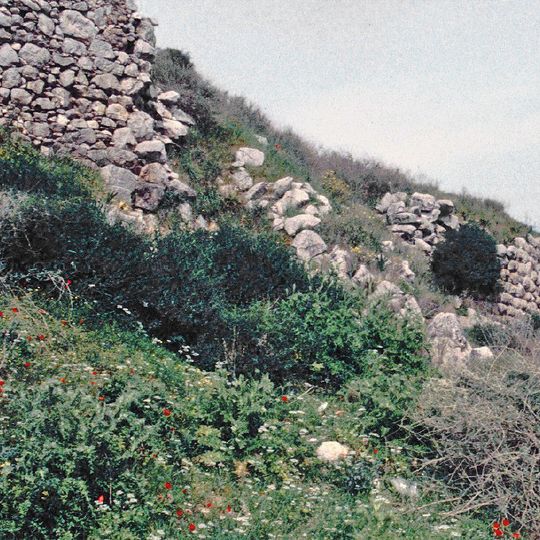
Asine is an archaeological site on a coastal headland containing stone walls, house foundations, and remains of public buildings from different eras. The ruins sit between two adjacent beaches and reveal layers of settlement spanning many centuries.
Swedish archaeologists systematically investigated the site in the 1920s, uncovering artifacts and structures from the Mycenaean period. This research revealed how the settlement was inhabited from the Bronze Age through later times.
The name Asine comes from ancient Greek and refers to the city that once thrived on this headland. Visitors can walk through the remains and grasp how daily life unfolded here across different centuries.
Paths between the ruins are walkable, and informational signs explain the different building phases and structures. Access to the beaches provides orientation, and visitors should expect uneven terrain.
The modern poet George Seferis wrote a celebrated poem about the ruins that explores the thoughts and questions these ancient walls evoke. His work helps visitors see the site not just as a historical place but as a location for human reflection.
The community of curious travelers
AroundUs brings together thousands of curated places, local tips, and hidden gems, enriched daily by 91,290 contributors worldwide.