Praia do Osso da Baleia, Sand beach in Carriço, Portugal
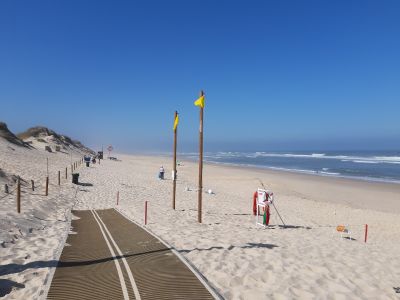
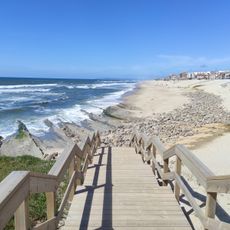
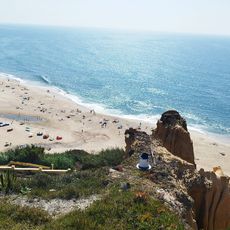
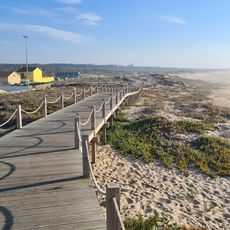
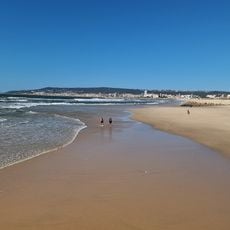
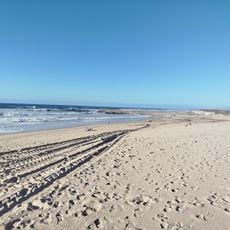
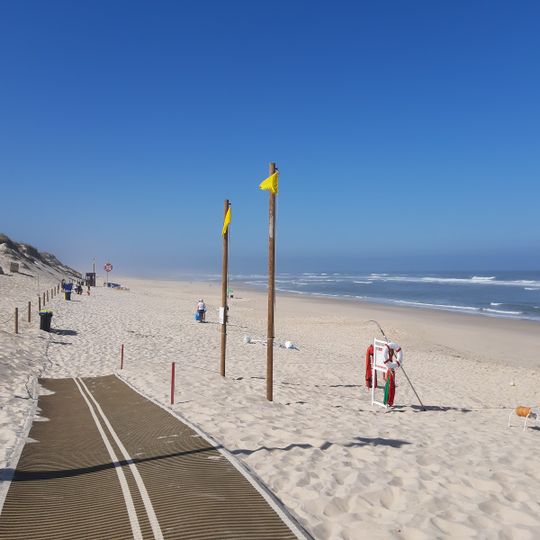
The beach stretches for several kilometers along the Atlantic coast with a broad expanse of brown sand. A system of natural dunes lines the shore and creates a gradual transition between beach and interior land.
An adjacent forest was established in the 15th century to supply wood for Portuguese naval shipbuilding. This planned use of timber shaped the region for many centuries.
The name comes from a whale skeleton discovered here in the 20th century, reflecting the local connection to maritime life. This reminder of an unusual encounter with the ocean still shapes how people think about this stretch of coast.
The water and sand invite swimming and beach activities, with dunes providing natural wind protection. Visitors should pay attention to tide times as the available beach space can change significantly.
The dune system remains largely untouched and supports various coastal plants that grow in different zones. Visitors can observe these natural ecological areas without extensive human modification of the landscape.
The community of curious travelers
AroundUs brings together thousands of curated places, local tips, and hidden gems, enriched daily by 91,614 contributors worldwide.