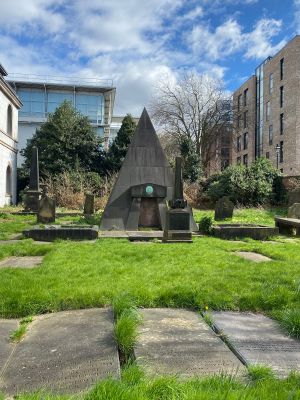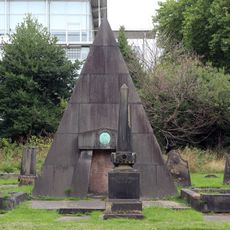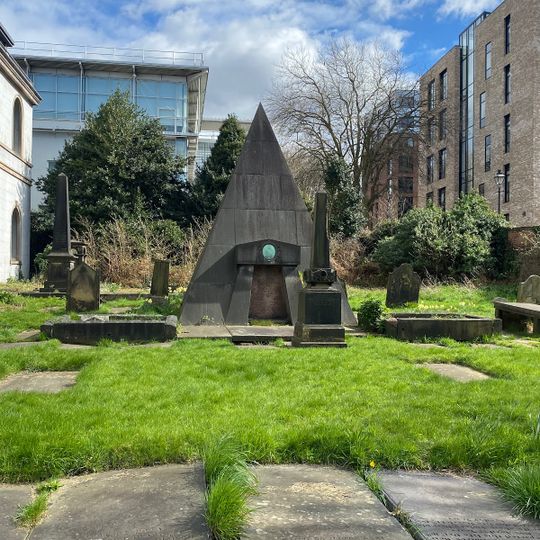
William MacKenzie's Tomb, Pyramid tomb in Rodney Street, Liverpool, England.
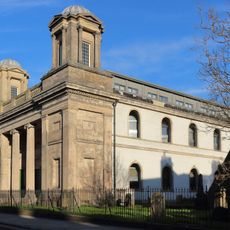
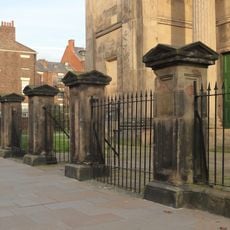
William MacKenzie's Tomb is a 15-foot (4.5 m) pyramidal stone structure on Rodney Street marking the final resting place of a 19th-century railway and canal entrepreneur. The monument rises from the grounds of the former St Andrew's Church graveyard and displays an unusual architectural form that stands apart from typical Victorian burial monuments.
William MacKenzie built his fortune through railway and canal construction projects during the 19th century and was buried beneath this monument in 1851. The pyramid was erected as a lasting statement of his wealth and ambition to be remembered through architectural grandeur.
The Scottish surname reflects the family's origins, while the pyramid design shows how Victorian wealthy businessmen used tombs to display their status among Liverpool's growing merchant class. Walking past, you notice how this stone structure stands apart from ordinary grave markers and speaks to personal ambition expressed in stone.
The tomb sits on the grounds of the former St Andrew's Church graveyard on Rodney Street and is accessible throughout the day. You can view the monument from outside without needing special permissions, making it easy to visit while exploring the surrounding area.
The monument houses three people: William MacKenzie, his first wife Mary who died in 1838, and his second wife Sarah who passed in 1867. This practice of multiple burials in one family tomb was common among Victorian wealthy households seeking to preserve family unity even in death.
The community of curious travelers
AroundUs brings together thousands of curated places, local tips, and hidden gems, enriched daily by 91,821 contributors worldwide.