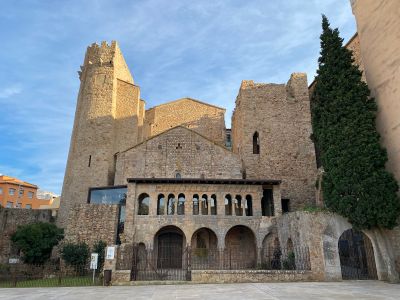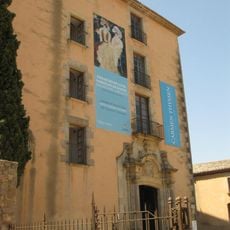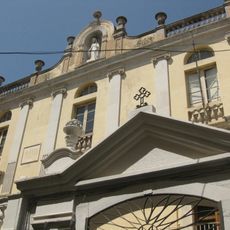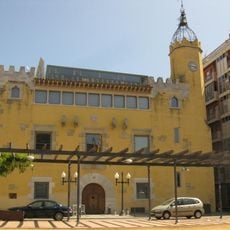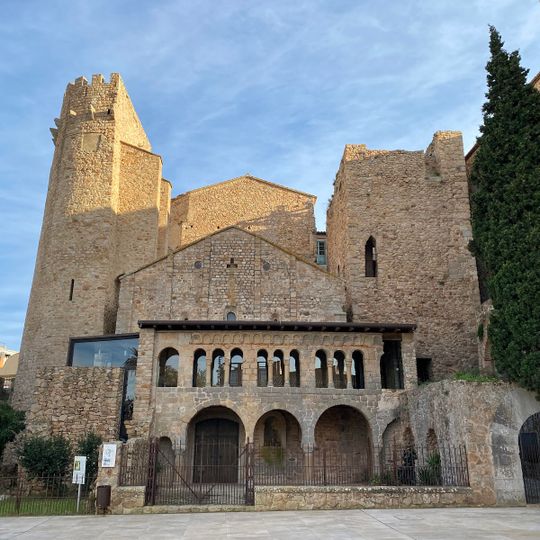
Monestir benedictí Sant Feliu de Guíxols, Benedictine monastery and museum in Sant Feliu de Guíxols, Spain.
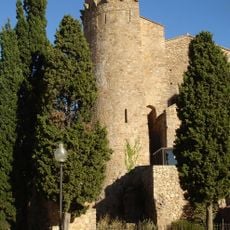
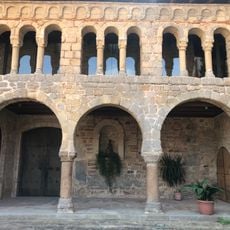
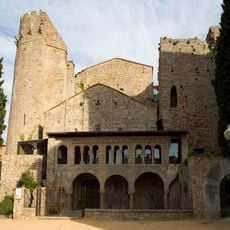
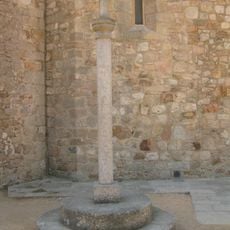
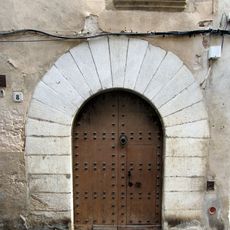
The Benedictine Monastery of Sant Feliu de Guíxols is a religious building that combines architectural elements from the 5th to the 18th centuries, featuring the pre-Romanesque Porta Ferrada gateway, Gothic church sections, and medieval defensive towers including the Torre del Fum and Torre del Corn.
The monastery was established in the 10th century on Roman foundations and was rebuilt after a Saracen invasion in 965 with support from Abbot Oliba and Countess Ermessenda of Carcassonne, undergoing Gothic renovations in the 14th century and later baroque additions before the monks were expelled during the 1835 confiscation of church properties.
The monastery complex now houses the City History Museum and the Museum of Health and Rural Medicine, offering exhibitions on local traditions, religious life, and industrial heritage that document the evolution of Sant Feliu de Guíxols through archaeological artifacts, liturgical objects, and 17th-century altarpieces.
The monastery is located at Plaça del Monestir in the city center, with the museum open on weekends from 11:00 AM to 1:00 PM, and the building accessible Monday through Friday from 8:30 AM to 8:00 PM for visitors interested in exploring the medieval towers and exhibition spaces.
The Torre del Fum was used as a watchtower where guards would burn damp straw to create smoke signals warning of approaching danger, while the Torre del Corn housed a marine horn that was sounded during emergencies to alert the surrounding community.
The community of curious travelers
AroundUs brings together thousands of curated places, local tips, and hidden gems, enriched daily by 90,828 contributors worldwide.