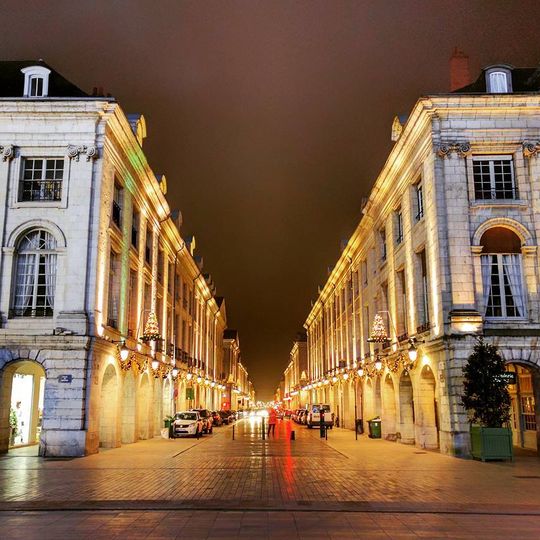
Rue Royale, street in Orléans, France
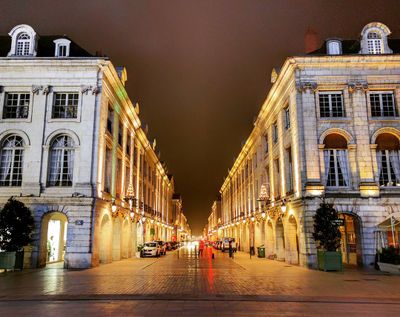
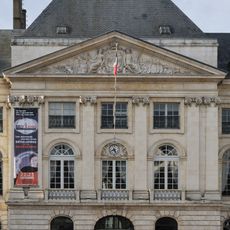
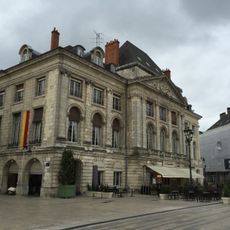
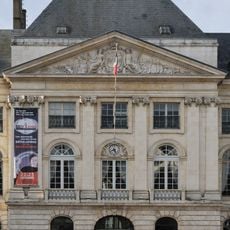
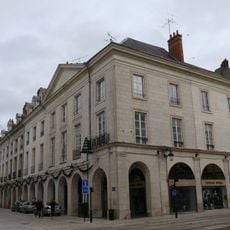
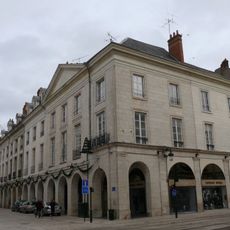
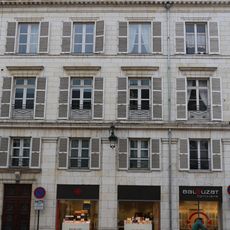
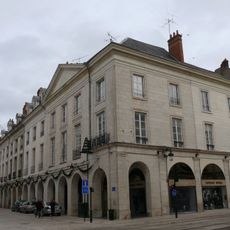
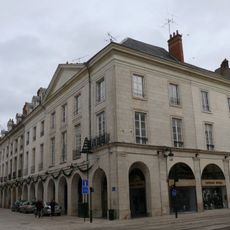
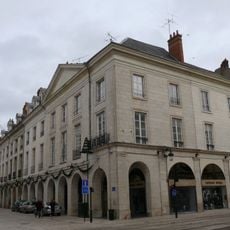
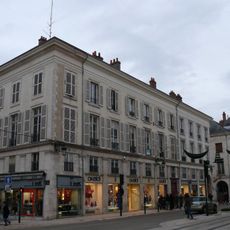
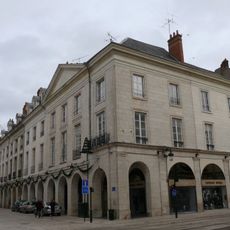
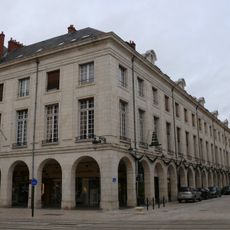
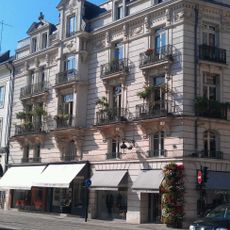
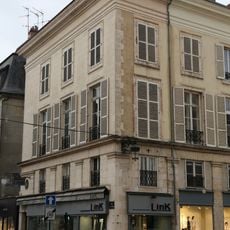
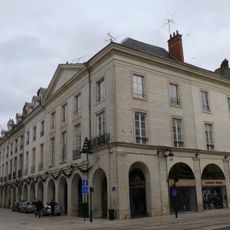
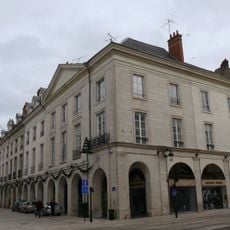
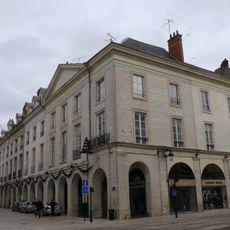
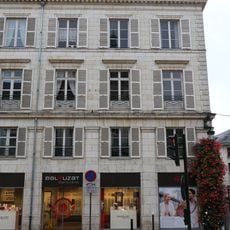
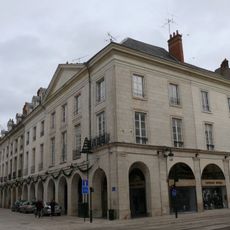
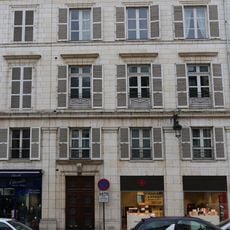
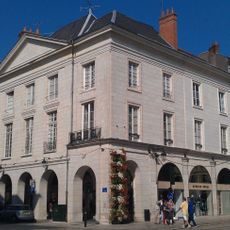
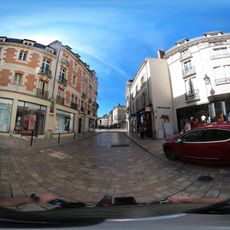
Rue Royale is a main street in central Orleans that runs about 450 meters from Place du Martroi to the George V bridge. The street is lined with buildings mostly dating from the 1700s, featuring arches that cover the sidewalks and shelter shops and cafes beneath them.
The street was planned and approved in the 1750s under King Louis XV, with paving completed by 1760. During World War Two, about half of the buildings were destroyed by bombing in 1940, but after the war the street was reconstructed to match its original design.
Rue Royale takes its name from its royal connections during the French monarchy, a legacy visible in the street's formal layout and architecture. Today, locals and visitors use the street as a gathering place to stroll, shop, and sit at cafes, keeping alive its role as a place where people meet and pass their time.
The street is wide and easy to walk with spacious sidewalks and good visibility for exploring on foot. The nearby Royale-Châtelet tram station offers convenient connections to other parts of the city if you want to travel further.
A notable sculpture called La Baigneuse from 1955 sits at the corner of Rue Royale and Rue du Tabour, depicting a relaxed female figure. This sculpture is an often-photographed symbol of the city that visitors frequently capture as a memento.
The community of curious travelers
AroundUs brings together thousands of curated places, local tips, and hidden gems, enriched daily by 60,000 contributors worldwide.