Orléans, Regional capital in Centre-Val de Loire, France
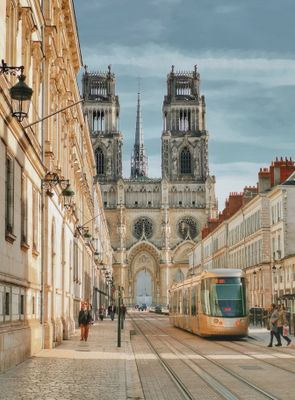
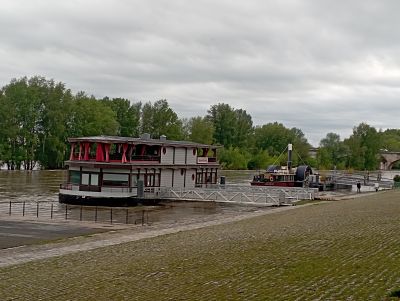
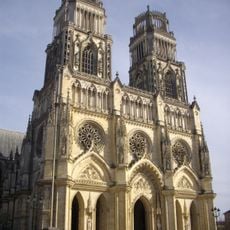
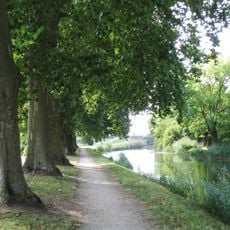
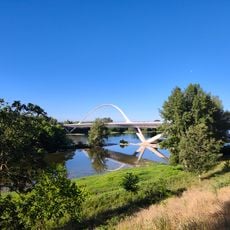
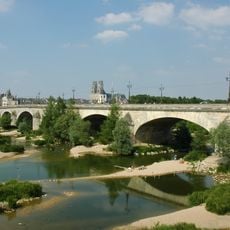
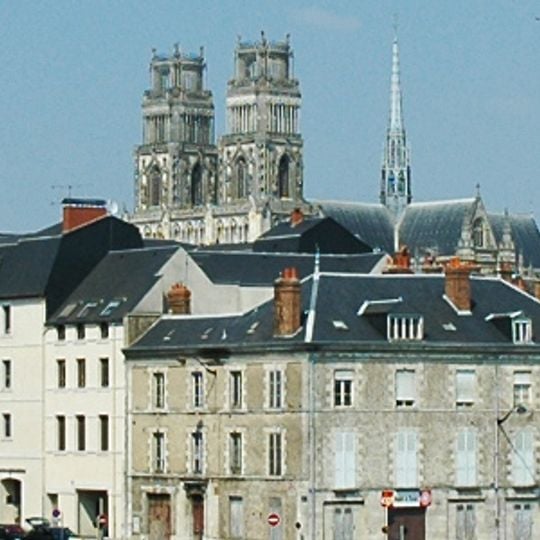
Orléans is a city in central France stretching along the Loire River, roughly 120 kilometers southwest of Paris. A Gothic cathedral rises above the narrow lanes of the medieval core, while newer districts include flat residential areas and commercial zones.
A Roman trading center called Aurelianum developed into a significant river port during the Middle Ages. The city gained prominence through Jeanne d'Arc's victory in 1429, which ended an English siege.
Every spring, the streets fill with musicians, performers, and theater groups participating in medieval celebrations commemorating a 15th-century event. Local markets offer regional wines from the Loire Valley and specialties like cotignac, a thick quince paste made here for centuries.
A tram system connects all districts to the main train station, from which trains reach Paris-Austerlitz in under an hour. The historic center is compact and walkable, with most sights within a short stroll from the river.
Since 1432, an annual festival in May features medieval processions and ceremonies reenacting the lifting of the English siege. Residents dress in period costumes and perform battle scenes on public squares.
Location: Loiret
Location: arrondissement of Orléans
Elevation above the sea: 105 m
Part of: Centre-Val de Loire
Shares border with: Fleury-les-Aubrais, La Ferté-Saint-Aubin, Olivet, Ardon, Saint-Cyr-en-Val, Saint-Jean-de-Braye, Saint-Jean-de-la-Ruelle, Saint-Jean-le-Blanc, Saint-Pryvé-Saint-Mesmin, Saran, Semoy
Address: https://www.skaping.com/orleans/quais-de-loire/video, 45000 Orléans, France
Phone: +33238792222
Email: info@ville-orleans.fr
Website: https://orleans.fr
GPS coordinates: 47.90273,1.90861
Latest update: December 3, 2025 09:34
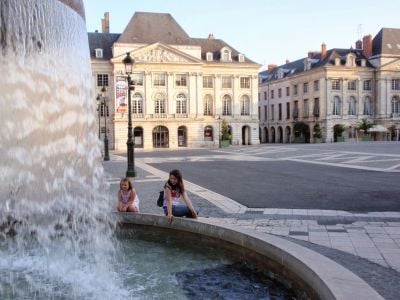
People often think they know Orleans, but the city always has something to tell. Behind its impressive cathedral, one discovers a lively old town with cobbled streets, half-timbered facades, and squares perfect for stopping. The history blends with the enjoyment of life: Joan of Arc still watches over the Place du Martroi, museums reveal their hidden treasures, and the banks of the Loire invite sunny walks. Along the quays, you encounter gardens, churches, Renaissance houses, and busy weekend markets. The city has maintained its calm pace without ceasing to surprise, balancing heritage, culture, and nature. Orleans is best explored at a slow pace, the one preferred by those who enjoy observing details, breathing the river air, and rediscovering their own city at every corner.
This collection brings together the 50 most populous cities of France, from the metropolis to overseas territories. It includes the major urban centers shaping the national territory, from Paris with its capital status to regional metropolises like Marseille with its Mediterranean port, Lyon where the Rhône and Saône meet, or Toulouse with its aerospace industry. These cities represent the main economic, cultural, and administrative hubs of the country. The selection covers all French regions and illustrates the diversity of territories: dense communes in Île-de-France, southern cities like Nice on the Côte d'Azur and Montpellier near the Mediterranean, eastern cities such as Strasbourg hosting the European Parliament, northern centers like Lille close to Belgium, or Bordeaux known for its architecture and vineyards. From Nantes, former capital of the Dukes of Brittany, to communes of La Réunion, this collection offers a complete overview of major French urban areas and invites exploration of their history, heritage, and unique vitality.
Between plains, dormant volcanoes, and deep forests, the Loire reveals a wealth of cultural heritage. Here, medieval castles stand alongside the wild landscapes of gorges and the Pilat massif, abbeys weave through hills and valleys, and fortified villages still carry the scent of the Middle Ages. From Saint-Étienne to Roanne, you pass cobbled streets, castles perched on heights, hidden waterfalls, and buildings designed by Le Corbusier. Each turn tells a chapter of history, an ancient stone, a landscape brought to life by the wind. The Loire is a land of contrasts, both industrial and poetic, proud of its legacy. These are the places not to miss to explore its soul, between built heritage and preserved nature.
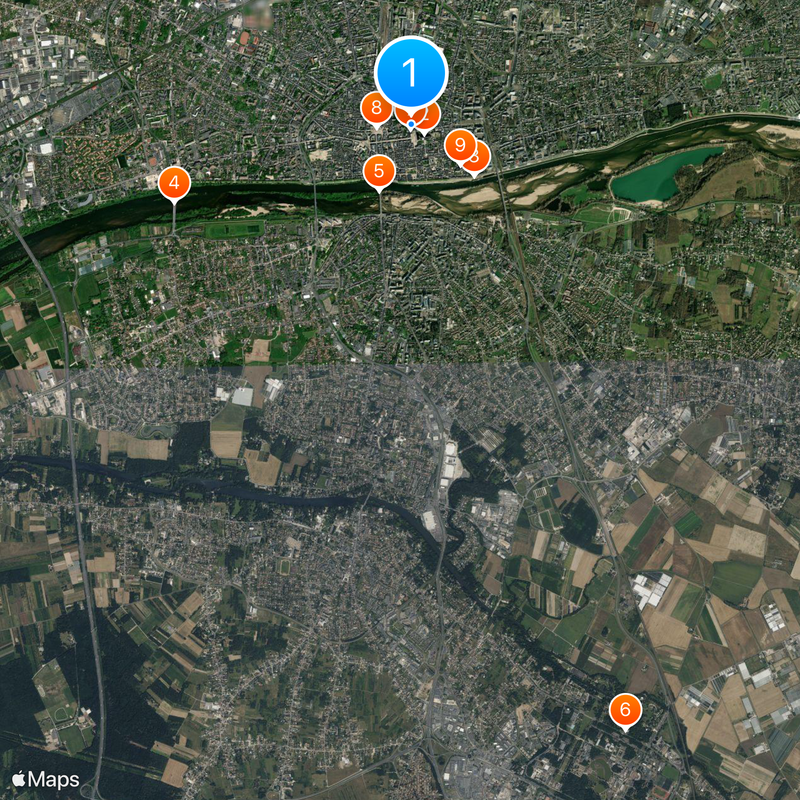
Orléans Cathedral
165 m
Canal d'Orléans
827 m
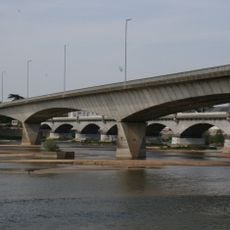
George V Bridge, Orléans
752 m
Parc Floral de la Source
6.5 km
Departmental Conservatory of Orleans
48 m
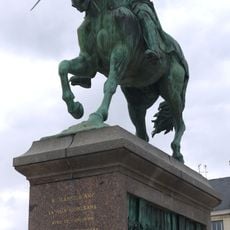
Equestrian statue of Joan of Arc
357 m
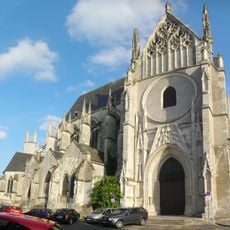
Saint-Aignan d'Orléans
643 m
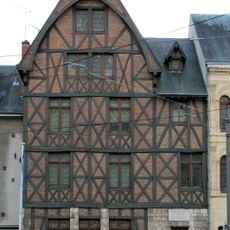
Maison dite de Jeanne d'Arc in Orléans
483 m
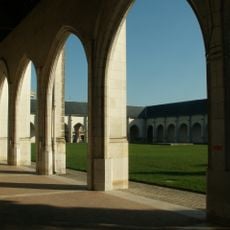
Campo Santo d'Orléans
167 m
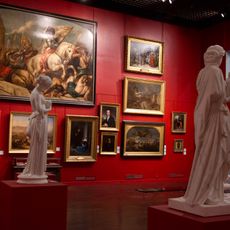
Musée des Beaux-Arts d'Orléans
57 m
Pont René-Thinat
1.1 km
Parc Pasteur d'Orléans
647 m
Hôpital Porte Madeleine d'Orléans
956 m
Pont des Tourelles
657 m
Pont du Maréchal-Joffre
1.2 km
Église Notre-Dame-de-Recouvrance
741 m
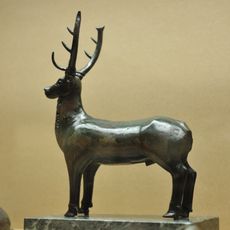
Trésor de Neuvy-en-Sullias
345 m
Orléans Museum for biodiversity and environment
625 m
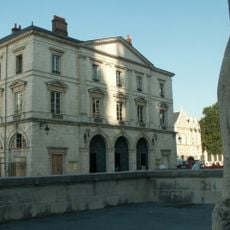
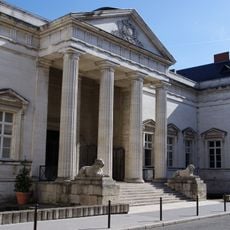
Palais de Justice d'Orléans
317 m
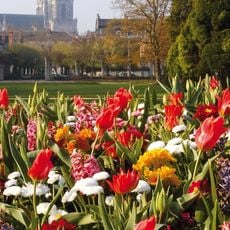
Jardin des plantes d'Orléans
1.6 km
Musée historique et archéologique de l'Orléanais
337 m
Château de La Fontaine
4 km
Restes de l'église Saint-Paul
578 m
Hôtel de la Motte-Sanguin
826 m
Château de la Source
6.1 km
Église Saint-Pierre-le-Puellier
506 m
Hôtel Groslot
39 m
Pont de Vierzon
1.1 kmReviews
Visited this place? Tap the stars to rate it and share your experience / photos with the community! Try now! You can cancel it anytime.
Discover hidden gems everywhere you go!
From secret cafés to breathtaking viewpoints, skip the crowded tourist spots and find places that match your style. Our app makes it easy with voice search, smart filtering, route optimization, and insider tips from travelers worldwide. Download now for the complete mobile experience.
A unique approach to discovering new places❞
— Le Figaro
All the places worth exploring❞
— France Info
A tailor-made excursion in just a few clicks❞
— 20 Minutes