See the monuments around you in AROpen chests in the app
Around Us is built for your phone — point your camera at the streets and discover the monuments and places around you in augmented reality.Around Us is built for your phone — chests unlock when you walk, explore and capture nearby places.
Orléans: history, sights and river walk, exploring the old town and Martroi Square
Orléans still holds surprises, even for those who think they know it well. The Sainte-Croix Cathedral stands in the heart of the city, but it is the old town that draws the eye: narrow streets wind between half-timbered houses, and the squares invite you to sit and watch. Everywhere, history seems to breathe. On the Martroi Square, the statue of Joan of Arc looks out at passersby. The museums quietly hold their collections, the Garden of Plants and the Floral Park offer green spaces to enjoy, and the Loire quays invite to take a walk. Churches, Renaissance mansions, and weekend markets tell parts of life in Orléans.
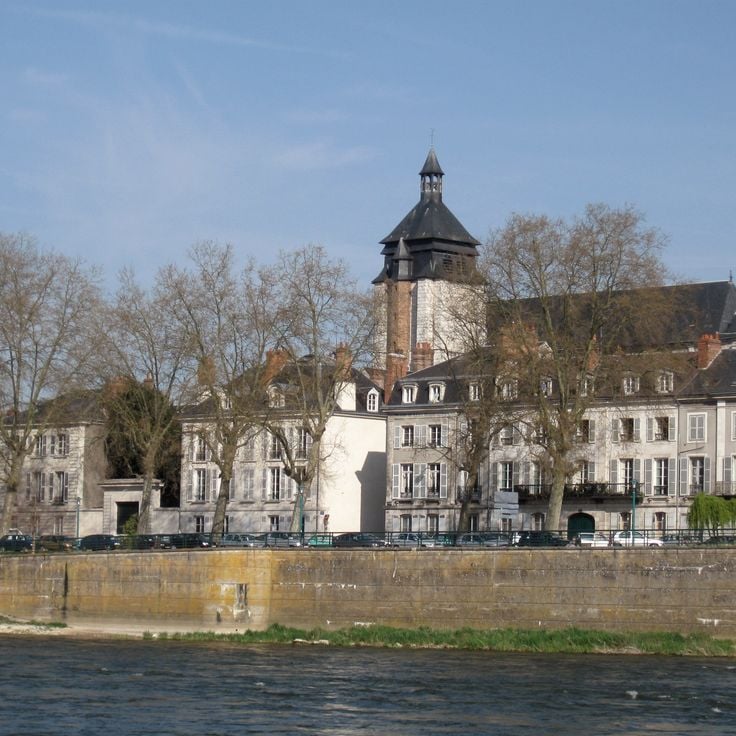
The Loire flows at the foot of the city and sets the pace of daily life. Walking along the banks, you come across gardens, terraces, and views that change with the seasons. The facades of houses reflect centuries of building and daily routines. Restaurants, small shops, and the people themselves create a sense of a city that moves without rushing.
Orléans can be visited slowly, at the pace of someone who enjoys looking around, listening to the sound of the stones underfoot, and feeling the river air. Every corner offers something expected or unexpected: an architectural detail, a new view of the Loire, or a local story to discover.
Orléans: history, sights and river walk, exploring the old town and Martroi Square
Orléans still holds surprises, even for those who think they know it well. The Sainte-Croix Cathedral stands in the heart of the city, but it is the old town that draws the eye: narrow streets wind between half-timbered houses, and the squares invite you to sit and watch. Everywhere, history seems to breathe. On the Martroi Square, the statue of Joan of Arc looks out at passersby. The museums quietly hold their collections, the Garden of Plants and the Floral Park offer green spaces to enjoy, and the Loire quays invite to take a walk. Churches, Renaissance mansions, and weekend markets tell parts of life in Orléans.
The Loire flows at the foot of the city and sets the pace of daily life. Walking along the banks, you come across gardens, terraces, and views that change with the seasons. The facades of houses reflect centuries of building and daily routines. Restaurants, small shops, and the people themselves create a sense of a city that moves without rushing.
Orléans can be visited slowly, at the pace of someone who enjoys looking around, listening to the sound of the stones underfoot, and feeling the river air. Every corner offers something expected or unexpected: an architectural detail, a new view of the Loire, or a local story to discover.
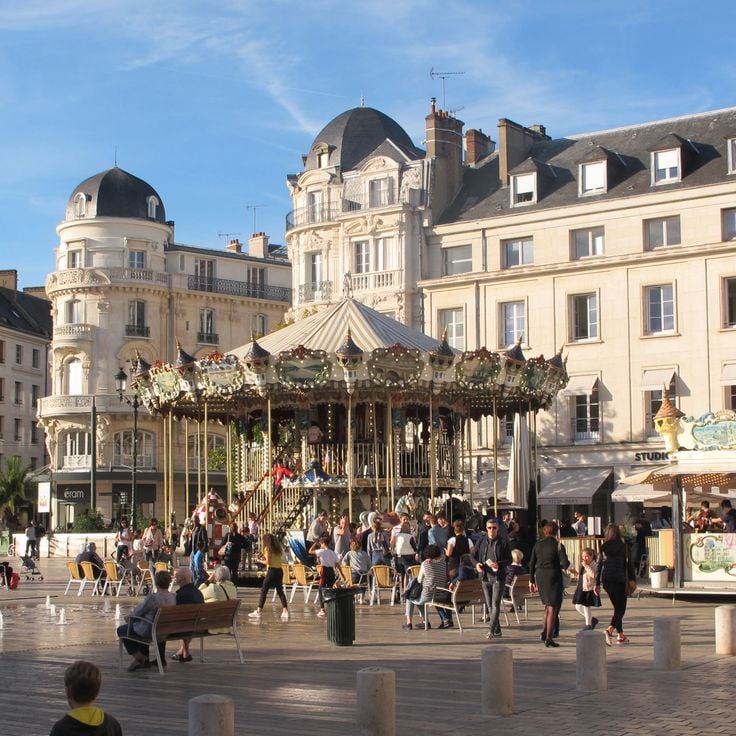
The Place du Martroi is a large square at the heart of Orléans where the city's daily life unfolds. A bronze equestrian statue of Jeanne d'Arc, created by Denis Foyatier in 1855, stands at its center and watches over the square. Terraces line the square and come alive from morning to evening with locals and visitors. From this vantage point, you can observe the rhythms of the city as people move through the space and gather at the cafes.
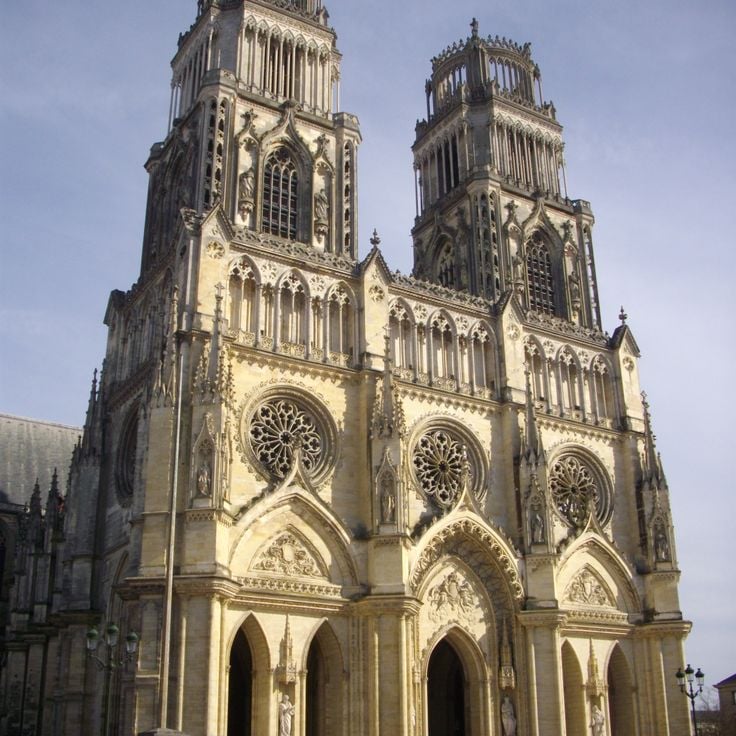
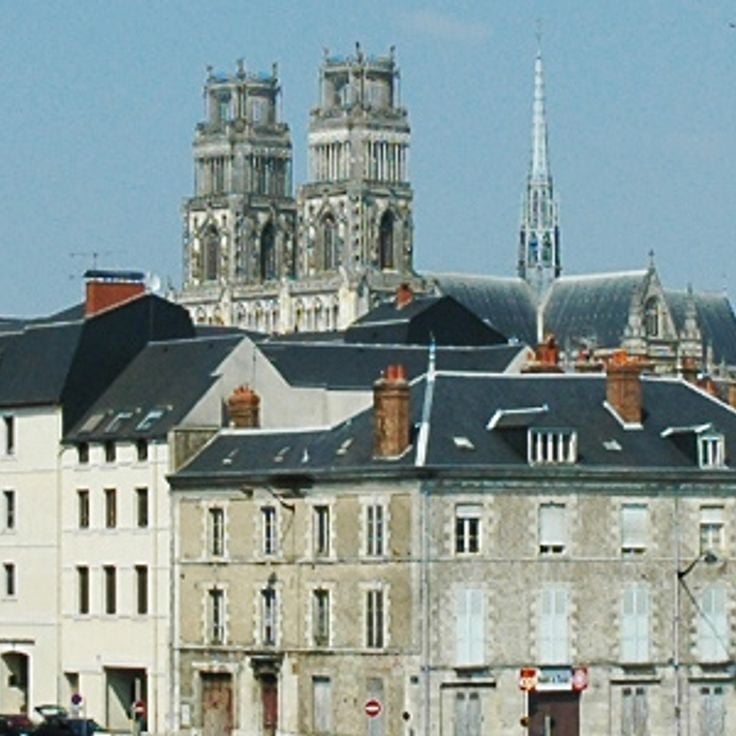
The Cathedral of Sainte-Croix stands at the heart of Orléans with its distinctive Gothic style. Built between the 13th and 18th centuries and restored under Henry IV, the cathedral's towers guide the eye from across the city. Inside, the spaces tell the story of Orléans' religious past. Visitors enter a place where history and faith meet. The architecture creates a quietness that commands respect and reflection.
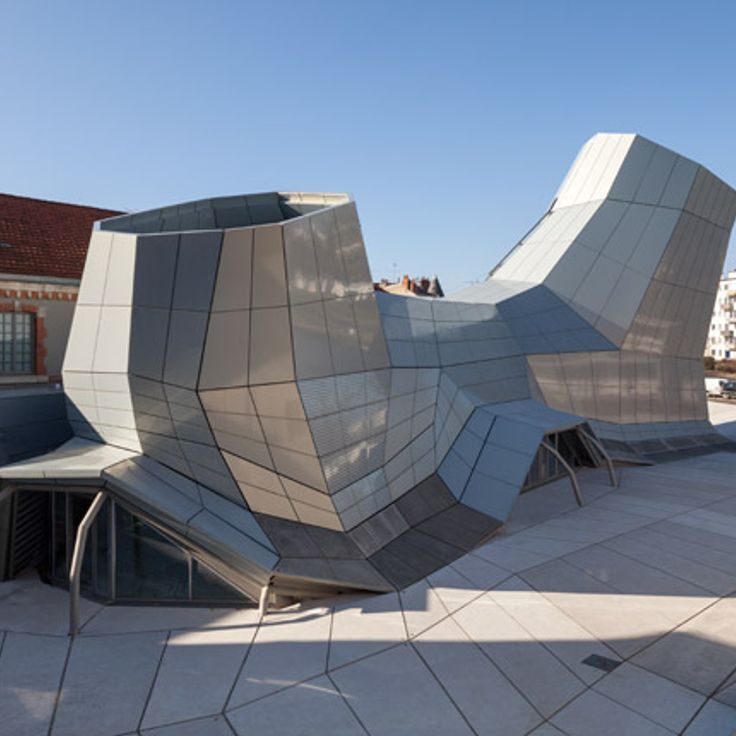
The FRAC Centre-Val de Loire is a contemporary building where art and architecture come together. It houses over 600 works and hundreds of models. The exhibitions ask questions about the city of yesterday and tomorrow. A visit leaves you with plenty of ideas to think about.
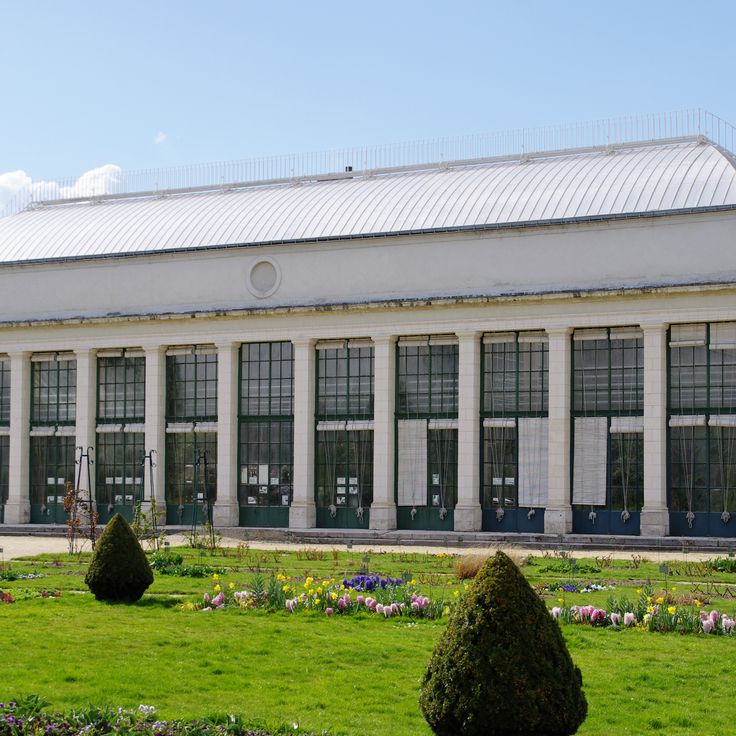
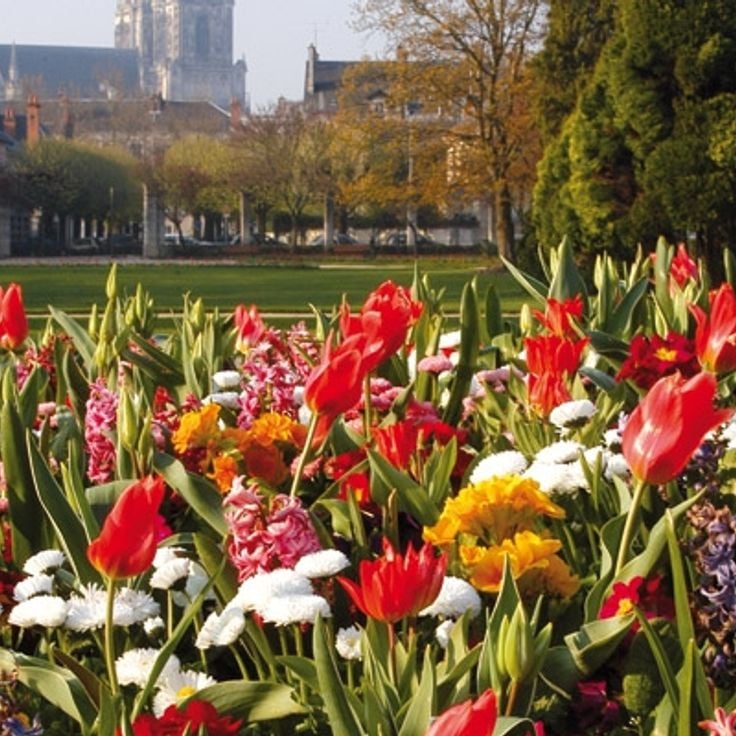
The Botanical Garden in Orléans is a place to read, walk, and catch your breath. Its grounds include greenhouses, an arboretum, and seasonal beds with rare plants. Families appreciate the shade of the trees, and walkers enjoy the stillness of this garden in the middle of the city.
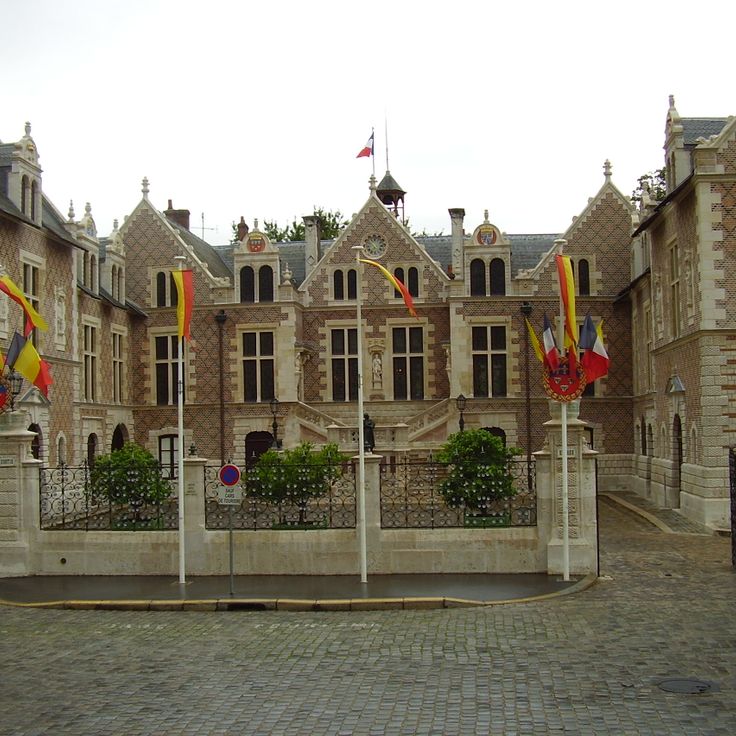
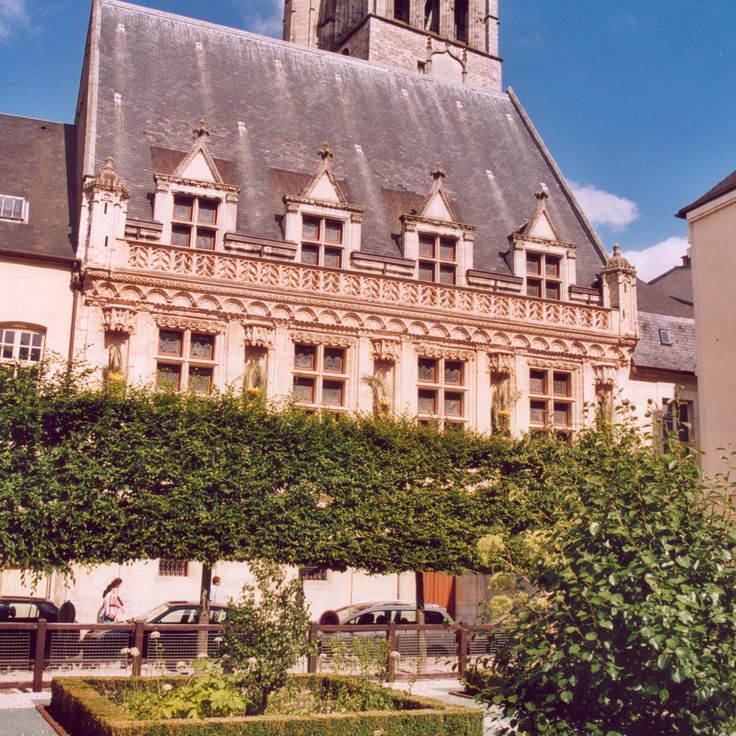
The Hôtel Groslot is a striking Renaissance building made of red brick, constructed in 1550 for Jacques Groslot. Today it serves as the town hall of Orléans. Inside, you find wood paneling, stained glass windows, and grand rooms that blend artistic beauty with municipal life. The building reflects the refined architecture of the Renaissance and remains central to the city's daily activities.
The Parc Floral de la Source is a large themed garden in Orléans that flows through different plant collections. You walk from rose gardens to iris beds and then to dahlias. Tropical greenhouses shelter butterflies and exotic birds. The place invites you to stroll without watching the clock. It offers moments of rest in the middle of the city.
The Jeanne d'Arc House in Orléans is an interpretation center built on the historical site where the heroine stayed in 1429. Films, maps, documents, and period scenes tell the story of the siege of Orléans. Walking through these rooms, the legend becomes clearer and more human.
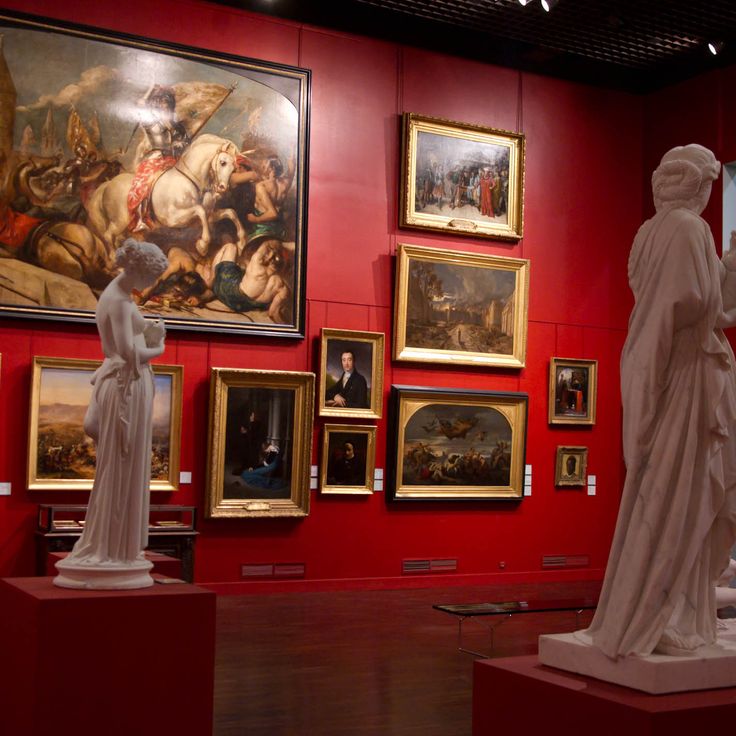
The Musée des Beaux-Arts in Orléans occupies a former bishop's palace and invites visitors to walk through its galleries. The collection displays paintings by French, Italian, and Flemish artists from the 15th to the 20th century. Works by Velázquez and Correggio hang alongside many others. The bright rooms encourage you to pause and study the paintings at your own pace.
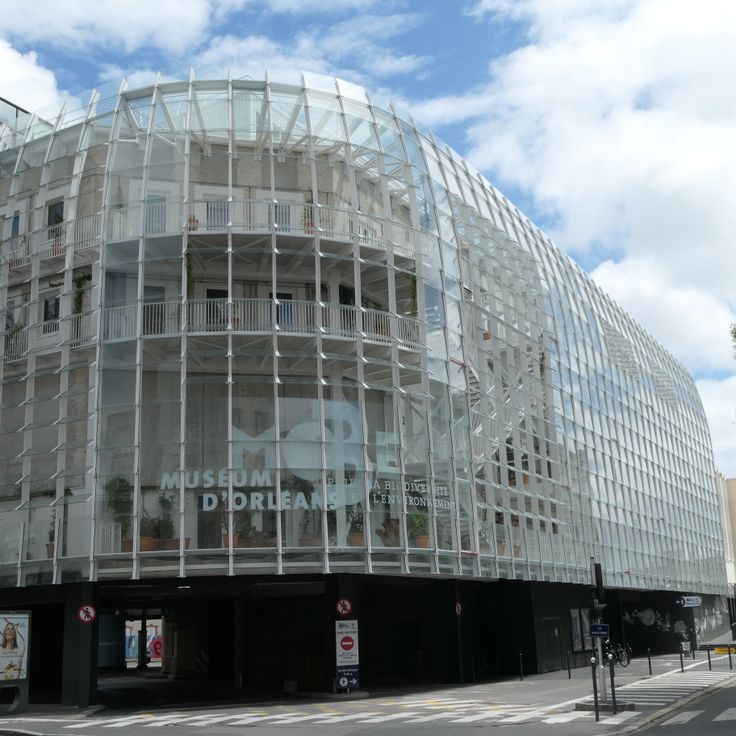
MOBE spans four floors in Orléans and invites visitors to explore the variety of nature. Fossils, skeletons, minerals, and mounted animals share space with interactive displays you can touch. Visitors of all ages ask questions and follow their curiosity through the collections. The museum makes natural history tangible and encourages discovery.
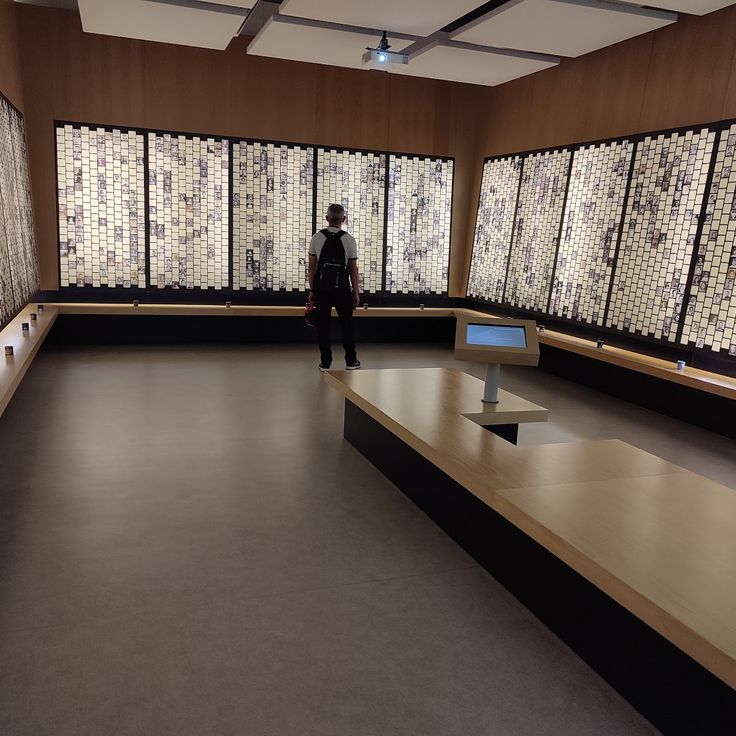
The Musée Mémorial des Enfants du Vel d'Hiv in Orléans is a solemn place of remembrance dedicated to the deportation of children in 1942. Visitors walk through in silence, encountering faces, names, and documents that tell this difficult story. People leave feeling moved to share what they have learned. This memorial fits within Orléans' broader narrative of history, where the past is felt throughout the city's streets and squares.
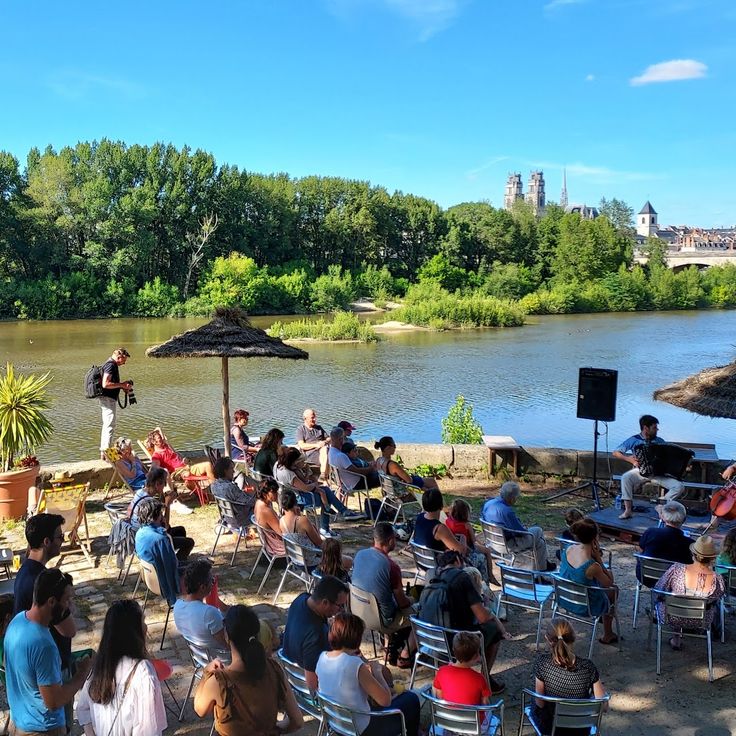
La Paillote is an outdoor venue right along the Loire River, open to the water. Concerts happen here, people share drinks, and the food is straightforward. In summer, you sit on the terrace watching the sun disappear behind the riverbanks, and the evening stretches on without you noticing how much time has passed.
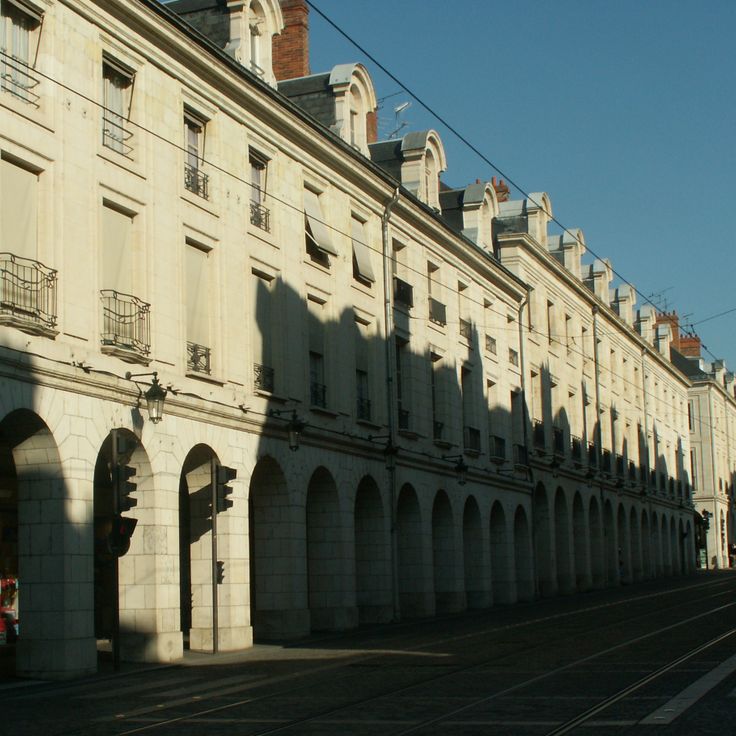
This street links the city center to the Loire and shows the Orléans of the 18th century. Regular facades line both sides, and shops invite you to wander. Walking here reveals how the city lived and still lives, with each storefront telling a small story.
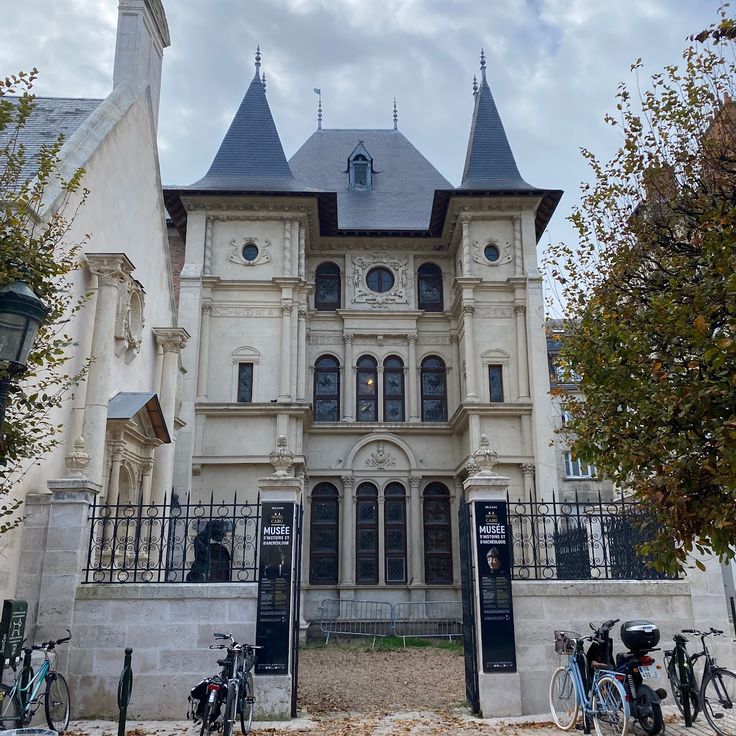
This museum is housed in the Hôtel Cabu, a Renaissance jewel in the heart of Orléans. It displays collections that tell the story of the city and its surrounding area. Gallic bronzes recovered from the Loire river are displayed here, along with objects that illuminate daily life and the significance of this region. The museum has an intimate scale and presents its treasures in a straightforward way. The rooms invite you to linger, and each piece speaks of Orléans and its roots. It is a place where history becomes tangible without feeling overwhelming.
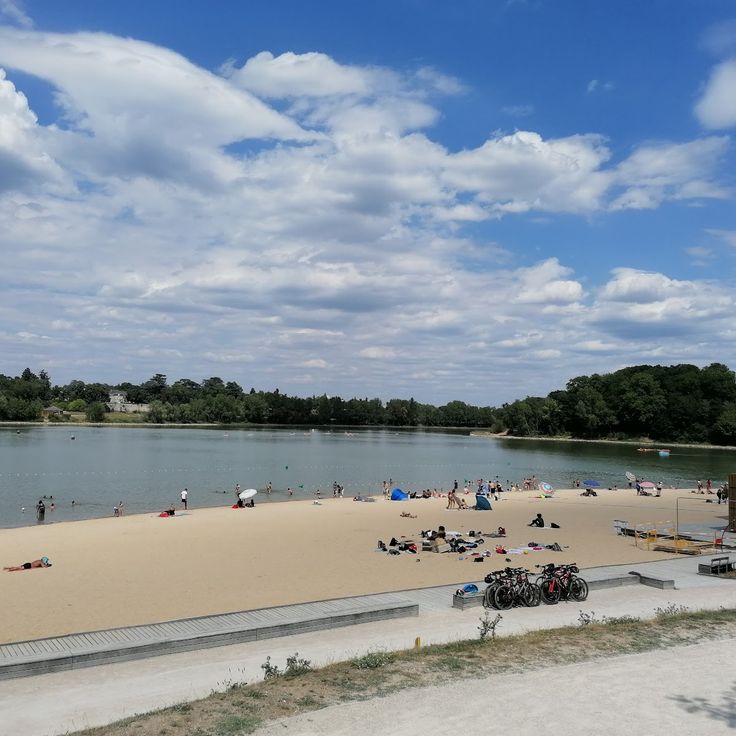
The Île Charlemagne leisure area in Saint-Jean-le-Blanc sits just a few kilometers from Orléans and offers seventy hectares of space between water and paths. Here you can swim in supervised areas during summer, try water sports, or run and cycle on trails. It is a place to move around and breathe fresh air, close enough to reach easily from the city center.
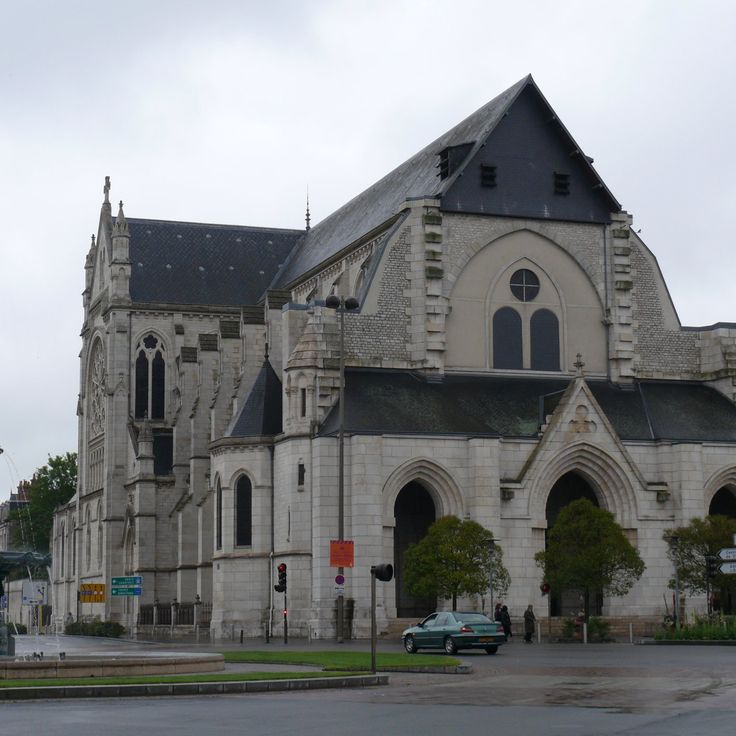
Church Saint-Paterne is a 19th century neo-Gothic building filled with light from tall stained glass windows. The nave rises to about 15 meters high, creating a bright and welcoming space. This church is deeply rooted in its neighborhood and represents part of Orléans' religious and architectural heritage.
The Parc Louis Pasteur in Orléans is a large municipal garden designed for families. It features a small train, carousels, play areas, and petanque courts. Wide paths invite you to wander at your own pace. You might spend an hour here or spend the whole afternoon.
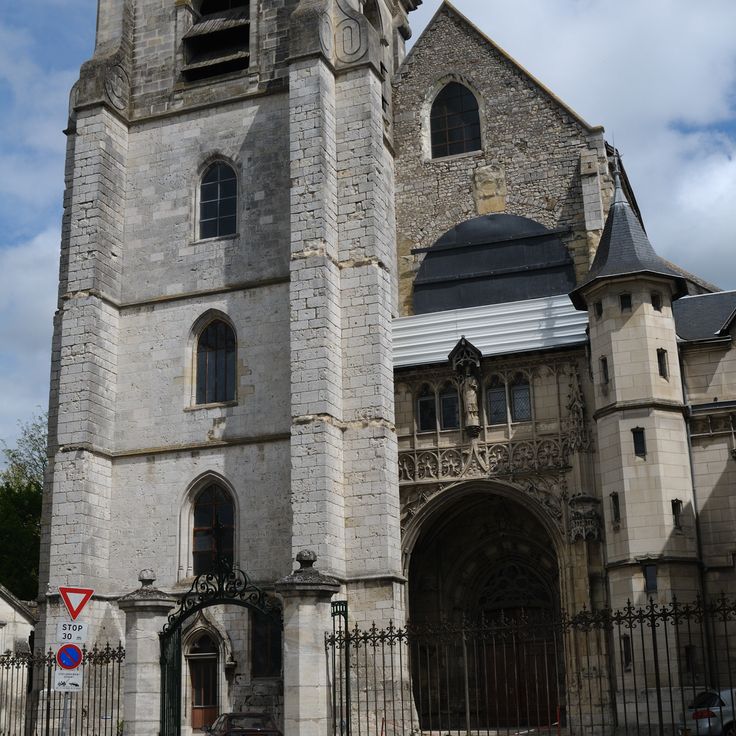
The Church of Saint-Aignan stands in the heart of Orléans and is an ancient building that carries the city's history within its walls. Beneath the choir lies a Romanesque crypt adorned with carved capitals and painted decorations. The space conveys a sense of calm and reflects the continuity of centuries past. This church is part of the rich heritage that defines Orléans, a city where history appears at every turn and architecture tells stories of daily life and faith.
The old town of Orléans has a face shaped by centuries. Paved lanes wind between half-timbered houses from the 15th and 16th centuries. The facades speak to one another, each with its own character. Those who walk here look up and find carved wood details, old guild signs, balconies. History lies in the stones, in how light falls through the narrow streets, in the quiet of some corners. The old town of Orléans shows how people lived here for a long time, traded, built their homes. You can take it all in quietly, without rushing.
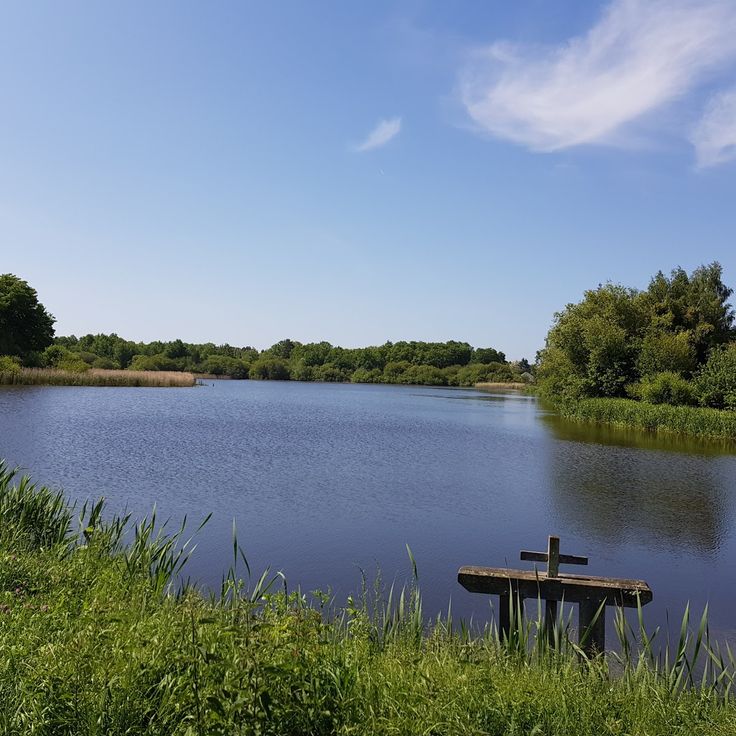
The House of Ponds in Orléans is a small visitor center dedicated to wetlands and their natural life. Walking paths lead you through different environments where you can observe birds and plants from designated viewing points. Simple explanations help you understand what you see in the landscape. A visit here leaves you wanting to return with binoculars to explore more.
Renaissance and French-style gardens for an elegant setting. Inside, a collection narrates the history of perfume and hygiene. The exhibit combines objects, scents, and memories.
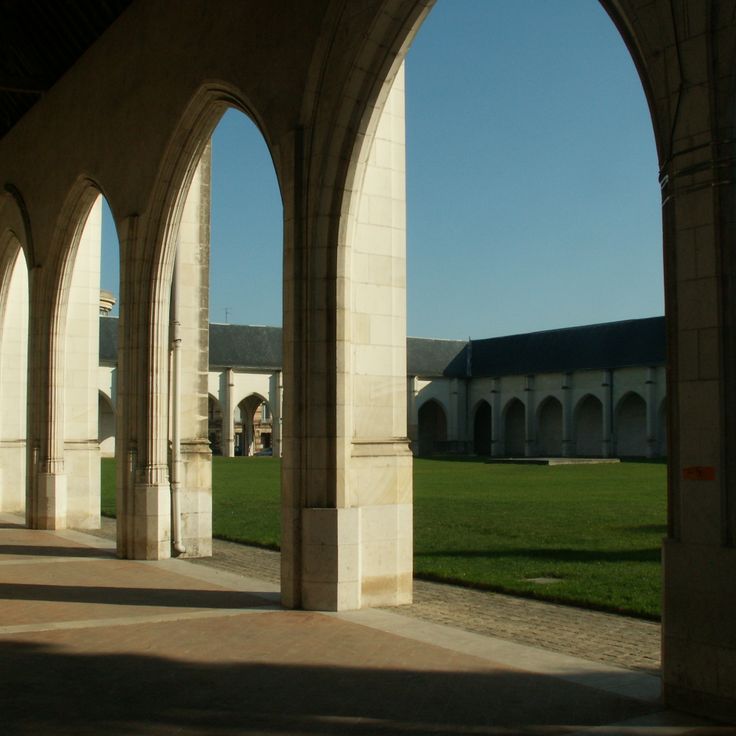
The Campo Santo in Orléans is a former medieval cemetery that has been transformed into a vibrant cultural space. Gothic arcades and sculpted stone details frame this vast courtyard, creating an atmosphere that speaks to centuries past. During summer months, festivals and performances bring fresh energy to these historic walls, turning the space into a gathering place for art and community. The Campo Santo shows how an old place can find new purpose while keeping its historical character alive.
The Church of Notre-Dame-de-Recouvrance in Orléans sits along the Loire River, displaying the beauty of Flamboyant Gothic architecture. Its vaults are richly decorated, and contemporary stained glass windows bring modern art into the space. Light streams through these windows, creating a bright and open feeling inside. The church brings together old craftsmanship with recent creative work in a natural way. As you walk through the city, you discover this place where history and present day meet.
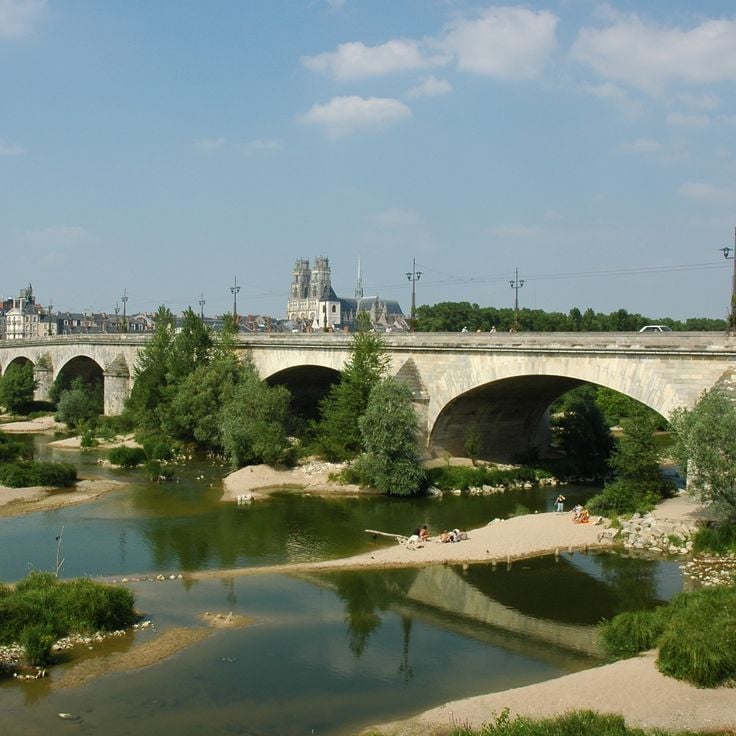
The Pont George V is a 19th-century stone bridge that spans the Loire with five arches. From this bridge, you get clear views of the city's waterfront. Walking across on foot lets you take in the scale of the river and understand how Orléans relates to the water that flows past it. The bridge connects the city with its history and natural landscape.
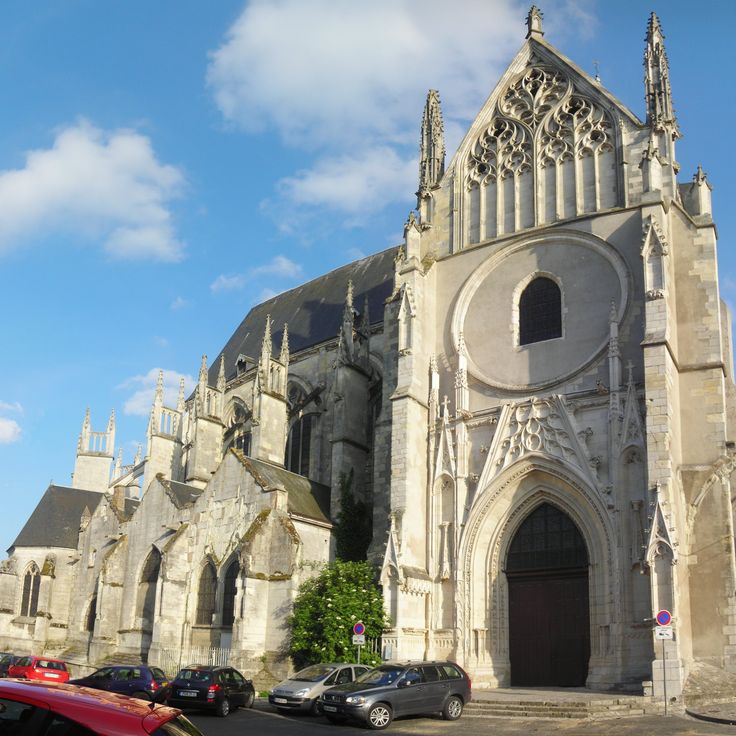
Saint-Euverte Church in Orléans blends Romanesque and Gothic architecture from the 12th and 13th centuries. Its pentagonal choir and radiating chapels create a sense of lightness and movement. Fine sculptural details showcase the craftsmanship of that era. As you walk through the city, this building stands as part of Orléans' rich religious heritage.
The Hôtel des Créneaux is a Gothic building from the 15th century, recognizable by its octagonal tower and clock. This structure once served as the city hall of Orléans and displays distinctive architecture that rewards a closer look. Walking through the old town, you encounter this building as a reminder of the city's layered history and careful craftsmanship.
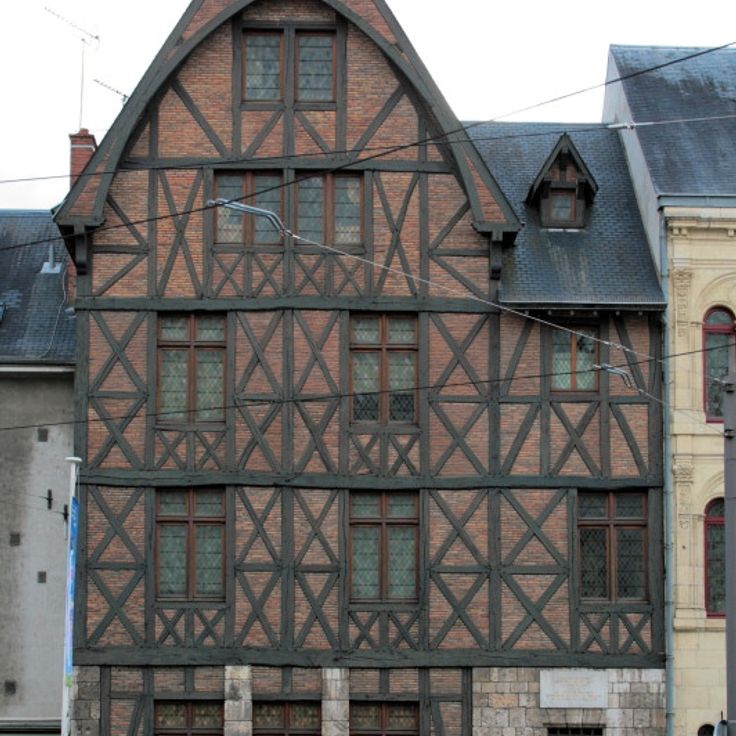
The Hôtel Euverte-Hatte is a half-timbered house from the 15th century located in the heart of Orléans. It features a courtyard and displays the typical construction methods of its era, with compact spaces and detailed wooden carvings. The building now houses a literary documentation center that maintains the spirit of the historical place. It is a good example of the Renaissance architecture that defines the old city center and speaks to Orléans' long history.
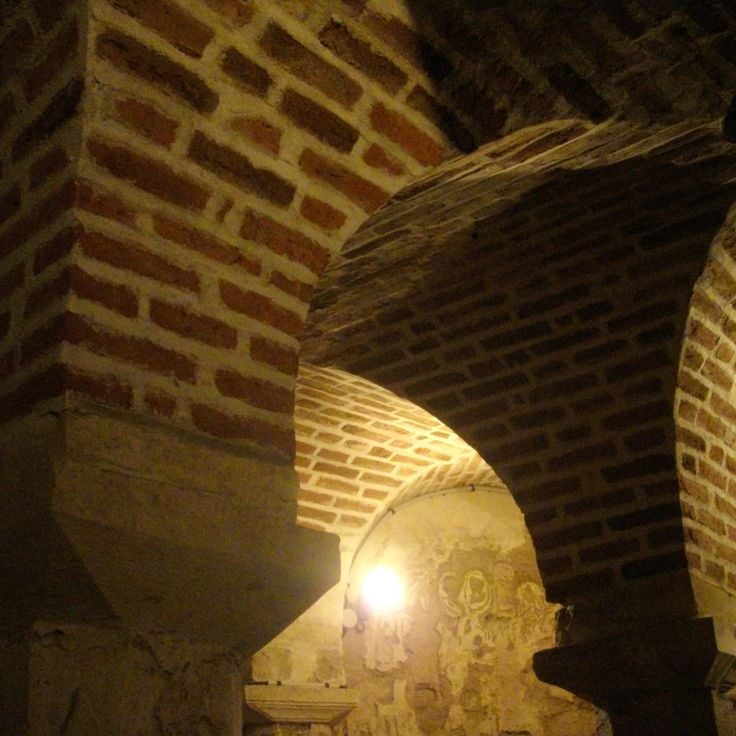
The crypt of Saint-Avit lies beneath the former monastery in Orléans and dates from the 11th century. Sculptures and medieval paintings are preserved here, revealed by soft lighting that brings out their details. A visit to this underground space is brief but leaves a lasting impression as part of the layered history found throughout the city.
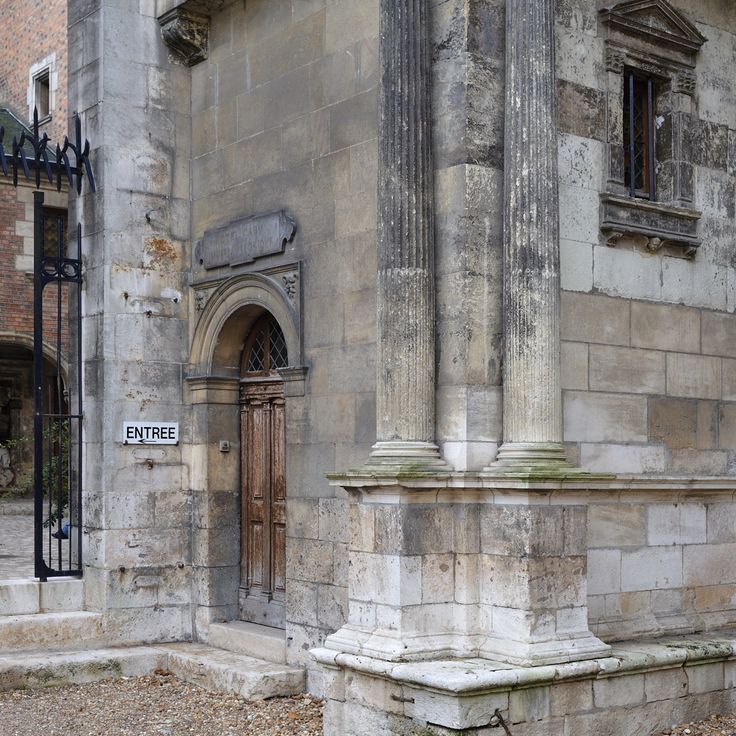
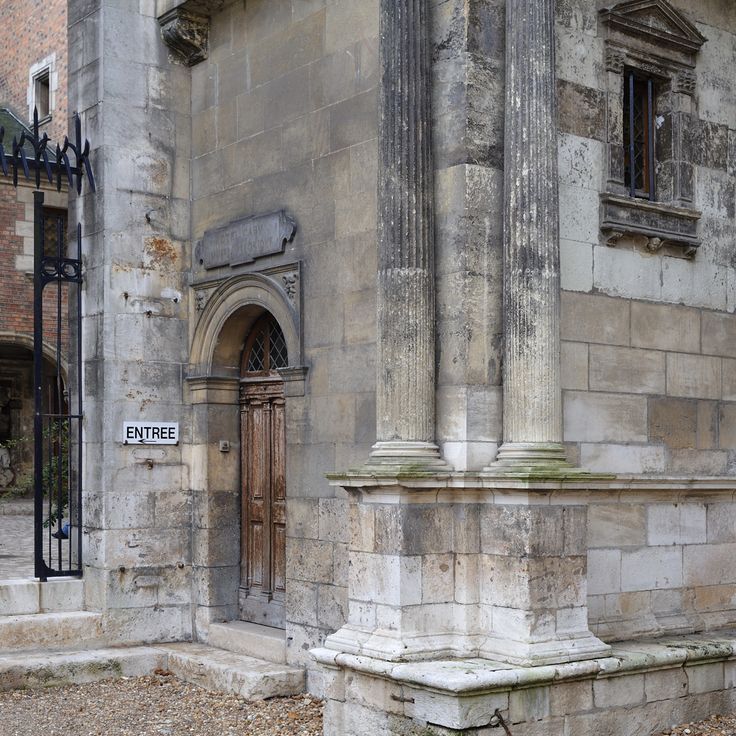
The Hôtel Cabu is a remarkable Renaissance building from 1547 with a skillfully carved facade located in Orléans. Inside, this house holds important archaeological and historical collections that tell the story of the Orléanais region. The stonework of the facade reveals as much about the past as the objects displayed in the cases.
The Place du Martroi is a large square at the heart of Orléans where the city's daily life unfolds. A bronze equestrian statue of Jeanne d'Arc, created by Denis Foyatier in 1855, stands at its center and watches over the square. Terraces line the square and come alive from morning to evening with locals and visitors. From this vantage point, you can observe the rhythms of the city as people move through the space and gather at the cafes.
The Cathedral of Sainte-Croix stands at the heart of Orléans with its distinctive Gothic style. Built between the 13th and 18th centuries and restored under Henry IV, the cathedral's towers guide the eye from across the city. Inside, the spaces tell the story of Orléans' religious past. Visitors enter a place where history and faith meet. The architecture creates a quietness that commands respect and reflection.
The FRAC Centre-Val de Loire is a contemporary building where art and architecture come together. It houses over 600 works and hundreds of models. The exhibitions ask questions about the city of yesterday and tomorrow. A visit leaves you with plenty of ideas to think about.
The Botanical Garden in Orléans is a place to read, walk, and catch your breath. Its grounds include greenhouses, an arboretum, and seasonal beds with rare plants. Families appreciate the shade of the trees, and walkers enjoy the stillness of this garden in the middle of the city.
The Hôtel Groslot is a striking Renaissance building made of red brick, constructed in 1550 for Jacques Groslot. Today it serves as the town hall of Orléans. Inside, you find wood paneling, stained glass windows, and grand rooms that blend artistic beauty with municipal life. The building reflects the refined architecture of the Renaissance and remains central to the city's daily activities.
The Parc Floral de la Source is a large themed garden in Orléans that flows through different plant collections. You walk from rose gardens to iris beds and then to dahlias. Tropical greenhouses shelter butterflies and exotic birds. The place invites you to stroll without watching the clock. It offers moments of rest in the middle of the city.
The Jeanne d'Arc House in Orléans is an interpretation center built on the historical site where the heroine stayed in 1429. Films, maps, documents, and period scenes tell the story of the siege of Orléans. Walking through these rooms, the legend becomes clearer and more human.
The Musée des Beaux-Arts in Orléans occupies a former bishop's palace and invites visitors to walk through its galleries. The collection displays paintings by French, Italian, and Flemish artists from the 15th to the 20th century. Works by Velázquez and Correggio hang alongside many others. The bright rooms encourage you to pause and study the paintings at your own pace.
MOBE spans four floors in Orléans and invites visitors to explore the variety of nature. Fossils, skeletons, minerals, and mounted animals share space with interactive displays you can touch. Visitors of all ages ask questions and follow their curiosity through the collections. The museum makes natural history tangible and encourages discovery.
The Musée Mémorial des Enfants du Vel d'Hiv in Orléans is a solemn place of remembrance dedicated to the deportation of children in 1942. Visitors walk through in silence, encountering faces, names, and documents that tell this difficult story. People leave feeling moved to share what they have learned. This memorial fits within Orléans' broader narrative of history, where the past is felt throughout the city's streets and squares.
La Paillote is an outdoor venue right along the Loire River, open to the water. Concerts happen here, people share drinks, and the food is straightforward. In summer, you sit on the terrace watching the sun disappear behind the riverbanks, and the evening stretches on without you noticing how much time has passed.
This street links the city center to the Loire and shows the Orléans of the 18th century. Regular facades line both sides, and shops invite you to wander. Walking here reveals how the city lived and still lives, with each storefront telling a small story.
This museum is housed in the Hôtel Cabu, a Renaissance jewel in the heart of Orléans. It displays collections that tell the story of the city and its surrounding area. Gallic bronzes recovered from the Loire river are displayed here, along with objects that illuminate daily life and the significance of this region. The museum has an intimate scale and presents its treasures in a straightforward way. The rooms invite you to linger, and each piece speaks of Orléans and its roots. It is a place where history becomes tangible without feeling overwhelming.
The Île Charlemagne leisure area in Saint-Jean-le-Blanc sits just a few kilometers from Orléans and offers seventy hectares of space between water and paths. Here you can swim in supervised areas during summer, try water sports, or run and cycle on trails. It is a place to move around and breathe fresh air, close enough to reach easily from the city center.
Church Saint-Paterne is a 19th century neo-Gothic building filled with light from tall stained glass windows. The nave rises to about 15 meters high, creating a bright and welcoming space. This church is deeply rooted in its neighborhood and represents part of Orléans' religious and architectural heritage.
The Parc Louis Pasteur in Orléans is a large municipal garden designed for families. It features a small train, carousels, play areas, and petanque courts. Wide paths invite you to wander at your own pace. You might spend an hour here or spend the whole afternoon.
The Church of Saint-Aignan stands in the heart of Orléans and is an ancient building that carries the city's history within its walls. Beneath the choir lies a Romanesque crypt adorned with carved capitals and painted decorations. The space conveys a sense of calm and reflects the continuity of centuries past. This church is part of the rich heritage that defines Orléans, a city where history appears at every turn and architecture tells stories of daily life and faith.
The old town of Orléans has a face shaped by centuries. Paved lanes wind between half-timbered houses from the 15th and 16th centuries. The facades speak to one another, each with its own character. Those who walk here look up and find carved wood details, old guild signs, balconies. History lies in the stones, in how light falls through the narrow streets, in the quiet of some corners. The old town of Orléans shows how people lived here for a long time, traded, built their homes. You can take it all in quietly, without rushing.
The House of Ponds in Orléans is a small visitor center dedicated to wetlands and their natural life. Walking paths lead you through different environments where you can observe birds and plants from designated viewing points. Simple explanations help you understand what you see in the landscape. A visit here leaves you wanting to return with binoculars to explore more.
Renaissance and French-style gardens for an elegant setting. Inside, a collection narrates the history of perfume and hygiene. The exhibit combines objects, scents, and memories.
The Campo Santo in Orléans is a former medieval cemetery that has been transformed into a vibrant cultural space. Gothic arcades and sculpted stone details frame this vast courtyard, creating an atmosphere that speaks to centuries past. During summer months, festivals and performances bring fresh energy to these historic walls, turning the space into a gathering place for art and community. The Campo Santo shows how an old place can find new purpose while keeping its historical character alive.
The Church of Notre-Dame-de-Recouvrance in Orléans sits along the Loire River, displaying the beauty of Flamboyant Gothic architecture. Its vaults are richly decorated, and contemporary stained glass windows bring modern art into the space. Light streams through these windows, creating a bright and open feeling inside. The church brings together old craftsmanship with recent creative work in a natural way. As you walk through the city, you discover this place where history and present day meet.
The Pont George V is a 19th-century stone bridge that spans the Loire with five arches. From this bridge, you get clear views of the city's waterfront. Walking across on foot lets you take in the scale of the river and understand how Orléans relates to the water that flows past it. The bridge connects the city with its history and natural landscape.
Saint-Euverte Church in Orléans blends Romanesque and Gothic architecture from the 12th and 13th centuries. Its pentagonal choir and radiating chapels create a sense of lightness and movement. Fine sculptural details showcase the craftsmanship of that era. As you walk through the city, this building stands as part of Orléans' rich religious heritage.
The Hôtel des Créneaux is a Gothic building from the 15th century, recognizable by its octagonal tower and clock. This structure once served as the city hall of Orléans and displays distinctive architecture that rewards a closer look. Walking through the old town, you encounter this building as a reminder of the city's layered history and careful craftsmanship.
The Hôtel Euverte-Hatte is a half-timbered house from the 15th century located in the heart of Orléans. It features a courtyard and displays the typical construction methods of its era, with compact spaces and detailed wooden carvings. The building now houses a literary documentation center that maintains the spirit of the historical place. It is a good example of the Renaissance architecture that defines the old city center and speaks to Orléans' long history.
The crypt of Saint-Avit lies beneath the former monastery in Orléans and dates from the 11th century. Sculptures and medieval paintings are preserved here, revealed by soft lighting that brings out their details. A visit to this underground space is brief but leaves a lasting impression as part of the layered history found throughout the city.
The Hôtel Cabu is a remarkable Renaissance building from 1547 with a skillfully carved facade located in Orléans. Inside, this house holds important archaeological and historical collections that tell the story of the Orléanais region. The stonework of the facade reveals as much about the past as the objects displayed in the cases.
The Place du Martroi is a large square at the heart of Orléans where the city's daily life unfolds. A bronze equestrian statue of Jeanne d'Arc, created by Denis Foyatier in 1855, stands at its center and watches over the square. Terraces line the square and come alive from morning to evening with locals and visitors. From this vantage point, you can observe the rhythms of the city as people move through the space and gather at the cafes.
The Cathedral of Sainte-Croix stands at the heart of Orléans with its distinctive Gothic style. Built between the 13th and 18th centuries and restored under Henry IV, the cathedral's towers guide the eye from across the city. Inside, the spaces tell the story of Orléans' religious past. Visitors enter a place where history and faith meet. The architecture creates a quietness that commands respect and reflection.
The FRAC Centre-Val de Loire is a contemporary building where art and architecture come together. It houses over 600 works and hundreds of models. The exhibitions ask questions about the city of yesterday and tomorrow. A visit leaves you with plenty of ideas to think about.
The Botanical Garden in Orléans is a place to read, walk, and catch your breath. Its grounds include greenhouses, an arboretum, and seasonal beds with rare plants. Families appreciate the shade of the trees, and walkers enjoy the stillness of this garden in the middle of the city.
The Hôtel Groslot is a striking Renaissance building made of red brick, constructed in 1550 for Jacques Groslot. Today it serves as the town hall of Orléans. Inside, you find wood paneling, stained glass windows, and grand rooms that blend artistic beauty with municipal life. The building reflects the refined architecture of the Renaissance and remains central to the city's daily activities.
The Parc Floral de la Source is a large themed garden in Orléans that flows through different plant collections. You walk from rose gardens to iris beds and then to dahlias. Tropical greenhouses shelter butterflies and exotic birds. The place invites you to stroll without watching the clock. It offers moments of rest in the middle of the city.
The Jeanne d'Arc House in Orléans is an interpretation center built on the historical site where the heroine stayed in 1429. Films, maps, documents, and period scenes tell the story of the siege of Orléans. Walking through these rooms, the legend becomes clearer and more human.
The Musée des Beaux-Arts in Orléans occupies a former bishop's palace and invites visitors to walk through its galleries. The collection displays paintings by French, Italian, and Flemish artists from the 15th to the 20th century. Works by Velázquez and Correggio hang alongside many others. The bright rooms encourage you to pause and study the paintings at your own pace.
MOBE spans four floors in Orléans and invites visitors to explore the variety of nature. Fossils, skeletons, minerals, and mounted animals share space with interactive displays you can touch. Visitors of all ages ask questions and follow their curiosity through the collections. The museum makes natural history tangible and encourages discovery.
The Musée Mémorial des Enfants du Vel d'Hiv in Orléans is a solemn place of remembrance dedicated to the deportation of children in 1942. Visitors walk through in silence, encountering faces, names, and documents that tell this difficult story. People leave feeling moved to share what they have learned. This memorial fits within Orléans' broader narrative of history, where the past is felt throughout the city's streets and squares.
La Paillote is an outdoor venue right along the Loire River, open to the water. Concerts happen here, people share drinks, and the food is straightforward. In summer, you sit on the terrace watching the sun disappear behind the riverbanks, and the evening stretches on without you noticing how much time has passed.
This street links the city center to the Loire and shows the Orléans of the 18th century. Regular facades line both sides, and shops invite you to wander. Walking here reveals how the city lived and still lives, with each storefront telling a small story.
This museum is housed in the Hôtel Cabu, a Renaissance jewel in the heart of Orléans. It displays collections that tell the story of the city and its surrounding area. Gallic bronzes recovered from the Loire river are displayed here, along with objects that illuminate daily life and the significance of this region. The museum has an intimate scale and presents its treasures in a straightforward way. The rooms invite you to linger, and each piece speaks of Orléans and its roots. It is a place where history becomes tangible without feeling overwhelming.
The Île Charlemagne leisure area in Saint-Jean-le-Blanc sits just a few kilometers from Orléans and offers seventy hectares of space between water and paths. Here you can swim in supervised areas during summer, try water sports, or run and cycle on trails. It is a place to move around and breathe fresh air, close enough to reach easily from the city center.
Church Saint-Paterne is a 19th century neo-Gothic building filled with light from tall stained glass windows. The nave rises to about 15 meters high, creating a bright and welcoming space. This church is deeply rooted in its neighborhood and represents part of Orléans' religious and architectural heritage.
The Parc Louis Pasteur in Orléans is a large municipal garden designed for families. It features a small train, carousels, play areas, and petanque courts. Wide paths invite you to wander at your own pace. You might spend an hour here or spend the whole afternoon.
The Church of Saint-Aignan stands in the heart of Orléans and is an ancient building that carries the city's history within its walls. Beneath the choir lies a Romanesque crypt adorned with carved capitals and painted decorations. The space conveys a sense of calm and reflects the continuity of centuries past. This church is part of the rich heritage that defines Orléans, a city where history appears at every turn and architecture tells stories of daily life and faith.
The old town of Orléans has a face shaped by centuries. Paved lanes wind between half-timbered houses from the 15th and 16th centuries. The facades speak to one another, each with its own character. Those who walk here look up and find carved wood details, old guild signs, balconies. History lies in the stones, in how light falls through the narrow streets, in the quiet of some corners. The old town of Orléans shows how people lived here for a long time, traded, built their homes. You can take it all in quietly, without rushing.
The House of Ponds in Orléans is a small visitor center dedicated to wetlands and their natural life. Walking paths lead you through different environments where you can observe birds and plants from designated viewing points. Simple explanations help you understand what you see in the landscape. A visit here leaves you wanting to return with binoculars to explore more.
Renaissance and French-style gardens for an elegant setting. Inside, a collection narrates the history of perfume and hygiene. The exhibit combines objects, scents, and memories.
The Campo Santo in Orléans is a former medieval cemetery that has been transformed into a vibrant cultural space. Gothic arcades and sculpted stone details frame this vast courtyard, creating an atmosphere that speaks to centuries past. During summer months, festivals and performances bring fresh energy to these historic walls, turning the space into a gathering place for art and community. The Campo Santo shows how an old place can find new purpose while keeping its historical character alive.
The Church of Notre-Dame-de-Recouvrance in Orléans sits along the Loire River, displaying the beauty of Flamboyant Gothic architecture. Its vaults are richly decorated, and contemporary stained glass windows bring modern art into the space. Light streams through these windows, creating a bright and open feeling inside. The church brings together old craftsmanship with recent creative work in a natural way. As you walk through the city, you discover this place where history and present day meet.
The Pont George V is a 19th-century stone bridge that spans the Loire with five arches. From this bridge, you get clear views of the city's waterfront. Walking across on foot lets you take in the scale of the river and understand how Orléans relates to the water that flows past it. The bridge connects the city with its history and natural landscape.
Saint-Euverte Church in Orléans blends Romanesque and Gothic architecture from the 12th and 13th centuries. Its pentagonal choir and radiating chapels create a sense of lightness and movement. Fine sculptural details showcase the craftsmanship of that era. As you walk through the city, this building stands as part of Orléans' rich religious heritage.
The Hôtel des Créneaux is a Gothic building from the 15th century, recognizable by its octagonal tower and clock. This structure once served as the city hall of Orléans and displays distinctive architecture that rewards a closer look. Walking through the old town, you encounter this building as a reminder of the city's layered history and careful craftsmanship.
The Hôtel Euverte-Hatte is a half-timbered house from the 15th century located in the heart of Orléans. It features a courtyard and displays the typical construction methods of its era, with compact spaces and detailed wooden carvings. The building now houses a literary documentation center that maintains the spirit of the historical place. It is a good example of the Renaissance architecture that defines the old city center and speaks to Orléans' long history.
The crypt of Saint-Avit lies beneath the former monastery in Orléans and dates from the 11th century. Sculptures and medieval paintings are preserved here, revealed by soft lighting that brings out their details. A visit to this underground space is brief but leaves a lasting impression as part of the layered history found throughout the city.
The Hôtel Cabu is a remarkable Renaissance building from 1547 with a skillfully carved facade located in Orléans. Inside, this house holds important archaeological and historical collections that tell the story of the Orléanais region. The stonework of the facade reveals as much about the past as the objects displayed in the cases.