See the monuments around you in AROpen chests in the app
Around Us is built for your phone — point your camera at the streets and discover the monuments and places around you in augmented reality.Around Us is built for your phone — chests unlock when you walk, explore and capture nearby places.
Hidden treasures in Centre-Val de Loire: medieval castles, petrifying caves, and historic mills
The Centre-Val de Loire showcases a diverse heritage, from medieval fortresses like Château de Lavardin to Renaissance structures. The region features protected natural sites such as the Chérine Nature Reserve and the Domaine du Ciran, which host hundreds of bird species in their ponds and woodlands. The Savonnières Pétrifiantes Caves illustrate local geological phenomena, while the Briare Canal Bridge demonstrates 19th-century engineering.
This selection also includes historical and cultural sites, from the Dunois Mill preserving 17th-century mechanisms to the Marcel Proust Museum housed in an authentic residence. The Picassiette House in Chartres exhibits Raymond Isidore's unique work over several decades. The Parc Floral de la Source and the Saint-Ours Collegiate complete this exploration combining Gothic religious architecture with themed gardens, providing diverse discoveries accessible to visitors.
Hidden treasures in Centre-Val de Loire: medieval castles, petrifying caves, and historic mills
The Centre-Val de Loire showcases a diverse heritage, from medieval fortresses like Château de Lavardin to Renaissance structures. The region features protected natural sites such as the Chérine Nature Reserve and the Domaine du Ciran, which host hundreds of bird species in their ponds and woodlands. The Savonnières Pétrifiantes Caves illustrate local geological phenomena, while the Briare Canal Bridge demonstrates 19th-century engineering.
This selection also includes historical and cultural sites, from the Dunois Mill preserving 17th-century mechanisms to the Marcel Proust Museum housed in an authentic residence. The Picassiette House in Chartres exhibits Raymond Isidore's unique work over several decades. The Parc Floral de la Source and the Saint-Ours Collegiate complete this exploration combining Gothic religious architecture with themed gardens, providing diverse discoveries accessible to visitors.
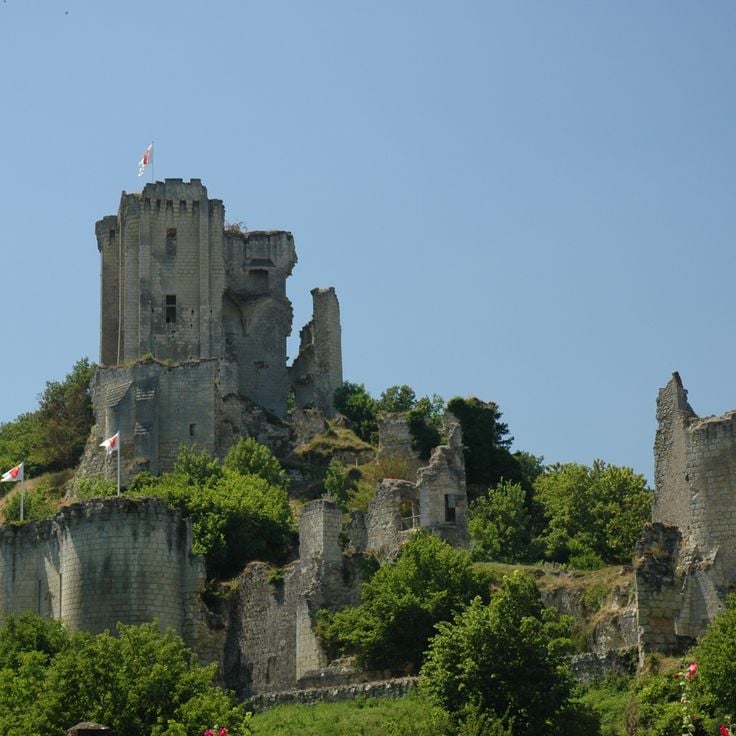
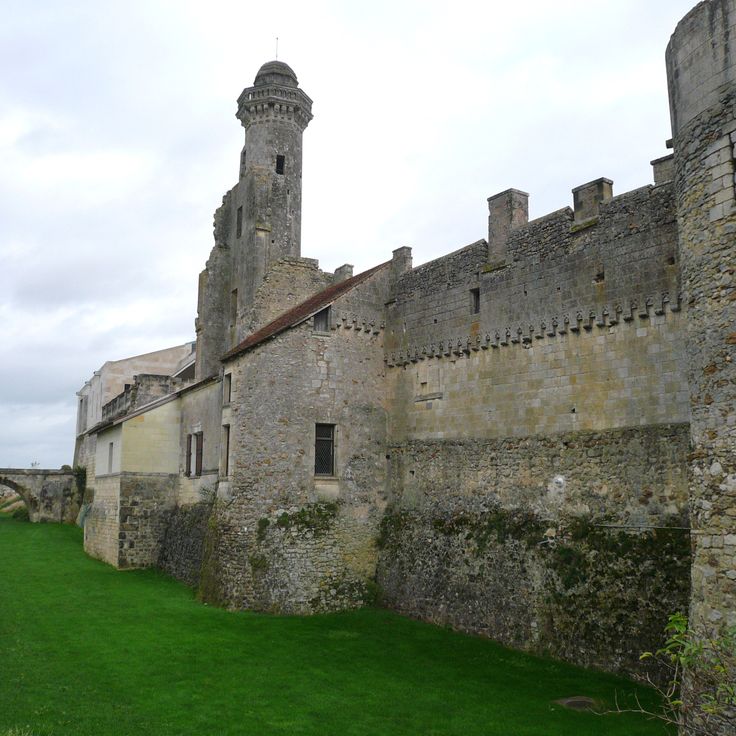
The Château de Lavardin is a fortress from the 11th and 12th centuries perched on a limestone cliff. It stands as a key example of medieval architecture in Centre-Val de Loire, featuring defensive towers, a keep, and underground passages. The ruins tell the story of this fortress's strategic importance and its role in the region's past.
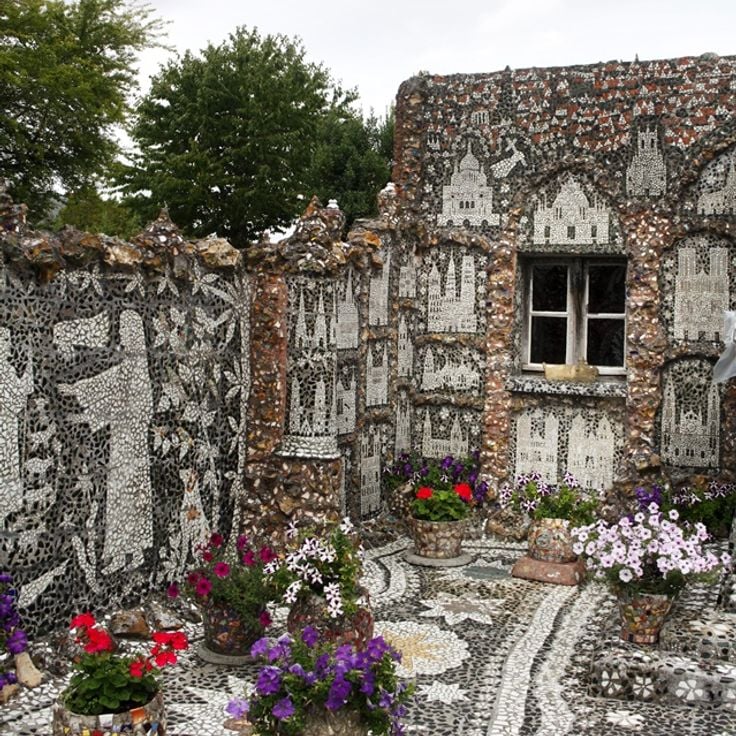
The Maison Picassiette in Chartres displays the remarkable work of Raymond Isidore, who covered this house with mosaics made from broken pottery and glass between 1938 and 1964. Walls, floors and furniture showcase intricate patterns. This house represents one of the hidden treasures of Centre-Val de Loire, alongside medieval castles, natural reserves, historic mills, and other cultural sites throughout the region.
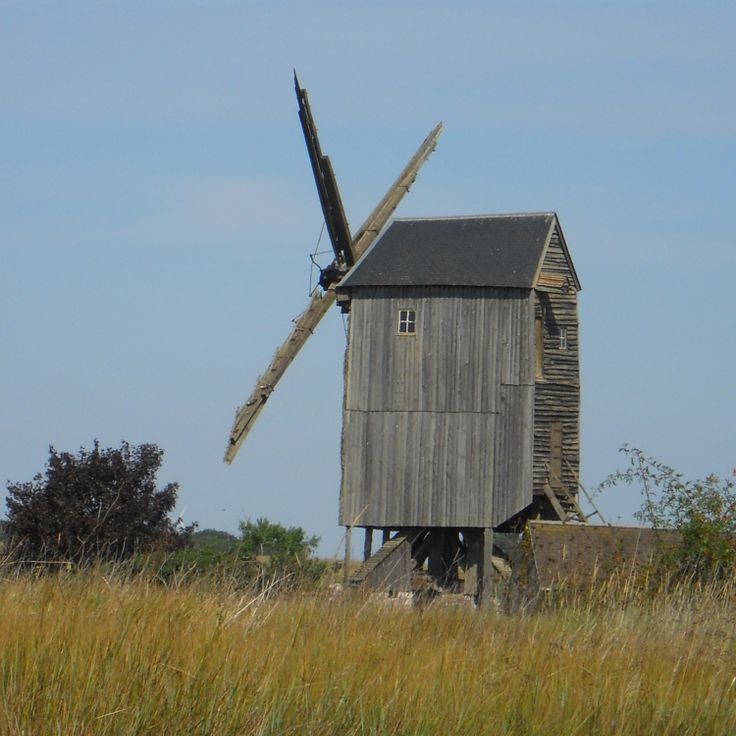
This 17th-century tower mill in Beaugency retains its original wooden mechanisms for grinding grain. As part of the hidden treasures of Centre-Val de Loire, it demonstrates traditional milling techniques from earlier centuries and offers insight into the region's working past.
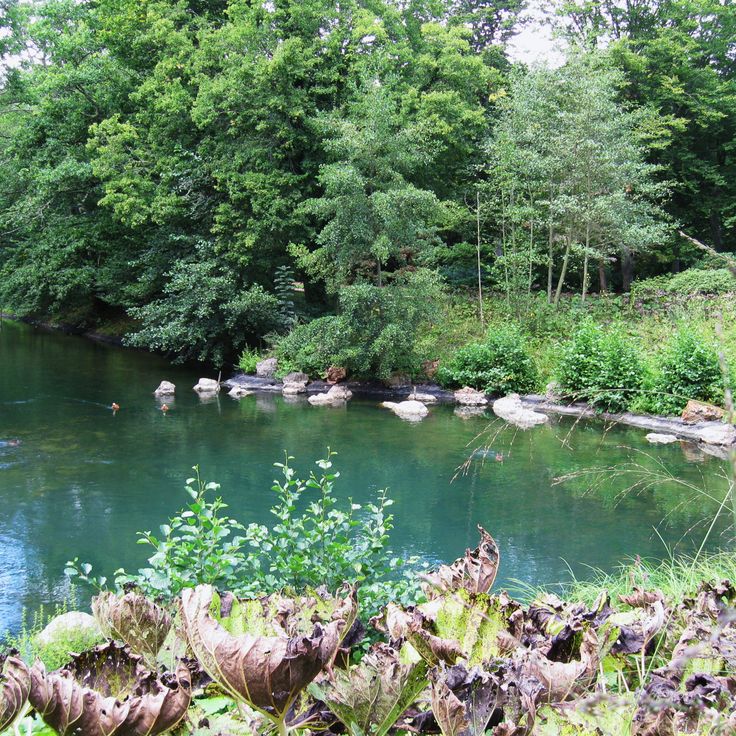
The Domaine du Ciran is a large nature reserve within this region, combining ponds, forests, and meadows into a single protected space. Marked paths guide visitors through the landscape where they can watch birds, deer, and small mammals living in their natural environment. This site demonstrates the natural diversity of Centre-Val de Loire and helps protect local habitats.
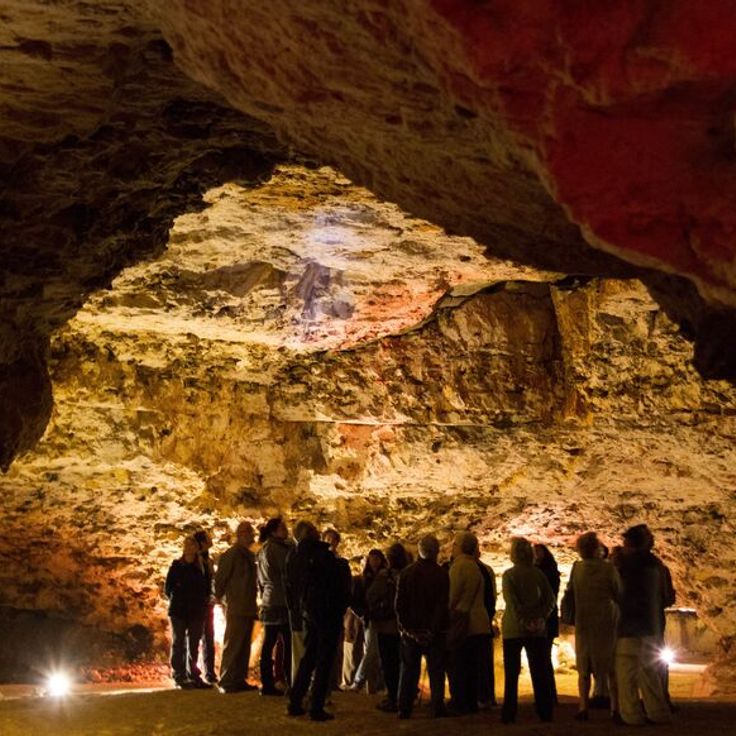
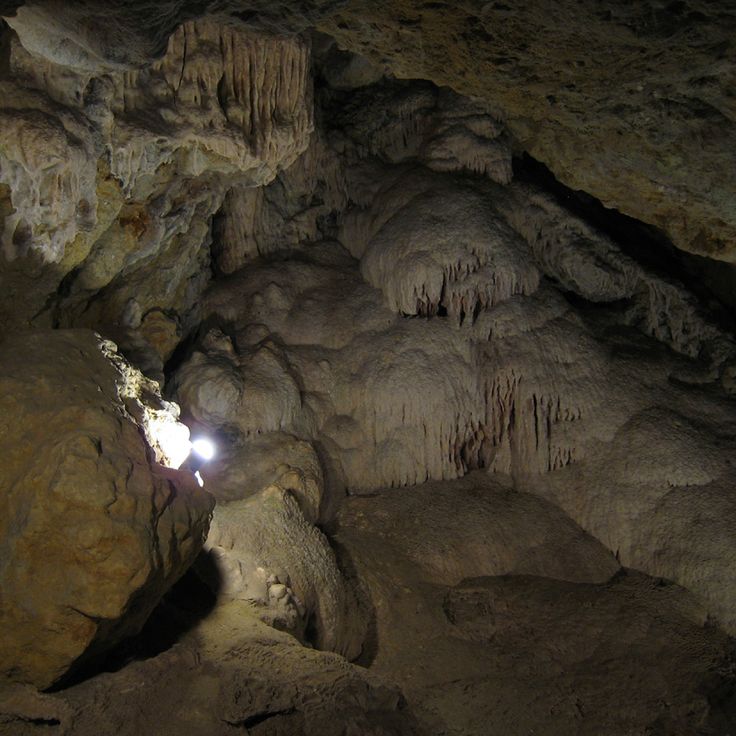
The Grottes Pétrifiantes de Savonnières are natural caves where mineral-rich water streams petrify objects through limestone deposits. These caves display a geological phenomenon characteristic of the Centre-Val de Loire region. Visitors can observe the ongoing petrification process and view various objects that have been transformed over time by flowing water.
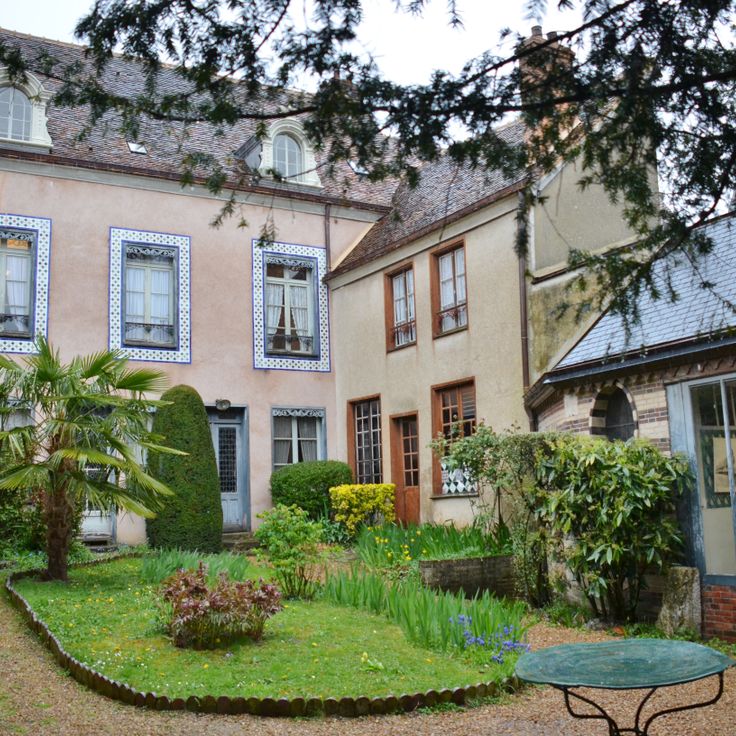
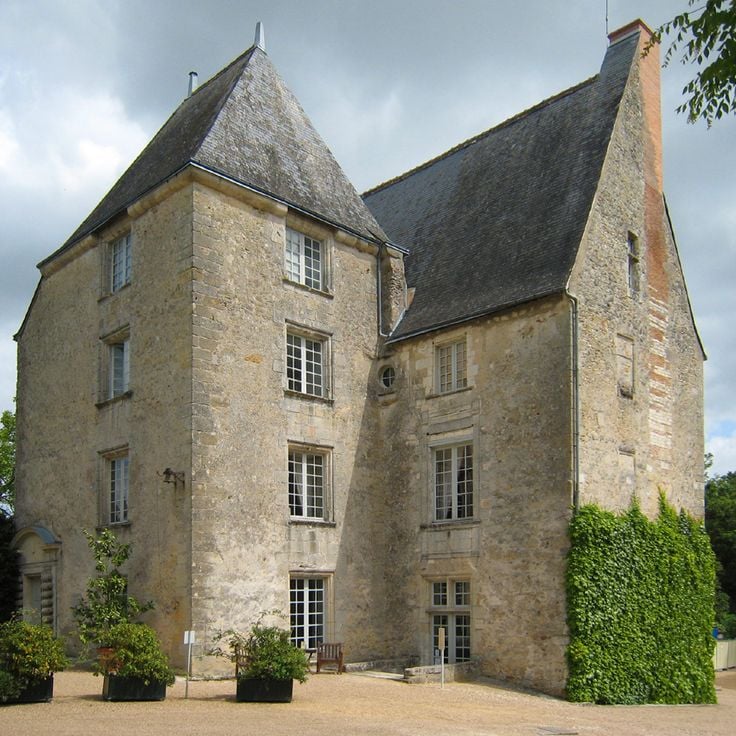
The Musée Marcel Proust occupies his aunt's house and displays furniture, letters, and first editions that document the writer's life and work. Located in the Centre-Val de Loire region, this museum connects literary history with the area's heritage, offering visitors a window into the personal world of one of France's most significant 20th-century authors.
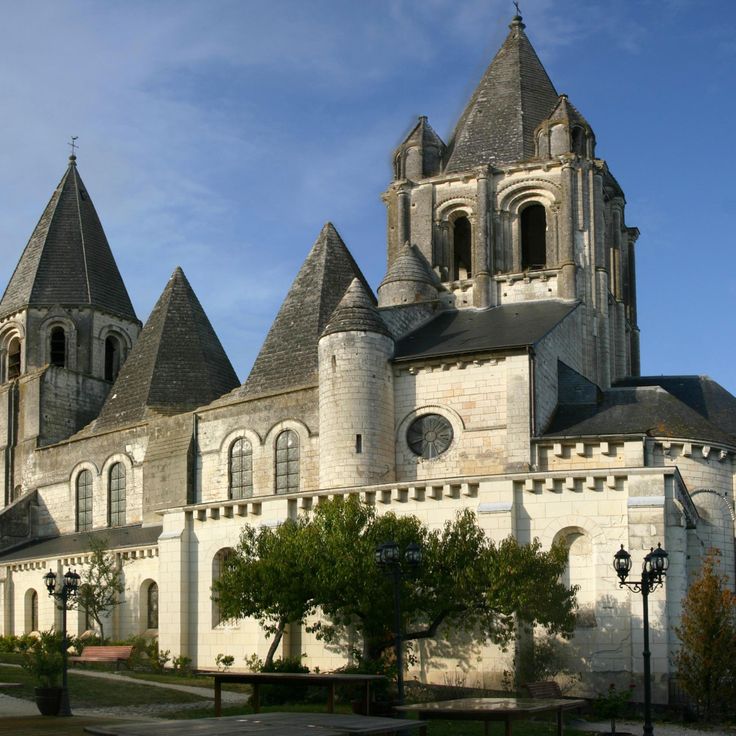
The Collégiale St Ours is a 12th-century Romanesque church located in Loches and stands as one of the historical and cultural sites in Centre-Val de Loire. This church features a double nave and distinctive stone pyramidal roofs built on octagonal bases. It represents the religious architecture of the region and contributes to the diverse heritage that spans from medieval fortresses to historic structures.
The Parc Floral de la Source in Orléans belongs to this collection of hidden treasures in Centre-Val de Loire. This park features thematic gardens, a butterfly garden, and the natural spring of the Loiret River, which emerges from underground sources. It combines carefully designed gardens with the natural geological phenomenon of the river's emergence, offering visitors a place where human cultivation meets natural spring water.
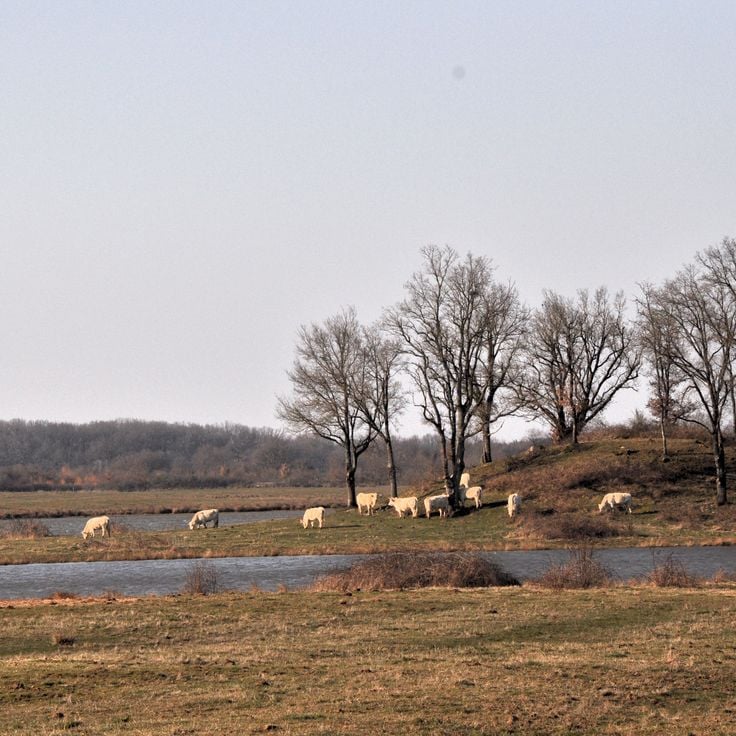
The Chérine Nature Reserve is part of this collection's hidden treasures in Centre-Val de Loire and represents the region's natural diversity. Across 145 hectares of ponds, marshes and meadows, 256 bird species nest and migrate throughout the year. This protected site complements the medieval castles and historic buildings in the region, showing how nature and history together shape this landscape.
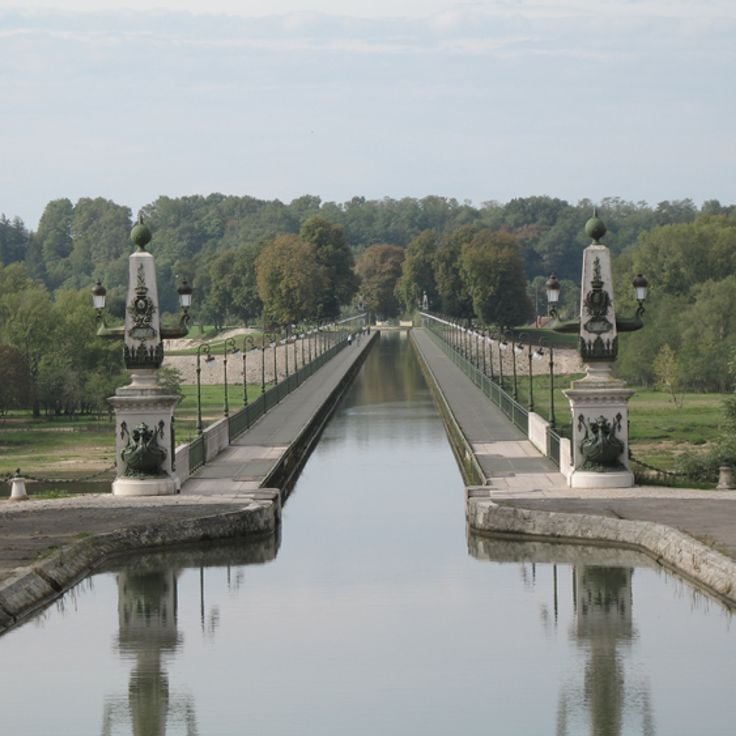
The Pont Canal de Briare is a metal structure completed in 1896 that carries boats across the Loire River. This bridge demonstrates 19th-century engineering skill and forms part of the Centre-Val de Loire's diverse heritage, where medieval castles, nature reserves home to rare bird species, and historical mills shape the landscape.
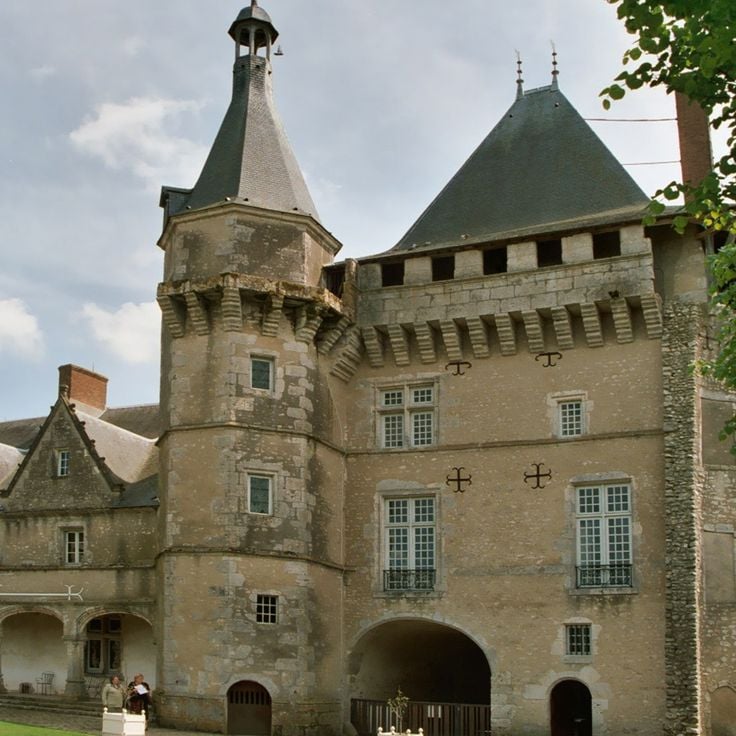
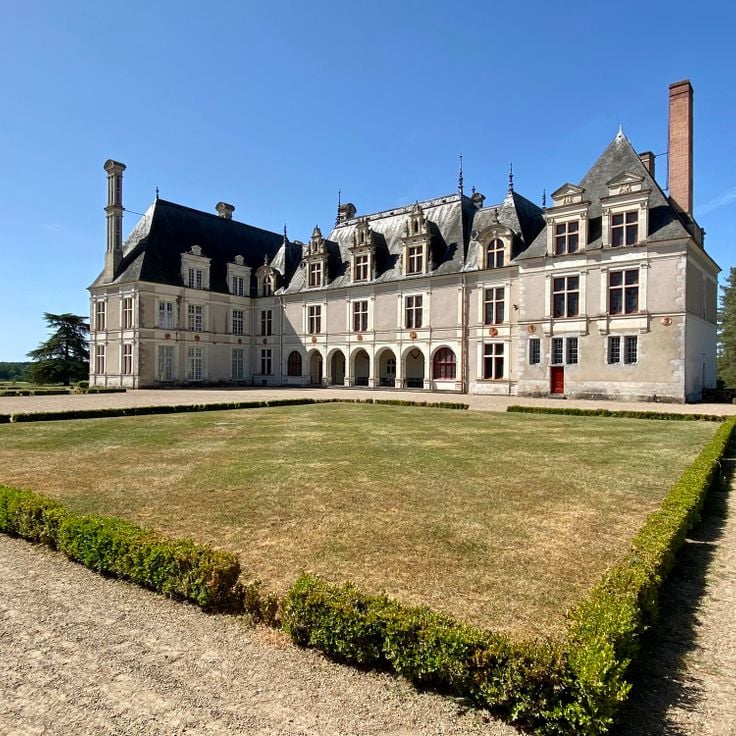
The Château de Talcy is a 16th-century castle that fits within this collection of hidden treasures in Centre-Val de Loire. The building preserves its original furniture and shows how wealthy families lived during this period. Around the castle lie gardens and an orchard with old French apple varieties, reflecting the rural heritage of the region.
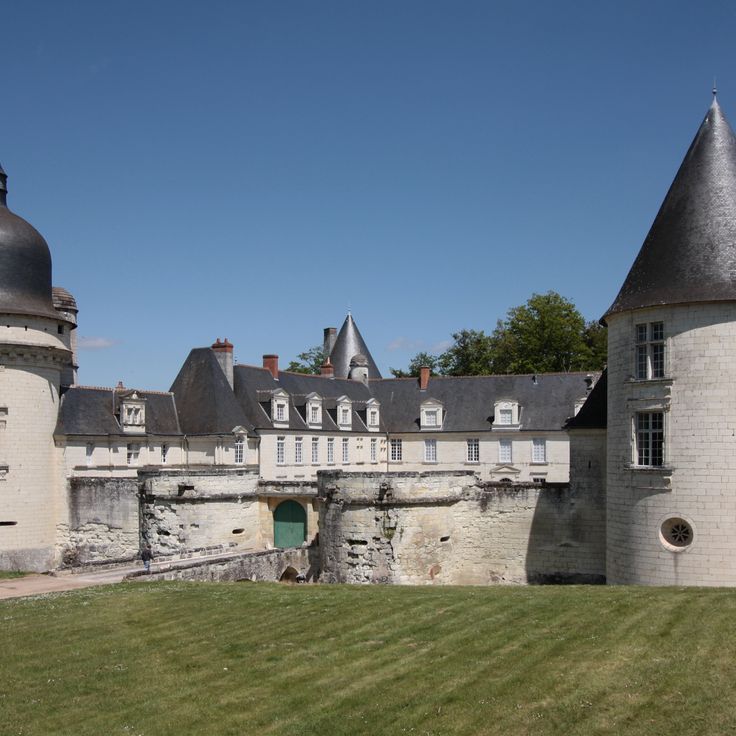
Gué-Péan Castle is a 15th-century fortress in this collection that shows the medieval architecture of the Centre-Val de Loire region. The castle combines Gothic style with Renaissance elements and sits within extensive forests. A moat surrounds the building, giving it a defensive appearance that reflects a time when such fortifications were essential for protection.
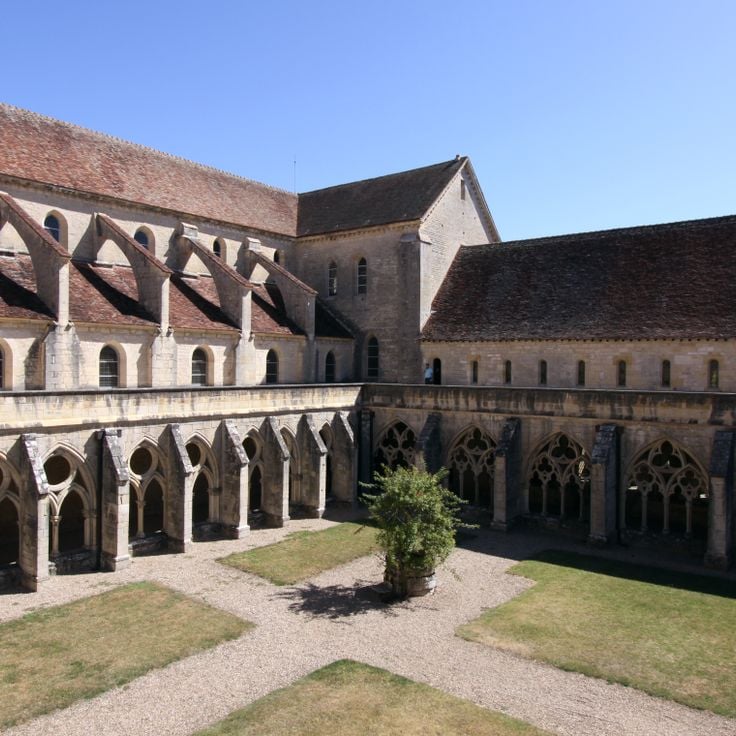
The Abbaye de Noirlac is a 12th-century Cistercian monastery that holds an important place in this collection of Centre-Val de Loire treasures. Through its cloister, refectory, and chapter house, the abbey reveals the architectural principles that guided monastic design. It stands as a significant example of religious heritage in a region where medieval fortresses, natural reserves, and historic mills together tell the story of centuries of human settlement and craft.
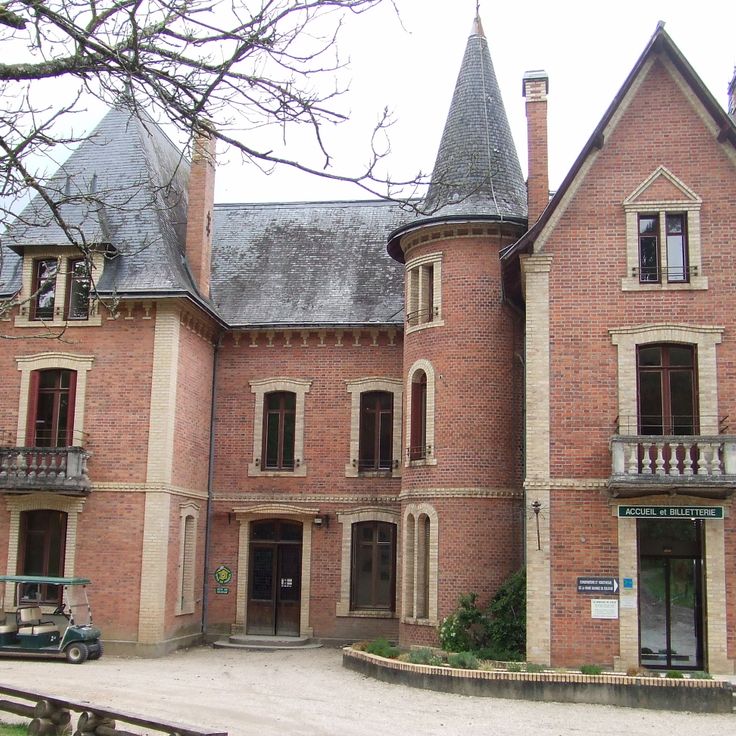
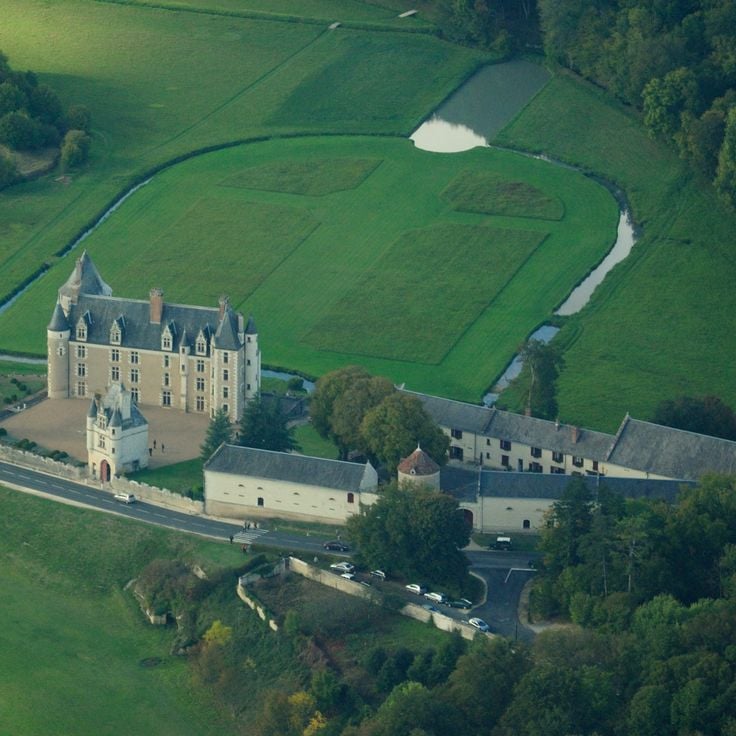
The Château de Montpoupon is an inhabited medieval fortress that stands as part of the region's diverse heritage in Centre-Val de Loire. The castle houses a museum dedicated to hunting history, equestrianism, and French rural life. Its rooms are furnished with period pieces and display collections of hunting weapons, saddles, and equipment from past centuries.
The Château de Villesavin was built in the 16th century and now houses a collection of wedding dresses and ceremonial items spanning several centuries. This castle fits perfectly into the exploration of Centre-Val de Loire, where Renaissance structures stand alongside medieval fortresses like Château de Lavardin and reflect the region's rich history.
The Musée des Meilleurs Ouvriers de France in Bourges displays the works of craftsmen who have received the Meilleur Ouvrier de France title, representing excellence in furniture making, metalwork, textile arts, and glasswork. This museum fits within the Centre-Val de Loire's diverse heritage, which ranges from medieval castles and historic mills to natural reserves and caves that reveal the region's rich cultural and natural character.
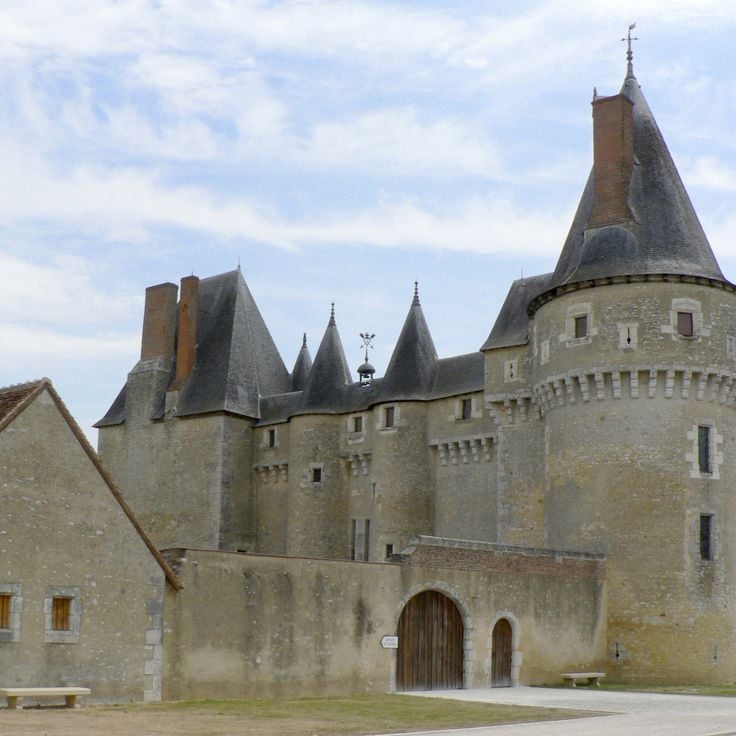
The Château de Fougères-sur-Bièvre is a 15th-century fortress and part of the medieval treasures found throughout Centre-Val de Loire. With its moat, battlements, and watchtowers, this castle shows the military architecture of its era and offers visitors a window into how people built and lived during that time.
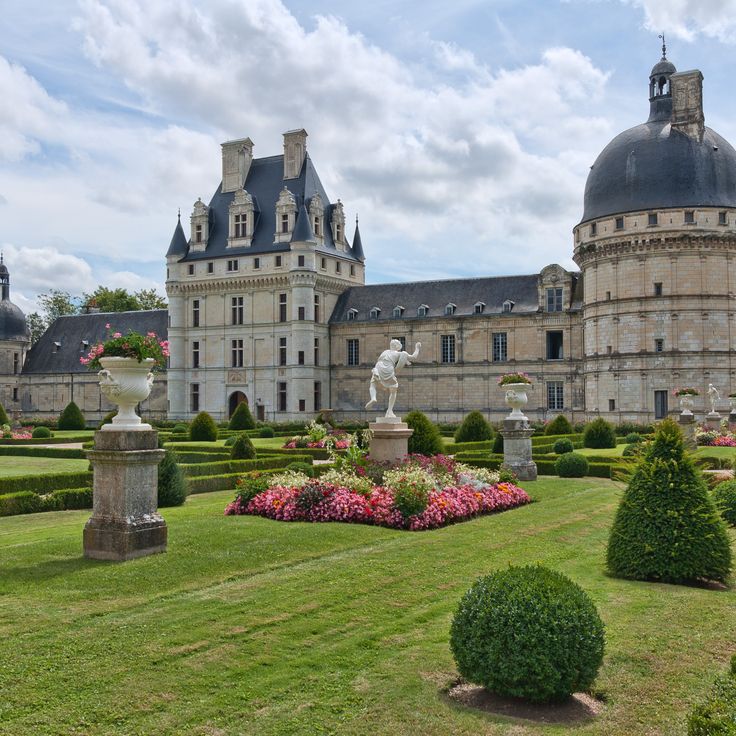
The Château de Valençay is part of this collection showcasing heritage treasures across Centre-Val de Loire. This castle blends Renaissance and classical architecture with French formal gardens and preserves a history of wine production on the estate. Its design and landscaping demonstrate how noble residences of the period were built and how wine-making shaped regional life and economy.
The Musée Saint-Roch in Issoudun displays archaeological finds, paintings, and documents that tell the story of Issoudun and the Berry region from medieval times to the present day. This museum complements the collection of Centre-Val de Loire's medieval castles, nature reserves, and historic mills, offering visitors a deeper understanding of the region's local history.
The Musée Balzac displays the workspaces, personal belongings and original manuscripts of Honoré de Balzac, who regularly stayed with friends here while writing several of his novels. This house connects to the literary and cultural exploration of Centre-Val de Loire, where historical sites like the Dunois Mill from the 17th century and the Picassiette House in Chartres show how creative people lived and worked in this region.
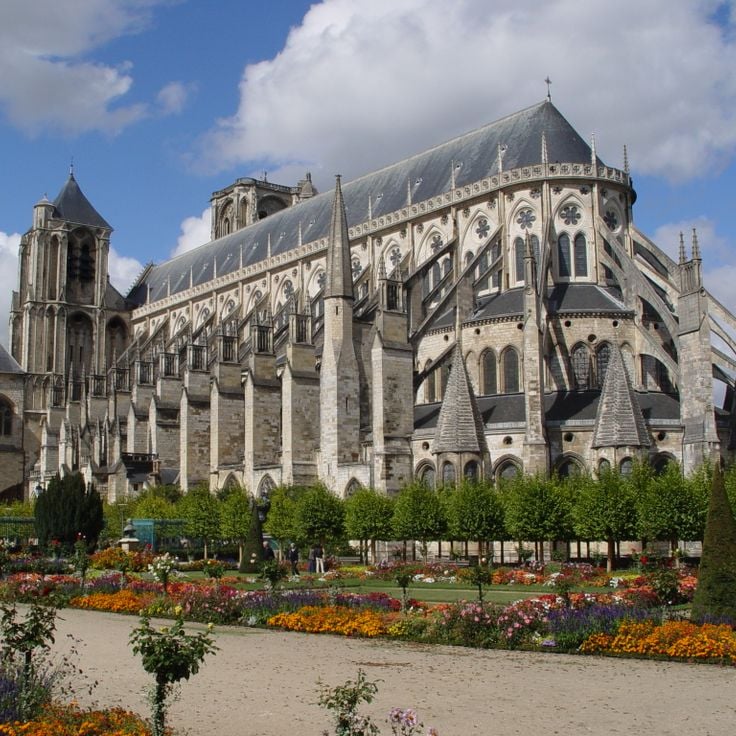
This cathedral crypt lies beneath the choir of the Bourges Cathedral and displays Romanesque architecture from the 12th century. Underground, visitors find columns, burial chambers, and stone carvings from the Middle Ages. It belongs to the treasures of Centre-Val de Loire, where churches, castles, and natural sites together form a varied heritage. The crypt tells the story of the people who shaped this region.
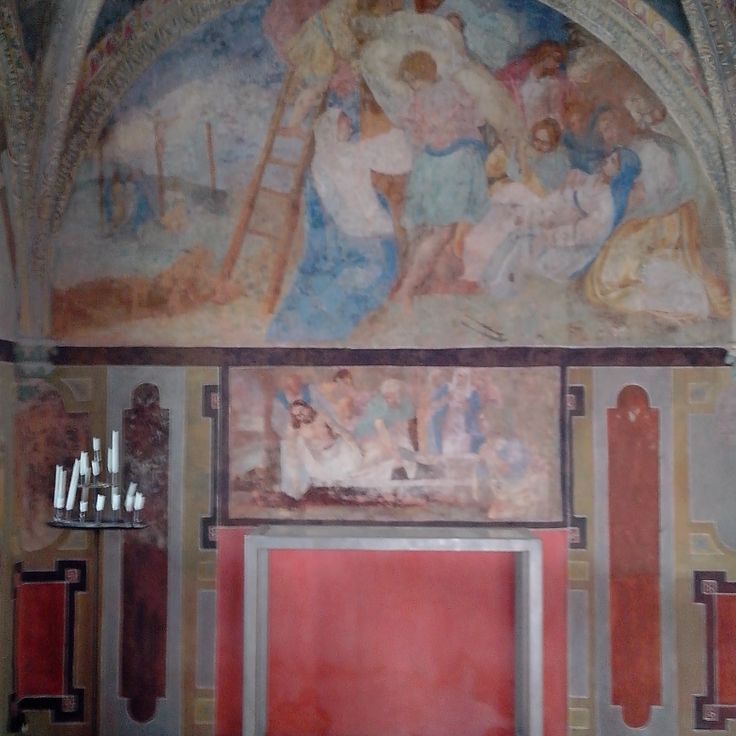
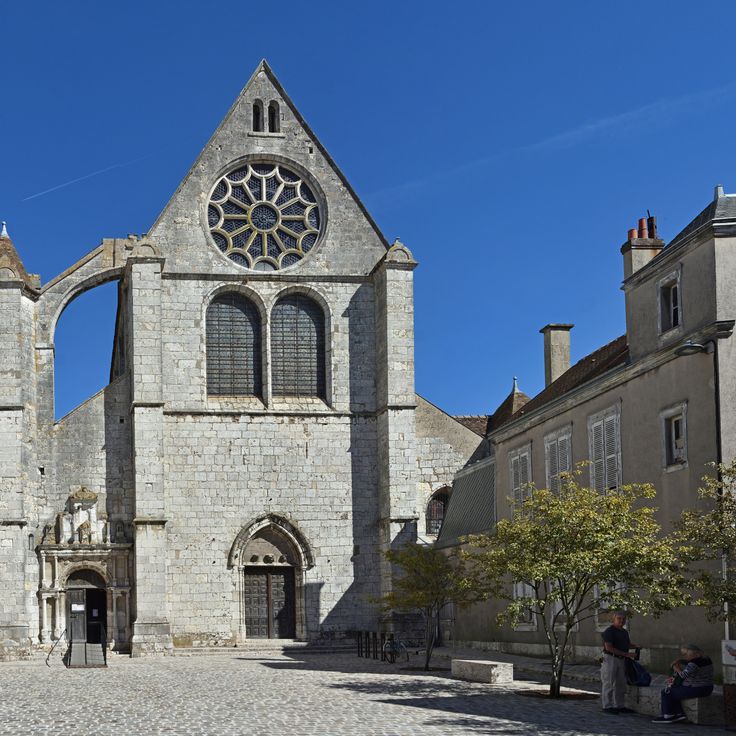
This church in Chartres combines Romanesque and Gothic architectural elements and contains wall paintings from different periods as well as stone sculptures. The vault dates from the 12th century and demonstrates medieval construction techniques in the region. It is part of a collection that explores the diverse heritage of Centre-Val de Loire, from medieval fortresses and nature reserves to historic mills and unique artistic creations.
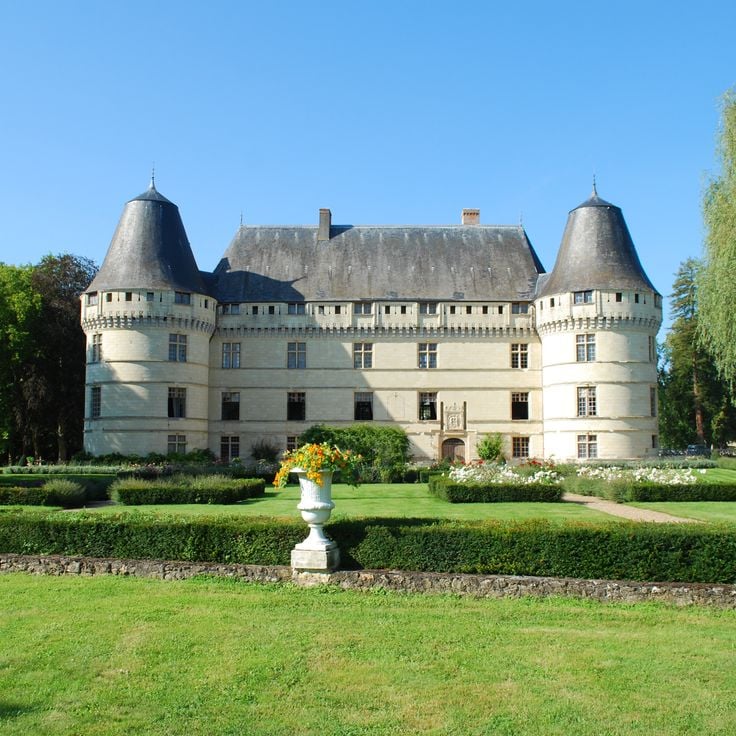
Islette Castle is a 16th-century fortress situated on an island in the Indre River. This castle fits naturally into the Centre-Val de Loire's diverse heritage collection, where medieval strongholds like Château de Lavardin exist alongside Renaissance structures. The estate features a moat, several towers, and a Renaissance chapel, demonstrating the engineering and artistic skill of its era.
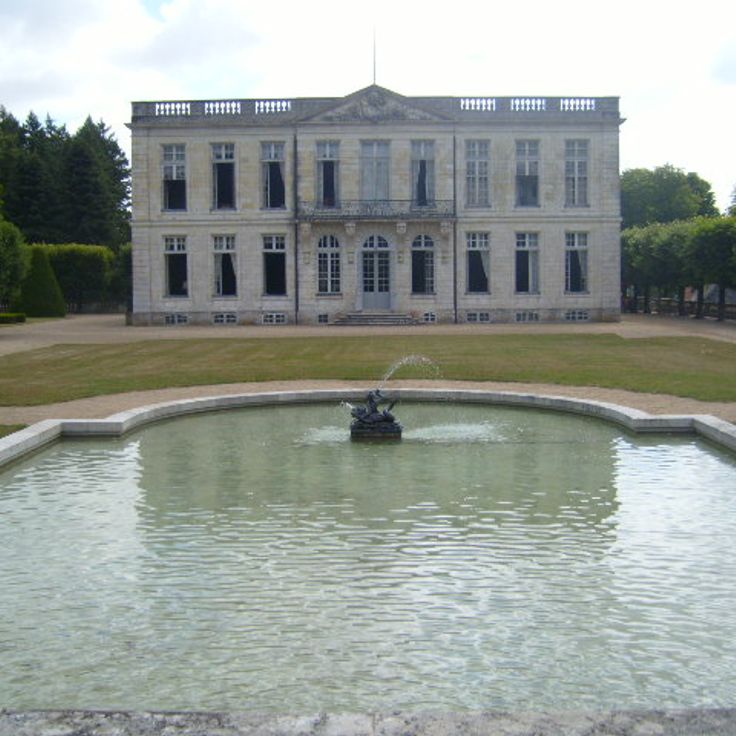
Bouges Castle is a neoclassical château in the Centre-Val de Loire region, part of a collection showcasing the area's architectural and historical heritage. The castle features symmetrical gardens, statues, and expansive grounds. Inside, rooms display original 18th-century furniture that reveals how people lived during that era.
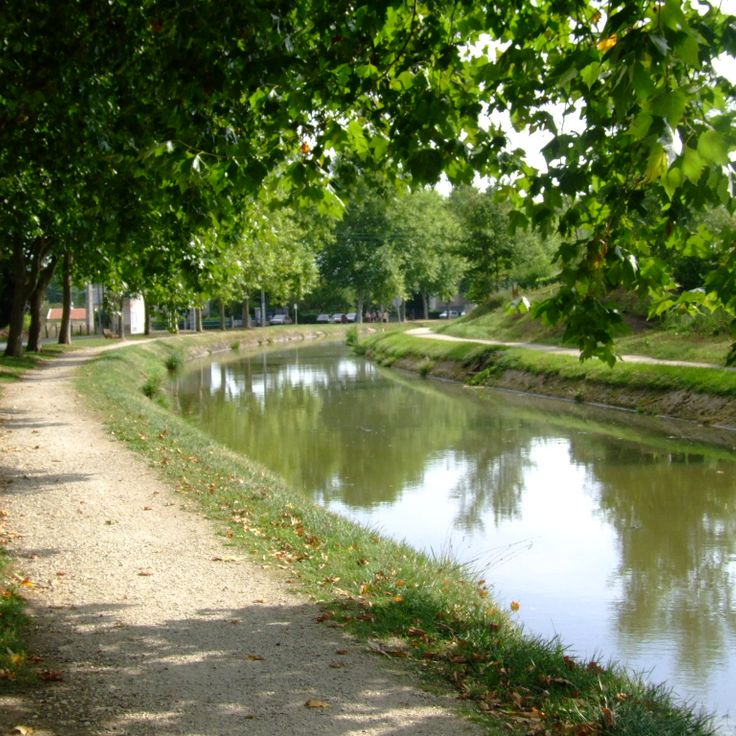
The Berry Canal is a 19th century waterway that runs through the rural landscape of Centre-Val de Loire. This canal connects different areas with numerous locks and historic structures along its banks. It shows how people once moved goods and shaped the land around them. Today visitors can walk or travel along the canal and experience how this engineering feat changed the region.
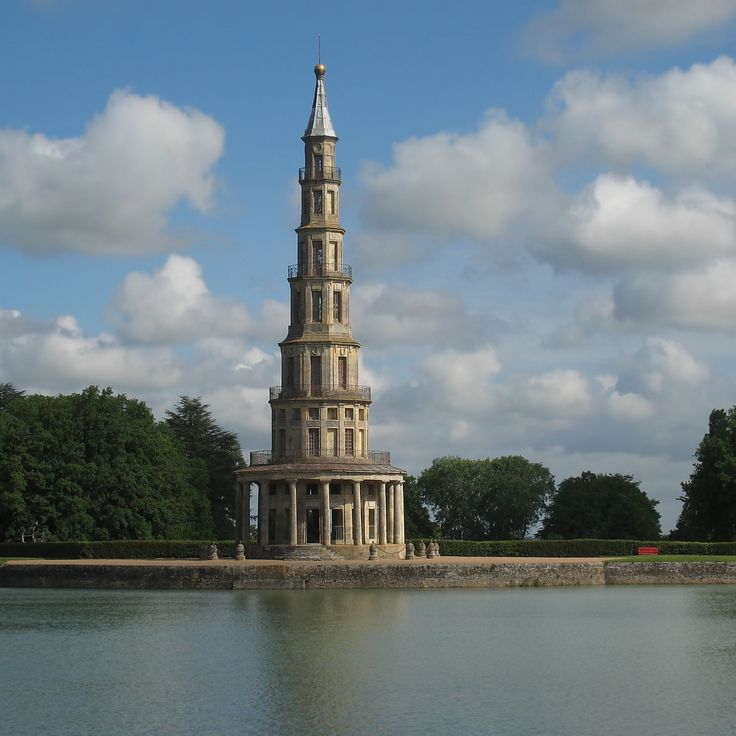
The Pagoda of Chanteloup in Amboise is a Chinese-style tower built in 1775 that stands 44 meters tall, representing the last surviving structure from the Duke of Choiseul's estate. This tower reflects the exotic tastes of the 18th century and fits perfectly within the diverse cultural heritage of Centre-Val de Loire, where medieval fortresses, Renaissance buildings, and historic mills preserve the region's rich past.
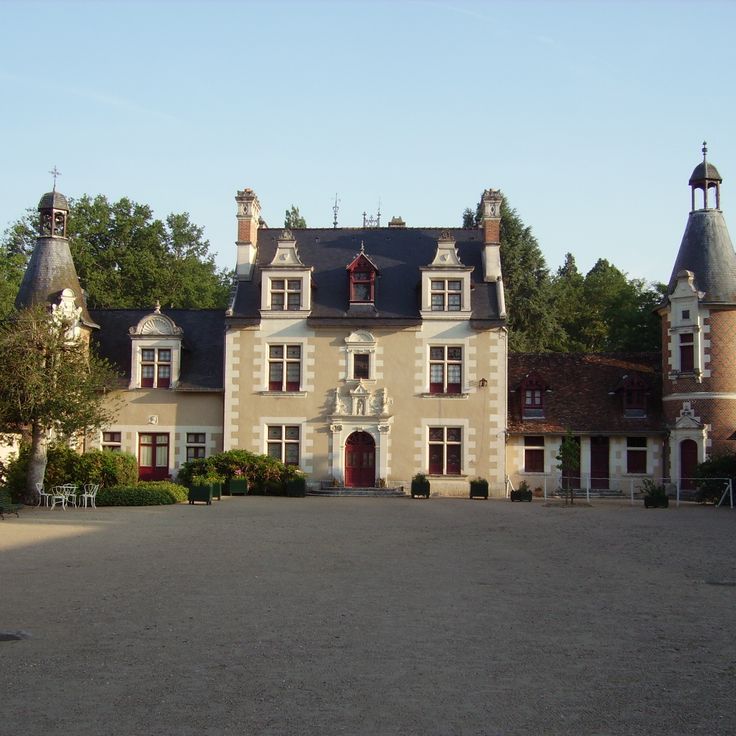
The Château de Troussay in Cheverny displays Renaissance craftsmanship through its stone walls and surrounding gardens. Inside, this 16th-century mansion houses period furniture and decorative arts from that era. It is part of the Centre-Val de Loire's diverse heritage, alongside medieval fortresses, caves with geological formations, and historic structures that reveal the region's rich past.
This museum occupies a medieval castle from the 12th century and displays stone tools and objects from the Neolithic period. Located in the Centre-Val de Loire region, it offers visitors a chance to explore how prehistoric people lived while experiencing the architecture of a medieval fortress. The collection showcases the area's deep historical roots and adds to the region's diverse heritage of castles and cultural sites.
This sixteenth-century castle in Cellettes houses a remarkable collection at the heart of Centre-Val de Loire's heritage. Its gallery displays 327 historical portraits of European rulers spanning three centuries. The painting collection documents European political history from the fourteenth to the seventeenth century. As part of the region's diverse treasures, this castle complements the medieval fortresses and Renaissance structures that define this area.
The Grottes du Foulon in Châteaudun features natural limestone formations from the Cretaceous period. Visitors walk through about 1000 meters of marked paths in underground galleries and can observe the different layers of rock. These caves fit into this collection of hidden treasures in Centre-Val de Loire, which combines geological sites like the Savonnières Petrifying Caves with medieval castles and historic mills.
The Château de Lavardin is a fortress from the 11th and 12th centuries perched on a limestone cliff. It stands as a key example of medieval architecture in Centre-Val de Loire, featuring defensive towers, a keep, and underground passages. The ruins tell the story of this fortress's strategic importance and its role in the region's past.
The Maison Picassiette in Chartres displays the remarkable work of Raymond Isidore, who covered this house with mosaics made from broken pottery and glass between 1938 and 1964. Walls, floors and furniture showcase intricate patterns. This house represents one of the hidden treasures of Centre-Val de Loire, alongside medieval castles, natural reserves, historic mills, and other cultural sites throughout the region.
This 17th-century tower mill in Beaugency retains its original wooden mechanisms for grinding grain. As part of the hidden treasures of Centre-Val de Loire, it demonstrates traditional milling techniques from earlier centuries and offers insight into the region's working past.
The Domaine du Ciran is a large nature reserve within this region, combining ponds, forests, and meadows into a single protected space. Marked paths guide visitors through the landscape where they can watch birds, deer, and small mammals living in their natural environment. This site demonstrates the natural diversity of Centre-Val de Loire and helps protect local habitats.
The Grottes Pétrifiantes de Savonnières are natural caves where mineral-rich water streams petrify objects through limestone deposits. These caves display a geological phenomenon characteristic of the Centre-Val de Loire region. Visitors can observe the ongoing petrification process and view various objects that have been transformed over time by flowing water.
The Musée Marcel Proust occupies his aunt's house and displays furniture, letters, and first editions that document the writer's life and work. Located in the Centre-Val de Loire region, this museum connects literary history with the area's heritage, offering visitors a window into the personal world of one of France's most significant 20th-century authors.
The Collégiale St Ours is a 12th-century Romanesque church located in Loches and stands as one of the historical and cultural sites in Centre-Val de Loire. This church features a double nave and distinctive stone pyramidal roofs built on octagonal bases. It represents the religious architecture of the region and contributes to the diverse heritage that spans from medieval fortresses to historic structures.
The Parc Floral de la Source in Orléans belongs to this collection of hidden treasures in Centre-Val de Loire. This park features thematic gardens, a butterfly garden, and the natural spring of the Loiret River, which emerges from underground sources. It combines carefully designed gardens with the natural geological phenomenon of the river's emergence, offering visitors a place where human cultivation meets natural spring water.
The Chérine Nature Reserve is part of this collection's hidden treasures in Centre-Val de Loire and represents the region's natural diversity. Across 145 hectares of ponds, marshes and meadows, 256 bird species nest and migrate throughout the year. This protected site complements the medieval castles and historic buildings in the region, showing how nature and history together shape this landscape.
The Pont Canal de Briare is a metal structure completed in 1896 that carries boats across the Loire River. This bridge demonstrates 19th-century engineering skill and forms part of the Centre-Val de Loire's diverse heritage, where medieval castles, nature reserves home to rare bird species, and historical mills shape the landscape.
The Château de Talcy is a 16th-century castle that fits within this collection of hidden treasures in Centre-Val de Loire. The building preserves its original furniture and shows how wealthy families lived during this period. Around the castle lie gardens and an orchard with old French apple varieties, reflecting the rural heritage of the region.
Gué-Péan Castle is a 15th-century fortress in this collection that shows the medieval architecture of the Centre-Val de Loire region. The castle combines Gothic style with Renaissance elements and sits within extensive forests. A moat surrounds the building, giving it a defensive appearance that reflects a time when such fortifications were essential for protection.
The Abbaye de Noirlac is a 12th-century Cistercian monastery that holds an important place in this collection of Centre-Val de Loire treasures. Through its cloister, refectory, and chapter house, the abbey reveals the architectural principles that guided monastic design. It stands as a significant example of religious heritage in a region where medieval fortresses, natural reserves, and historic mills together tell the story of centuries of human settlement and craft.
The Château de Montpoupon is an inhabited medieval fortress that stands as part of the region's diverse heritage in Centre-Val de Loire. The castle houses a museum dedicated to hunting history, equestrianism, and French rural life. Its rooms are furnished with period pieces and display collections of hunting weapons, saddles, and equipment from past centuries.
The Château de Villesavin was built in the 16th century and now houses a collection of wedding dresses and ceremonial items spanning several centuries. This castle fits perfectly into the exploration of Centre-Val de Loire, where Renaissance structures stand alongside medieval fortresses like Château de Lavardin and reflect the region's rich history.
The Musée des Meilleurs Ouvriers de France in Bourges displays the works of craftsmen who have received the Meilleur Ouvrier de France title, representing excellence in furniture making, metalwork, textile arts, and glasswork. This museum fits within the Centre-Val de Loire's diverse heritage, which ranges from medieval castles and historic mills to natural reserves and caves that reveal the region's rich cultural and natural character.
The Château de Fougères-sur-Bièvre is a 15th-century fortress and part of the medieval treasures found throughout Centre-Val de Loire. With its moat, battlements, and watchtowers, this castle shows the military architecture of its era and offers visitors a window into how people built and lived during that time.
The Château de Valençay is part of this collection showcasing heritage treasures across Centre-Val de Loire. This castle blends Renaissance and classical architecture with French formal gardens and preserves a history of wine production on the estate. Its design and landscaping demonstrate how noble residences of the period were built and how wine-making shaped regional life and economy.
The Musée Saint-Roch in Issoudun displays archaeological finds, paintings, and documents that tell the story of Issoudun and the Berry region from medieval times to the present day. This museum complements the collection of Centre-Val de Loire's medieval castles, nature reserves, and historic mills, offering visitors a deeper understanding of the region's local history.
The Musée Balzac displays the workspaces, personal belongings and original manuscripts of Honoré de Balzac, who regularly stayed with friends here while writing several of his novels. This house connects to the literary and cultural exploration of Centre-Val de Loire, where historical sites like the Dunois Mill from the 17th century and the Picassiette House in Chartres show how creative people lived and worked in this region.
This cathedral crypt lies beneath the choir of the Bourges Cathedral and displays Romanesque architecture from the 12th century. Underground, visitors find columns, burial chambers, and stone carvings from the Middle Ages. It belongs to the treasures of Centre-Val de Loire, where churches, castles, and natural sites together form a varied heritage. The crypt tells the story of the people who shaped this region.
This church in Chartres combines Romanesque and Gothic architectural elements and contains wall paintings from different periods as well as stone sculptures. The vault dates from the 12th century and demonstrates medieval construction techniques in the region. It is part of a collection that explores the diverse heritage of Centre-Val de Loire, from medieval fortresses and nature reserves to historic mills and unique artistic creations.
Islette Castle is a 16th-century fortress situated on an island in the Indre River. This castle fits naturally into the Centre-Val de Loire's diverse heritage collection, where medieval strongholds like Château de Lavardin exist alongside Renaissance structures. The estate features a moat, several towers, and a Renaissance chapel, demonstrating the engineering and artistic skill of its era.
Bouges Castle is a neoclassical château in the Centre-Val de Loire region, part of a collection showcasing the area's architectural and historical heritage. The castle features symmetrical gardens, statues, and expansive grounds. Inside, rooms display original 18th-century furniture that reveals how people lived during that era.
The Berry Canal is a 19th century waterway that runs through the rural landscape of Centre-Val de Loire. This canal connects different areas with numerous locks and historic structures along its banks. It shows how people once moved goods and shaped the land around them. Today visitors can walk or travel along the canal and experience how this engineering feat changed the region.
The Pagoda of Chanteloup in Amboise is a Chinese-style tower built in 1775 that stands 44 meters tall, representing the last surviving structure from the Duke of Choiseul's estate. This tower reflects the exotic tastes of the 18th century and fits perfectly within the diverse cultural heritage of Centre-Val de Loire, where medieval fortresses, Renaissance buildings, and historic mills preserve the region's rich past.
The Château de Troussay in Cheverny displays Renaissance craftsmanship through its stone walls and surrounding gardens. Inside, this 16th-century mansion houses period furniture and decorative arts from that era. It is part of the Centre-Val de Loire's diverse heritage, alongside medieval fortresses, caves with geological formations, and historic structures that reveal the region's rich past.
This museum occupies a medieval castle from the 12th century and displays stone tools and objects from the Neolithic period. Located in the Centre-Val de Loire region, it offers visitors a chance to explore how prehistoric people lived while experiencing the architecture of a medieval fortress. The collection showcases the area's deep historical roots and adds to the region's diverse heritage of castles and cultural sites.
This sixteenth-century castle in Cellettes houses a remarkable collection at the heart of Centre-Val de Loire's heritage. Its gallery displays 327 historical portraits of European rulers spanning three centuries. The painting collection documents European political history from the fourteenth to the seventeenth century. As part of the region's diverse treasures, this castle complements the medieval fortresses and Renaissance structures that define this area.
The Grottes du Foulon in Châteaudun features natural limestone formations from the Cretaceous period. Visitors walk through about 1000 meters of marked paths in underground galleries and can observe the different layers of rock. These caves fit into this collection of hidden treasures in Centre-Val de Loire, which combines geological sites like the Savonnières Petrifying Caves with medieval castles and historic mills.
The Château de Lavardin is a fortress from the 11th and 12th centuries perched on a limestone cliff. It stands as a key example of medieval architecture in Centre-Val de Loire, featuring defensive towers, a keep, and underground passages. The ruins tell the story of this fortress's strategic importance and its role in the region's past.
The Maison Picassiette in Chartres displays the remarkable work of Raymond Isidore, who covered this house with mosaics made from broken pottery and glass between 1938 and 1964. Walls, floors and furniture showcase intricate patterns. This house represents one of the hidden treasures of Centre-Val de Loire, alongside medieval castles, natural reserves, historic mills, and other cultural sites throughout the region.
This 17th-century tower mill in Beaugency retains its original wooden mechanisms for grinding grain. As part of the hidden treasures of Centre-Val de Loire, it demonstrates traditional milling techniques from earlier centuries and offers insight into the region's working past.
The Domaine du Ciran is a large nature reserve within this region, combining ponds, forests, and meadows into a single protected space. Marked paths guide visitors through the landscape where they can watch birds, deer, and small mammals living in their natural environment. This site demonstrates the natural diversity of Centre-Val de Loire and helps protect local habitats.
The Grottes Pétrifiantes de Savonnières are natural caves where mineral-rich water streams petrify objects through limestone deposits. These caves display a geological phenomenon characteristic of the Centre-Val de Loire region. Visitors can observe the ongoing petrification process and view various objects that have been transformed over time by flowing water.
The Musée Marcel Proust occupies his aunt's house and displays furniture, letters, and first editions that document the writer's life and work. Located in the Centre-Val de Loire region, this museum connects literary history with the area's heritage, offering visitors a window into the personal world of one of France's most significant 20th-century authors.
The Collégiale St Ours is a 12th-century Romanesque church located in Loches and stands as one of the historical and cultural sites in Centre-Val de Loire. This church features a double nave and distinctive stone pyramidal roofs built on octagonal bases. It represents the religious architecture of the region and contributes to the diverse heritage that spans from medieval fortresses to historic structures.
The Parc Floral de la Source in Orléans belongs to this collection of hidden treasures in Centre-Val de Loire. This park features thematic gardens, a butterfly garden, and the natural spring of the Loiret River, which emerges from underground sources. It combines carefully designed gardens with the natural geological phenomenon of the river's emergence, offering visitors a place where human cultivation meets natural spring water.
The Chérine Nature Reserve is part of this collection's hidden treasures in Centre-Val de Loire and represents the region's natural diversity. Across 145 hectares of ponds, marshes and meadows, 256 bird species nest and migrate throughout the year. This protected site complements the medieval castles and historic buildings in the region, showing how nature and history together shape this landscape.
The Pont Canal de Briare is a metal structure completed in 1896 that carries boats across the Loire River. This bridge demonstrates 19th-century engineering skill and forms part of the Centre-Val de Loire's diverse heritage, where medieval castles, nature reserves home to rare bird species, and historical mills shape the landscape.
The Château de Talcy is a 16th-century castle that fits within this collection of hidden treasures in Centre-Val de Loire. The building preserves its original furniture and shows how wealthy families lived during this period. Around the castle lie gardens and an orchard with old French apple varieties, reflecting the rural heritage of the region.
Gué-Péan Castle is a 15th-century fortress in this collection that shows the medieval architecture of the Centre-Val de Loire region. The castle combines Gothic style with Renaissance elements and sits within extensive forests. A moat surrounds the building, giving it a defensive appearance that reflects a time when such fortifications were essential for protection.
The Abbaye de Noirlac is a 12th-century Cistercian monastery that holds an important place in this collection of Centre-Val de Loire treasures. Through its cloister, refectory, and chapter house, the abbey reveals the architectural principles that guided monastic design. It stands as a significant example of religious heritage in a region where medieval fortresses, natural reserves, and historic mills together tell the story of centuries of human settlement and craft.
The Château de Montpoupon is an inhabited medieval fortress that stands as part of the region's diverse heritage in Centre-Val de Loire. The castle houses a museum dedicated to hunting history, equestrianism, and French rural life. Its rooms are furnished with period pieces and display collections of hunting weapons, saddles, and equipment from past centuries.
The Château de Villesavin was built in the 16th century and now houses a collection of wedding dresses and ceremonial items spanning several centuries. This castle fits perfectly into the exploration of Centre-Val de Loire, where Renaissance structures stand alongside medieval fortresses like Château de Lavardin and reflect the region's rich history.
The Musée des Meilleurs Ouvriers de France in Bourges displays the works of craftsmen who have received the Meilleur Ouvrier de France title, representing excellence in furniture making, metalwork, textile arts, and glasswork. This museum fits within the Centre-Val de Loire's diverse heritage, which ranges from medieval castles and historic mills to natural reserves and caves that reveal the region's rich cultural and natural character.
The Château de Fougères-sur-Bièvre is a 15th-century fortress and part of the medieval treasures found throughout Centre-Val de Loire. With its moat, battlements, and watchtowers, this castle shows the military architecture of its era and offers visitors a window into how people built and lived during that time.
The Château de Valençay is part of this collection showcasing heritage treasures across Centre-Val de Loire. This castle blends Renaissance and classical architecture with French formal gardens and preserves a history of wine production on the estate. Its design and landscaping demonstrate how noble residences of the period were built and how wine-making shaped regional life and economy.
The Musée Saint-Roch in Issoudun displays archaeological finds, paintings, and documents that tell the story of Issoudun and the Berry region from medieval times to the present day. This museum complements the collection of Centre-Val de Loire's medieval castles, nature reserves, and historic mills, offering visitors a deeper understanding of the region's local history.
The Musée Balzac displays the workspaces, personal belongings and original manuscripts of Honoré de Balzac, who regularly stayed with friends here while writing several of his novels. This house connects to the literary and cultural exploration of Centre-Val de Loire, where historical sites like the Dunois Mill from the 17th century and the Picassiette House in Chartres show how creative people lived and worked in this region.
This cathedral crypt lies beneath the choir of the Bourges Cathedral and displays Romanesque architecture from the 12th century. Underground, visitors find columns, burial chambers, and stone carvings from the Middle Ages. It belongs to the treasures of Centre-Val de Loire, where churches, castles, and natural sites together form a varied heritage. The crypt tells the story of the people who shaped this region.
This church in Chartres combines Romanesque and Gothic architectural elements and contains wall paintings from different periods as well as stone sculptures. The vault dates from the 12th century and demonstrates medieval construction techniques in the region. It is part of a collection that explores the diverse heritage of Centre-Val de Loire, from medieval fortresses and nature reserves to historic mills and unique artistic creations.
Islette Castle is a 16th-century fortress situated on an island in the Indre River. This castle fits naturally into the Centre-Val de Loire's diverse heritage collection, where medieval strongholds like Château de Lavardin exist alongside Renaissance structures. The estate features a moat, several towers, and a Renaissance chapel, demonstrating the engineering and artistic skill of its era.
Bouges Castle is a neoclassical château in the Centre-Val de Loire region, part of a collection showcasing the area's architectural and historical heritage. The castle features symmetrical gardens, statues, and expansive grounds. Inside, rooms display original 18th-century furniture that reveals how people lived during that era.
The Berry Canal is a 19th century waterway that runs through the rural landscape of Centre-Val de Loire. This canal connects different areas with numerous locks and historic structures along its banks. It shows how people once moved goods and shaped the land around them. Today visitors can walk or travel along the canal and experience how this engineering feat changed the region.
The Pagoda of Chanteloup in Amboise is a Chinese-style tower built in 1775 that stands 44 meters tall, representing the last surviving structure from the Duke of Choiseul's estate. This tower reflects the exotic tastes of the 18th century and fits perfectly within the diverse cultural heritage of Centre-Val de Loire, where medieval fortresses, Renaissance buildings, and historic mills preserve the region's rich past.
The Château de Troussay in Cheverny displays Renaissance craftsmanship through its stone walls and surrounding gardens. Inside, this 16th-century mansion houses period furniture and decorative arts from that era. It is part of the Centre-Val de Loire's diverse heritage, alongside medieval fortresses, caves with geological formations, and historic structures that reveal the region's rich past.
This museum occupies a medieval castle from the 12th century and displays stone tools and objects from the Neolithic period. Located in the Centre-Val de Loire region, it offers visitors a chance to explore how prehistoric people lived while experiencing the architecture of a medieval fortress. The collection showcases the area's deep historical roots and adds to the region's diverse heritage of castles and cultural sites.
This sixteenth-century castle in Cellettes houses a remarkable collection at the heart of Centre-Val de Loire's heritage. Its gallery displays 327 historical portraits of European rulers spanning three centuries. The painting collection documents European political history from the fourteenth to the seventeenth century. As part of the region's diverse treasures, this castle complements the medieval fortresses and Renaissance structures that define this area.
The Grottes du Foulon in Châteaudun features natural limestone formations from the Cretaceous period. Visitors walk through about 1000 meters of marked paths in underground galleries and can observe the different layers of rock. These caves fit into this collection of hidden treasures in Centre-Val de Loire, which combines geological sites like the Savonnières Petrifying Caves with medieval castles and historic mills.