Canal de Berry, Historical canal system in central France.
The Canal de Berry is a disused canal in central France, built between 1808 and 1840, that once stretched 261 km in a star shape from Fontblisse near Bannegon, with branches to Noyers-sur-Cher, the Bec d'Allier and Montluçon. Its narrow locks, 2.70 m wide and 34 m long, forced the use of flat-bottomed barges called berrichons. Today only a 15 km stretch between Selles-sur-Cher and Noyers-sur-Cher remains navigable, with five locks.
Construction took place between 1809 and 1839, with Spanish prisoners of war doing much of the labor during the 1820s. The project emerged during Napoleon's period of major infrastructure investment and became vital for moving goods across the region.
Barges built to the canal's narrow gauge were called berrichons; in 1865, 890 of them were counted on the waterway, pulled by teams of two to four horses, mules or donkeys. The main cargo was cast iron from the Montluçon forges, along with coal, pit props, wines and spirits.
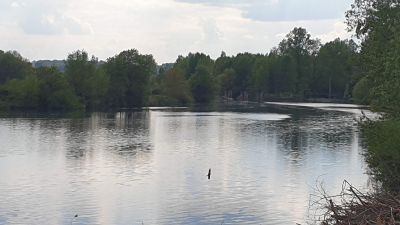
The canal is best explored on foot or by bicycle along the old towpaths that stretch across the landscape. Access is free and available year-round, though warmer months offer the most comfortable conditions for visiting.
The waterway was intentionally designed to be narrow, with vessels limited to just 2.7 meters wide to match the construction constraints. This restriction led to the creation of specialized flat-bottomed barges called 'berrichons' capable of carrying up to 60 tonnes of cargo.
The community of curious travelers
AroundUs brings together thousands of curated places, local tips, and hidden gems, enriched daily by 93,457 contributors worldwide.