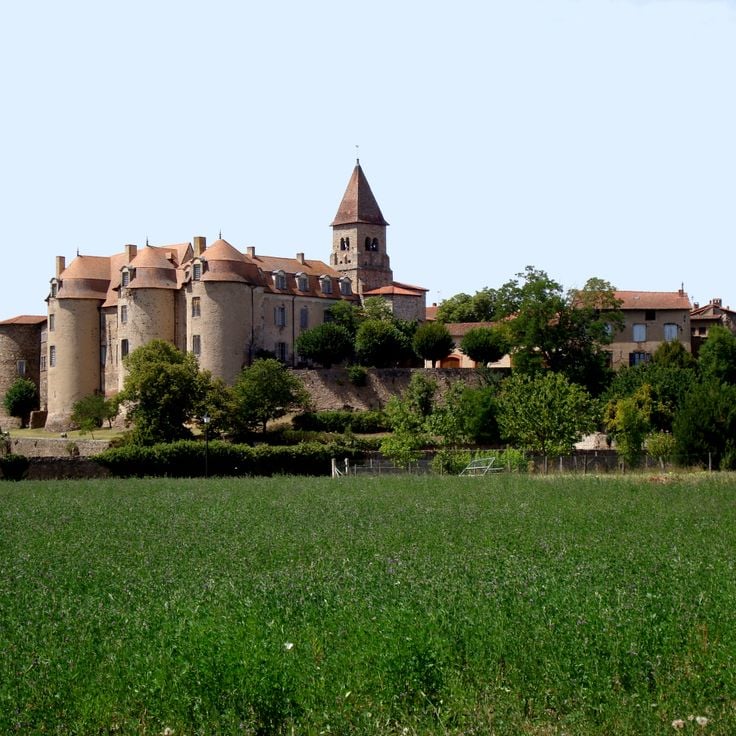
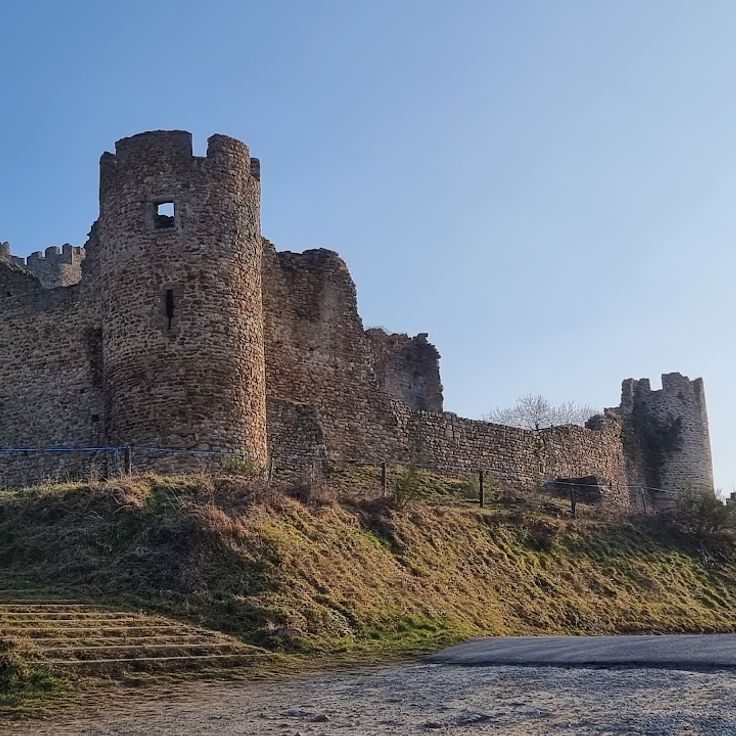
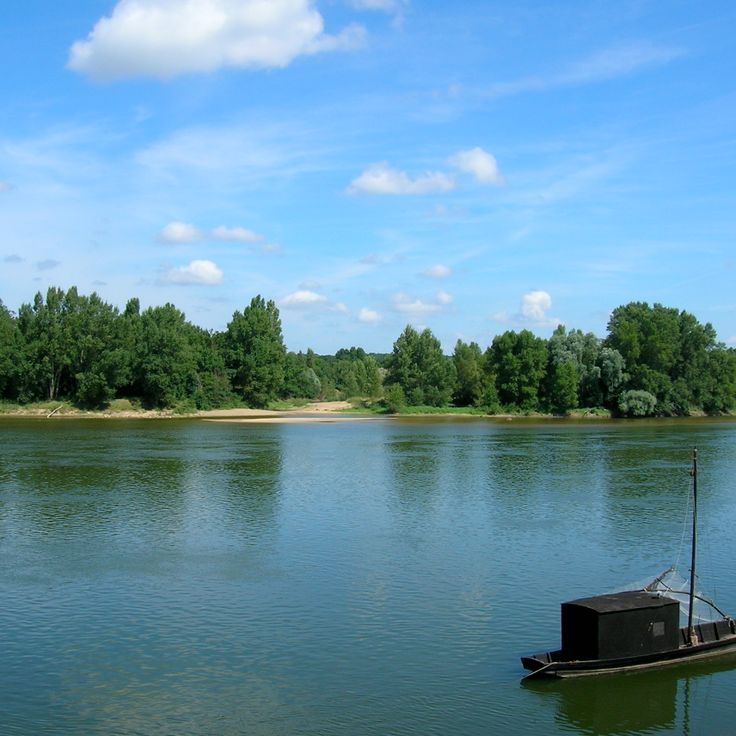
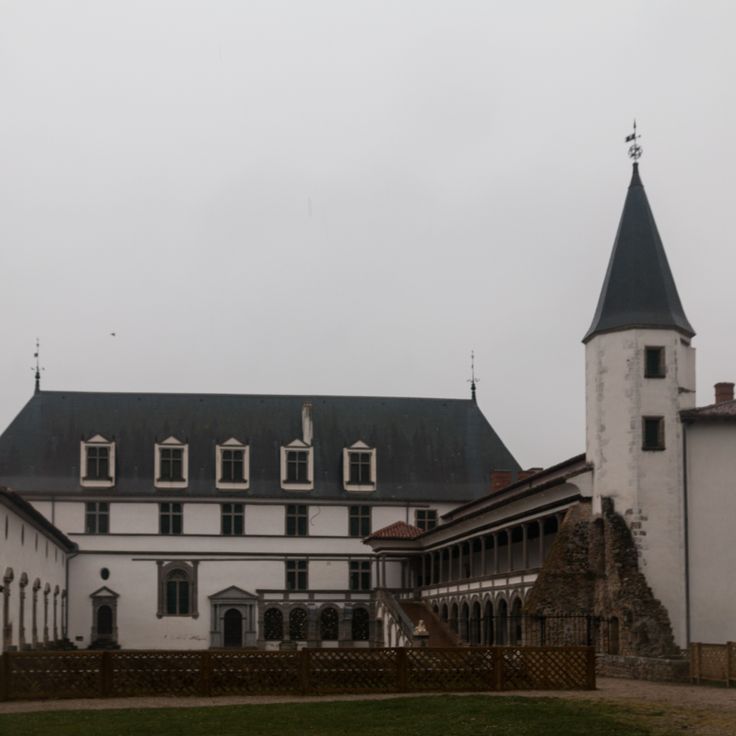
The Loire region combines medieval castles, old villages, and mountain landscapes where history is in every stone.
Between plains, dormant volcanoes, and deep forests, the Loire reveals a wealth of cultural heritage. Here, medieval castles stand alongside the wild landscapes of gorges and the Pilat massif, abbeys weave through hills and valleys, and fortified villages still carry the scent of the Middle Ages. From Saint-Étienne to Roanne, you pass cobbled streets, castles perched on heights, hidden waterfalls, and buildings designed by Le Corbusier. Each turn tells a chapter of history, an ancient stone, a landscape brought to life by the wind. The Loire is a land of contrasts, both industrial and poetic, proud of its legacy. These are the places not to miss to explore its soul, between built heritage and preserved nature.
The Loire region combines medieval castles, old villages, and mountain landscapes where history is in every stone.
Between plains, dormant volcanoes, and deep forests, the Loire reveals a wealth of cultural heritage. Here, medieval castles stand alongside the wild landscapes of gorges and the Pilat massif, abbeys weave through hills and valleys, and fortified villages still carry the scent of the Middle Ages. From Saint-Étienne to Roanne, you pass cobbled streets, castles perched on heights, hidden waterfalls, and buildings designed by Le Corbusier. Each turn tells a chapter of history, an ancient stone, a landscape brought to life by the wind. The Loire is a land of contrasts, both industrial and poetic, proud of its legacy. These are the places not to miss to explore its soul, between built heritage and preserved nature.
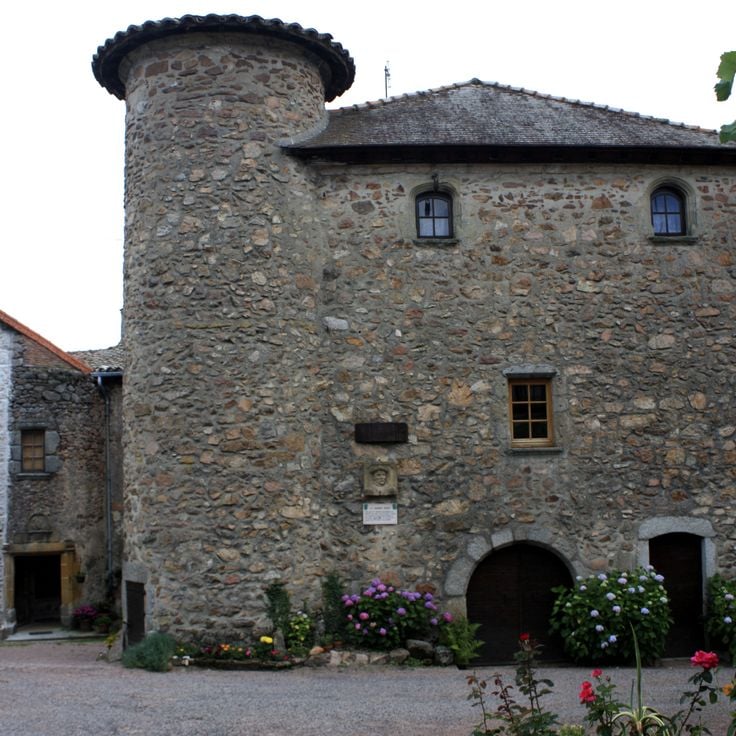
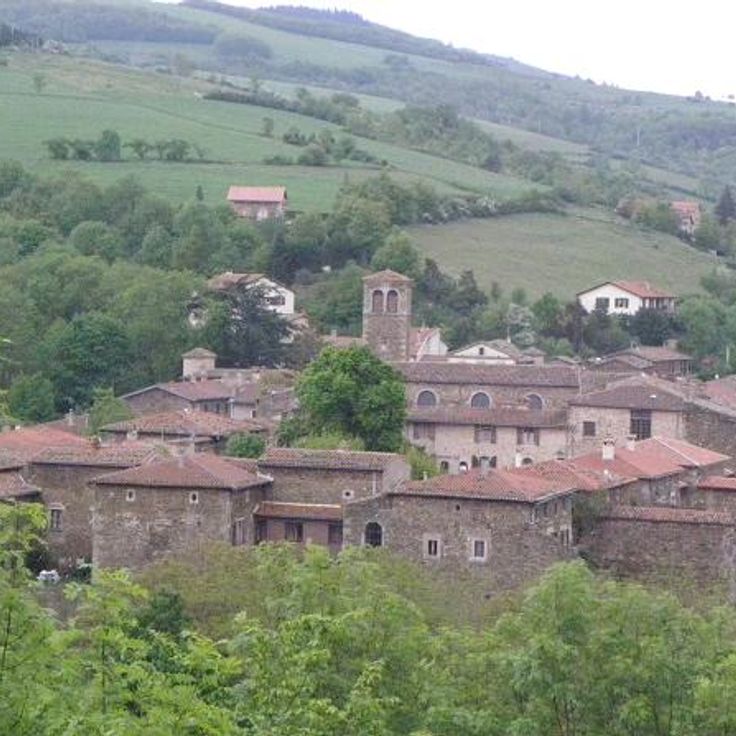
Le Crozet is a medieval village in the Loire region, surrounded by old ramparts. A town gate, several towers, and half-timbered houses line the narrow streets. Walking through Le Crozet gives a clear sense of how people built and lived here centuries ago, tucked between the hills and valleys that have long shaped this part of France.
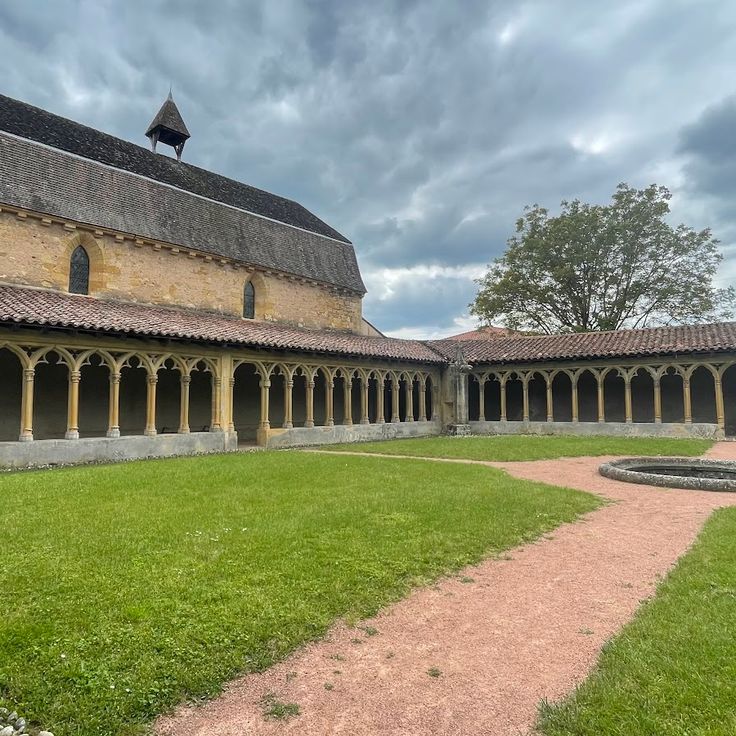
The Cordeliers Convent in Charlieu is a 14th-century religious building that reveals part of the Loire's story. This place features a Gothic cloister, chapel, and chapter house decorated with medieval sculptures and murals. It stands as one of the sites worth visiting to understand how faith shaped this region's landscape and how stone structures carried the traditions and artistic expression of centuries past.
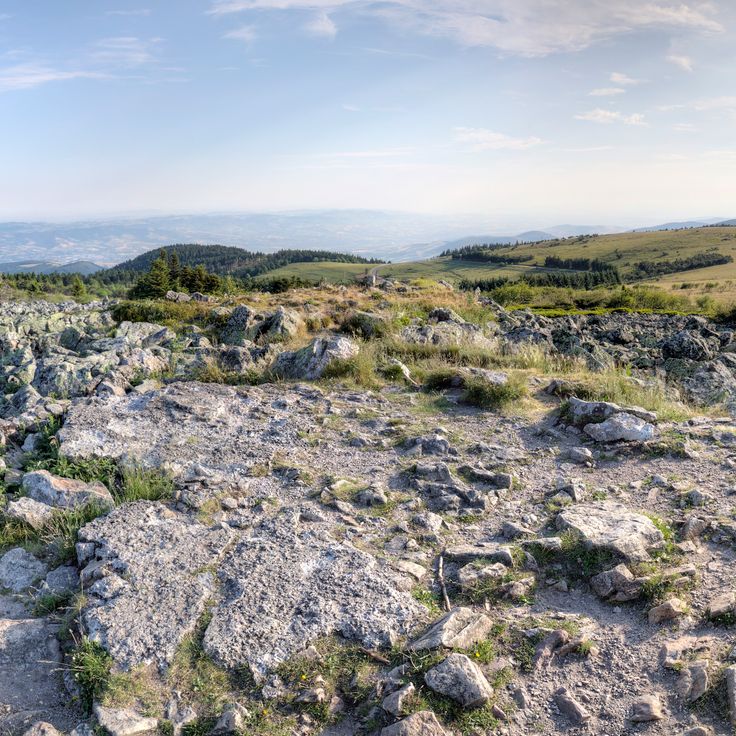
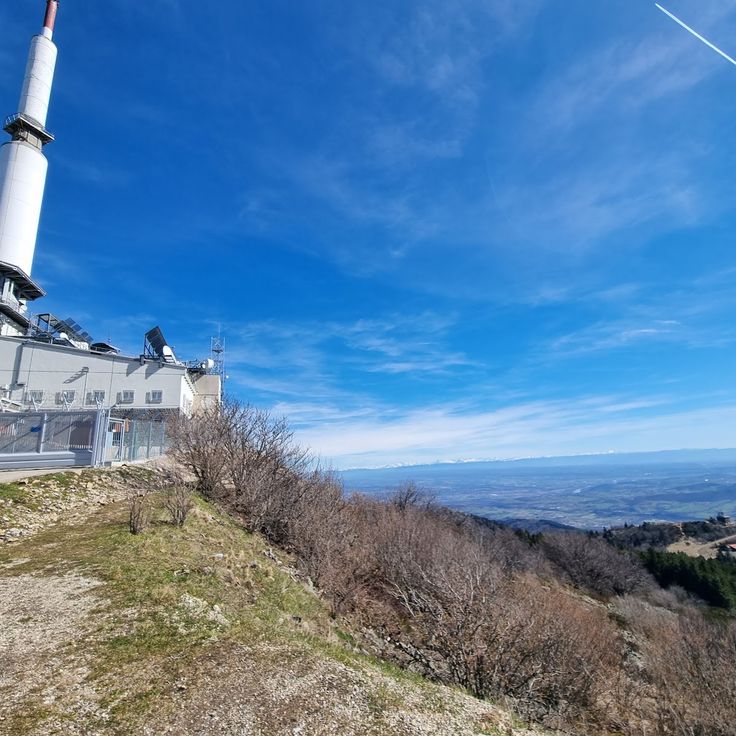
The Pilat Massif is the green heart of this region between mountains and forests. The ridges of this regional nature park offer views toward the Alps, valleys, and plateaus of the Forez. Hikers find plenty of paths that wind through the terrain, connecting with the castles and medieval villages of the Loire valley. The park reveals the wild character of this landscape where nature and heritage meet.
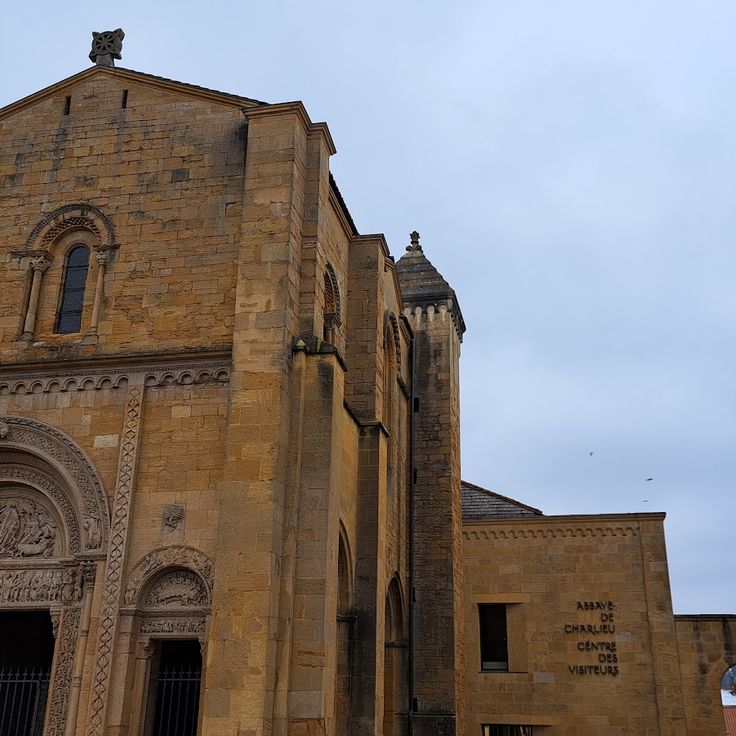
Charlieu Abbey illustrates the religious wealth found across the Loire region. Founded in the 9th century, this Benedictine monastery features a Romanesque portal and ancient sculptures. It stands as an important landmark for understanding the spiritual heritage of the area and fits perfectly into exploring the many abbeys and castles that define this region.
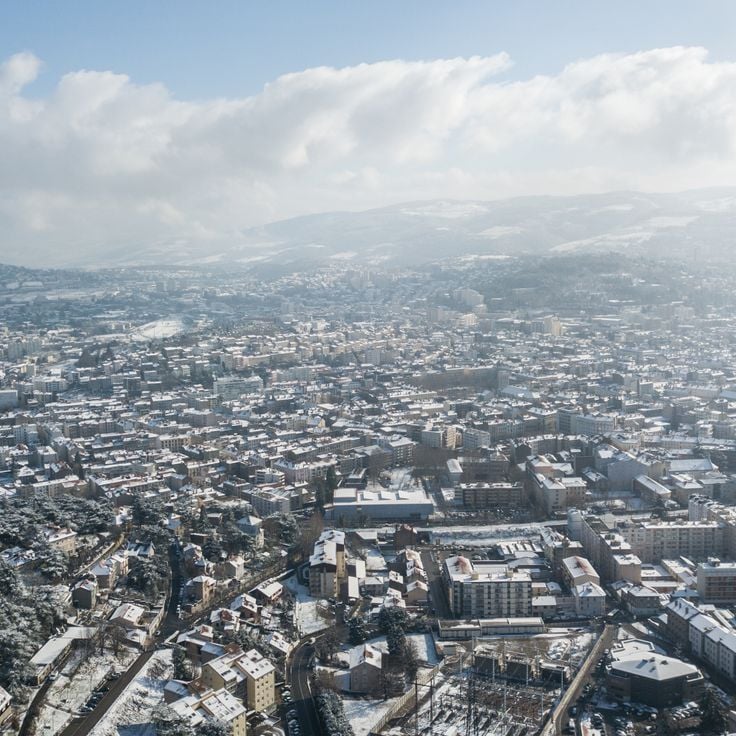
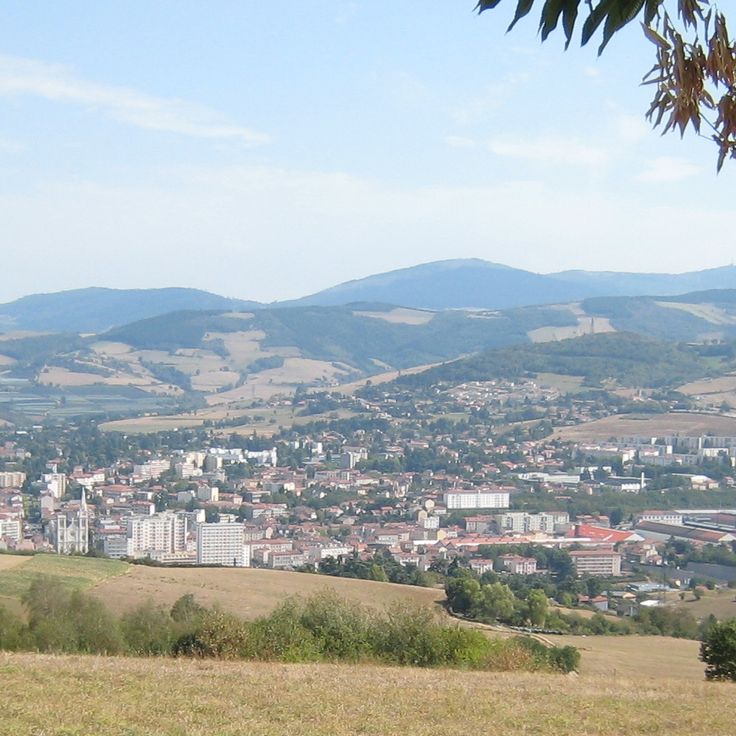
Saint-Étienne is a city in the Loire that stands out as a design capital with a strong industrial past. Here you find museums, former manufacturing sites, and modern cultural spaces that show how the city transformed from its industrial roots into a center of creativity. The city brings together its historic buildings with contemporary art spaces, making it an important place to discover the Loire's range from craftsmanship and design to history.
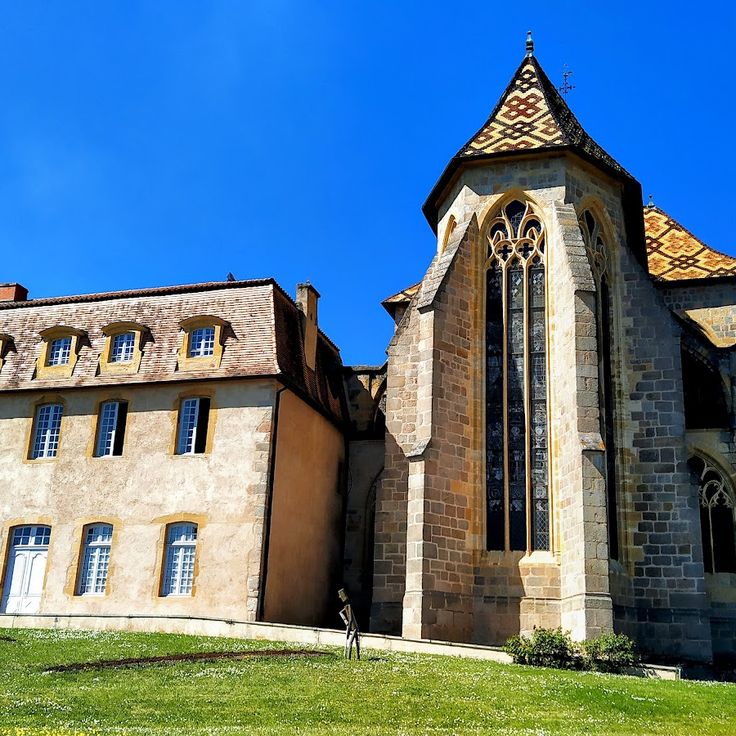
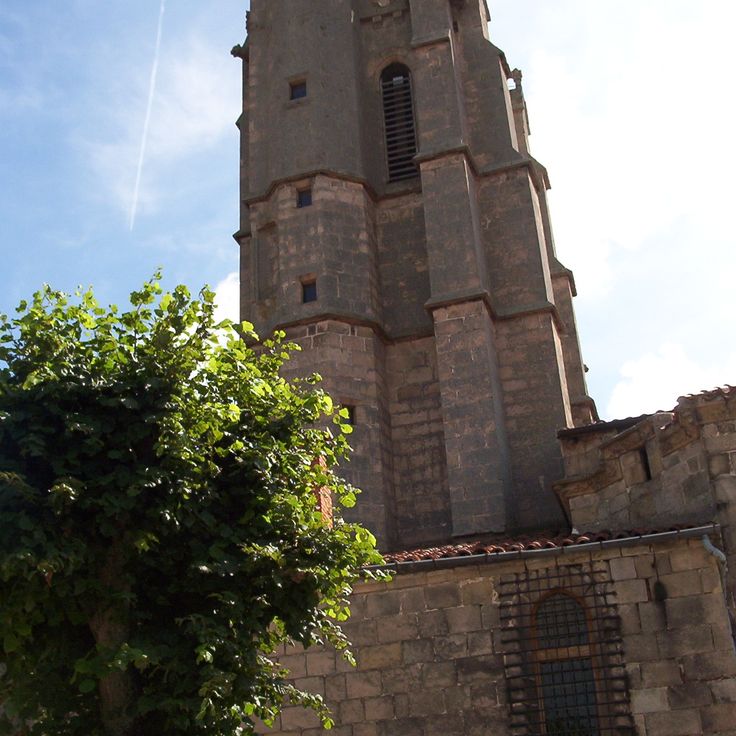
The Priory Church of Ambierle is a religious building from the 15th century with Gothic architecture. It features medieval stained glass and a Flemish altarpiece from the 15th century. This church tells the story of the Loire region's religious past and fits naturally into the landscape of medieval villages and historic buildings that define this area.
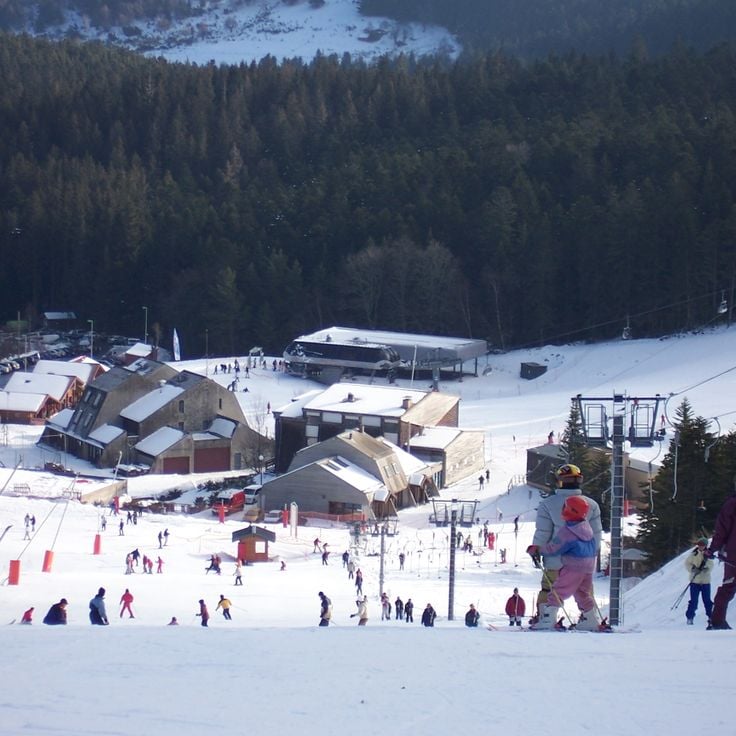
The Chalmazel ski station sits in the Monts du Forez, a mountain range at the heart of the Loire. It offers downhill skiing in a landscape shaped by dormant volcanoes, deep forests, and open plains. The station is part of a wider area where medieval castles and old fortified villages stand close to wild gorges and open natural spaces. Chalmazel shows a different side of the Loire, far from the big cities but deeply rooted in the history and nature of the region.
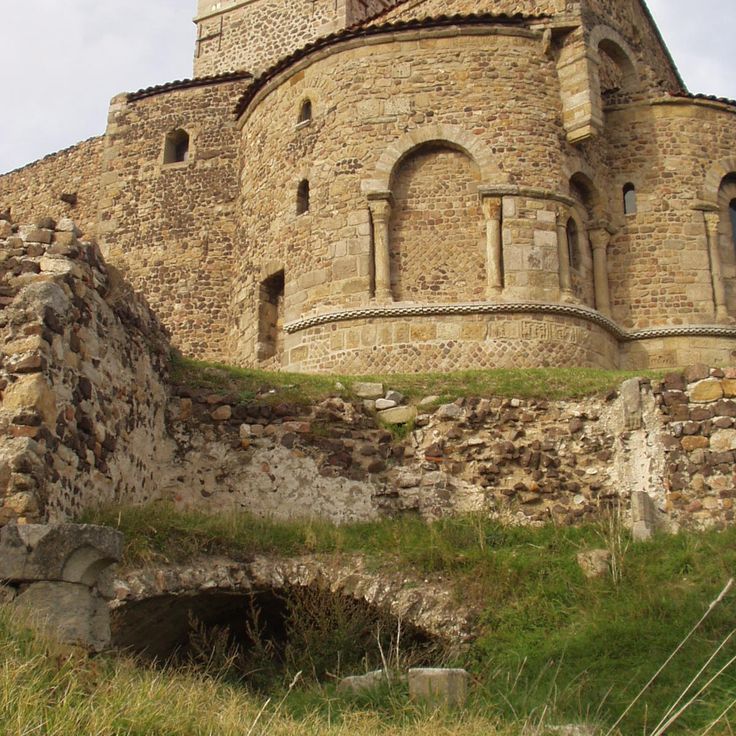
This 11th-century priory fits into the Loire's diverse landscape, where medieval castles, gorges, and ancient villages converge. The monastery impresses with its quiet cloister and simple Romanesque church, showcasing the craftsmanship of past centuries. A place where the region's history speaks through its stones.
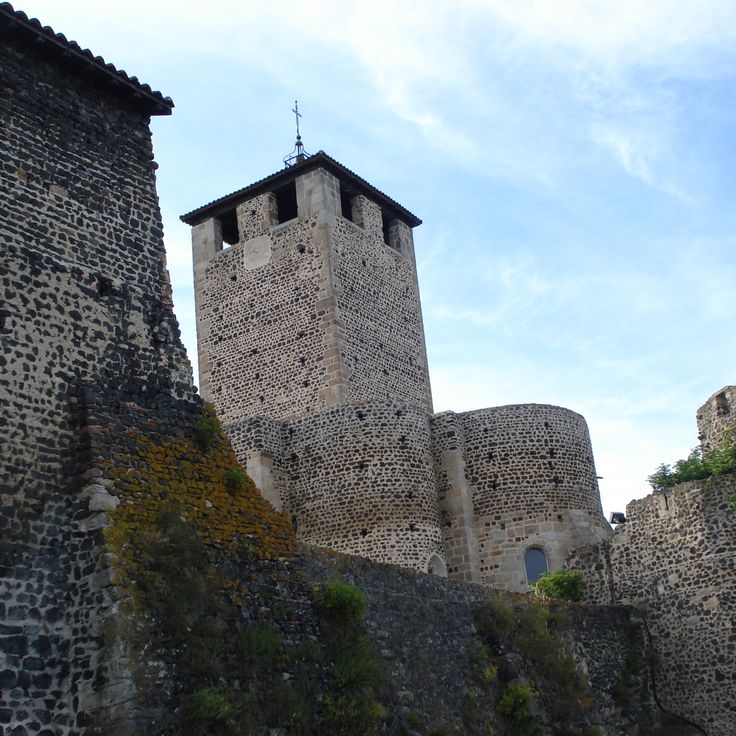
This 11th-century castle perches on a rocky outcrop at 750 meters (2,460 feet) above sea level and overlooks the Lignon valley. Its round towers and stone walls speak to a time when Forez formed a border between rival powers. Couzan Castle fits into the Loire's story of medieval fortresses scattered between dramatic gorges and forests, where ancient stones mark the region's complex past.
The Gorges of the Loire are part of this region full of contrasts, where medieval castles stand beside wild landscapes. Here, the gorges stretch over several kilometers between cliffs and forests, a protected site where nature reclaims its rights. You can hike and watch birds while exploring the geology and power of the river.
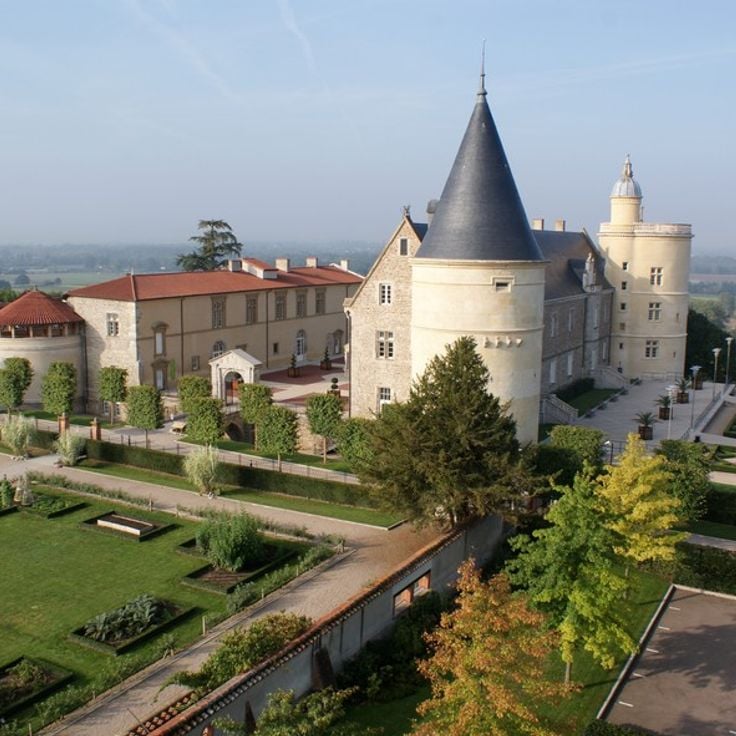
The Château de la Bâtie d'Urfé is a 16th-century castle in the Loire region, recognized for its Renaissance architecture and the grotto adorned with shells. With its French gardens, this castle displays the refinement and craftsmanship of its era. It represents the connection between history and nature that defines the Loire, offering visitors insight into the artistic and craft traditions of this region.
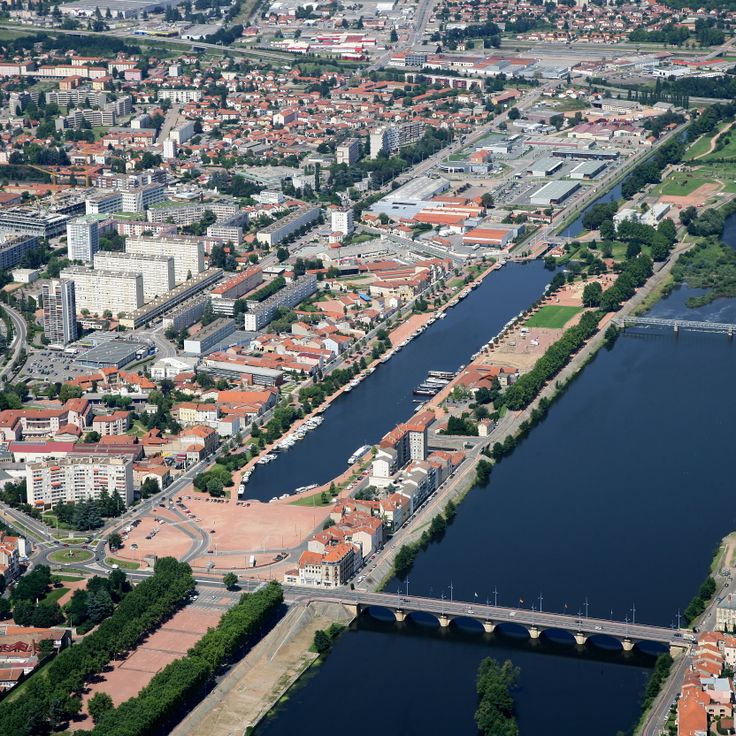
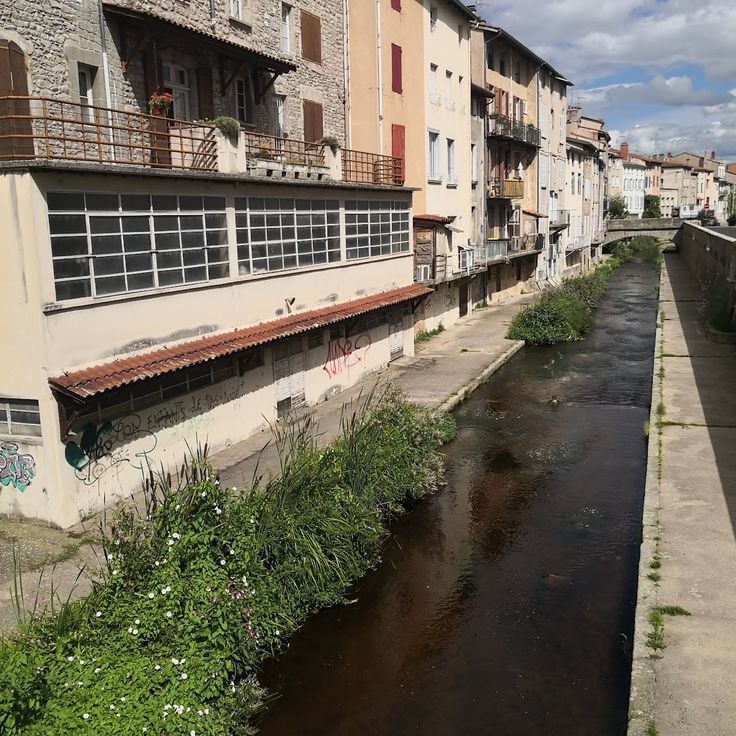
Roanne is a town where water and gastronomy meet. It sits on an active riverside port and holds a rich cultural heritage. This town serves as a vibrant stop along the northern route of the Loire, where you find river landscapes, historic buildings, and a strong tradition of fine dining. Roanne shows the connection between working life and natural beauty that defines the Loire region.
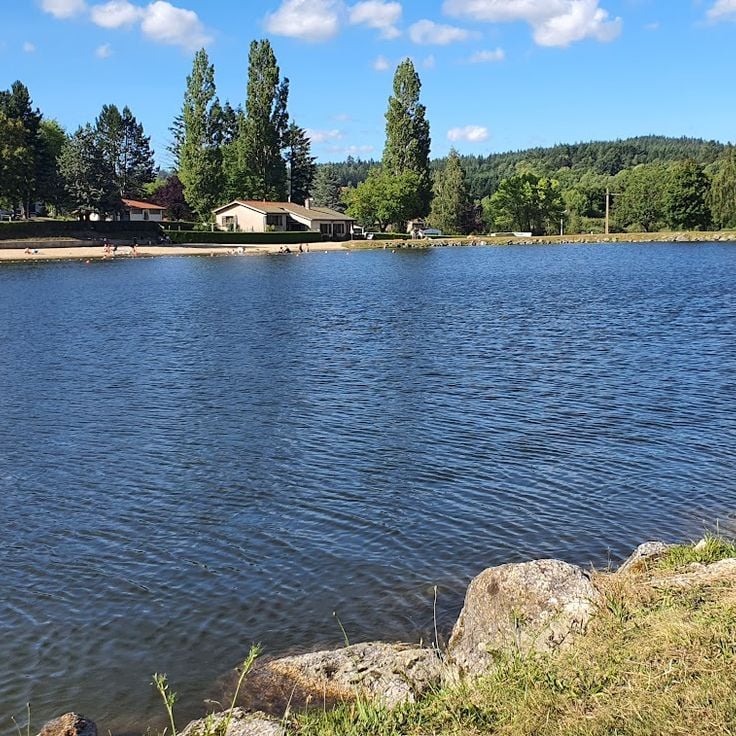
Noirétable Lake is one of the natural landscapes that characterizes the Loire region, situated between plains, dormant volcanoes, and deep forests. This artificial lake offers areas for fishing, swimming, and picnicking. Developed trails allow for walks around the lake.
Saint-Bonnet-le-Château sits on a hill overlooking the Loire countryside. The town was founded in the Middle Ages and has kept much of its old character. Houses with carved facades line the streets around the Gothic church. The cobbled lanes lead to viewpoints where you can see the Forez mountains. Set between plains, dormant volcanoes, and deep forests, this town speaks of a community that has lived here for centuries.
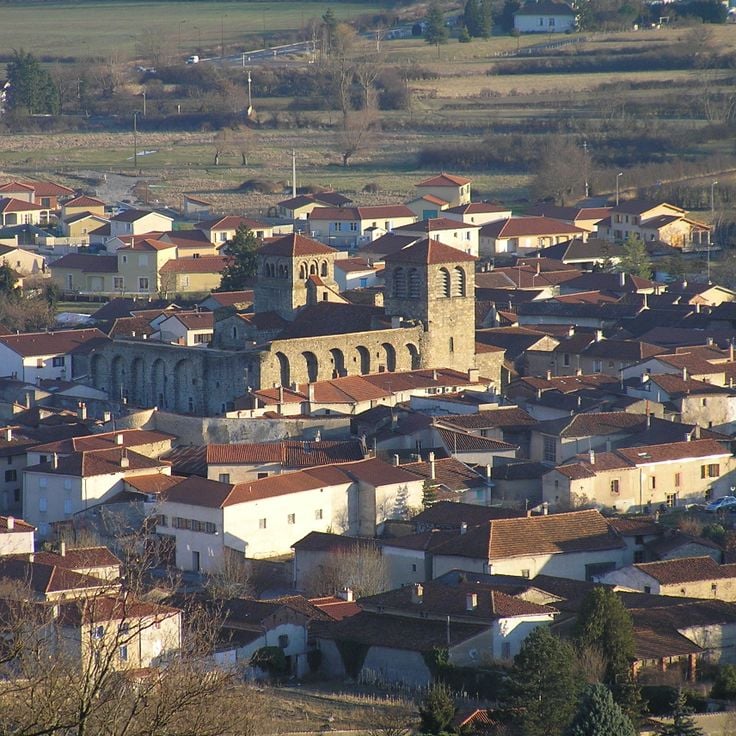
Montverdun sits atop an ancient volcano in the Loire and offers sweeping views over the Forez plain. The village is home to a 12th-century priory constructed from black basalt, a material shaped by the volcanic geology beneath the landscape. This settlement brings together the geological history of the region with medieval architecture, showing how people have inhabited this distinctive ground for centuries.
Crêt de l'Oeillon sits at 1370 meters on the Pilat massif in the Loire. On clear days, Mont Blanc can be seen from this summit. It draws visitors who want to experience the contrasts between mountain landscape and the valleys below.
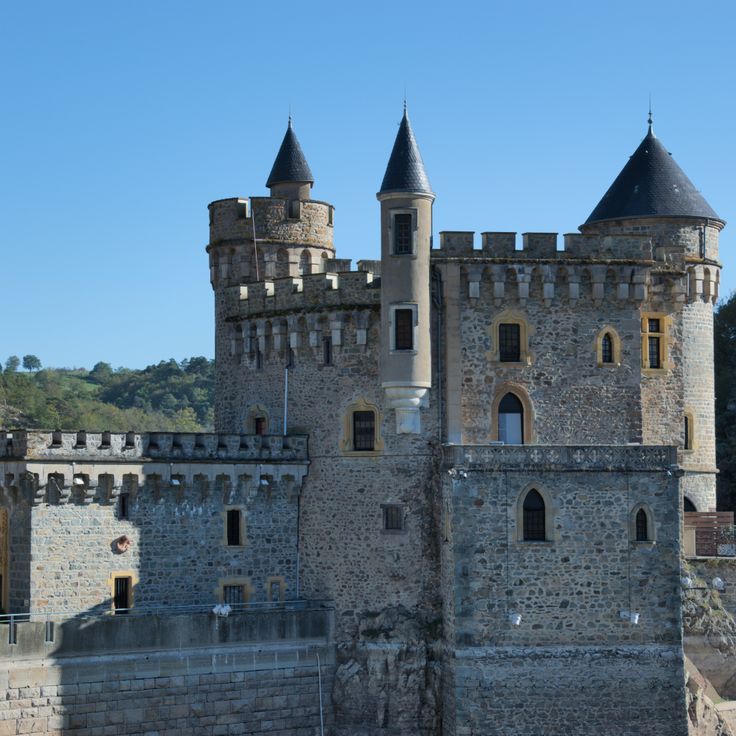
La Roche Castle was built on a rock in the middle of the river and appears to float on the Loire. This castle exemplifies the medieval fortifications that stand throughout the Loire region between plains and forests. During the blooming season, its reflection in the water creates one of the most photographed landscapes in the department.
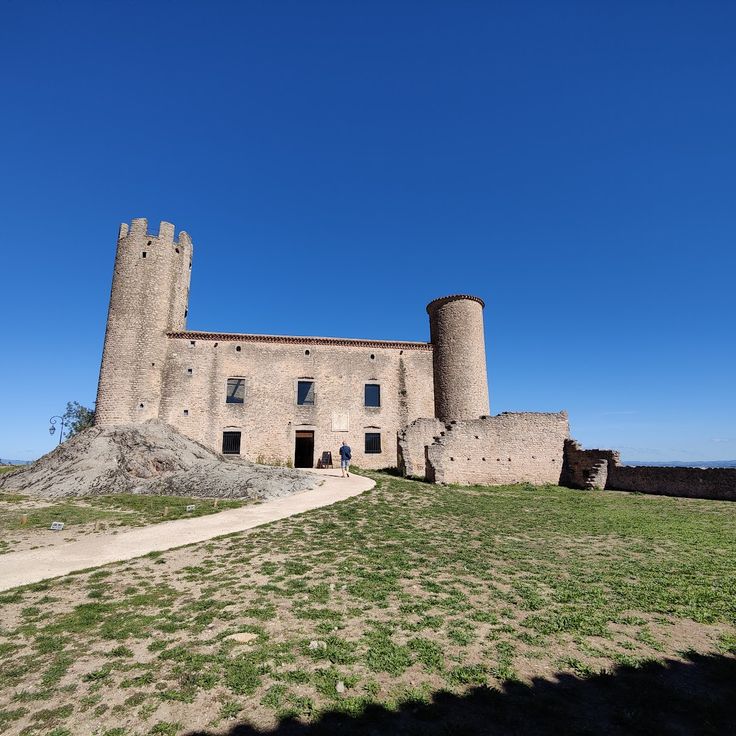
The Château d'Essalois stands on a rocky outcrop above the Loire gorges, looking straight down over the Grangent reservoir. This medieval fortress is one of the oldest defensive structures in the region. From up here, you can see the river winding through the valley below and understand why this spot was once so important for controlling the territory. The stones speak of centuries of history, while the wind moves through the valley.
This monastery founded in the 13th century is unique in France. After the Revolution, it transformed into an actual village. Within this Loire collection of castles and medieval sites, the Chartreuse of Sainte-Croix-en-Jarez offers cloisters and a church that speak to a peaceful religious life. Set in the heart of the Pilat massif, this place shows how a religious community became a living settlement.
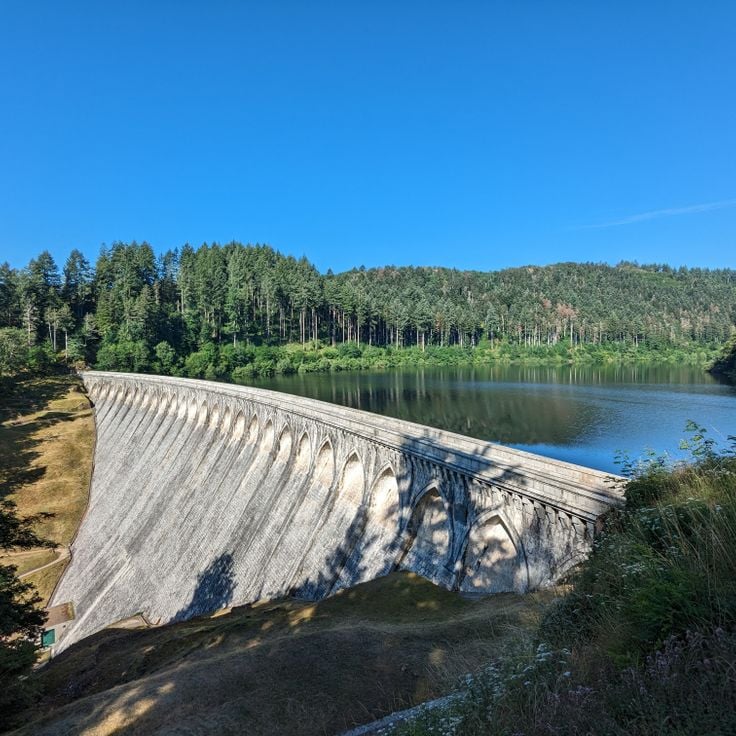
The Renaison Dams are two drinking water reservoirs in the Madeleine mountains, part of the Loire's diverse landscapes shaped by history and nature. The Chartrain dam dates from 1888 and the Grands Murcins dam from 1976. These structures show how people have engineered water management across different eras. Surrounded by forests and hills, they stand as examples of human intervention in the natural terrain.
Montbrison, the former capital of Forez, stands as a key stop on this journey through the Loire. The town reveals its Collegiate Church of Notre-Dame from the 15th century, medieval streets that invite wandering, and a Friday cheese market that still shapes daily life. Here history and everyday tradition come together.
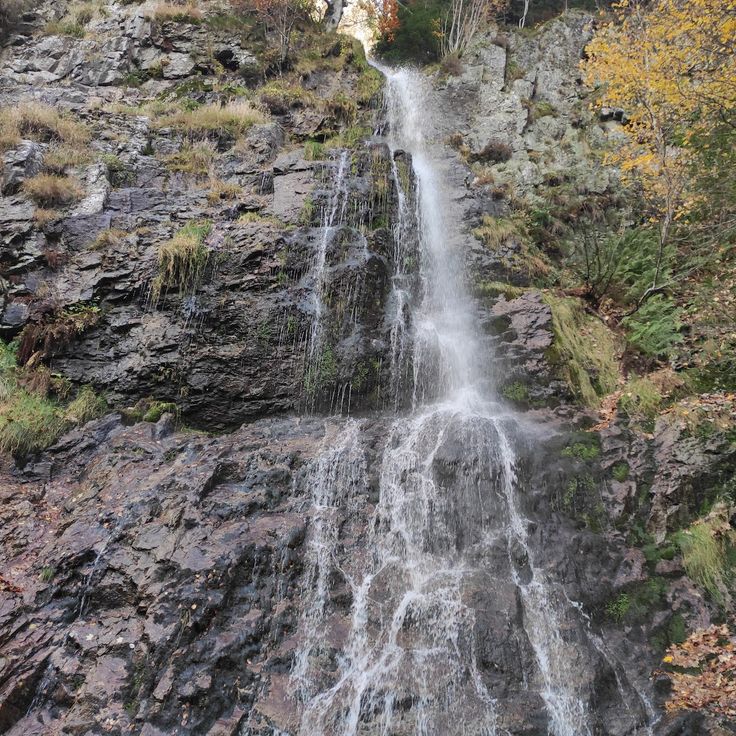
The Saut du Gier is hidden within the Pilat massif and serves as a natural counterpoint to the Loire's castles and villages. This 32-meter waterfall draws walkers seeking a spectacular escape through forest paths. The waterfall and the trail leading to it reveal the region's wild side, where water and stone shape the landscape.
Sauvain sits in the heart of the Forez mountains. This mountain village preserves the memory of jasseries, the ancient summer farms where herders once took their animals to pasture. The village museum tells the story of fourme cheese-making, a local tradition passed down through generations and still part of the region's identity.
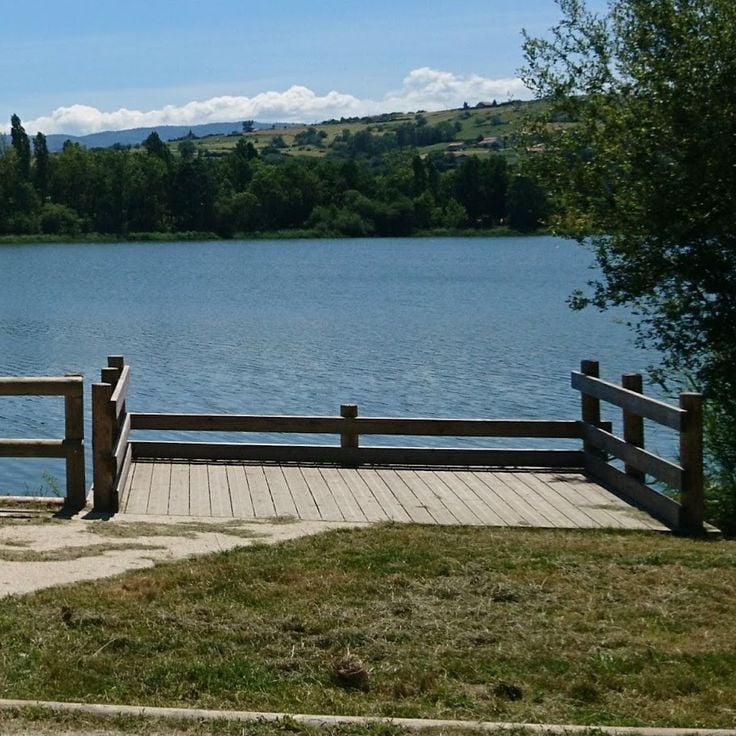
Vidrieux Pond sits in the Loire surrounded by meadows and woods as a natural 8-hectare body of water. This place offers a quieter side to the region, where people come to fish or take walks in the Lyonnais mountains. Unlike the castles and fortified villages elsewhere in the Loire, this pond provides a simple connection to the landscape that shapes the area.
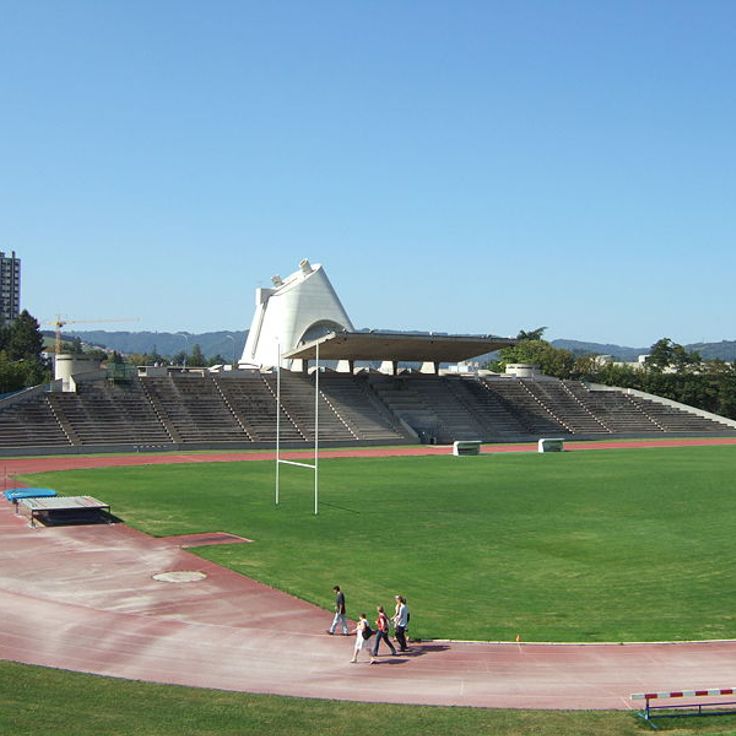
The Le Corbusier Site in Firminy showcases a collection of modern structures, including a church, a housing unit, and a cultural center. These buildings reflect 20th century design principles and demonstrate how the Loire valley embraced architectural innovation alongside its medieval heritage. Walking through this site reveals how concrete and geometric forms shaped the region, offering a striking contrast to the castles and fortified villages found elsewhere in the area.
Saint-Haon-le-Châtel is a fortified village from the 12th century with medieval alleyways and stone houses. It embodies the spirit of Loire's places, situated between plains, dormant volcanoes, and deep forests. Its cobbled streets and buildings perched on heights tell a chapter of history and offer a window into the Middle Ages.
Champdieu is a village in the Loire where castles, medieval settlements, and natural landscapes intersect. The village features a Romanesque priory, old stone walls, and traditional houses that speak to the medieval past of the region. A visit to Champdieu weaves together spirituality and historical heritage, fitting naturally into an exploration of the Loire, where each corner reveals layers of history.
Saint-Romain-le-Puy sits atop a basalt peak in the Loire and represents the medieval heritage that defines this region. This village, with its priory at the summit, Romanesque church, and fortification remains, embodies the blend of history and nature that shapes these landscapes. From its elevated position, you can see across the surrounding plains and forests.
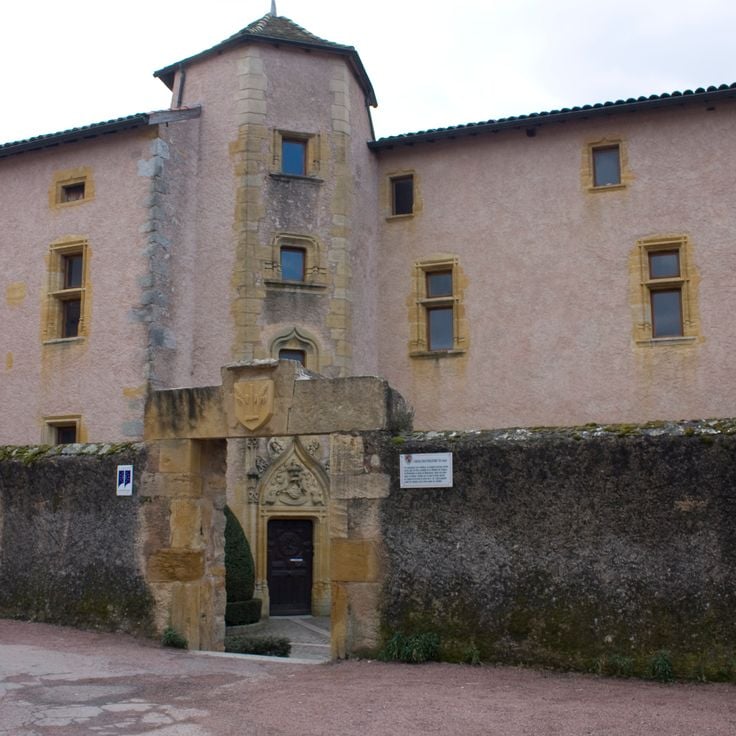
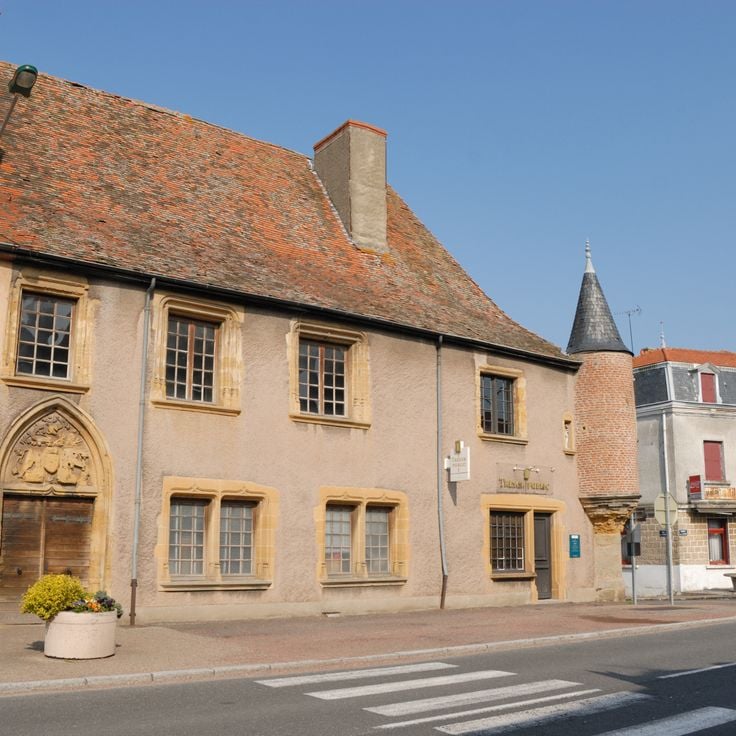
La Pacaudière is a small village in the Loire region that developed around a 16th-century relay station, once a crucial stopping point on the Paris-Lyon route. The village preserves the layout and character of its medieval past, with stone buildings, narrow streets, and the quiet rhythm of rural life. Walking through La Pacaudière, you encounter the traces of travelers and commerce that shaped this community. The relay station at its heart tells the story of how people once moved through France, and the village remains a tangible connection to that era of stage travel and local hospitality.
Saint-Chamond is an industrial center in the Gier valley that fits into the Loire's broader story. This town reveals the region's working heritage through its former textile and metallurgical factories. The buildings speak of a time when industry shaped the valley. Today you can see how industry and nature coexist here. Saint-Chamond offers a window into the Loire's economic past, standing apart from its castles and medieval villages.
Andrézieux-Bouthéon sits on the Loire and shows the diversity of this region, where history and industry exist side by side. The town holds a medieval castle that speaks of the past, while industry and modern commerce shape the present. Here you see how the Loire region carries both ancient stones and contemporary development.
Le Crozet is a medieval village in the Loire region, surrounded by old ramparts. A town gate, several towers, and half-timbered houses line the narrow streets. Walking through Le Crozet gives a clear sense of how people built and lived here centuries ago, tucked between the hills and valleys that have long shaped this part of France.
The Cordeliers Convent in Charlieu is a 14th-century religious building that reveals part of the Loire's story. This place features a Gothic cloister, chapel, and chapter house decorated with medieval sculptures and murals. It stands as one of the sites worth visiting to understand how faith shaped this region's landscape and how stone structures carried the traditions and artistic expression of centuries past.
The Pilat Massif is the green heart of this region between mountains and forests. The ridges of this regional nature park offer views toward the Alps, valleys, and plateaus of the Forez. Hikers find plenty of paths that wind through the terrain, connecting with the castles and medieval villages of the Loire valley. The park reveals the wild character of this landscape where nature and heritage meet.
Charlieu Abbey illustrates the religious wealth found across the Loire region. Founded in the 9th century, this Benedictine monastery features a Romanesque portal and ancient sculptures. It stands as an important landmark for understanding the spiritual heritage of the area and fits perfectly into exploring the many abbeys and castles that define this region.
Saint-Étienne is a city in the Loire that stands out as a design capital with a strong industrial past. Here you find museums, former manufacturing sites, and modern cultural spaces that show how the city transformed from its industrial roots into a center of creativity. The city brings together its historic buildings with contemporary art spaces, making it an important place to discover the Loire's range from craftsmanship and design to history.
The Priory Church of Ambierle is a religious building from the 15th century with Gothic architecture. It features medieval stained glass and a Flemish altarpiece from the 15th century. This church tells the story of the Loire region's religious past and fits naturally into the landscape of medieval villages and historic buildings that define this area.
The Chalmazel ski station sits in the Monts du Forez, a mountain range at the heart of the Loire. It offers downhill skiing in a landscape shaped by dormant volcanoes, deep forests, and open plains. The station is part of a wider area where medieval castles and old fortified villages stand close to wild gorges and open natural spaces. Chalmazel shows a different side of the Loire, far from the big cities but deeply rooted in the history and nature of the region.
This 11th-century priory fits into the Loire's diverse landscape, where medieval castles, gorges, and ancient villages converge. The monastery impresses with its quiet cloister and simple Romanesque church, showcasing the craftsmanship of past centuries. A place where the region's history speaks through its stones.
This 11th-century castle perches on a rocky outcrop at 750 meters (2,460 feet) above sea level and overlooks the Lignon valley. Its round towers and stone walls speak to a time when Forez formed a border between rival powers. Couzan Castle fits into the Loire's story of medieval fortresses scattered between dramatic gorges and forests, where ancient stones mark the region's complex past.
The Gorges of the Loire are part of this region full of contrasts, where medieval castles stand beside wild landscapes. Here, the gorges stretch over several kilometers between cliffs and forests, a protected site where nature reclaims its rights. You can hike and watch birds while exploring the geology and power of the river.
The Château de la Bâtie d'Urfé is a 16th-century castle in the Loire region, recognized for its Renaissance architecture and the grotto adorned with shells. With its French gardens, this castle displays the refinement and craftsmanship of its era. It represents the connection between history and nature that defines the Loire, offering visitors insight into the artistic and craft traditions of this region.
Roanne is a town where water and gastronomy meet. It sits on an active riverside port and holds a rich cultural heritage. This town serves as a vibrant stop along the northern route of the Loire, where you find river landscapes, historic buildings, and a strong tradition of fine dining. Roanne shows the connection between working life and natural beauty that defines the Loire region.
Noirétable Lake is one of the natural landscapes that characterizes the Loire region, situated between plains, dormant volcanoes, and deep forests. This artificial lake offers areas for fishing, swimming, and picnicking. Developed trails allow for walks around the lake.
Saint-Bonnet-le-Château sits on a hill overlooking the Loire countryside. The town was founded in the Middle Ages and has kept much of its old character. Houses with carved facades line the streets around the Gothic church. The cobbled lanes lead to viewpoints where you can see the Forez mountains. Set between plains, dormant volcanoes, and deep forests, this town speaks of a community that has lived here for centuries.
Montverdun sits atop an ancient volcano in the Loire and offers sweeping views over the Forez plain. The village is home to a 12th-century priory constructed from black basalt, a material shaped by the volcanic geology beneath the landscape. This settlement brings together the geological history of the region with medieval architecture, showing how people have inhabited this distinctive ground for centuries.
Crêt de l'Oeillon sits at 1370 meters on the Pilat massif in the Loire. On clear days, Mont Blanc can be seen from this summit. It draws visitors who want to experience the contrasts between mountain landscape and the valleys below.
La Roche Castle was built on a rock in the middle of the river and appears to float on the Loire. This castle exemplifies the medieval fortifications that stand throughout the Loire region between plains and forests. During the blooming season, its reflection in the water creates one of the most photographed landscapes in the department.
The Château d'Essalois stands on a rocky outcrop above the Loire gorges, looking straight down over the Grangent reservoir. This medieval fortress is one of the oldest defensive structures in the region. From up here, you can see the river winding through the valley below and understand why this spot was once so important for controlling the territory. The stones speak of centuries of history, while the wind moves through the valley.
This monastery founded in the 13th century is unique in France. After the Revolution, it transformed into an actual village. Within this Loire collection of castles and medieval sites, the Chartreuse of Sainte-Croix-en-Jarez offers cloisters and a church that speak to a peaceful religious life. Set in the heart of the Pilat massif, this place shows how a religious community became a living settlement.
The Renaison Dams are two drinking water reservoirs in the Madeleine mountains, part of the Loire's diverse landscapes shaped by history and nature. The Chartrain dam dates from 1888 and the Grands Murcins dam from 1976. These structures show how people have engineered water management across different eras. Surrounded by forests and hills, they stand as examples of human intervention in the natural terrain.
Montbrison, the former capital of Forez, stands as a key stop on this journey through the Loire. The town reveals its Collegiate Church of Notre-Dame from the 15th century, medieval streets that invite wandering, and a Friday cheese market that still shapes daily life. Here history and everyday tradition come together.
The Saut du Gier is hidden within the Pilat massif and serves as a natural counterpoint to the Loire's castles and villages. This 32-meter waterfall draws walkers seeking a spectacular escape through forest paths. The waterfall and the trail leading to it reveal the region's wild side, where water and stone shape the landscape.
Sauvain sits in the heart of the Forez mountains. This mountain village preserves the memory of jasseries, the ancient summer farms where herders once took their animals to pasture. The village museum tells the story of fourme cheese-making, a local tradition passed down through generations and still part of the region's identity.
Vidrieux Pond sits in the Loire surrounded by meadows and woods as a natural 8-hectare body of water. This place offers a quieter side to the region, where people come to fish or take walks in the Lyonnais mountains. Unlike the castles and fortified villages elsewhere in the Loire, this pond provides a simple connection to the landscape that shapes the area.
The Le Corbusier Site in Firminy showcases a collection of modern structures, including a church, a housing unit, and a cultural center. These buildings reflect 20th century design principles and demonstrate how the Loire valley embraced architectural innovation alongside its medieval heritage. Walking through this site reveals how concrete and geometric forms shaped the region, offering a striking contrast to the castles and fortified villages found elsewhere in the area.
Saint-Haon-le-Châtel is a fortified village from the 12th century with medieval alleyways and stone houses. It embodies the spirit of Loire's places, situated between plains, dormant volcanoes, and deep forests. Its cobbled streets and buildings perched on heights tell a chapter of history and offer a window into the Middle Ages.
Champdieu is a village in the Loire where castles, medieval settlements, and natural landscapes intersect. The village features a Romanesque priory, old stone walls, and traditional houses that speak to the medieval past of the region. A visit to Champdieu weaves together spirituality and historical heritage, fitting naturally into an exploration of the Loire, where each corner reveals layers of history.
Saint-Romain-le-Puy sits atop a basalt peak in the Loire and represents the medieval heritage that defines this region. This village, with its priory at the summit, Romanesque church, and fortification remains, embodies the blend of history and nature that shapes these landscapes. From its elevated position, you can see across the surrounding plains and forests.
La Pacaudière is a small village in the Loire region that developed around a 16th-century relay station, once a crucial stopping point on the Paris-Lyon route. The village preserves the layout and character of its medieval past, with stone buildings, narrow streets, and the quiet rhythm of rural life. Walking through La Pacaudière, you encounter the traces of travelers and commerce that shaped this community. The relay station at its heart tells the story of how people once moved through France, and the village remains a tangible connection to that era of stage travel and local hospitality.
Saint-Chamond is an industrial center in the Gier valley that fits into the Loire's broader story. This town reveals the region's working heritage through its former textile and metallurgical factories. The buildings speak of a time when industry shaped the valley. Today you can see how industry and nature coexist here. Saint-Chamond offers a window into the Loire's economic past, standing apart from its castles and medieval villages.
Andrézieux-Bouthéon sits on the Loire and shows the diversity of this region, where history and industry exist side by side. The town holds a medieval castle that speaks of the past, while industry and modern commerce shape the present. Here you see how the Loire region carries both ancient stones and contemporary development.
Le Crozet is a medieval village in the Loire region, surrounded by old ramparts. A town gate, several towers, and half-timbered houses line the narrow streets. Walking through Le Crozet gives a clear sense of how people built and lived here centuries ago, tucked between the hills and valleys that have long shaped this part of France.
The Cordeliers Convent in Charlieu is a 14th-century religious building that reveals part of the Loire's story. This place features a Gothic cloister, chapel, and chapter house decorated with medieval sculptures and murals. It stands as one of the sites worth visiting to understand how faith shaped this region's landscape and how stone structures carried the traditions and artistic expression of centuries past.
The Pilat Massif is the green heart of this region between mountains and forests. The ridges of this regional nature park offer views toward the Alps, valleys, and plateaus of the Forez. Hikers find plenty of paths that wind through the terrain, connecting with the castles and medieval villages of the Loire valley. The park reveals the wild character of this landscape where nature and heritage meet.
Charlieu Abbey illustrates the religious wealth found across the Loire region. Founded in the 9th century, this Benedictine monastery features a Romanesque portal and ancient sculptures. It stands as an important landmark for understanding the spiritual heritage of the area and fits perfectly into exploring the many abbeys and castles that define this region.
Saint-Étienne is a city in the Loire that stands out as a design capital with a strong industrial past. Here you find museums, former manufacturing sites, and modern cultural spaces that show how the city transformed from its industrial roots into a center of creativity. The city brings together its historic buildings with contemporary art spaces, making it an important place to discover the Loire's range from craftsmanship and design to history.
The Priory Church of Ambierle is a religious building from the 15th century with Gothic architecture. It features medieval stained glass and a Flemish altarpiece from the 15th century. This church tells the story of the Loire region's religious past and fits naturally into the landscape of medieval villages and historic buildings that define this area.
The Chalmazel ski station sits in the Monts du Forez, a mountain range at the heart of the Loire. It offers downhill skiing in a landscape shaped by dormant volcanoes, deep forests, and open plains. The station is part of a wider area where medieval castles and old fortified villages stand close to wild gorges and open natural spaces. Chalmazel shows a different side of the Loire, far from the big cities but deeply rooted in the history and nature of the region.
This 11th-century priory fits into the Loire's diverse landscape, where medieval castles, gorges, and ancient villages converge. The monastery impresses with its quiet cloister and simple Romanesque church, showcasing the craftsmanship of past centuries. A place where the region's history speaks through its stones.
This 11th-century castle perches on a rocky outcrop at 750 meters (2,460 feet) above sea level and overlooks the Lignon valley. Its round towers and stone walls speak to a time when Forez formed a border between rival powers. Couzan Castle fits into the Loire's story of medieval fortresses scattered between dramatic gorges and forests, where ancient stones mark the region's complex past.
The Gorges of the Loire are part of this region full of contrasts, where medieval castles stand beside wild landscapes. Here, the gorges stretch over several kilometers between cliffs and forests, a protected site where nature reclaims its rights. You can hike and watch birds while exploring the geology and power of the river.
The Château de la Bâtie d'Urfé is a 16th-century castle in the Loire region, recognized for its Renaissance architecture and the grotto adorned with shells. With its French gardens, this castle displays the refinement and craftsmanship of its era. It represents the connection between history and nature that defines the Loire, offering visitors insight into the artistic and craft traditions of this region.
Roanne is a town where water and gastronomy meet. It sits on an active riverside port and holds a rich cultural heritage. This town serves as a vibrant stop along the northern route of the Loire, where you find river landscapes, historic buildings, and a strong tradition of fine dining. Roanne shows the connection between working life and natural beauty that defines the Loire region.
Noirétable Lake is one of the natural landscapes that characterizes the Loire region, situated between plains, dormant volcanoes, and deep forests. This artificial lake offers areas for fishing, swimming, and picnicking. Developed trails allow for walks around the lake.
Saint-Bonnet-le-Château sits on a hill overlooking the Loire countryside. The town was founded in the Middle Ages and has kept much of its old character. Houses with carved facades line the streets around the Gothic church. The cobbled lanes lead to viewpoints where you can see the Forez mountains. Set between plains, dormant volcanoes, and deep forests, this town speaks of a community that has lived here for centuries.
Montverdun sits atop an ancient volcano in the Loire and offers sweeping views over the Forez plain. The village is home to a 12th-century priory constructed from black basalt, a material shaped by the volcanic geology beneath the landscape. This settlement brings together the geological history of the region with medieval architecture, showing how people have inhabited this distinctive ground for centuries.
Crêt de l'Oeillon sits at 1370 meters on the Pilat massif in the Loire. On clear days, Mont Blanc can be seen from this summit. It draws visitors who want to experience the contrasts between mountain landscape and the valleys below.
La Roche Castle was built on a rock in the middle of the river and appears to float on the Loire. This castle exemplifies the medieval fortifications that stand throughout the Loire region between plains and forests. During the blooming season, its reflection in the water creates one of the most photographed landscapes in the department.
The Château d'Essalois stands on a rocky outcrop above the Loire gorges, looking straight down over the Grangent reservoir. This medieval fortress is one of the oldest defensive structures in the region. From up here, you can see the river winding through the valley below and understand why this spot was once so important for controlling the territory. The stones speak of centuries of history, while the wind moves through the valley.
This monastery founded in the 13th century is unique in France. After the Revolution, it transformed into an actual village. Within this Loire collection of castles and medieval sites, the Chartreuse of Sainte-Croix-en-Jarez offers cloisters and a church that speak to a peaceful religious life. Set in the heart of the Pilat massif, this place shows how a religious community became a living settlement.
The Renaison Dams are two drinking water reservoirs in the Madeleine mountains, part of the Loire's diverse landscapes shaped by history and nature. The Chartrain dam dates from 1888 and the Grands Murcins dam from 1976. These structures show how people have engineered water management across different eras. Surrounded by forests and hills, they stand as examples of human intervention in the natural terrain.
Montbrison, the former capital of Forez, stands as a key stop on this journey through the Loire. The town reveals its Collegiate Church of Notre-Dame from the 15th century, medieval streets that invite wandering, and a Friday cheese market that still shapes daily life. Here history and everyday tradition come together.
The Saut du Gier is hidden within the Pilat massif and serves as a natural counterpoint to the Loire's castles and villages. This 32-meter waterfall draws walkers seeking a spectacular escape through forest paths. The waterfall and the trail leading to it reveal the region's wild side, where water and stone shape the landscape.
Sauvain sits in the heart of the Forez mountains. This mountain village preserves the memory of jasseries, the ancient summer farms where herders once took their animals to pasture. The village museum tells the story of fourme cheese-making, a local tradition passed down through generations and still part of the region's identity.
Vidrieux Pond sits in the Loire surrounded by meadows and woods as a natural 8-hectare body of water. This place offers a quieter side to the region, where people come to fish or take walks in the Lyonnais mountains. Unlike the castles and fortified villages elsewhere in the Loire, this pond provides a simple connection to the landscape that shapes the area.
The Le Corbusier Site in Firminy showcases a collection of modern structures, including a church, a housing unit, and a cultural center. These buildings reflect 20th century design principles and demonstrate how the Loire valley embraced architectural innovation alongside its medieval heritage. Walking through this site reveals how concrete and geometric forms shaped the region, offering a striking contrast to the castles and fortified villages found elsewhere in the area.
Saint-Haon-le-Châtel is a fortified village from the 12th century with medieval alleyways and stone houses. It embodies the spirit of Loire's places, situated between plains, dormant volcanoes, and deep forests. Its cobbled streets and buildings perched on heights tell a chapter of history and offer a window into the Middle Ages.
Champdieu is a village in the Loire where castles, medieval settlements, and natural landscapes intersect. The village features a Romanesque priory, old stone walls, and traditional houses that speak to the medieval past of the region. A visit to Champdieu weaves together spirituality and historical heritage, fitting naturally into an exploration of the Loire, where each corner reveals layers of history.
Saint-Romain-le-Puy sits atop a basalt peak in the Loire and represents the medieval heritage that defines this region. This village, with its priory at the summit, Romanesque church, and fortification remains, embodies the blend of history and nature that shapes these landscapes. From its elevated position, you can see across the surrounding plains and forests.
La Pacaudière is a small village in the Loire region that developed around a 16th-century relay station, once a crucial stopping point on the Paris-Lyon route. The village preserves the layout and character of its medieval past, with stone buildings, narrow streets, and the quiet rhythm of rural life. Walking through La Pacaudière, you encounter the traces of travelers and commerce that shaped this community. The relay station at its heart tells the story of how people once moved through France, and the village remains a tangible connection to that era of stage travel and local hospitality.
Saint-Chamond is an industrial center in the Gier valley that fits into the Loire's broader story. This town reveals the region's working heritage through its former textile and metallurgical factories. The buildings speak of a time when industry shaped the valley. Today you can see how industry and nature coexist here. Saint-Chamond offers a window into the Loire's economic past, standing apart from its castles and medieval villages.
Andrézieux-Bouthéon sits on the Loire and shows the diversity of this region, where history and industry exist side by side. The town holds a medieval castle that speaks of the past, while industry and modern commerce shape the present. Here you see how the Loire region carries both ancient stones and contemporary development.
Visit in autumn to enjoy changing colors in the forests of Pilat and on quieter roads. The castles then glow with soft light that makes the trip worth it. Bring good walking shoes because the villages are built on slopes.