See the monuments around you in AROpen chests in the app
Around Us is built for your phone — point your camera at the streets and discover the monuments and places around you in augmented reality.Around Us is built for your phone — chests unlock when you walk, explore and capture nearby places.
Saint-Etienne offers a range of settings for photography across a city that has evolved from its industrial roots into a cultural destination. The city center combines historic landmarks like Saint Charles Borromeo Cathedral with modern structures such as the Cité du Design. Public squares, working-class neighborhoods, and former factory buildings create a record of the city's past. Museums dedicated to art and local history stand alongside gardens and green spaces that provide contrast to the urban environment.
Beyond the city center, the landscape changes dramatically. The Loire Gorges and Pilat Regional Natural Park offer natural scenery within reach of the city. Nearby Firminy features the Le Corbusier Site, a residential complex designed by the famous architect. Walking through different neighborhoods like Jean Jaurès Square, Châteaucreux, and Crêt de Roc reveals distinct architectural periods and urban character. The collection captures how the city functions as a working place with layers of history visible in its streets, buildings, and surrounding natural areas.
Saint-Etienne offers a range of settings for photography across a city that has evolved from its industrial roots into a cultural destination. The city center combines historic landmarks like Saint Charles Borromeo Cathedral with modern structures such as the Cité du Design. Public squares, working-class neighborhoods, and former factory buildings create a record of the city's past. Museums dedicated to art and local history stand alongside gardens and green spaces that provide contrast to the urban environment.
Beyond the city center, the landscape changes dramatically. The Loire Gorges and Pilat Regional Natural Park offer natural scenery within reach of the city. Nearby Firminy features the Le Corbusier Site, a residential complex designed by the famous architect. Walking through different neighborhoods like Jean Jaurès Square, Châteaucreux, and Crêt de Roc reveals distinct architectural periods and urban character. The collection captures how the city functions as a working place with layers of history visible in its streets, buildings, and surrounding natural areas.
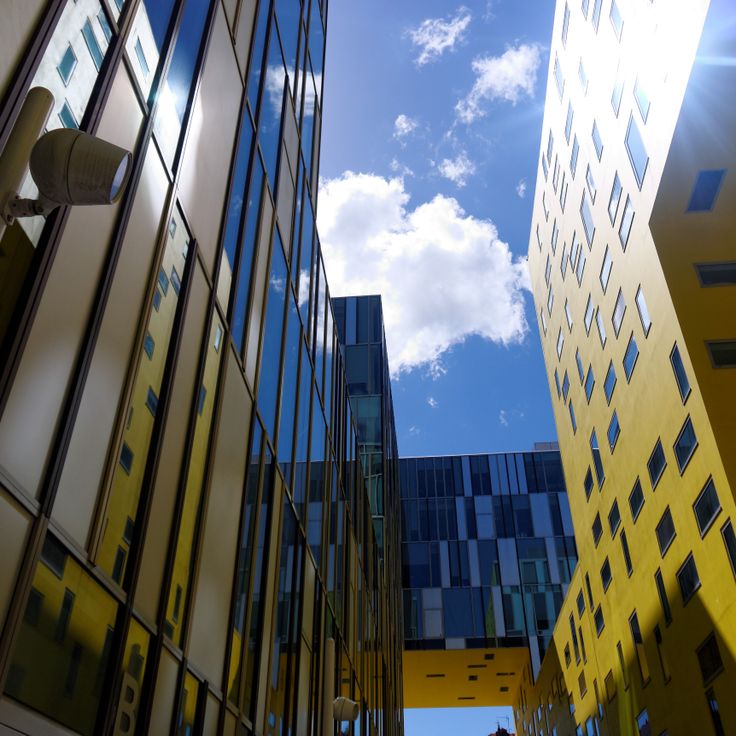
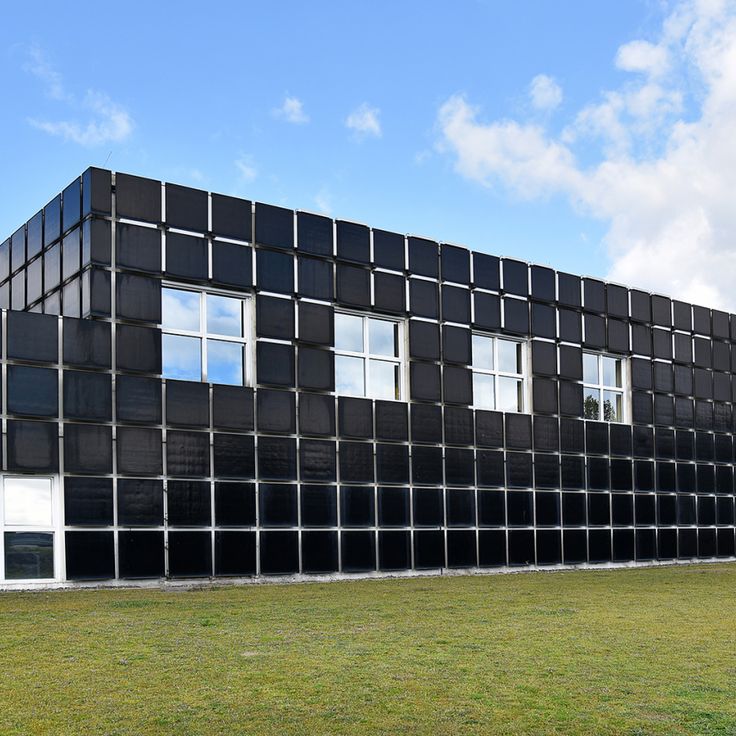
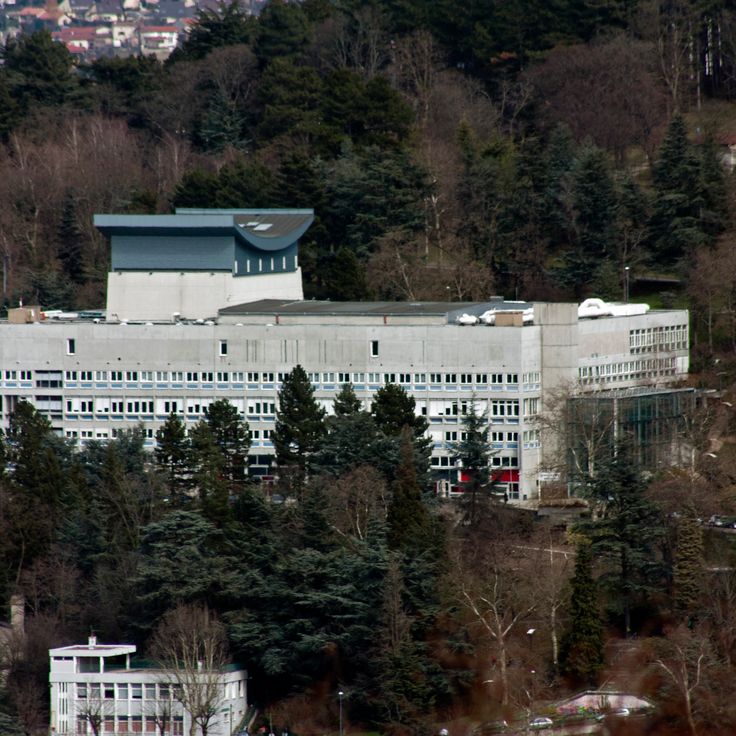
The Administrative Center Grüner is a 2010 administrative complex with green glass facades and geometric shapes. It serves as a photography location for this collection, showcasing the contemporary architecture of Saint-Etienne and contrasting with the city's industrial heritage and design-focused spaces like the Cite du Design.
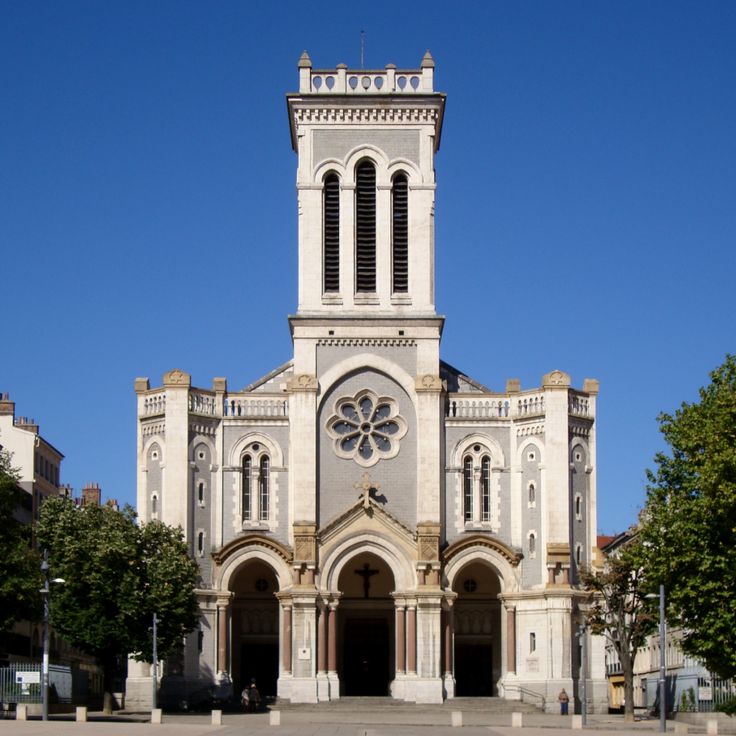
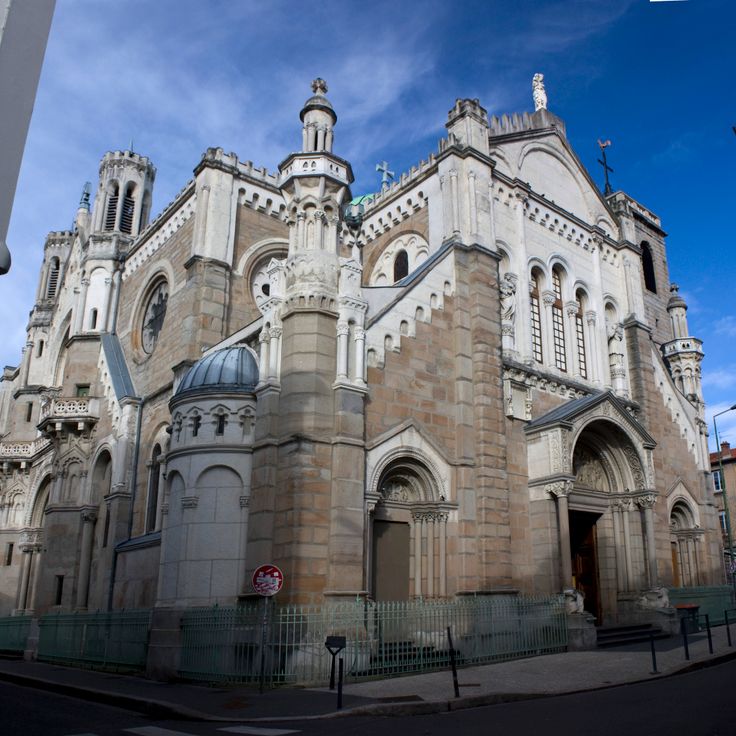
The Saint Charles Borromeo Cathedral is a 19th-century religious building and a key photography location in Saint-Etienne. The structure displays neo-gothic design with a stone facade, two towers, and colored glass windows. Its architectural details offer compelling subjects for diverse photographic perspectives and lighting conditions throughout the day.
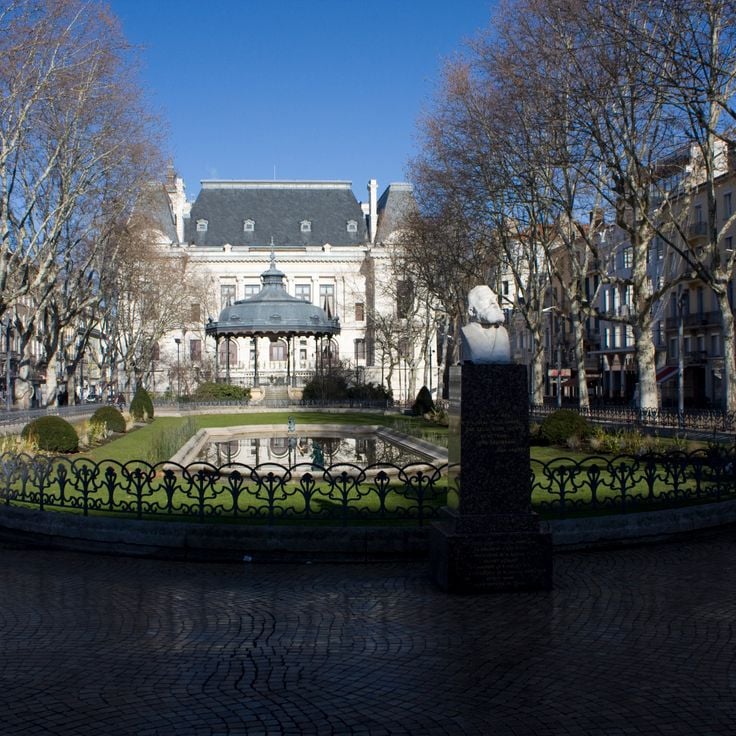
Jean Jaures Square is a central plaza in Saint-Etienne with stone paving and multiple water fountains. It works well for photographing urban scenes, with restaurants surrounding the area and access to shopping streets. This location fits naturally into the photography collection of Saint-Etienne, where public squares, buildings, and spaces offer varied subjects for the camera.
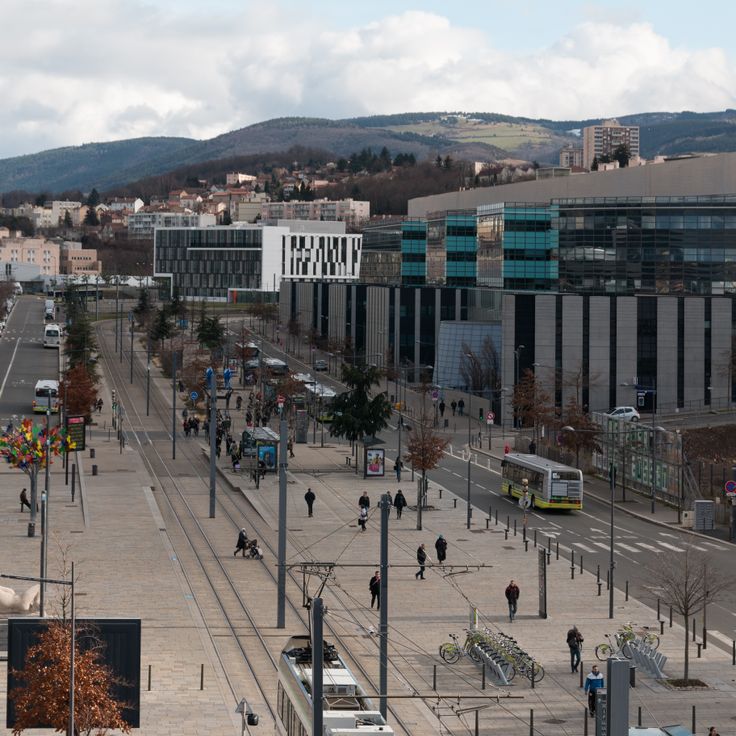
The Châteaucreux District provides photography opportunities in Saint-Etienne with its office buildings, shops, and active railway station surroundings. This neighborhood captures the everyday rhythm of the city as a transportation hub where buses, trams, and numerous restaurants shape the public spaces.
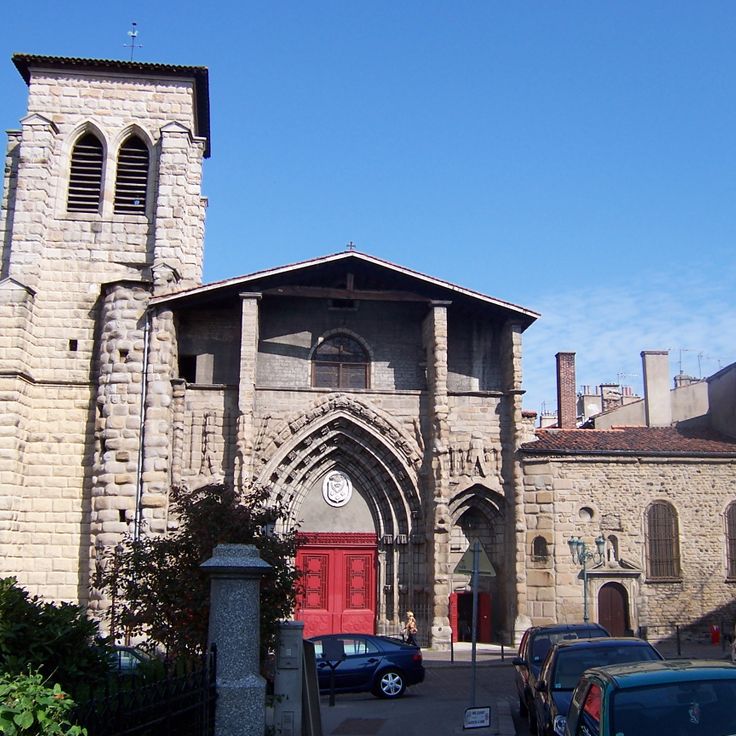
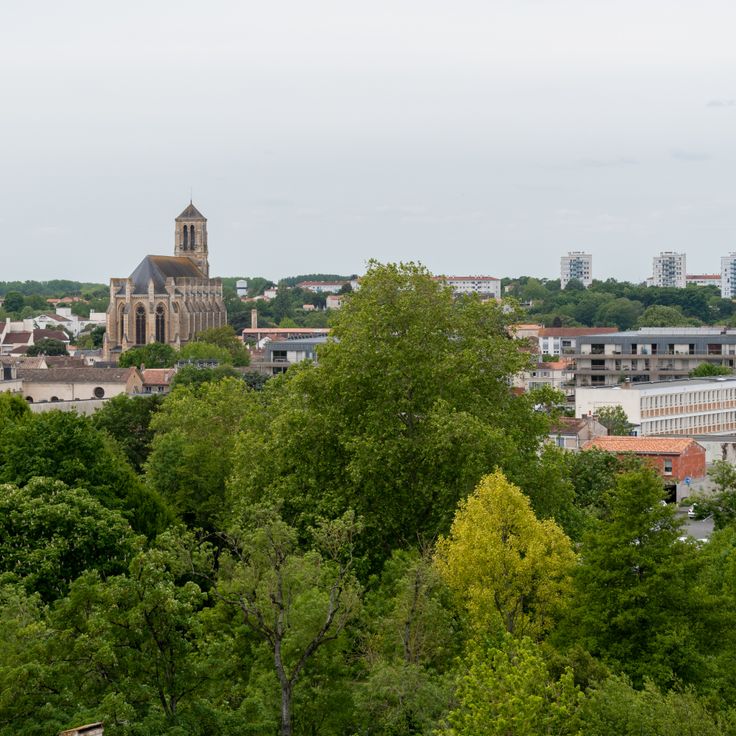
La Grand'Eglise is a 15th century church that serves as a photography location in Saint-Etienne. The building features Gothic architecture with stained glass windows, stone vaults, and a bell tower rising 45 meters high. It stands alongside other photography subjects in the city, including the Cite du Design and Cathedral Saint-Charles-Borromee.
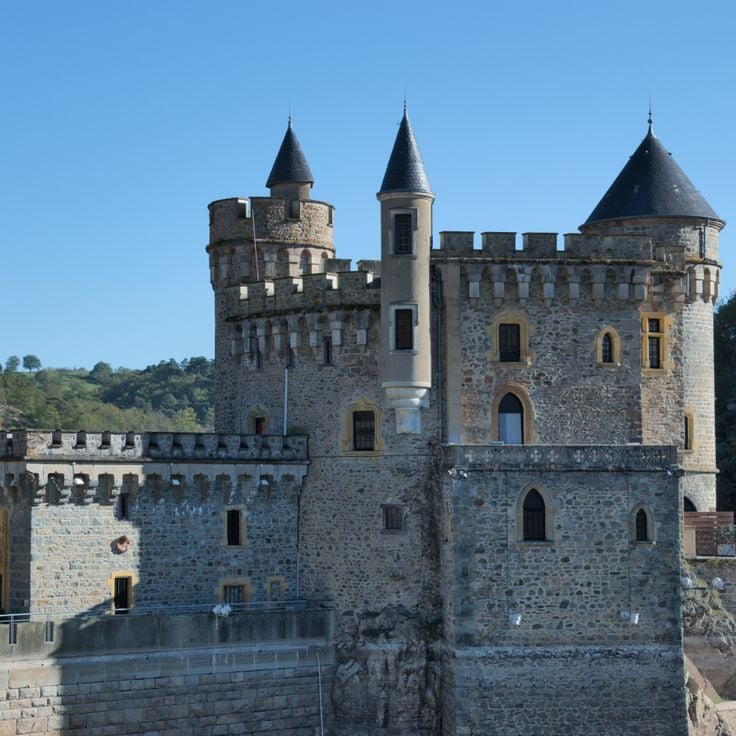
The Château de La Roche is a medieval fortress rising from a granite outcrop above the Loire River. For photographers exploring Saint-Étienne's landscapes, this castle offers compelling subjects with its four towers and period-furnished rooms from the 13th century. The structure showcases early medieval architecture and sits near the Loire Gorges, providing additional opportunities to capture the region's natural features.
The Museum of Modern and Contemporary Art displays artworks spanning from the 19th century to today, offering photographic subjects for those exploring Saint-Etienne. Its collection includes paintings, sculptures, photographs, and design objects that create interesting compositions within the museum's interiors.
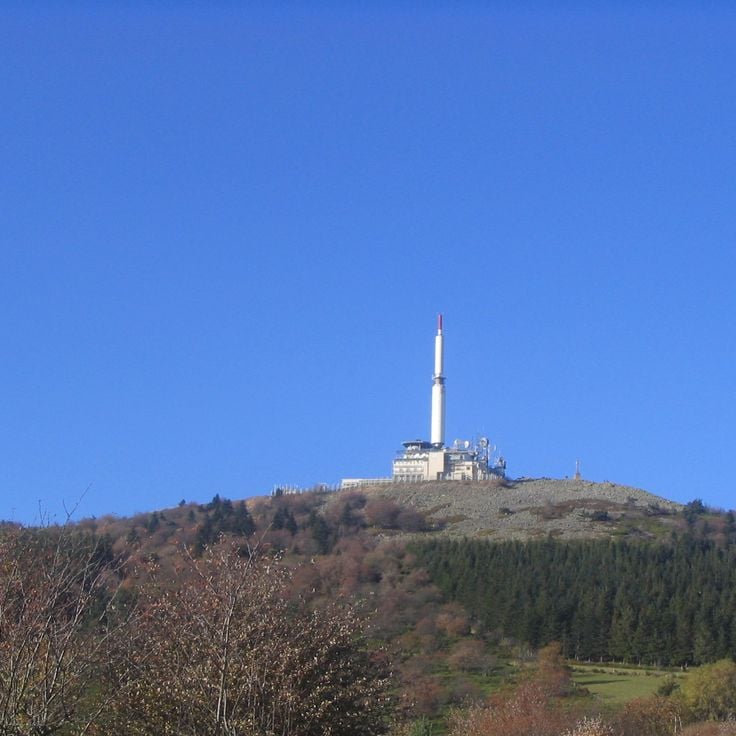
Pilat Regional Natural Park is a protected area south of Saint-Etienne with forests, meadows, and mountain ridges that offer photography subjects across different elevations and seasons. The park provides landscape photography opportunities with changing vegetation and natural formations. It complements the urban photography settings found in Saint-Etienne, contrasting with the city's design centers, industrial buildings, and public squares.
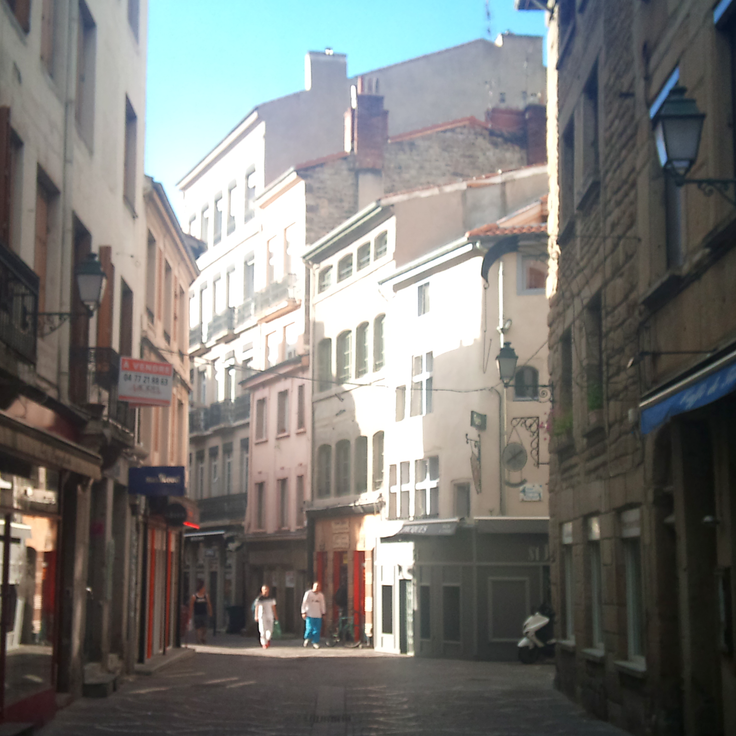
Rue des Martyrs de Vingre is a 19th century street in Saint-Etienne that features traditional stone buildings, local shops, and architectural elements from the industrial revolution period. This street offers genuine photography subjects for documenting the city's heritage and industrial history, set within Saint-Etienne where the Cite du Design and Cathedral Saint-Charles-Borromee also stand.
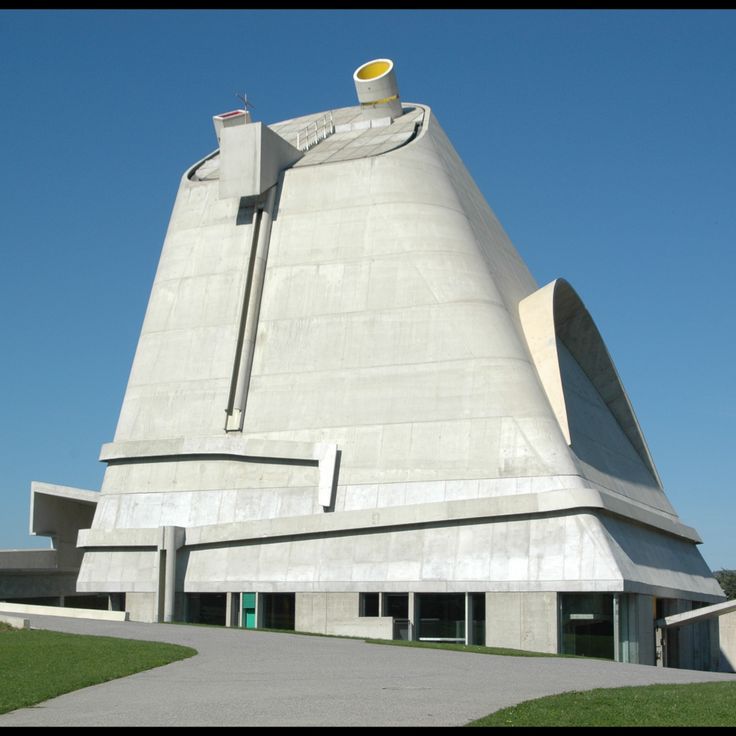
This site in Firminy showcases work by the renowned architect Le Corbusier and offers photography opportunities for those interested in architecture. Five buildings were constructed here between 1955 and 1969: a church, cultural center, stadium, swimming pool, and residential building. The structures reflect the modern building style of the period. Located outside Saint-Etienne's center, much like the Loire Gorges and Pilat Regional Park, this site provides a different perspective on the region.
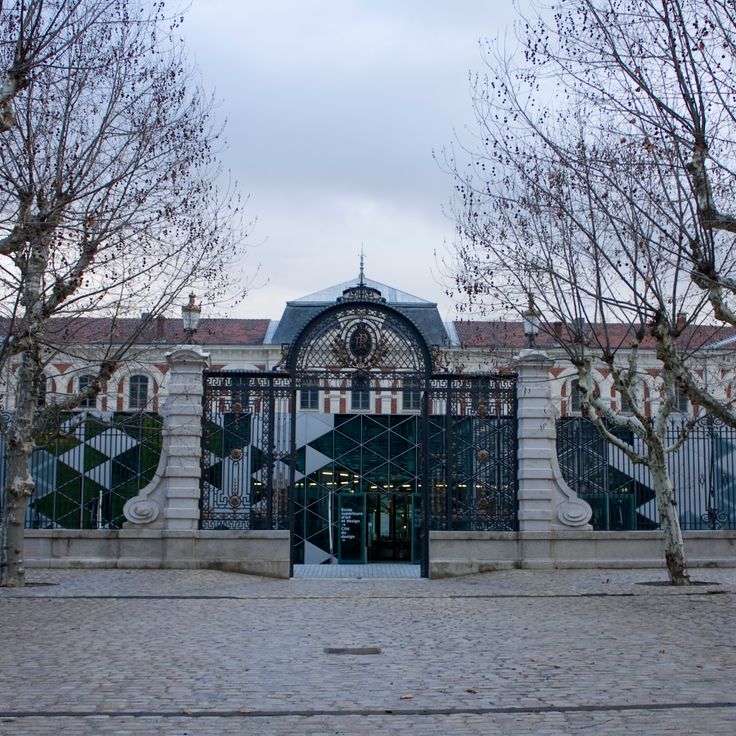
The Cité du Design is a former arms factory converted into a design center in 2009. It features exhibition spaces, research facilities, and a design school. For photographers exploring Saint-Etienne, this site captures the transformation of industrial buildings into modern cultural spaces. The architecture reveals the contrast between the city's industrial past and its current focus on design and creativity.
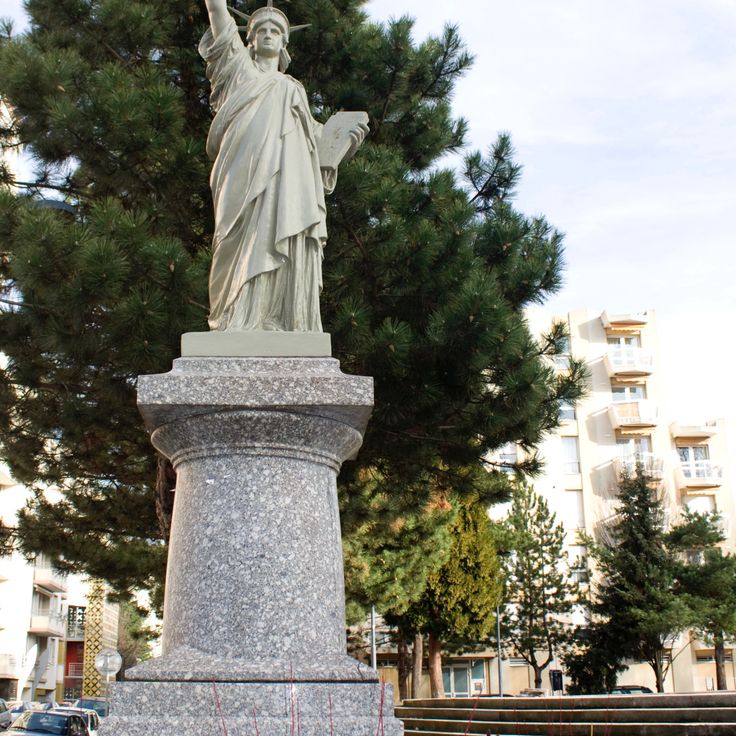
This bronze replica of the Statue of Liberty stands in Saint-Etienne and gives photographers an unexpected view of how France interpreted the famous American monument. Installed in 1915 near Place Jules Ferry, this sculpture offers an interesting subject for those photographing the city's industrial past and artistic works. It fits well with other photography locations in Saint-Etienne like the Cite du Design and the art museums.
The Botanical Garden of Saint-Etienne is a public space displaying collections of native and exotic plants. Here you will find seasonal flower beds and greenhouses filled with Mediterranean species. For photographers, this garden offers many subjects to capture: the colorful blooms that change with the seasons, the green pathways winding between the beds, and the glass structures of the greenhouses. This garden fits well within Saint-Etienne's photography landscape, which ranges from design museums to natural spaces like the Loire Gorges and Pilat Regional Park.
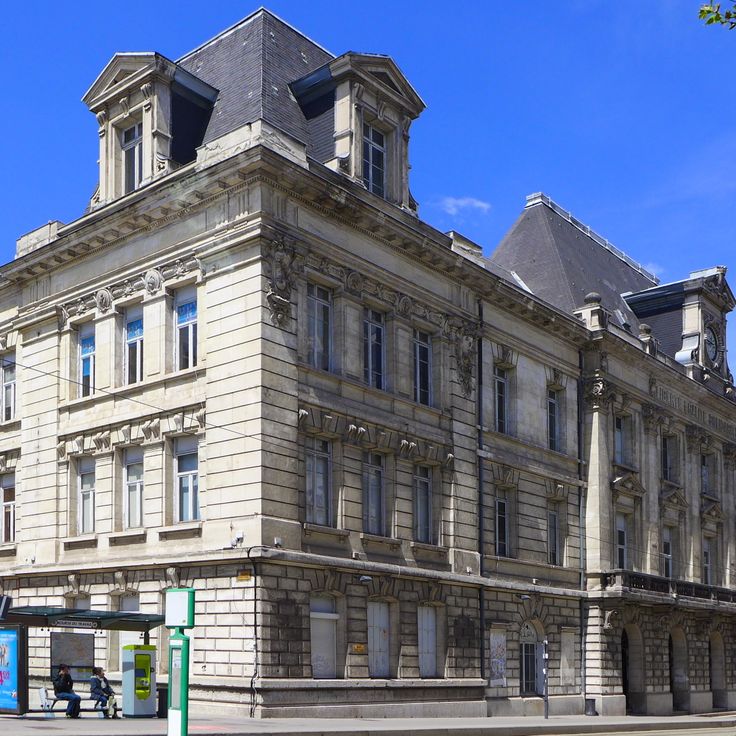
The Labor Exchange Building is an Art Deco structure from 1930 that provides photography opportunities in Saint-Etienne. It features marble columns, large glass windows, and a main hall for events. The building records the city's industrial past and complements other photography locations such as the Design Museum and the Cathedral.
The Opera Theatre in Saint-Etienne is a photography location that captures the city's cultural and architectural character. Built in 1968, this theater seats 1200 people and hosts opera performances and symphony concerts. As a setting for photographs, the Opera Theatre shows how Saint-Etienne blends art and design with its built environment, complementing other photo locations like the Cite du Design and Cathedral Saint-Charles-Borromee, as well as the natural subjects found in the Loire Gorges and Pilat Regional Park beyond the city.
The Crêt de Roc District is a photography location in Saint-Etienne where you can capture a hilltop neighborhood with stone buildings from the 19th century. The narrow streets and small gardens provide interesting subjects for your camera. This district shows the historical character of the city and works well with other photo sites like the Cite du Design and the industrial buildings found throughout the region.
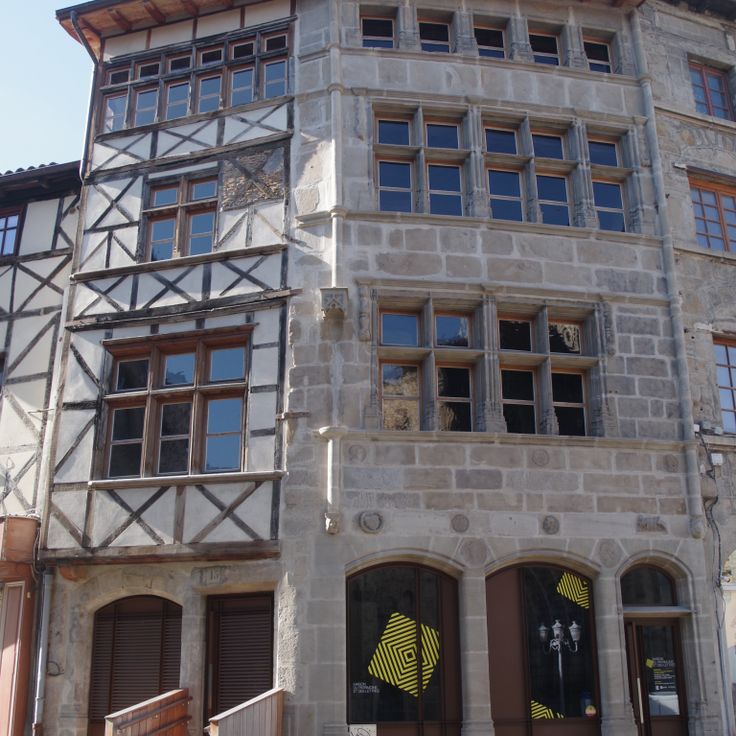
The Maison François I is a residential building from the 16th century in Saint-Étienne with stone walls, period windows and decorative elements of French Renaissance architecture. This building offers photographers interesting details of historical construction and serves as a subject for documenting the city's architectural heritage alongside modern locations like the Cité du Design.
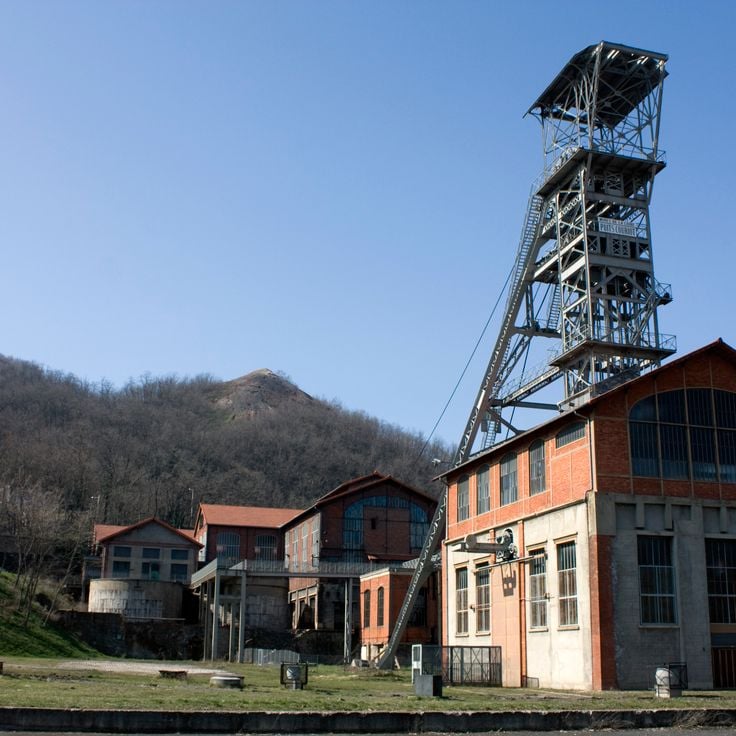
The Mine Museum in Saint-Etienne is an important location for photographers exploring the city's industrial heritage. This former coal mining site displays authentic mining equipment, historical tools, and documents that chronicle coal extraction from 1810 to 1973. The location combines the raw character of abandoned mining structures with Saint-Etienne's rich industrial past, offering numerous opportunities for powerful photography.
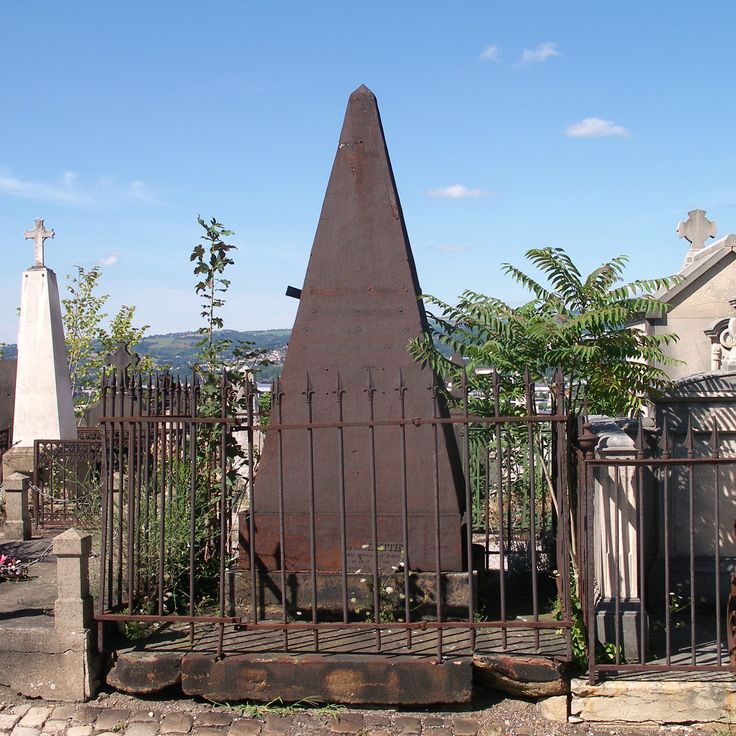
The Tombeau Smith is a monument from the 19th century with carved stone details and sculptures commemorating the Smith family, local industrialists of Saint-Etienne. It offers photographers a subject to document the industrial history of the city, alongside other notable locations such as the Cité du Design and the Cathedral Saint-Charles-Borromée.
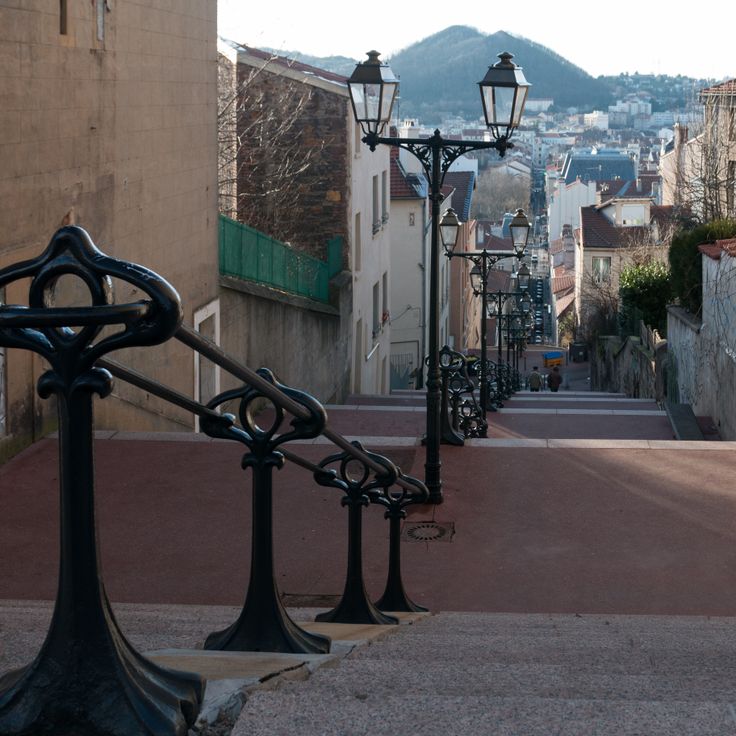
The Montée du Crêt de Roc is a 19th-century stone stairway that connects Saint-Etienne with the hill above. With 280 steps arranged in multiple sections, this historic stairway offers photographers views of the city and its industrial past. The stairway serves as an interesting location for photographers documenting the history and landscape of Saint-Etienne.
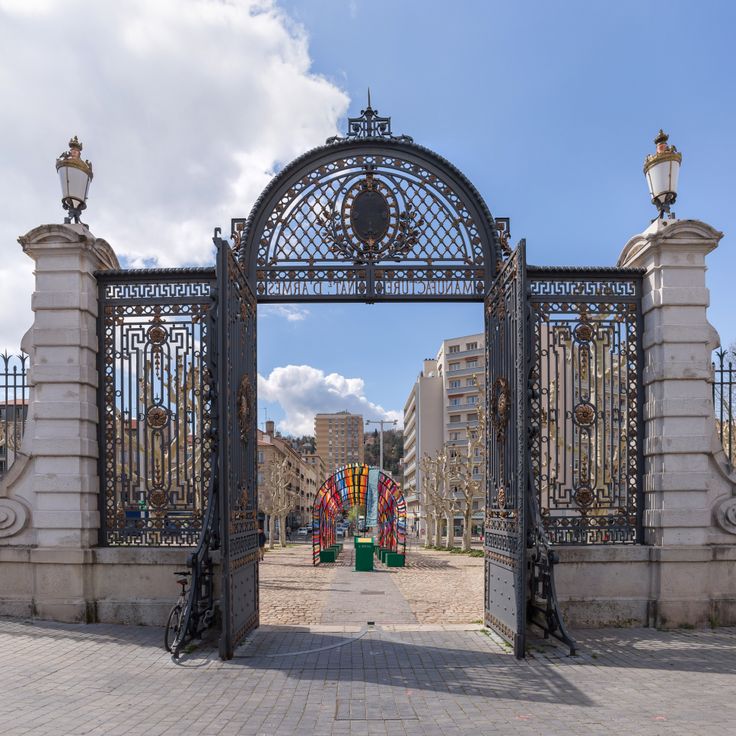
The National Arms Factory Gate is the stone entrance to this former weapons manufacturing complex in Saint-Etienne. Built in 1864, this gate marks the beginning of the industrial site where weapons were produced until 1990. The structure displays carefully crafted architectural details that reflect the building methods of its era. It offers photographers a direct window into the city's industrial past and works well as a subject when documenting Saint-Etienne's manufacturing heritage alongside other photography locations like the Cite du Design and regional parks.
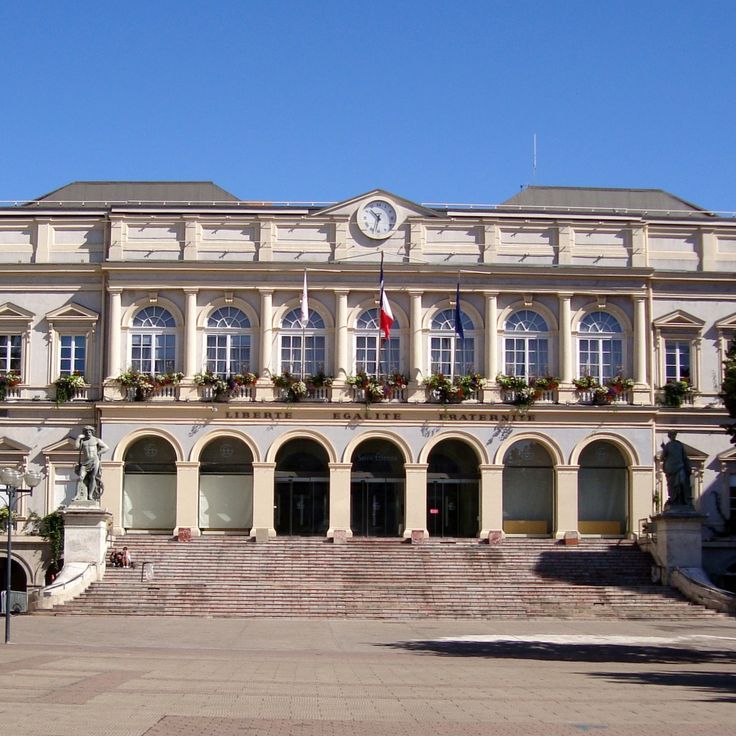
The City Hall of Saint-Etienne is a stone building constructed in 1822 and serves as an important photography location in the city. The structure displays classical and Renaissance elements in its architecture. With its central clock tower and decorated facade, it offers compelling subjects for photographers documenting the industrial past and cultural history of Saint-Etienne.
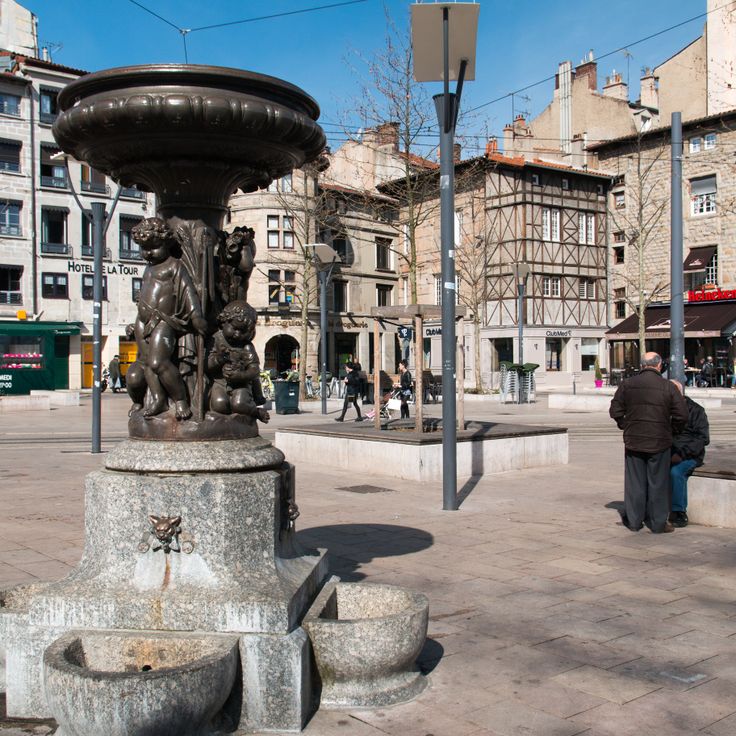
The People's Square Fountain is a stone fountain from the 19th century and provides a photographic subject in the heart of Saint-Etienne. Water flows from multiple decorated spouts into a circular basin. This fountain fits well with other photography settings in the city, such as the Cite du Design and Cathedral Saint-Charles-Borromee, and can be photographed alongside industrial buildings, art museums, gardens, and public squares.
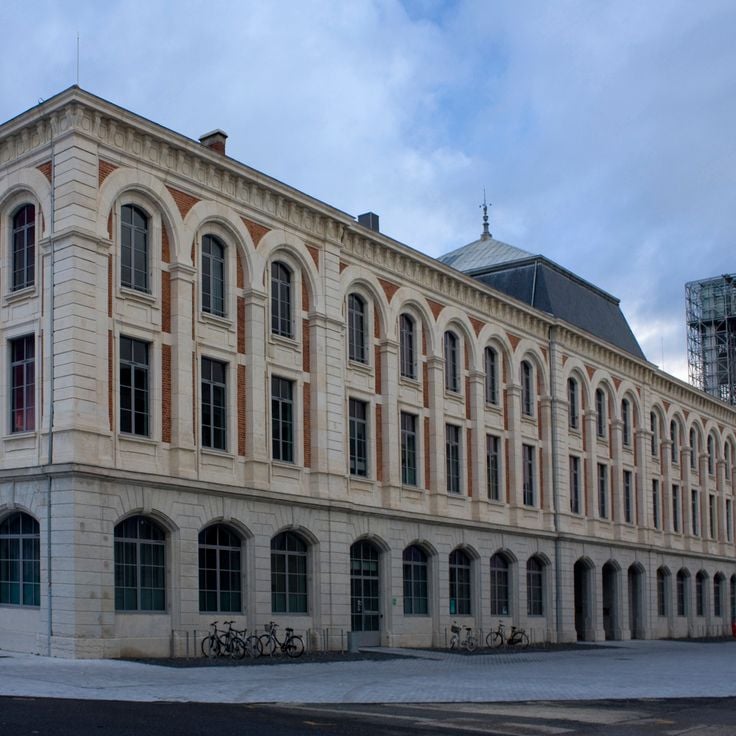
The Saint-Étienne Arms Factory is an industrial complex built in 1864 with red brick buildings and metal framework originally constructed for arms production. The site now houses university facilities and offers photographers a window into the industrial history of the city, which alongside the Cite du Design and other industrial buildings forms part of Saint-Étienne's photographic heritage.
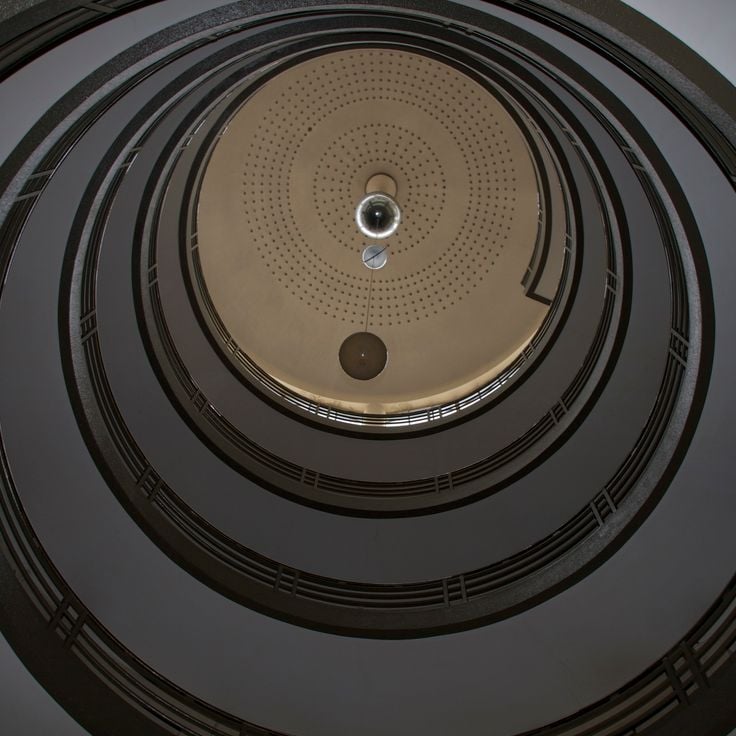
The Maisons sans escalier is a residential complex in Saint-Etienne that appeals to photographers exploring the city's industrial and architectural heritage. Built in 1933, this building features external ramps instead of internal staircases and holds 26 apartments across six floors. The distinctive design reflects mid-century innovation and offers compelling visual opportunities for documenting urban housing and functional architecture within Saint-Etienne's broader collection of design-forward structures.
The Église Sainte-Marie is a religious building in Saint-Etienne that offers interesting photographic potential alongside the city's other notable structures. Built in 1923, it features a stone facade with a bell tower and impressive stained glass windows. Inside, wooden details and craftsmanship add character to the space. This church complements photography locations throughout Saint-Etienne, from the Cité du Design to the Cathedral of Saint-Charles-Borromée.
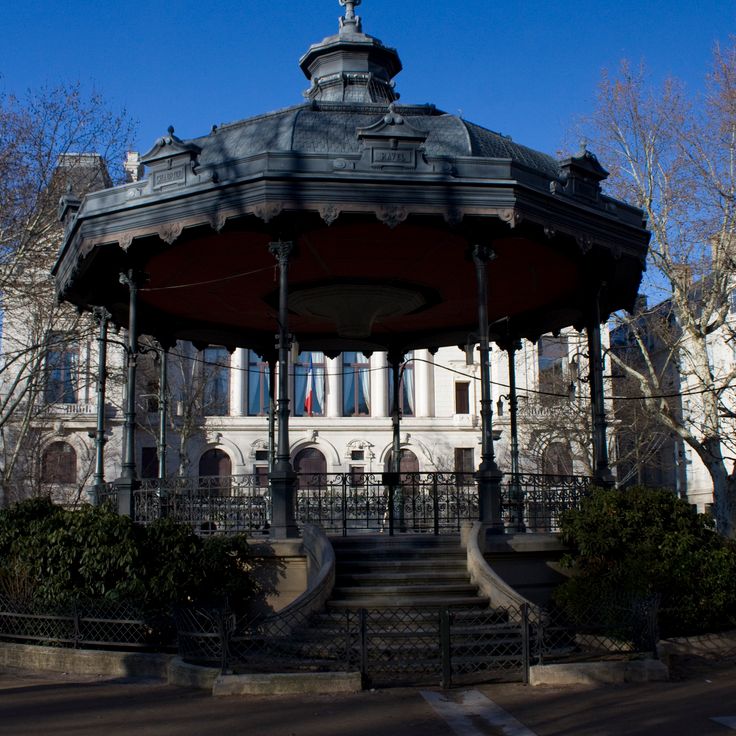
The Kiosque à musique de Marengo is a photography subject that captures Saint-Etienne's character. This metal bandstand from the 19th century stands in a public garden and continues to host musical performances and local gatherings. Its ornamental metalwork and historical presence offer photographers opportunities to document the city's industrial heritage and cultural life.
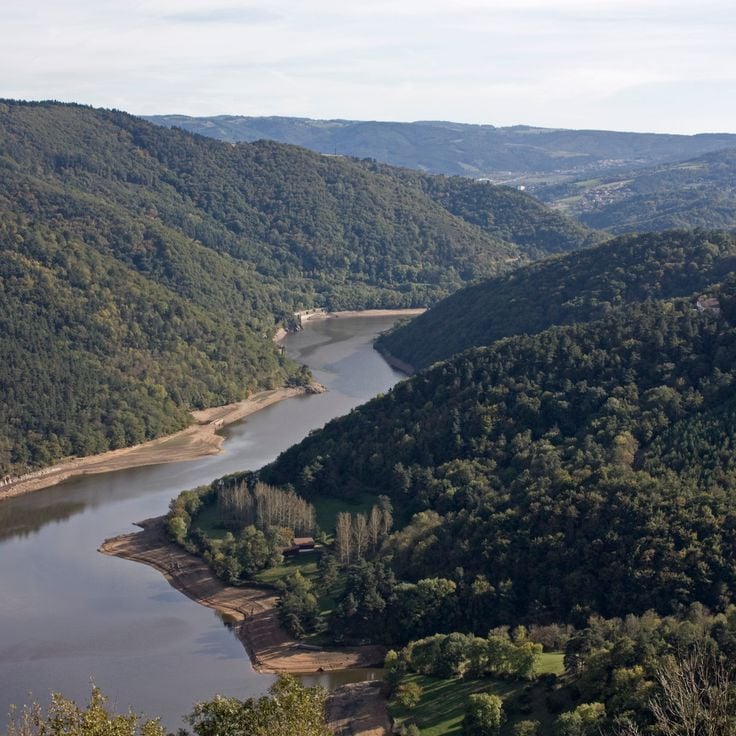
The Gorges de la Loire is a natural canyon carved by the Loire River, located east of Saint-Etienne. Steep rock walls frame the valley, and hiking trails wind through the landscape. Several observation points let you see the plants and animals of the region. For photographers, this gorge offers many subjects, from rock formations to river views, adding a wild natural backdrop to Saint-Etienne's photography locations.
The Administrative Center Grüner is a 2010 administrative complex with green glass facades and geometric shapes. It serves as a photography location for this collection, showcasing the contemporary architecture of Saint-Etienne and contrasting with the city's industrial heritage and design-focused spaces like the Cite du Design.
The Saint Charles Borromeo Cathedral is a 19th-century religious building and a key photography location in Saint-Etienne. The structure displays neo-gothic design with a stone facade, two towers, and colored glass windows. Its architectural details offer compelling subjects for diverse photographic perspectives and lighting conditions throughout the day.
Jean Jaures Square is a central plaza in Saint-Etienne with stone paving and multiple water fountains. It works well for photographing urban scenes, with restaurants surrounding the area and access to shopping streets. This location fits naturally into the photography collection of Saint-Etienne, where public squares, buildings, and spaces offer varied subjects for the camera.
The Châteaucreux District provides photography opportunities in Saint-Etienne with its office buildings, shops, and active railway station surroundings. This neighborhood captures the everyday rhythm of the city as a transportation hub where buses, trams, and numerous restaurants shape the public spaces.
La Grand'Eglise is a 15th century church that serves as a photography location in Saint-Etienne. The building features Gothic architecture with stained glass windows, stone vaults, and a bell tower rising 45 meters high. It stands alongside other photography subjects in the city, including the Cite du Design and Cathedral Saint-Charles-Borromee.
The Château de La Roche is a medieval fortress rising from a granite outcrop above the Loire River. For photographers exploring Saint-Étienne's landscapes, this castle offers compelling subjects with its four towers and period-furnished rooms from the 13th century. The structure showcases early medieval architecture and sits near the Loire Gorges, providing additional opportunities to capture the region's natural features.
The Museum of Modern and Contemporary Art displays artworks spanning from the 19th century to today, offering photographic subjects for those exploring Saint-Etienne. Its collection includes paintings, sculptures, photographs, and design objects that create interesting compositions within the museum's interiors.
Pilat Regional Natural Park is a protected area south of Saint-Etienne with forests, meadows, and mountain ridges that offer photography subjects across different elevations and seasons. The park provides landscape photography opportunities with changing vegetation and natural formations. It complements the urban photography settings found in Saint-Etienne, contrasting with the city's design centers, industrial buildings, and public squares.
Rue des Martyrs de Vingre is a 19th century street in Saint-Etienne that features traditional stone buildings, local shops, and architectural elements from the industrial revolution period. This street offers genuine photography subjects for documenting the city's heritage and industrial history, set within Saint-Etienne where the Cite du Design and Cathedral Saint-Charles-Borromee also stand.
This site in Firminy showcases work by the renowned architect Le Corbusier and offers photography opportunities for those interested in architecture. Five buildings were constructed here between 1955 and 1969: a church, cultural center, stadium, swimming pool, and residential building. The structures reflect the modern building style of the period. Located outside Saint-Etienne's center, much like the Loire Gorges and Pilat Regional Park, this site provides a different perspective on the region.
The Cité du Design is a former arms factory converted into a design center in 2009. It features exhibition spaces, research facilities, and a design school. For photographers exploring Saint-Etienne, this site captures the transformation of industrial buildings into modern cultural spaces. The architecture reveals the contrast between the city's industrial past and its current focus on design and creativity.
This bronze replica of the Statue of Liberty stands in Saint-Etienne and gives photographers an unexpected view of how France interpreted the famous American monument. Installed in 1915 near Place Jules Ferry, this sculpture offers an interesting subject for those photographing the city's industrial past and artistic works. It fits well with other photography locations in Saint-Etienne like the Cite du Design and the art museums.
The Botanical Garden of Saint-Etienne is a public space displaying collections of native and exotic plants. Here you will find seasonal flower beds and greenhouses filled with Mediterranean species. For photographers, this garden offers many subjects to capture: the colorful blooms that change with the seasons, the green pathways winding between the beds, and the glass structures of the greenhouses. This garden fits well within Saint-Etienne's photography landscape, which ranges from design museums to natural spaces like the Loire Gorges and Pilat Regional Park.
The Labor Exchange Building is an Art Deco structure from 1930 that provides photography opportunities in Saint-Etienne. It features marble columns, large glass windows, and a main hall for events. The building records the city's industrial past and complements other photography locations such as the Design Museum and the Cathedral.
The Opera Theatre in Saint-Etienne is a photography location that captures the city's cultural and architectural character. Built in 1968, this theater seats 1200 people and hosts opera performances and symphony concerts. As a setting for photographs, the Opera Theatre shows how Saint-Etienne blends art and design with its built environment, complementing other photo locations like the Cite du Design and Cathedral Saint-Charles-Borromee, as well as the natural subjects found in the Loire Gorges and Pilat Regional Park beyond the city.
The Crêt de Roc District is a photography location in Saint-Etienne where you can capture a hilltop neighborhood with stone buildings from the 19th century. The narrow streets and small gardens provide interesting subjects for your camera. This district shows the historical character of the city and works well with other photo sites like the Cite du Design and the industrial buildings found throughout the region.
The Maison François I is a residential building from the 16th century in Saint-Étienne with stone walls, period windows and decorative elements of French Renaissance architecture. This building offers photographers interesting details of historical construction and serves as a subject for documenting the city's architectural heritage alongside modern locations like the Cité du Design.
The Mine Museum in Saint-Etienne is an important location for photographers exploring the city's industrial heritage. This former coal mining site displays authentic mining equipment, historical tools, and documents that chronicle coal extraction from 1810 to 1973. The location combines the raw character of abandoned mining structures with Saint-Etienne's rich industrial past, offering numerous opportunities for powerful photography.
The Tombeau Smith is a monument from the 19th century with carved stone details and sculptures commemorating the Smith family, local industrialists of Saint-Etienne. It offers photographers a subject to document the industrial history of the city, alongside other notable locations such as the Cité du Design and the Cathedral Saint-Charles-Borromée.
The Montée du Crêt de Roc is a 19th-century stone stairway that connects Saint-Etienne with the hill above. With 280 steps arranged in multiple sections, this historic stairway offers photographers views of the city and its industrial past. The stairway serves as an interesting location for photographers documenting the history and landscape of Saint-Etienne.
The National Arms Factory Gate is the stone entrance to this former weapons manufacturing complex in Saint-Etienne. Built in 1864, this gate marks the beginning of the industrial site where weapons were produced until 1990. The structure displays carefully crafted architectural details that reflect the building methods of its era. It offers photographers a direct window into the city's industrial past and works well as a subject when documenting Saint-Etienne's manufacturing heritage alongside other photography locations like the Cite du Design and regional parks.
The City Hall of Saint-Etienne is a stone building constructed in 1822 and serves as an important photography location in the city. The structure displays classical and Renaissance elements in its architecture. With its central clock tower and decorated facade, it offers compelling subjects for photographers documenting the industrial past and cultural history of Saint-Etienne.
The People's Square Fountain is a stone fountain from the 19th century and provides a photographic subject in the heart of Saint-Etienne. Water flows from multiple decorated spouts into a circular basin. This fountain fits well with other photography settings in the city, such as the Cite du Design and Cathedral Saint-Charles-Borromee, and can be photographed alongside industrial buildings, art museums, gardens, and public squares.
The Saint-Étienne Arms Factory is an industrial complex built in 1864 with red brick buildings and metal framework originally constructed for arms production. The site now houses university facilities and offers photographers a window into the industrial history of the city, which alongside the Cite du Design and other industrial buildings forms part of Saint-Étienne's photographic heritage.
The Maisons sans escalier is a residential complex in Saint-Etienne that appeals to photographers exploring the city's industrial and architectural heritage. Built in 1933, this building features external ramps instead of internal staircases and holds 26 apartments across six floors. The distinctive design reflects mid-century innovation and offers compelling visual opportunities for documenting urban housing and functional architecture within Saint-Etienne's broader collection of design-forward structures.
The Église Sainte-Marie is a religious building in Saint-Etienne that offers interesting photographic potential alongside the city's other notable structures. Built in 1923, it features a stone facade with a bell tower and impressive stained glass windows. Inside, wooden details and craftsmanship add character to the space. This church complements photography locations throughout Saint-Etienne, from the Cité du Design to the Cathedral of Saint-Charles-Borromée.
The Kiosque à musique de Marengo is a photography subject that captures Saint-Etienne's character. This metal bandstand from the 19th century stands in a public garden and continues to host musical performances and local gatherings. Its ornamental metalwork and historical presence offer photographers opportunities to document the city's industrial heritage and cultural life.
The Gorges de la Loire is a natural canyon carved by the Loire River, located east of Saint-Etienne. Steep rock walls frame the valley, and hiking trails wind through the landscape. Several observation points let you see the plants and animals of the region. For photographers, this gorge offers many subjects, from rock formations to river views, adding a wild natural backdrop to Saint-Etienne's photography locations.
The Administrative Center Grüner is a 2010 administrative complex with green glass facades and geometric shapes. It serves as a photography location for this collection, showcasing the contemporary architecture of Saint-Etienne and contrasting with the city's industrial heritage and design-focused spaces like the Cite du Design.
The Saint Charles Borromeo Cathedral is a 19th-century religious building and a key photography location in Saint-Etienne. The structure displays neo-gothic design with a stone facade, two towers, and colored glass windows. Its architectural details offer compelling subjects for diverse photographic perspectives and lighting conditions throughout the day.
Jean Jaures Square is a central plaza in Saint-Etienne with stone paving and multiple water fountains. It works well for photographing urban scenes, with restaurants surrounding the area and access to shopping streets. This location fits naturally into the photography collection of Saint-Etienne, where public squares, buildings, and spaces offer varied subjects for the camera.
The Châteaucreux District provides photography opportunities in Saint-Etienne with its office buildings, shops, and active railway station surroundings. This neighborhood captures the everyday rhythm of the city as a transportation hub where buses, trams, and numerous restaurants shape the public spaces.
La Grand'Eglise is a 15th century church that serves as a photography location in Saint-Etienne. The building features Gothic architecture with stained glass windows, stone vaults, and a bell tower rising 45 meters high. It stands alongside other photography subjects in the city, including the Cite du Design and Cathedral Saint-Charles-Borromee.
The Château de La Roche is a medieval fortress rising from a granite outcrop above the Loire River. For photographers exploring Saint-Étienne's landscapes, this castle offers compelling subjects with its four towers and period-furnished rooms from the 13th century. The structure showcases early medieval architecture and sits near the Loire Gorges, providing additional opportunities to capture the region's natural features.
The Museum of Modern and Contemporary Art displays artworks spanning from the 19th century to today, offering photographic subjects for those exploring Saint-Etienne. Its collection includes paintings, sculptures, photographs, and design objects that create interesting compositions within the museum's interiors.
Pilat Regional Natural Park is a protected area south of Saint-Etienne with forests, meadows, and mountain ridges that offer photography subjects across different elevations and seasons. The park provides landscape photography opportunities with changing vegetation and natural formations. It complements the urban photography settings found in Saint-Etienne, contrasting with the city's design centers, industrial buildings, and public squares.
Rue des Martyrs de Vingre is a 19th century street in Saint-Etienne that features traditional stone buildings, local shops, and architectural elements from the industrial revolution period. This street offers genuine photography subjects for documenting the city's heritage and industrial history, set within Saint-Etienne where the Cite du Design and Cathedral Saint-Charles-Borromee also stand.
This site in Firminy showcases work by the renowned architect Le Corbusier and offers photography opportunities for those interested in architecture. Five buildings were constructed here between 1955 and 1969: a church, cultural center, stadium, swimming pool, and residential building. The structures reflect the modern building style of the period. Located outside Saint-Etienne's center, much like the Loire Gorges and Pilat Regional Park, this site provides a different perspective on the region.
The Cité du Design is a former arms factory converted into a design center in 2009. It features exhibition spaces, research facilities, and a design school. For photographers exploring Saint-Etienne, this site captures the transformation of industrial buildings into modern cultural spaces. The architecture reveals the contrast between the city's industrial past and its current focus on design and creativity.
This bronze replica of the Statue of Liberty stands in Saint-Etienne and gives photographers an unexpected view of how France interpreted the famous American monument. Installed in 1915 near Place Jules Ferry, this sculpture offers an interesting subject for those photographing the city's industrial past and artistic works. It fits well with other photography locations in Saint-Etienne like the Cite du Design and the art museums.
The Botanical Garden of Saint-Etienne is a public space displaying collections of native and exotic plants. Here you will find seasonal flower beds and greenhouses filled with Mediterranean species. For photographers, this garden offers many subjects to capture: the colorful blooms that change with the seasons, the green pathways winding between the beds, and the glass structures of the greenhouses. This garden fits well within Saint-Etienne's photography landscape, which ranges from design museums to natural spaces like the Loire Gorges and Pilat Regional Park.
The Labor Exchange Building is an Art Deco structure from 1930 that provides photography opportunities in Saint-Etienne. It features marble columns, large glass windows, and a main hall for events. The building records the city's industrial past and complements other photography locations such as the Design Museum and the Cathedral.
The Opera Theatre in Saint-Etienne is a photography location that captures the city's cultural and architectural character. Built in 1968, this theater seats 1200 people and hosts opera performances and symphony concerts. As a setting for photographs, the Opera Theatre shows how Saint-Etienne blends art and design with its built environment, complementing other photo locations like the Cite du Design and Cathedral Saint-Charles-Borromee, as well as the natural subjects found in the Loire Gorges and Pilat Regional Park beyond the city.
The Crêt de Roc District is a photography location in Saint-Etienne where you can capture a hilltop neighborhood with stone buildings from the 19th century. The narrow streets and small gardens provide interesting subjects for your camera. This district shows the historical character of the city and works well with other photo sites like the Cite du Design and the industrial buildings found throughout the region.
The Maison François I is a residential building from the 16th century in Saint-Étienne with stone walls, period windows and decorative elements of French Renaissance architecture. This building offers photographers interesting details of historical construction and serves as a subject for documenting the city's architectural heritage alongside modern locations like the Cité du Design.
The Mine Museum in Saint-Etienne is an important location for photographers exploring the city's industrial heritage. This former coal mining site displays authentic mining equipment, historical tools, and documents that chronicle coal extraction from 1810 to 1973. The location combines the raw character of abandoned mining structures with Saint-Etienne's rich industrial past, offering numerous opportunities for powerful photography.
The Tombeau Smith is a monument from the 19th century with carved stone details and sculptures commemorating the Smith family, local industrialists of Saint-Etienne. It offers photographers a subject to document the industrial history of the city, alongside other notable locations such as the Cité du Design and the Cathedral Saint-Charles-Borromée.
The Montée du Crêt de Roc is a 19th-century stone stairway that connects Saint-Etienne with the hill above. With 280 steps arranged in multiple sections, this historic stairway offers photographers views of the city and its industrial past. The stairway serves as an interesting location for photographers documenting the history and landscape of Saint-Etienne.
The National Arms Factory Gate is the stone entrance to this former weapons manufacturing complex in Saint-Etienne. Built in 1864, this gate marks the beginning of the industrial site where weapons were produced until 1990. The structure displays carefully crafted architectural details that reflect the building methods of its era. It offers photographers a direct window into the city's industrial past and works well as a subject when documenting Saint-Etienne's manufacturing heritage alongside other photography locations like the Cite du Design and regional parks.
The City Hall of Saint-Etienne is a stone building constructed in 1822 and serves as an important photography location in the city. The structure displays classical and Renaissance elements in its architecture. With its central clock tower and decorated facade, it offers compelling subjects for photographers documenting the industrial past and cultural history of Saint-Etienne.
The People's Square Fountain is a stone fountain from the 19th century and provides a photographic subject in the heart of Saint-Etienne. Water flows from multiple decorated spouts into a circular basin. This fountain fits well with other photography settings in the city, such as the Cite du Design and Cathedral Saint-Charles-Borromee, and can be photographed alongside industrial buildings, art museums, gardens, and public squares.
The Saint-Étienne Arms Factory is an industrial complex built in 1864 with red brick buildings and metal framework originally constructed for arms production. The site now houses university facilities and offers photographers a window into the industrial history of the city, which alongside the Cite du Design and other industrial buildings forms part of Saint-Étienne's photographic heritage.
The Maisons sans escalier is a residential complex in Saint-Etienne that appeals to photographers exploring the city's industrial and architectural heritage. Built in 1933, this building features external ramps instead of internal staircases and holds 26 apartments across six floors. The distinctive design reflects mid-century innovation and offers compelling visual opportunities for documenting urban housing and functional architecture within Saint-Etienne's broader collection of design-forward structures.
The Église Sainte-Marie is a religious building in Saint-Etienne that offers interesting photographic potential alongside the city's other notable structures. Built in 1923, it features a stone facade with a bell tower and impressive stained glass windows. Inside, wooden details and craftsmanship add character to the space. This church complements photography locations throughout Saint-Etienne, from the Cité du Design to the Cathedral of Saint-Charles-Borromée.
The Kiosque à musique de Marengo is a photography subject that captures Saint-Etienne's character. This metal bandstand from the 19th century stands in a public garden and continues to host musical performances and local gatherings. Its ornamental metalwork and historical presence offer photographers opportunities to document the city's industrial heritage and cultural life.
The Gorges de la Loire is a natural canyon carved by the Loire River, located east of Saint-Etienne. Steep rock walls frame the valley, and hiking trails wind through the landscape. Several observation points let you see the plants and animals of the region. For photographers, this gorge offers many subjects, from rock formations to river views, adding a wild natural backdrop to Saint-Etienne's photography locations.