See the monuments around you in AROpen chests in the app
Around Us is built for your phone — point your camera at the streets and discover the monuments and places around you in augmented reality.Around Us is built for your phone — chests unlock when you walk, explore and capture nearby places.
Concrete churches from different countries show the architectural evolution of the 20th century. These buildings combine geometric forms with modernist designs and use light as a design element. The structures demonstrate the technical capabilities of concrete as a construction material for religious spaces.
From Brazil to Japan, from Scandinavia to Spain, churches emerged that broke from tradition. Architects like Le Corbusier and Oscar Niemeyer created spaces where clean lines and concrete masses guide the eye. Some churches feel almost monumental with their daring shapes, while others surprise through their simplicity. The buildings vary greatly from one another, reflecting different cultures and design philosophies.
Visitors to these places experience how modern building and spiritual space come together. The churches in Reykjavik and Berlin, in Rome and Mechernich offer different answers to how faith takes form in concrete. Light falls through windows and openings onto rough or smooth surfaces, creating new impressions as the day changes.
Concrete churches from different countries show the architectural evolution of the 20th century. These buildings combine geometric forms with modernist designs and use light as a design element. The structures demonstrate the technical capabilities of concrete as a construction material for religious spaces.
From Brazil to Japan, from Scandinavia to Spain, churches emerged that broke from tradition. Architects like Le Corbusier and Oscar Niemeyer created spaces where clean lines and concrete masses guide the eye. Some churches feel almost monumental with their daring shapes, while others surprise through their simplicity. The buildings vary greatly from one another, reflecting different cultures and design philosophies.
Visitors to these places experience how modern building and spiritual space come together. The churches in Reykjavik and Berlin, in Rome and Mechernich offer different answers to how faith takes form in concrete. Light falls through windows and openings onto rough or smooth surfaces, creating new impressions as the day changes.
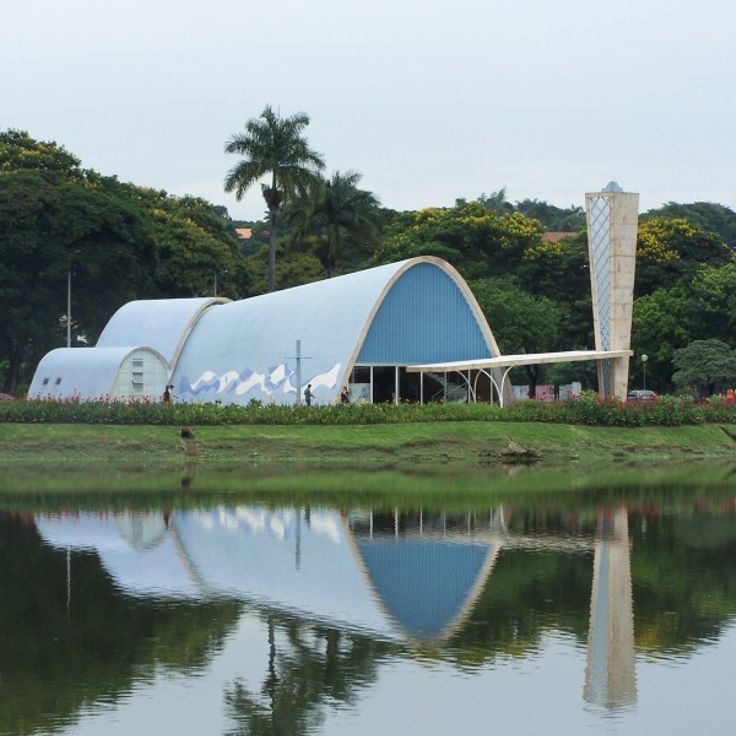
The Church of Saint Francis of Assisi is an example of 20th century architectural evolution. Oscar Niemeyer designed this concrete church in 1943 with curved walls and an asymmetrical roof structure. The building demonstrates how concrete works as a construction material for religious spaces. Geometric forms and modernist designs combine with light as a design element.
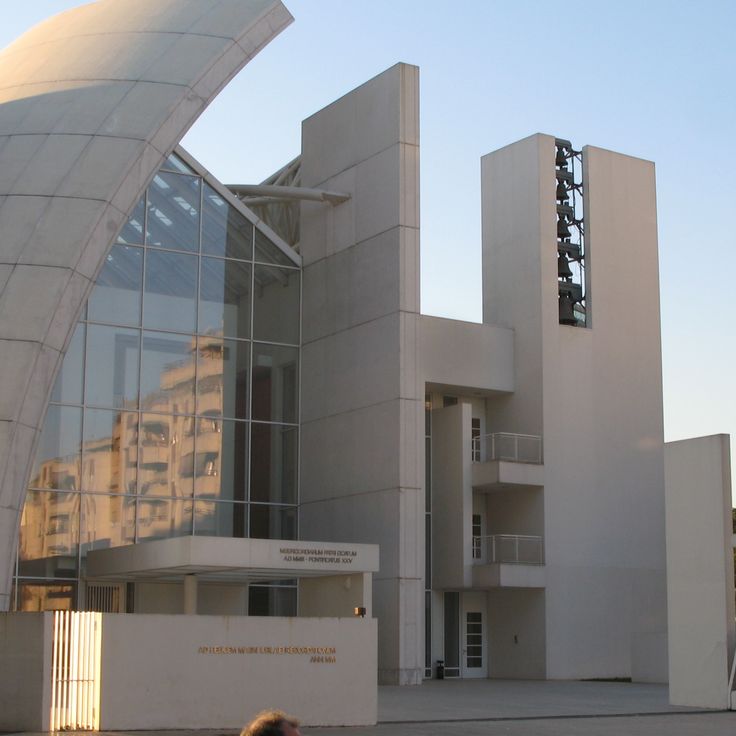
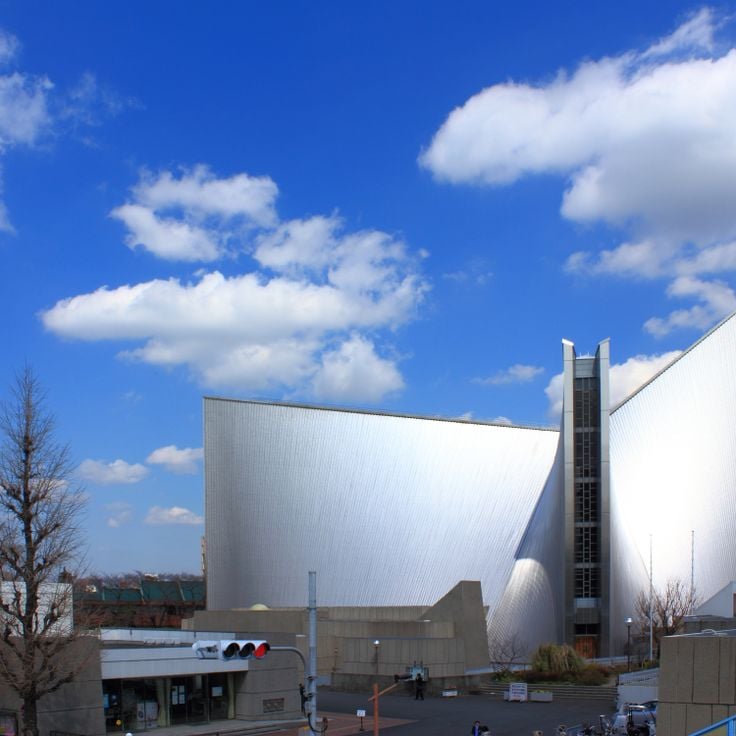
This concrete church by Richard Meier in Rome demonstrates the modern possibilities of concrete in religious architecture. The building features three large concrete shells and a bell tower with photocatalytic material designed to counter air pollution. Its design exemplifies how 20th-century architects used geometric forms and concrete construction to create spaces for worship.
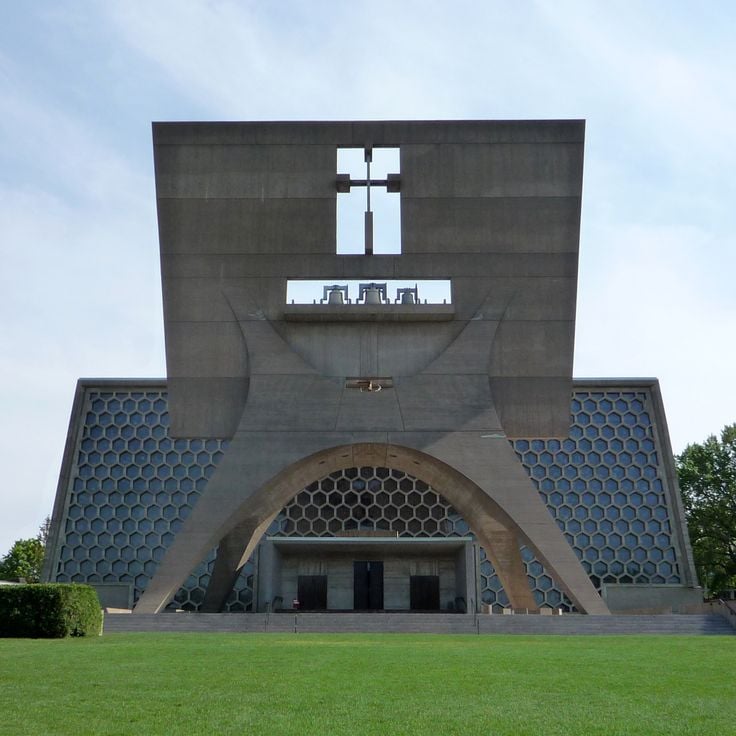
Saint John's Abbey in Collegeville demonstrates the capabilities of concrete as a building material for religious spaces. Built in 1961, this structure combines geometric forms with modernist design. Large windows with geometric patterns fill the interior with light. A freestanding bell tower complements the building and reflects the evolution of church architecture in the 20th century.
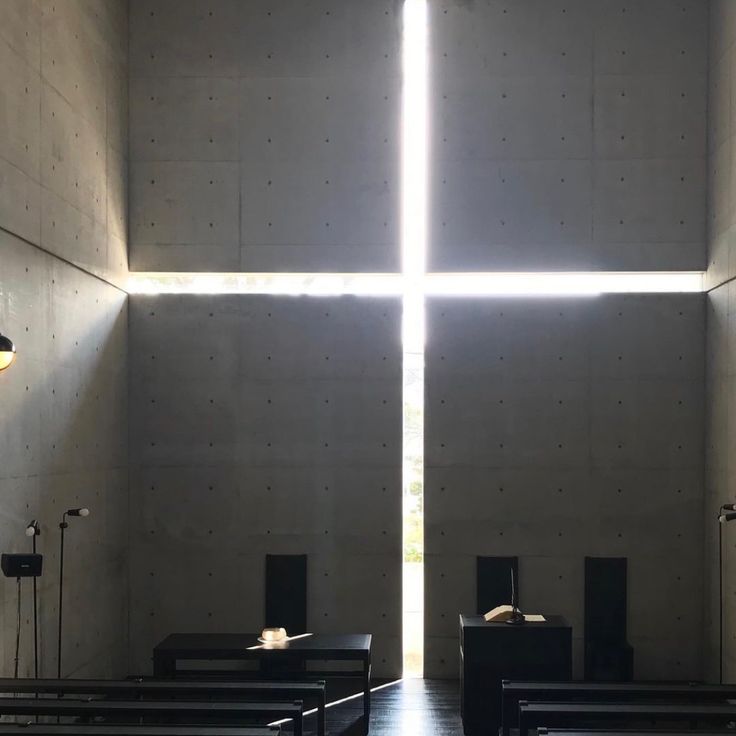
The Church of the Light is part of this collection of modern concrete churches and demonstrates how light can function as a design element in religious spaces. This concrete building features two intersecting slits in its east wall, allowing morning light to enter the interior. The church shows how concrete's technical capabilities enable innovative approaches to contemporary sacred architecture.
The Church of the Sacred Light in Ibaraki represents how concrete shaped modern religious architecture in the 20th century. Tadao Ando designed this structure using geometric forms as a core element of the design. A cross-shaped opening in the eastern wall allows light to pour into the interior, creating a dynamic relationship between the building's solid concrete form and the changing daylight.
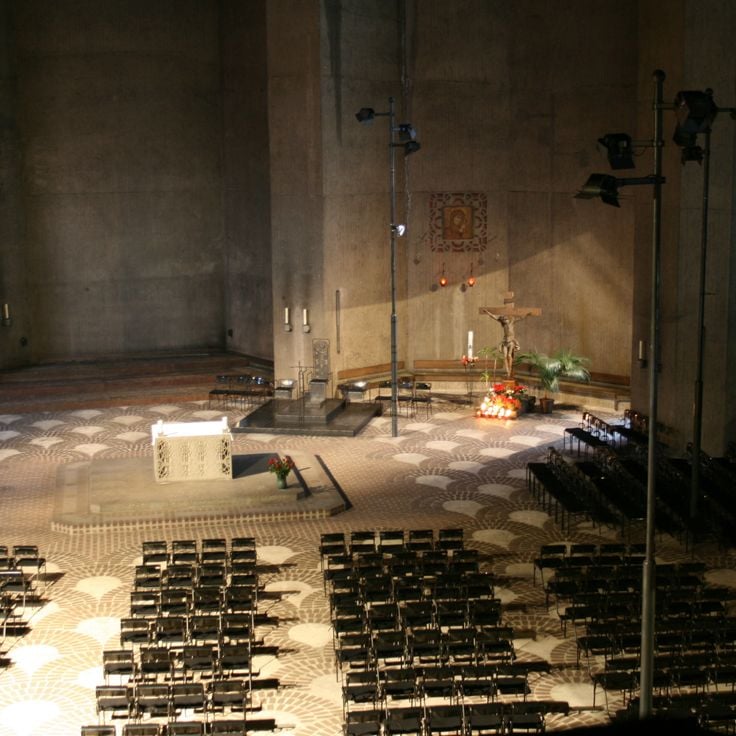
This church by Gottfried Böhm sits on a hillside, with light and shadow playing across its textured concrete surfaces. The Nevigeser Wallfahrtsdom shows how geometric forms and modernist design can work together in a religious space. The building demonstrates what concrete can achieve when used for a place of worship.
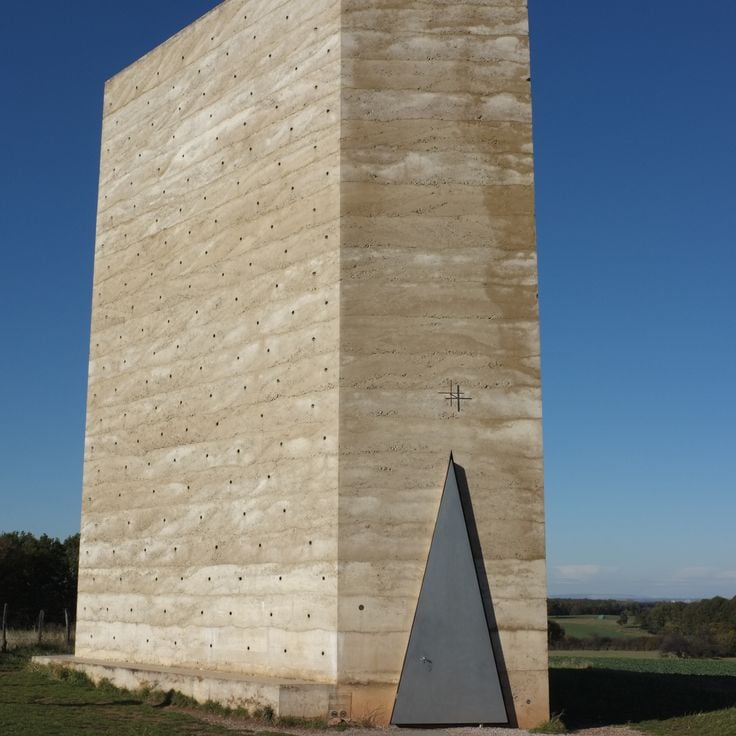
The Bruder Klaus Field Chapel exemplifies how concrete reshapes modern religious architecture. Peter Zumthor designed this space using controlled light and a charred interior to create a contemplative environment. The chapel shows how geometric forms and minimalist design define contemporary sacred spaces.
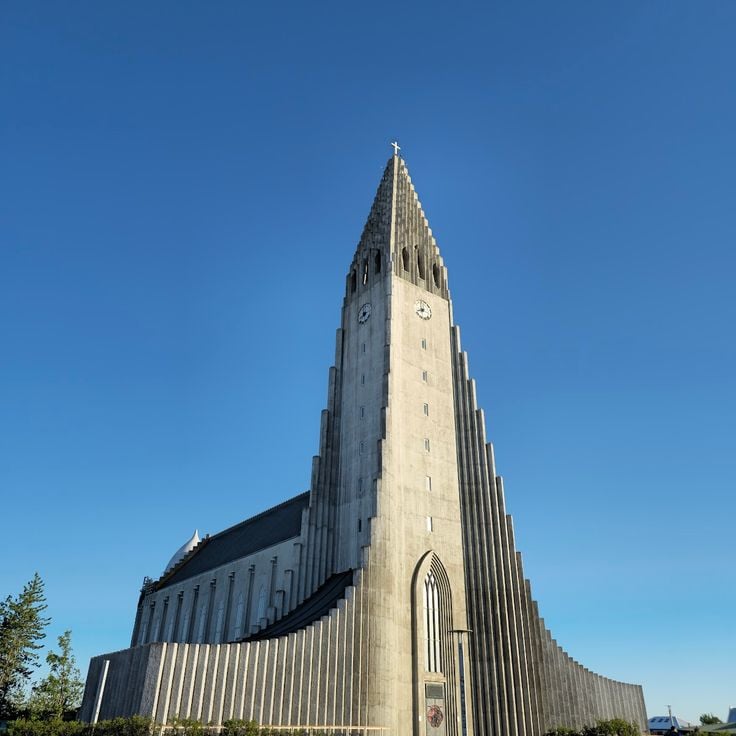
Hallgrímskirkja is a state church in Reykjavik, Iceland. Its distinctive facade draws inspiration from the basalt formations found throughout the Icelandic landscape. The church demonstrates how concrete was employed in the 20th century for religious spaces, combining geometric forms with modernist design.
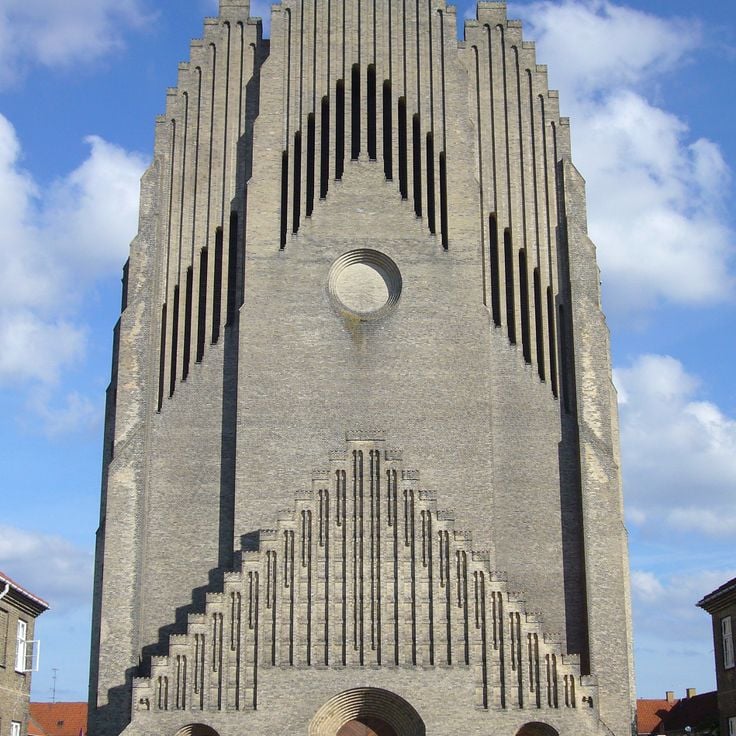
Grundtvig's Church in Copenhagen shows how 20th-century architects reinterpreted traditional forms through modernist design. The building combines expressionist principles with Gothic-inspired elements, using yellow brick to create its distinctive facade. This church demonstrates how modern materials and geometric forms can shape religious spaces while evoking historical architectural traditions.
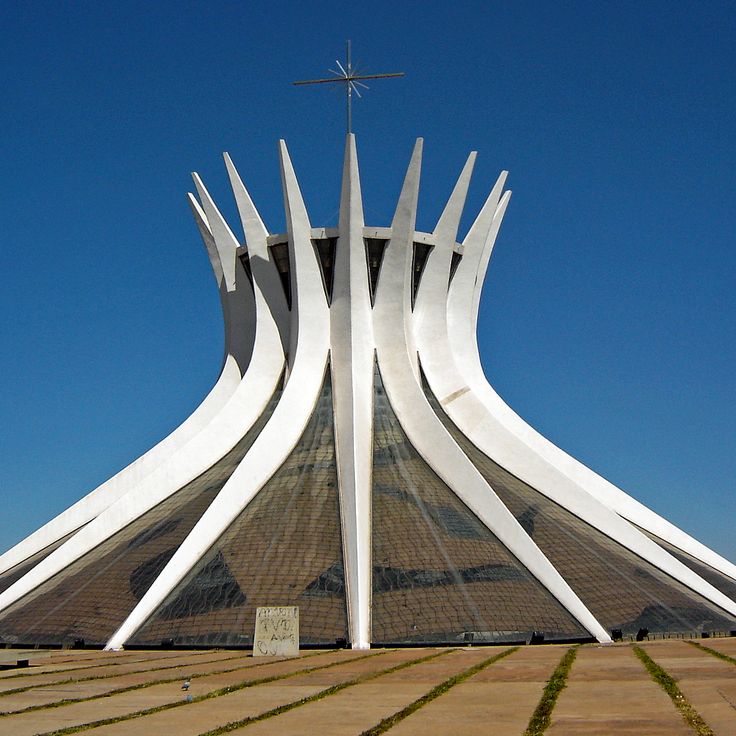
The Metropolitan Cathedral of Brasília is a defining structure of Brazil's capital and demonstrates the architectural evolution of the 20th century. With its hyperbolic columns and transparent ceiling, the cathedral showcases how concrete can function as a building material for religious spaces. The building combines geometric forms with modernist design and uses light as a design element.
The Church of Santa Monica demonstrates the evolution of religious architecture in the 20th century through its undulating walls and use of poured concrete. The building shows how geometric forms and modernist design are expressed in this material. The sparse furnishings direct attention to the technical capabilities of concrete as a construction material for sacred spaces.
Sainte Bernadette du Banlay Church in Nevers exemplifies the architectural evolution of the 20th century through its unconventional design. The building features angular, tent-like concrete forms that demonstrate the technical capabilities of concrete as a construction material for religious spaces. The geometric forms and modernist approach make this church a significant example of ecclesiastical architecture from its era.
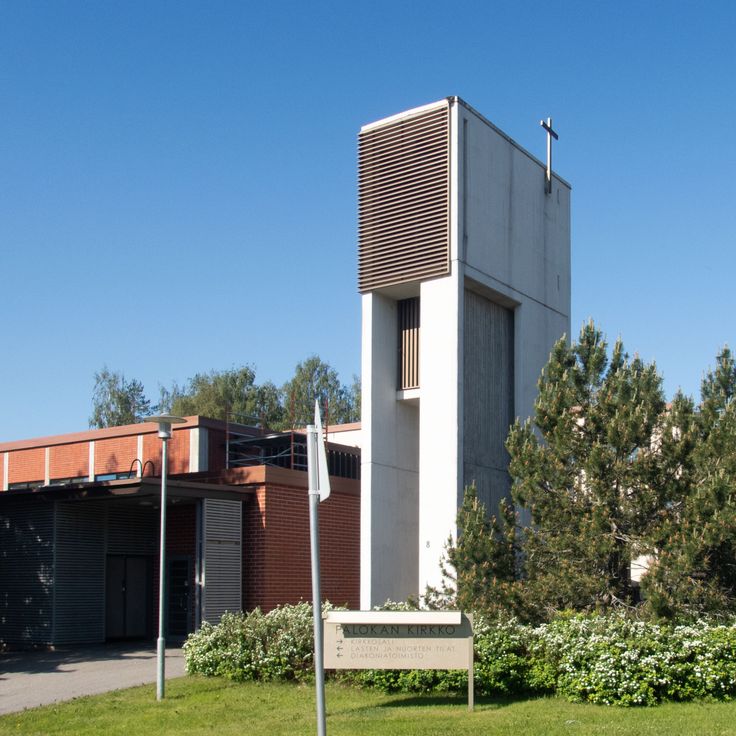
Kirkko Jyväskylässä is a modernist church designed by Alvar Aalto in Finland that demonstrates how concrete was used for religious buildings in the 20th century. It combines geometric forms with functional design and uses light as a design element. The building shows the technical capabilities of concrete as a construction material and embodies organic architectural principles.
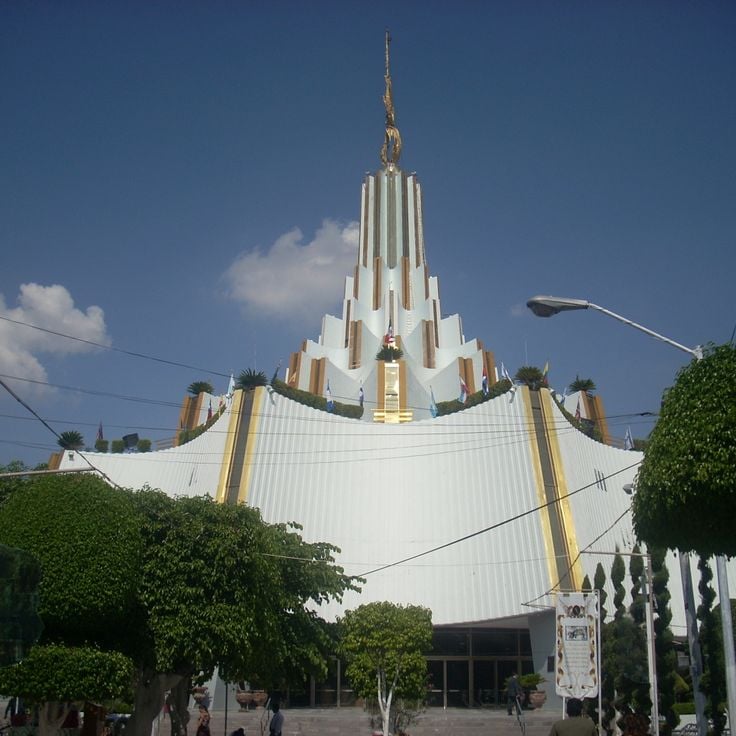
The Iglesia de la Luz del Mundo in Guadalajara demonstrates how concrete shaped religious architecture in the 20th century. The church stands out for its egg-shaped concrete dome and bold geometric design. Inside, vibrant paintings cover the walls, creating a warm and welcoming space filled with color. This building exemplifies how modernist architects used concrete and light to transform the experience of prayer and gathering.
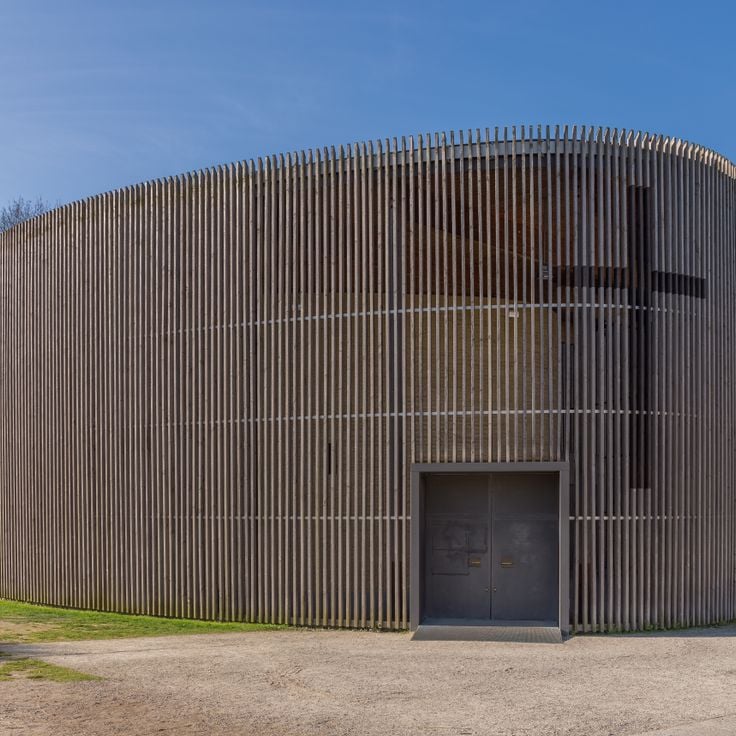
The Chapel of Reconciliation in Berlin demonstrates how 20th-century architects used concrete as a material for religious spaces. This round chapel, built from concrete and timber, stands on the site of a church that was divided by the Berlin Wall. Its design combines geometric forms with modernist thinking and uses light as a design element. The building represents unity and peace.
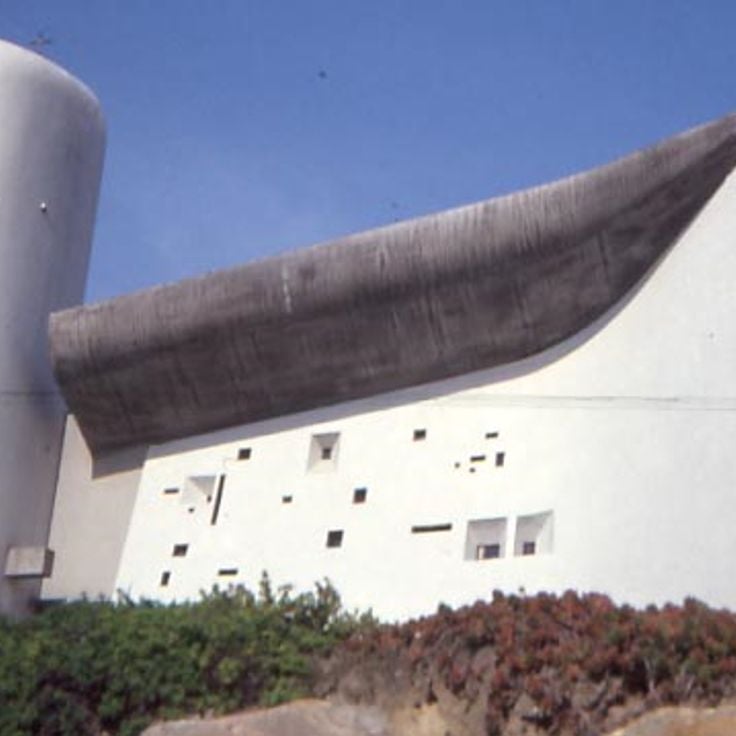
The Chapel of Notre Dame du Haut in Ronchamp represents how concrete transformed religious architecture in the 20th century. This structure combines geometric forms with modernist design, using light as a key element. The sloped concrete shape sits within the landscape and shows what concrete can achieve as a building material for sacred spaces.
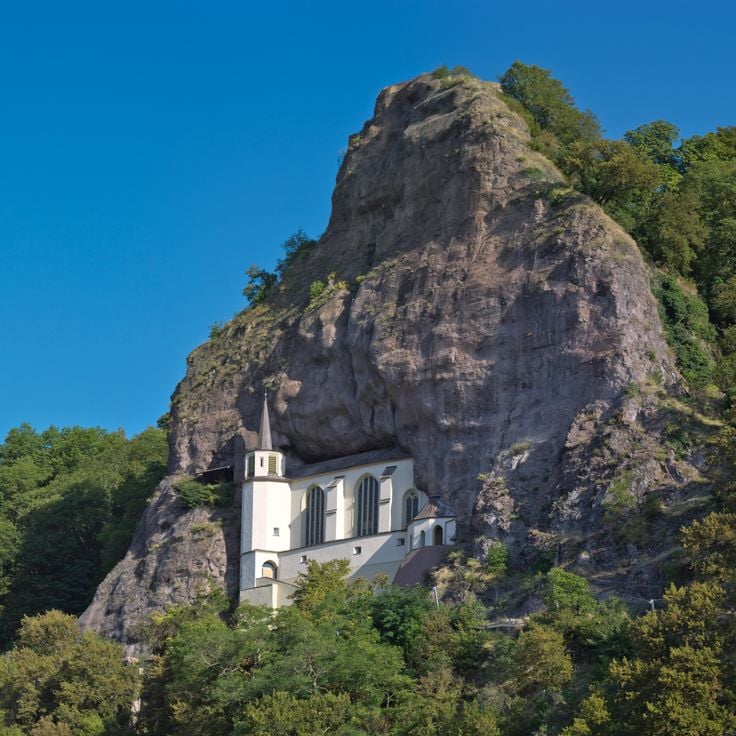
The Felsenkirche in Idar-Oberstein is a Protestant church carved directly into a sandstone cliff. This building brings together natural rock with modern concrete, showing how 20th-century architects combined construction materials with the landscape. The church demonstrates an alternative approach to using concrete for religious spaces.
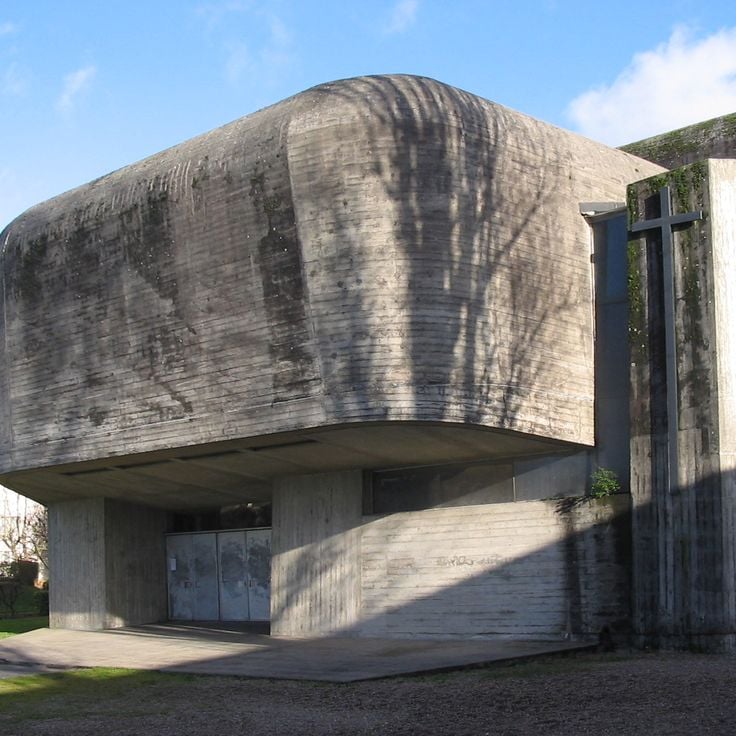
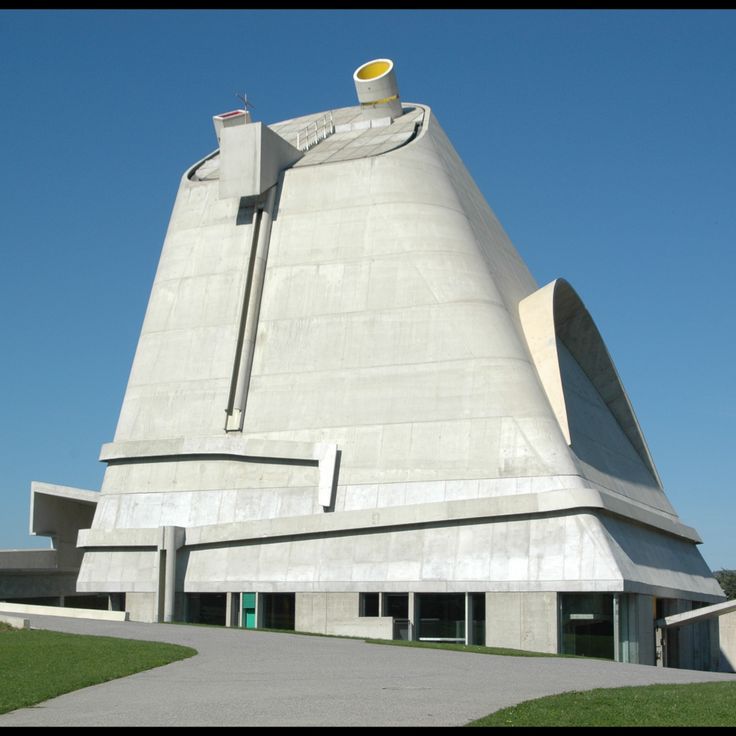
Completed after Le Corbusier's design, this concrete church demonstrates the modern possibilities of concrete for religious spaces. The robust structure with its thoughtful window arrangement allows light to enter in many ways, creating a constantly shifting play of brightness and shadow inside. The building shows the architectural evolution of the 20th century, where geometric forms and modernist design shaped religious buildings.
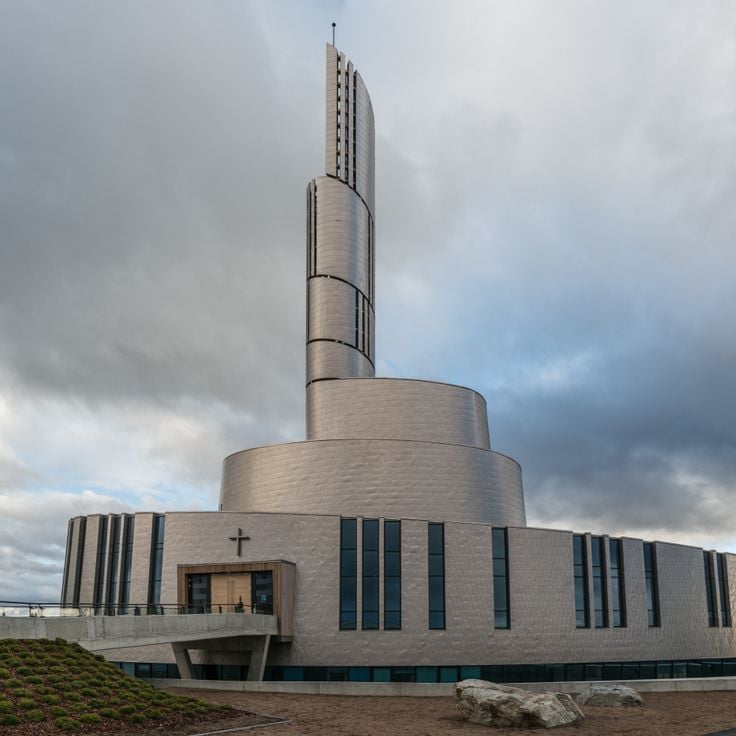
The Cathedral of the Northern Lights in Alta demonstrates how 20th-century architects used concrete to build religious spaces. Its spiraling helix shape combines geometric forms with modernist design principles. The titanium-clad facade and concrete structure work together to create a dynamic interaction between light and material.
The Church of Saint Francis of Assisi is an example of 20th century architectural evolution. Oscar Niemeyer designed this concrete church in 1943 with curved walls and an asymmetrical roof structure. The building demonstrates how concrete works as a construction material for religious spaces. Geometric forms and modernist designs combine with light as a design element.
This concrete church by Richard Meier in Rome demonstrates the modern possibilities of concrete in religious architecture. The building features three large concrete shells and a bell tower with photocatalytic material designed to counter air pollution. Its design exemplifies how 20th-century architects used geometric forms and concrete construction to create spaces for worship.
Saint John's Abbey in Collegeville demonstrates the capabilities of concrete as a building material for religious spaces. Built in 1961, this structure combines geometric forms with modernist design. Large windows with geometric patterns fill the interior with light. A freestanding bell tower complements the building and reflects the evolution of church architecture in the 20th century.
The Church of the Light is part of this collection of modern concrete churches and demonstrates how light can function as a design element in religious spaces. This concrete building features two intersecting slits in its east wall, allowing morning light to enter the interior. The church shows how concrete's technical capabilities enable innovative approaches to contemporary sacred architecture.
The Church of the Sacred Light in Ibaraki represents how concrete shaped modern religious architecture in the 20th century. Tadao Ando designed this structure using geometric forms as a core element of the design. A cross-shaped opening in the eastern wall allows light to pour into the interior, creating a dynamic relationship between the building's solid concrete form and the changing daylight.
This church by Gottfried Böhm sits on a hillside, with light and shadow playing across its textured concrete surfaces. The Nevigeser Wallfahrtsdom shows how geometric forms and modernist design can work together in a religious space. The building demonstrates what concrete can achieve when used for a place of worship.
The Bruder Klaus Field Chapel exemplifies how concrete reshapes modern religious architecture. Peter Zumthor designed this space using controlled light and a charred interior to create a contemplative environment. The chapel shows how geometric forms and minimalist design define contemporary sacred spaces.
Hallgrímskirkja is a state church in Reykjavik, Iceland. Its distinctive facade draws inspiration from the basalt formations found throughout the Icelandic landscape. The church demonstrates how concrete was employed in the 20th century for religious spaces, combining geometric forms with modernist design.
Grundtvig's Church in Copenhagen shows how 20th-century architects reinterpreted traditional forms through modernist design. The building combines expressionist principles with Gothic-inspired elements, using yellow brick to create its distinctive facade. This church demonstrates how modern materials and geometric forms can shape religious spaces while evoking historical architectural traditions.
The Metropolitan Cathedral of Brasília is a defining structure of Brazil's capital and demonstrates the architectural evolution of the 20th century. With its hyperbolic columns and transparent ceiling, the cathedral showcases how concrete can function as a building material for religious spaces. The building combines geometric forms with modernist design and uses light as a design element.
The Church of Santa Monica demonstrates the evolution of religious architecture in the 20th century through its undulating walls and use of poured concrete. The building shows how geometric forms and modernist design are expressed in this material. The sparse furnishings direct attention to the technical capabilities of concrete as a construction material for sacred spaces.
Sainte Bernadette du Banlay Church in Nevers exemplifies the architectural evolution of the 20th century through its unconventional design. The building features angular, tent-like concrete forms that demonstrate the technical capabilities of concrete as a construction material for religious spaces. The geometric forms and modernist approach make this church a significant example of ecclesiastical architecture from its era.
Kirkko Jyväskylässä is a modernist church designed by Alvar Aalto in Finland that demonstrates how concrete was used for religious buildings in the 20th century. It combines geometric forms with functional design and uses light as a design element. The building shows the technical capabilities of concrete as a construction material and embodies organic architectural principles.
The Iglesia de la Luz del Mundo in Guadalajara demonstrates how concrete shaped religious architecture in the 20th century. The church stands out for its egg-shaped concrete dome and bold geometric design. Inside, vibrant paintings cover the walls, creating a warm and welcoming space filled with color. This building exemplifies how modernist architects used concrete and light to transform the experience of prayer and gathering.
The Chapel of Reconciliation in Berlin demonstrates how 20th-century architects used concrete as a material for religious spaces. This round chapel, built from concrete and timber, stands on the site of a church that was divided by the Berlin Wall. Its design combines geometric forms with modernist thinking and uses light as a design element. The building represents unity and peace.
The Chapel of Notre Dame du Haut in Ronchamp represents how concrete transformed religious architecture in the 20th century. This structure combines geometric forms with modernist design, using light as a key element. The sloped concrete shape sits within the landscape and shows what concrete can achieve as a building material for sacred spaces.
The Felsenkirche in Idar-Oberstein is a Protestant church carved directly into a sandstone cliff. This building brings together natural rock with modern concrete, showing how 20th-century architects combined construction materials with the landscape. The church demonstrates an alternative approach to using concrete for religious spaces.
Completed after Le Corbusier's design, this concrete church demonstrates the modern possibilities of concrete for religious spaces. The robust structure with its thoughtful window arrangement allows light to enter in many ways, creating a constantly shifting play of brightness and shadow inside. The building shows the architectural evolution of the 20th century, where geometric forms and modernist design shaped religious buildings.
The Cathedral of the Northern Lights in Alta demonstrates how 20th-century architects used concrete to build religious spaces. Its spiraling helix shape combines geometric forms with modernist design principles. The titanium-clad facade and concrete structure work together to create a dynamic interaction between light and material.
The Church of Saint Francis of Assisi is an example of 20th century architectural evolution. Oscar Niemeyer designed this concrete church in 1943 with curved walls and an asymmetrical roof structure. The building demonstrates how concrete works as a construction material for religious spaces. Geometric forms and modernist designs combine with light as a design element.
This concrete church by Richard Meier in Rome demonstrates the modern possibilities of concrete in religious architecture. The building features three large concrete shells and a bell tower with photocatalytic material designed to counter air pollution. Its design exemplifies how 20th-century architects used geometric forms and concrete construction to create spaces for worship.
Saint John's Abbey in Collegeville demonstrates the capabilities of concrete as a building material for religious spaces. Built in 1961, this structure combines geometric forms with modernist design. Large windows with geometric patterns fill the interior with light. A freestanding bell tower complements the building and reflects the evolution of church architecture in the 20th century.
The Church of the Light is part of this collection of modern concrete churches and demonstrates how light can function as a design element in religious spaces. This concrete building features two intersecting slits in its east wall, allowing morning light to enter the interior. The church shows how concrete's technical capabilities enable innovative approaches to contemporary sacred architecture.
The Church of the Sacred Light in Ibaraki represents how concrete shaped modern religious architecture in the 20th century. Tadao Ando designed this structure using geometric forms as a core element of the design. A cross-shaped opening in the eastern wall allows light to pour into the interior, creating a dynamic relationship between the building's solid concrete form and the changing daylight.
This church by Gottfried Böhm sits on a hillside, with light and shadow playing across its textured concrete surfaces. The Nevigeser Wallfahrtsdom shows how geometric forms and modernist design can work together in a religious space. The building demonstrates what concrete can achieve when used for a place of worship.
The Bruder Klaus Field Chapel exemplifies how concrete reshapes modern religious architecture. Peter Zumthor designed this space using controlled light and a charred interior to create a contemplative environment. The chapel shows how geometric forms and minimalist design define contemporary sacred spaces.
Hallgrímskirkja is a state church in Reykjavik, Iceland. Its distinctive facade draws inspiration from the basalt formations found throughout the Icelandic landscape. The church demonstrates how concrete was employed in the 20th century for religious spaces, combining geometric forms with modernist design.
Grundtvig's Church in Copenhagen shows how 20th-century architects reinterpreted traditional forms through modernist design. The building combines expressionist principles with Gothic-inspired elements, using yellow brick to create its distinctive facade. This church demonstrates how modern materials and geometric forms can shape religious spaces while evoking historical architectural traditions.
The Metropolitan Cathedral of Brasília is a defining structure of Brazil's capital and demonstrates the architectural evolution of the 20th century. With its hyperbolic columns and transparent ceiling, the cathedral showcases how concrete can function as a building material for religious spaces. The building combines geometric forms with modernist design and uses light as a design element.
The Church of Santa Monica demonstrates the evolution of religious architecture in the 20th century through its undulating walls and use of poured concrete. The building shows how geometric forms and modernist design are expressed in this material. The sparse furnishings direct attention to the technical capabilities of concrete as a construction material for sacred spaces.
Sainte Bernadette du Banlay Church in Nevers exemplifies the architectural evolution of the 20th century through its unconventional design. The building features angular, tent-like concrete forms that demonstrate the technical capabilities of concrete as a construction material for religious spaces. The geometric forms and modernist approach make this church a significant example of ecclesiastical architecture from its era.
Kirkko Jyväskylässä is a modernist church designed by Alvar Aalto in Finland that demonstrates how concrete was used for religious buildings in the 20th century. It combines geometric forms with functional design and uses light as a design element. The building shows the technical capabilities of concrete as a construction material and embodies organic architectural principles.
The Iglesia de la Luz del Mundo in Guadalajara demonstrates how concrete shaped religious architecture in the 20th century. The church stands out for its egg-shaped concrete dome and bold geometric design. Inside, vibrant paintings cover the walls, creating a warm and welcoming space filled with color. This building exemplifies how modernist architects used concrete and light to transform the experience of prayer and gathering.
The Chapel of Reconciliation in Berlin demonstrates how 20th-century architects used concrete as a material for religious spaces. This round chapel, built from concrete and timber, stands on the site of a church that was divided by the Berlin Wall. Its design combines geometric forms with modernist thinking and uses light as a design element. The building represents unity and peace.
The Chapel of Notre Dame du Haut in Ronchamp represents how concrete transformed religious architecture in the 20th century. This structure combines geometric forms with modernist design, using light as a key element. The sloped concrete shape sits within the landscape and shows what concrete can achieve as a building material for sacred spaces.
The Felsenkirche in Idar-Oberstein is a Protestant church carved directly into a sandstone cliff. This building brings together natural rock with modern concrete, showing how 20th-century architects combined construction materials with the landscape. The church demonstrates an alternative approach to using concrete for religious spaces.
Completed after Le Corbusier's design, this concrete church demonstrates the modern possibilities of concrete for religious spaces. The robust structure with its thoughtful window arrangement allows light to enter in many ways, creating a constantly shifting play of brightness and shadow inside. The building shows the architectural evolution of the 20th century, where geometric forms and modernist design shaped religious buildings.
The Cathedral of the Northern Lights in Alta demonstrates how 20th-century architects used concrete to build religious spaces. Its spiraling helix shape combines geometric forms with modernist design principles. The titanium-clad facade and concrete structure work together to create a dynamic interaction between light and material.