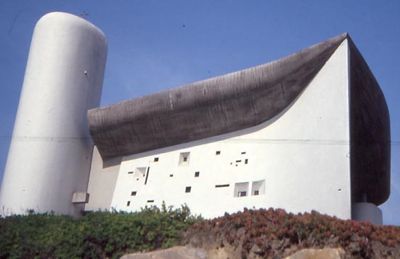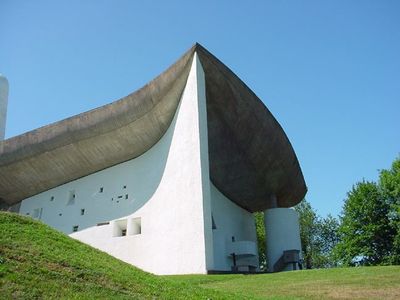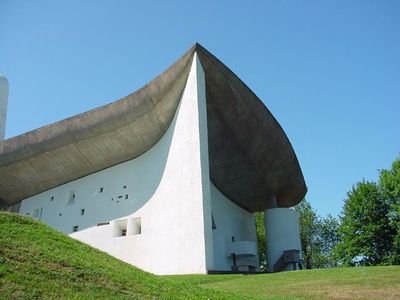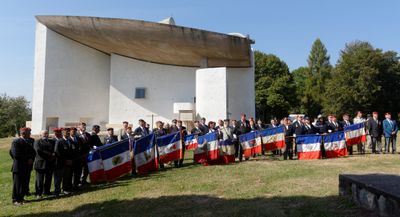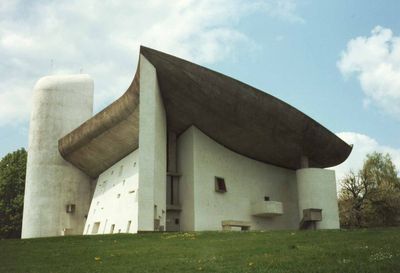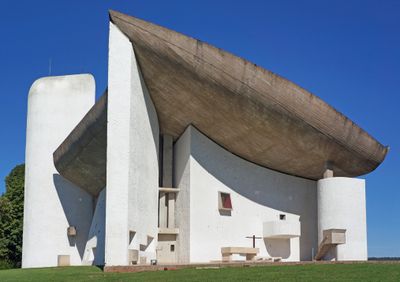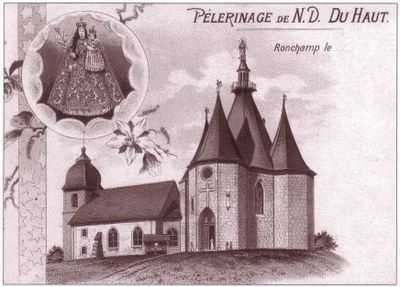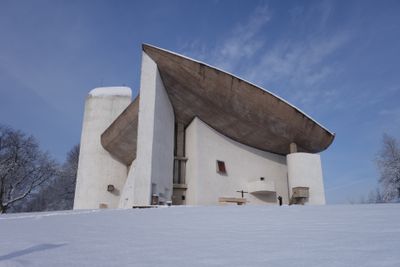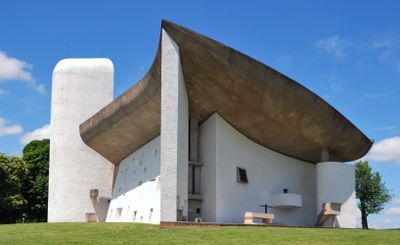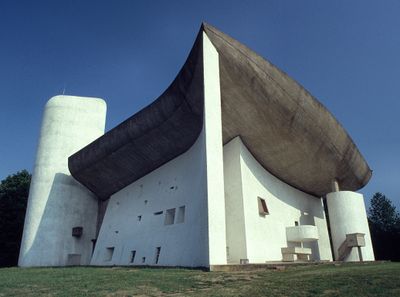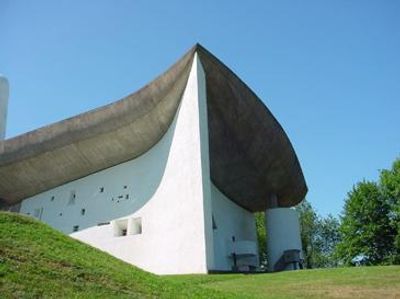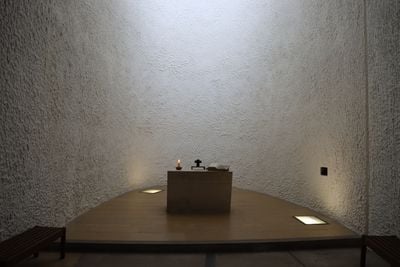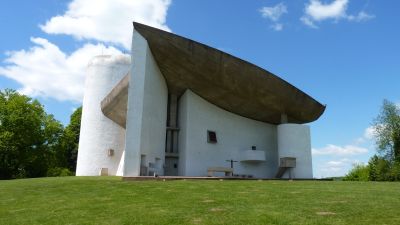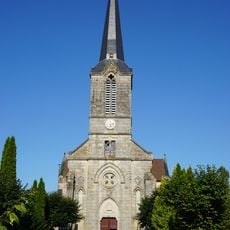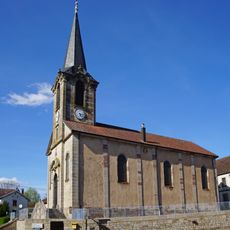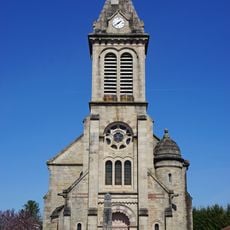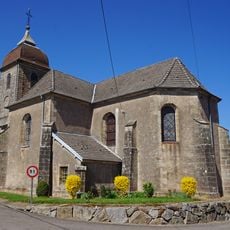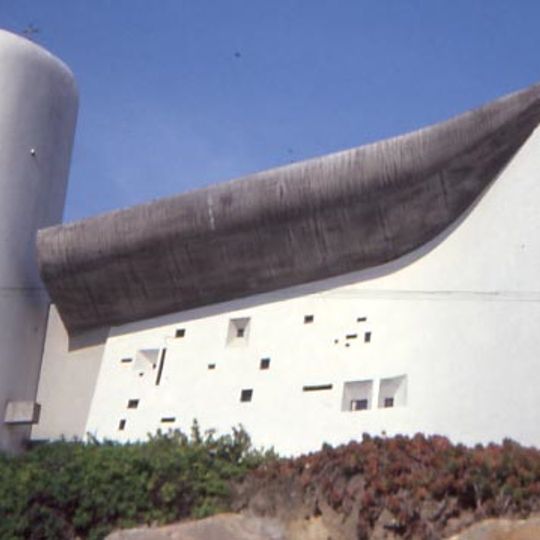
Notre Dame du Haut, Modern chapel in Ronchamp, France.
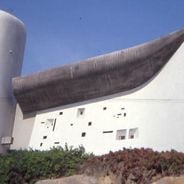
Notre Dame du Haut is a concrete chapel on Bourlémont hill with curved walls, irregular windows, and a distinctive sloping roof designed by Le Corbusier. The structure rests on massive concrete pillars and combines organic forms with geometric elements that flood the interior space with daylight in multiple ways.
An earlier chapel at this site was destroyed during World War II, leading to the construction of this new building. Le Corbusier built it between 1950 and 1955 using reinforced concrete, creating a work that redefined modern sacred architecture.
The building shows a new approach to sacred spaces through its unconventional shapes, where light from colored glass windows affects those who pray. The minimalist design draws attention inward and creates a different connection to faith compared to traditional churches.
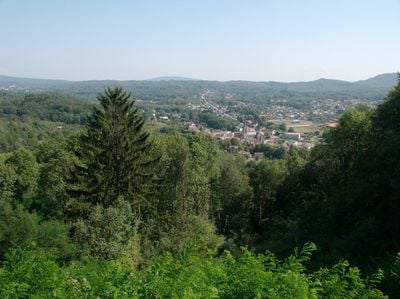
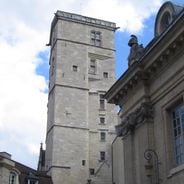
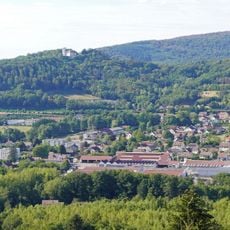
Visitors can reach the chapel at certain times through guided tours, with the south tower serving as an orientation point visible from distant locations. The approach up the hill is best done on foot, and the path allows viewing the building from various angles.
The window openings are deliberately varying in size and placement, causing light conditions to shift constantly throughout the day. This dynamic interplay of light and shadow makes each visit a different experience.
Location: Ronchamp
Inception: 1956
Architects: Le Corbusier
Architectural style: modern architecture, neo-expressionism
Made from material: concrete
Part of: The Architectural Work of Le Corbusier
Address: Rue de la Chapelle
Opening Hours: Monday-Sunday 10:00-16:30
Phone: +33384206513
Website: http://collinenotredameduhaut.com
GPS coordinates: 47.70379,6.62116
Latest update: December 6, 2025 16:00
This collection presents significant architectural works from different periods and continents. From medieval cathedrals to contemporary skyscrapers, the selection documents the technical and aesthetic development of building design. The listed buildings were created by influential architects and have shaped the evolution of modern architecture. The list includes religious structures such as Gothic churches and monasteries, public facilities like museums and concert halls, and residential buildings that established new construction standards. Each building demonstrates particular structural solutions or stylistic features that contribute to understanding architectural history. The selection offers insights into various building styles, materials and construction methods.
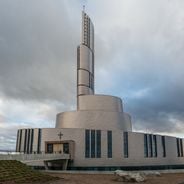
Concrete churches from different countries show the architectural evolution of the 20th century. These structures combine geometric forms with modernist designs and use light as a design element. The buildings demonstrate the technical capabilities of concrete as a construction material for religious spaces.
Burgundy-Franche-Comté encompasses a varied heritage that spans several millennia. The region houses prehistoric sites such as the Roche de Solutré, monasteries founded as early as the 6th century like Baume Abbey, as well as medieval fortresses and Renaissance homes. Natural formations include the Osselle Cave, open to the public since 1751, and the Hérisson Waterfall, which features seven cascades over nearly 2.5 miles in the Jura mountains. The area is characterized by diverse terrain, from vineyards and mountain foothills to valleys and limestone plateaus. Visitors can explore the Cormatin Castle with its formal gardens, observe the ongoing construction of Guédelon Castle using 13th-century techniques, or explore the underground galleries of the Osselle Cave. These sites attest to human habitation and geological changes over the centuries.
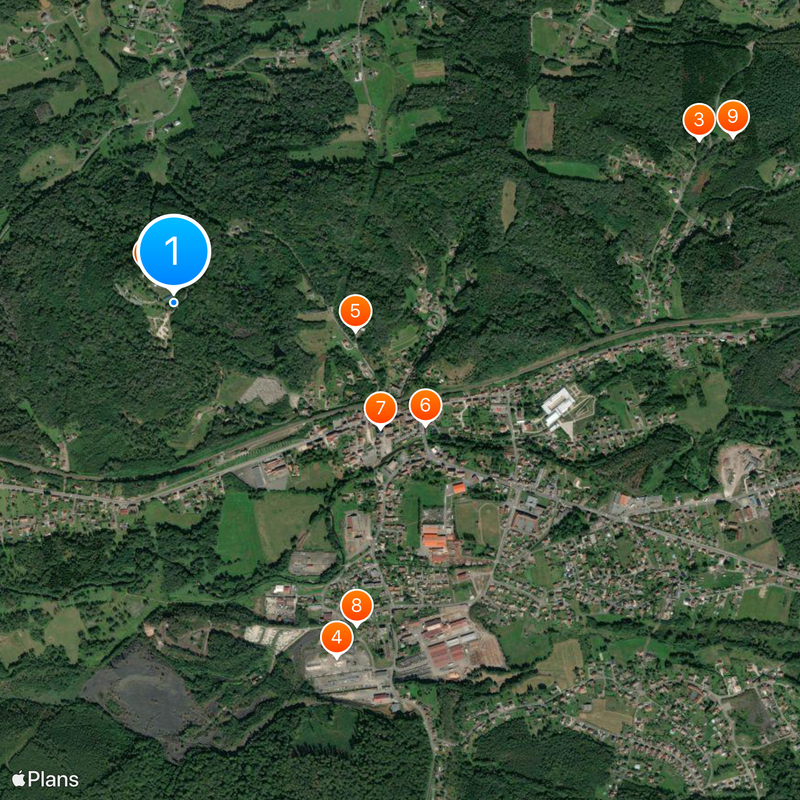
Maison de la Négritude
4.7 km
Bourlémont
138 m
Puits Saint-Charles
2.1 km
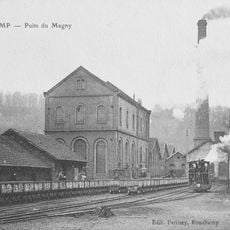
Puits du Magny
2 km
Puits de l'Étançon
2 km
Puits du Chanois
1.4 km
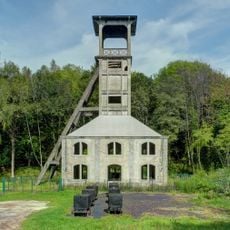
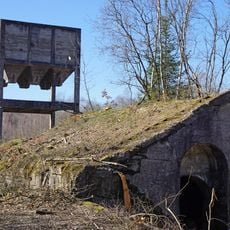
Chevalement du puits Sainte Marie
650 m
Puits Saint-Louis
2.5 km
Puits Sainte-Pauline
3.2 km
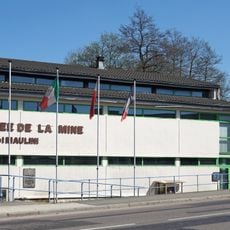
Musée de la mine Marcel Maulini
993 m
Puits Saint-Joseph
2 km
Puits Sainte-Barbe
2.9 km
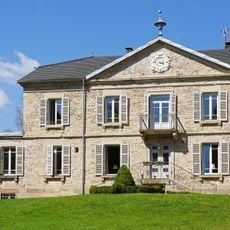
Château de La Houillère
2.5 km
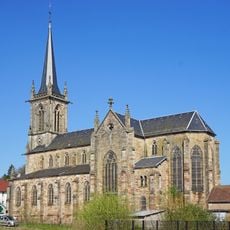
Église Notre-Dame-du Bas de Ronchamp
858 m
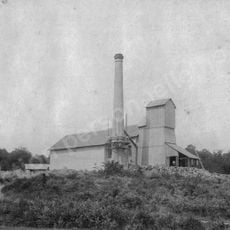
Atelier de triage-lavage-cokerie du Chanois
1.3 km
Ateliers centraux et bureaux des houillères de Ronchamp
2.4 km
Église Saint-Laurent de Champagney
4.6 km
Église Saint-Pierre-et-Saint-Paul de Mélisey
6.2 km
Temple luthérien de Clairegoutte
4.5 km
Ferme-clouterie
4.5 km
Église de Malbouhans
3.3 km
Église protestante de Magny-Danigon
3.6 km
Église Saint-Hippolyte de La Côte
4.1 km
Église Saint-Barthélemy de Saint-Barthélemy
5.7 km
Chapelle Saint-Bernard de Clairegoutte
4.3 km
Chapelle Sainte-Pauline
2.8 km
Écluse du Beuveroux
4.6 km
Puits du Tonnet
3.6 kmReviews
Visited this place? Tap the stars to rate it and share your experience / photos with the community! Try now! You can cancel it anytime.
Discover hidden gems everywhere you go!
From secret cafés to breathtaking viewpoints, skip the crowded tourist spots and find places that match your style. Our app makes it easy with voice search, smart filtering, route optimization, and insider tips from travelers worldwide. Download now for the complete mobile experience.
A unique approach to discovering new places❞
— Le Figaro
All the places worth exploring❞
— France Info
A tailor-made excursion in just a few clicks❞
— 20 Minutes