See the monuments around you in AROpen chests in the app
Around Us is built for your phone — point your camera at the streets and discover the monuments and places around you in augmented reality.Around Us is built for your phone — chests unlock when you walk, explore and capture nearby places.
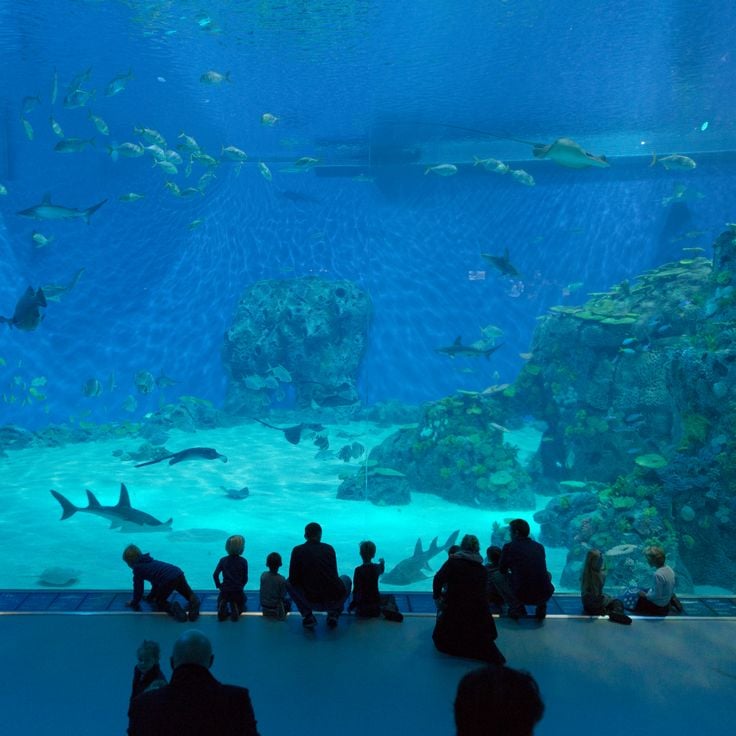
Copenhagen brings together centuries of history with recent construction in a walkable city by the water. Nyhavn lines the harbor with narrow houses painted in strong colors, where wooden ships dock beside outdoor cafes. The Little Mermaid sits on a rock at the edge of the sound, a bronze figure that has drawn visitors since the early 20th century. Christiansborg Palace rises near the old city center, while Amalienborg forms a royal residence around an octagonal plaza. The Opera House stands across the harbor with a flat, cantilevered roof, and The Black Diamond adds a modern glass facade to the Royal Library. Further out, The Blue Planet aquarium curves along the coast in Ørestad, and the VM Houses show angular residential design in the same district.
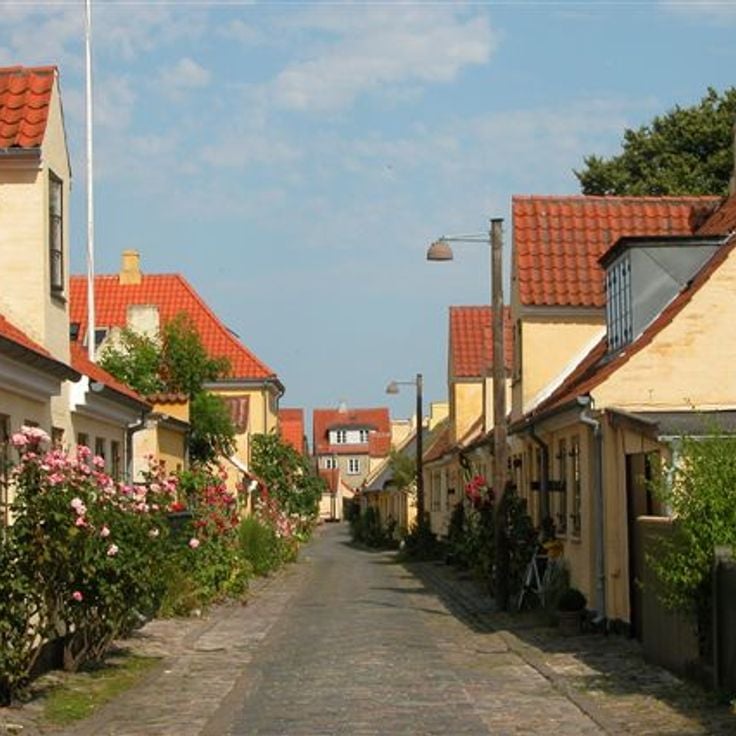
Parks and gardens spread across the city, offering green space and different moods. The Botanical Garden collects plants from around the world under glass domes and in open beds. Superkilen Park stretches through the Nørrebro neighborhood with colored surfaces and objects gathered from many countries. King's Garden surrounds Rosenborg Castle with tree-lined paths and lawns where people sit in warm weather. Assistens Cemetery lies quiet among the streets, used both as a burial ground and a place to walk. Tivoli Gardens mixes rides, stages, and flower beds in the center of the city. Strøget runs as a long pedestrian street through the old town. Freetown Christiania remains a self-governed neighborhood with painted buildings and its own rules. Dragør preserves old fishing cottages and cobblestones just outside the capital.
Copenhagen brings together centuries of history with recent construction in a walkable city by the water. Nyhavn lines the harbor with narrow houses painted in strong colors, where wooden ships dock beside outdoor cafes. The Little Mermaid sits on a rock at the edge of the sound, a bronze figure that has drawn visitors since the early 20th century. Christiansborg Palace rises near the old city center, while Amalienborg forms a royal residence around an octagonal plaza. The Opera House stands across the harbor with a flat, cantilevered roof, and The Black Diamond adds a modern glass facade to the Royal Library. Further out, The Blue Planet aquarium curves along the coast in Ørestad, and the VM Houses show angular residential design in the same district.
Parks and gardens spread across the city, offering green space and different moods. The Botanical Garden collects plants from around the world under glass domes and in open beds. Superkilen Park stretches through the Nørrebro neighborhood with colored surfaces and objects gathered from many countries. King's Garden surrounds Rosenborg Castle with tree-lined paths and lawns where people sit in warm weather. Assistens Cemetery lies quiet among the streets, used both as a burial ground and a place to walk. Tivoli Gardens mixes rides, stages, and flower beds in the center of the city. Strøget runs as a long pedestrian street through the old town. Freetown Christiania remains a self-governed neighborhood with painted buildings and its own rules. Dragør preserves old fishing cottages and cobblestones just outside the capital.
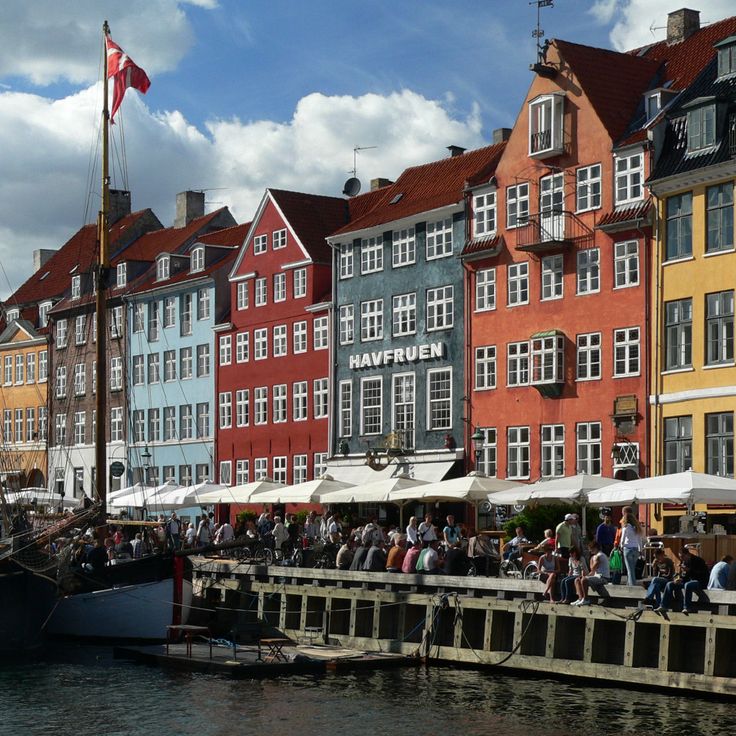
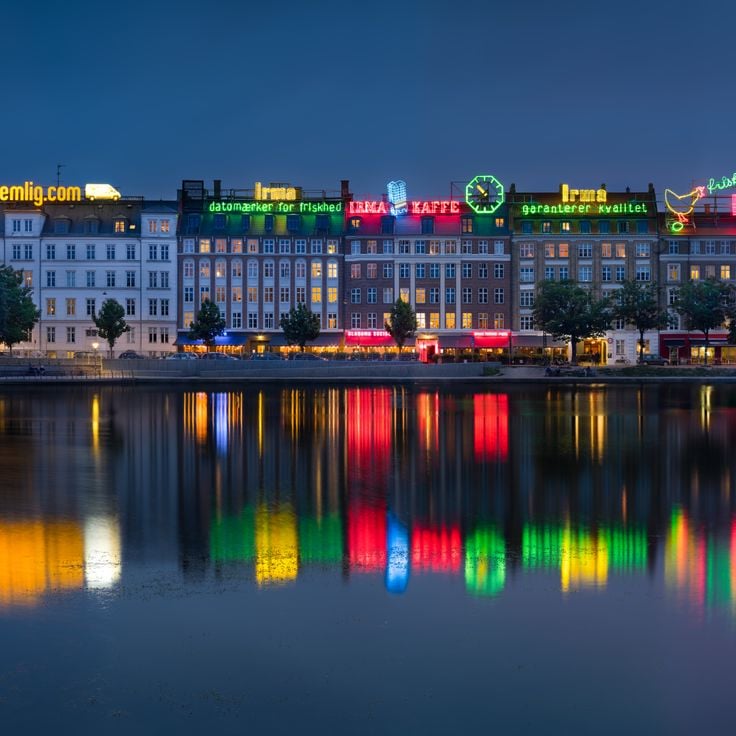
This canal runs along a row of merchant houses from the 17th century, painted in red, yellow and blue. The buildings now hold restaurants, and boats rest along the water in front of the facades. The narrow waterway leads from the harbor into the city center and draws photographers looking to capture the interplay of colors, reflections and the contrast between historical architecture and modern city life.
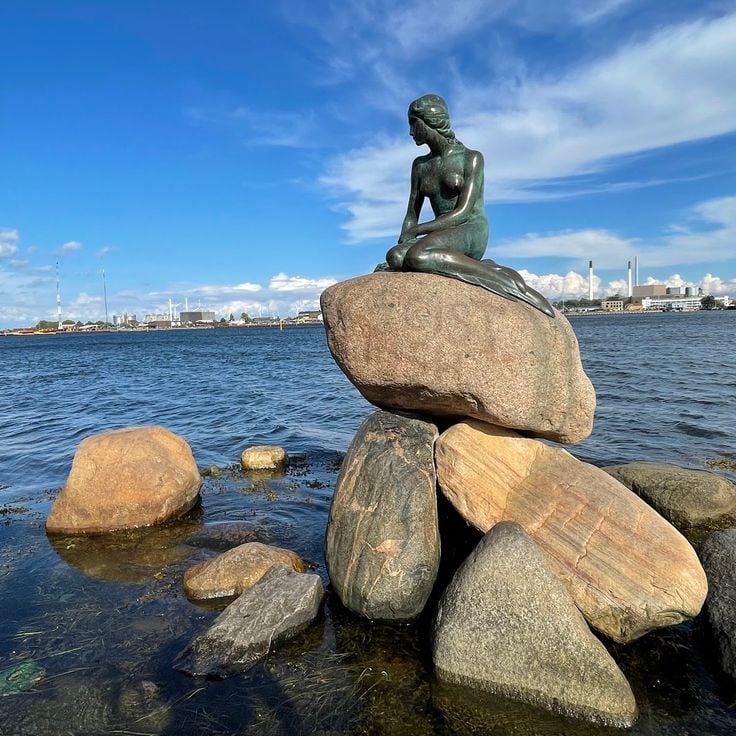
This bronze figure sits on a stone at the Langelinie promenade. Edvard Eriksen created it in 1913 based on a character from Hans Christian Andersen's fairy tale. The Baltic Sea water surrounds the base, and the sculpture faces the Øresund strait. Early morning light often works well for photographs when fewer visitors are present. The sky reflects in the water, and ships pass in the background. The statue stands small at only 1.25 meters (4 feet) tall, and appears vulnerable at the shore. For photographers, this location offers several perspectives on one of Copenhagen's recognized subjects.
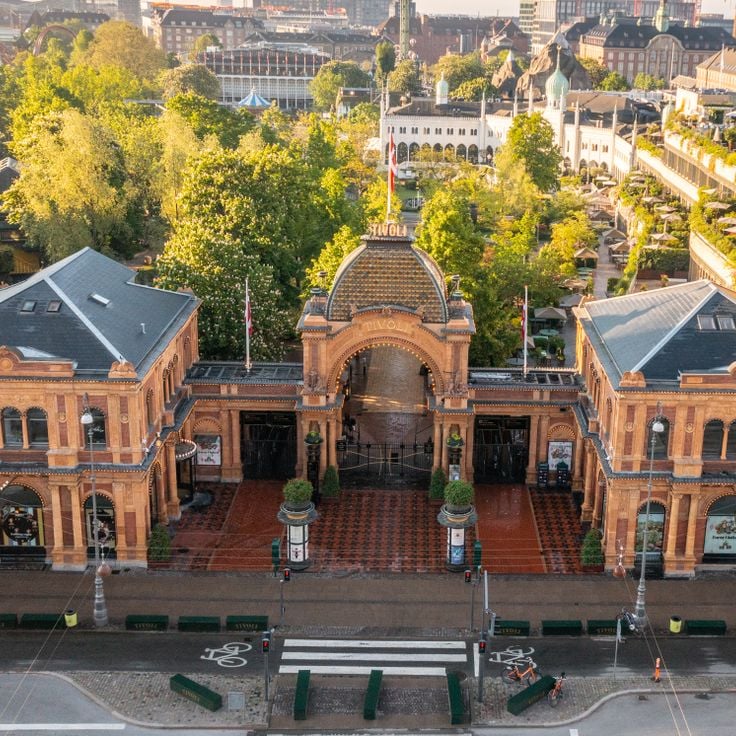
Tivoli Gardens opened in 1843 as one of the world's first amusement parks. The park occupies roughly 8.5 hectares (21 acres) in central Copenhagen and combines vintage rides with concert stages, dining areas, and landscaped gardens. The grounds feature historic architecture mixed with modern entertainment spaces. At night, thousands of lights transform the park into an illuminated setting that offers opportunities for photos throughout all seasons.
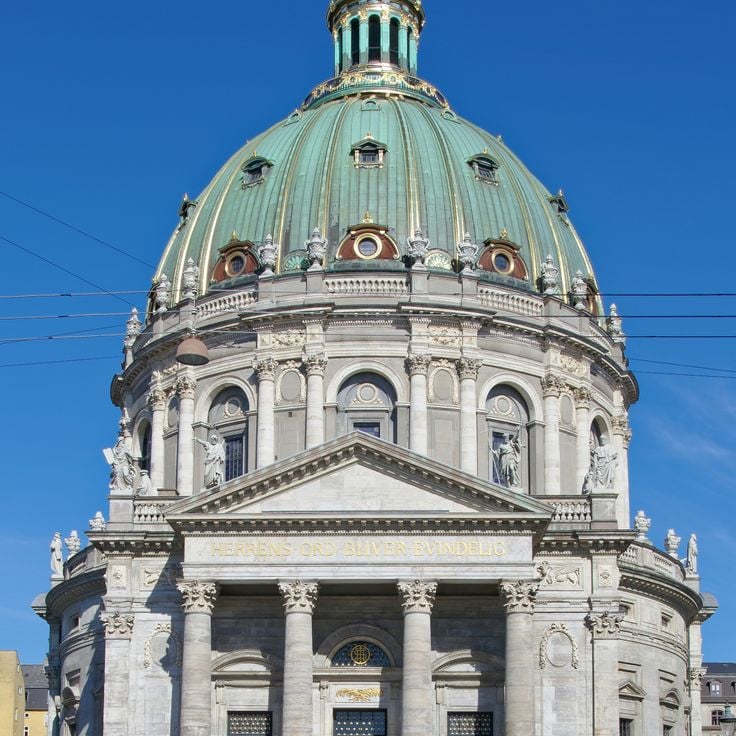
This church stands among the largest domed structures in Scandinavia. Construction began in the mid-18th century and continued for over 140 years. The copper dome, covered in green patina, reaches 31 meters (102 feet) across and shapes Copenhagen's skyline. Inside, visitors find views of the circular architecture and natural light patterns. From outside, the church can be photographed from different streets, especially from the nearby Amalienborg Palace.
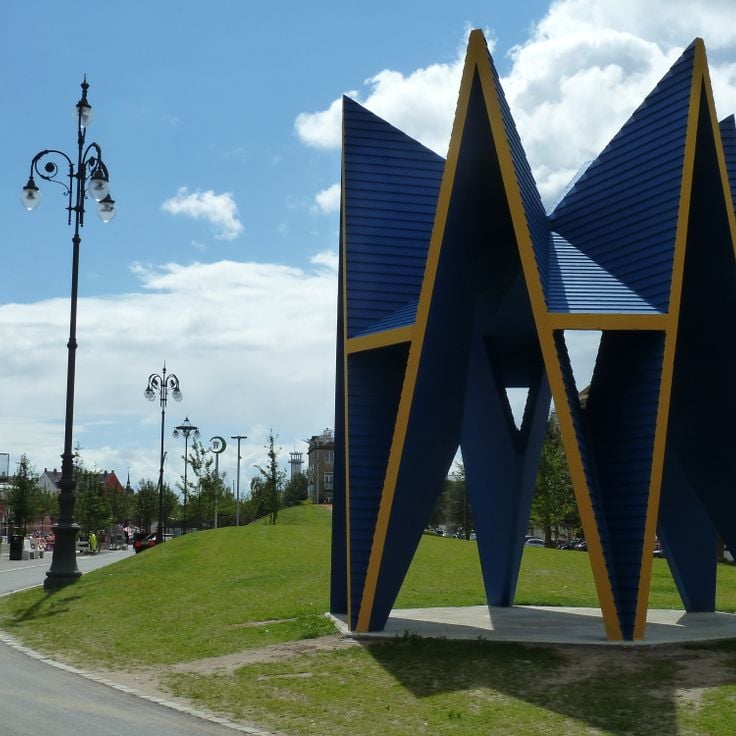
This public park divides into three zones—red, black and green—each displaying urban furniture and sports equipment from different countries. Superkilen Park brings together elements from more than 60 cultures in a shared space. The red zone with sports facilities and playgrounds borders the black zone featuring benches and fountains, while the green zone offers hills and lawns. The park reflects the multicultural identity of the neighborhood and invites photographs of colors, shapes and details rarely found in ordinary parks.
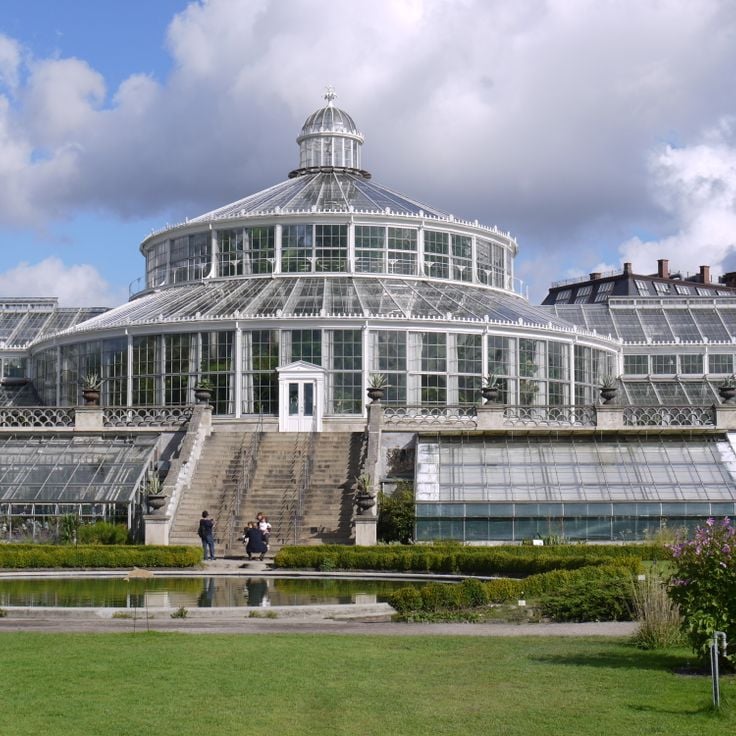
This botanical garden spreads across outdoor grounds where thousands of plant species grow among old trees and organized beds. The glasshouses from the nineteenth century shelter tropical and subtropical collections beneath their glass domes. Paths lead through different climate zones, from shaded woodland sections to open meadows. On quiet mornings, light filters through the canopy and casts patterns across the plants. The glasshouses offer compositions of metal and glass, while the outdoor areas present seasonal color changes. Visitors move slowly through the spaces, observing plant details and the architecture of the old structures.
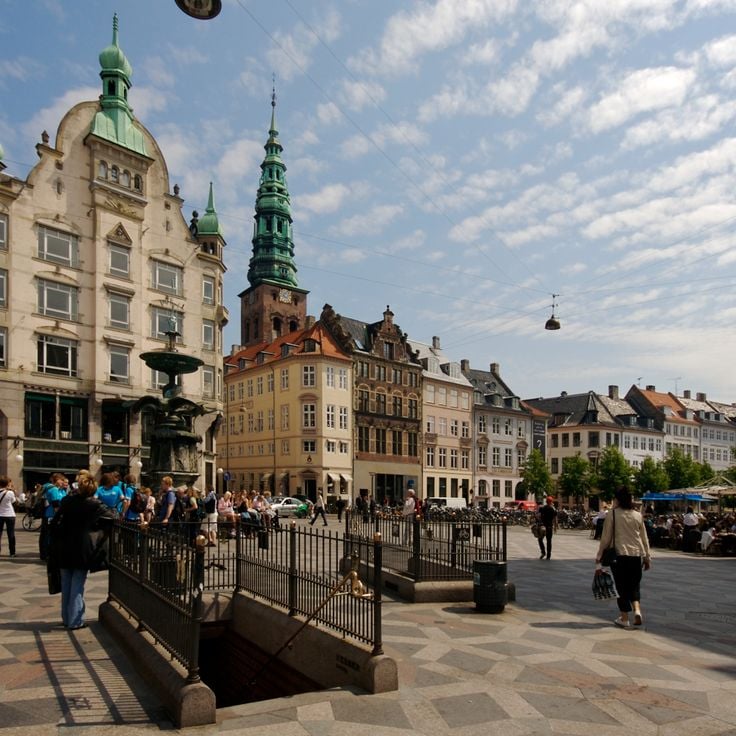
This shopping street connects City Hall Square to Kongens Nytorv and contains numerous stores, cafés, and street performers. Strøget winds through Copenhagen's old town and shows building facades from different centuries. Pedestrians move between historical squares and modern shop windows while the street changes its pace depending on the time of day, from busy morning hours to relaxed evening moments.
Nørrebro shows daily life in Copenhagen through its street cafes, small shops, and art galleries spread among residential streets and green spaces. This district draws people from different backgrounds and offers restaurants serving food from many countries. Assistens Cemetery at the center is both a resting place for historical figures and a quiet park where people walk or sit on benches. The streets are usually lively, with pedestrians, cyclists, and guests sitting outside. Nørrebro suits photographers looking to capture urban scenes, everyday moments, and the mix of historical elements with contemporary city life.
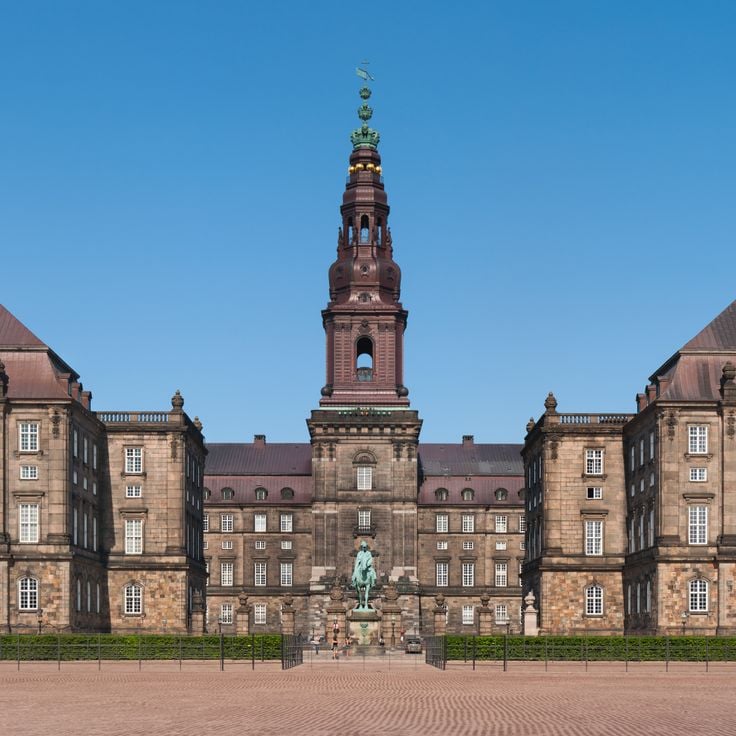
This eighteenth-century palace serves as the seat of the Danish Parliament and houses the three supreme branches of government. The baroque architecture with its stone facades, tall windows, and towers provides varied perspectives for capturing Copenhagen's governmental architecture. The open courtyards and waterfront location allow for compositions that show both the building's proportions and its role in the city's layout. The tower rises above surrounding rooftops and can be seen from many parts of the city.
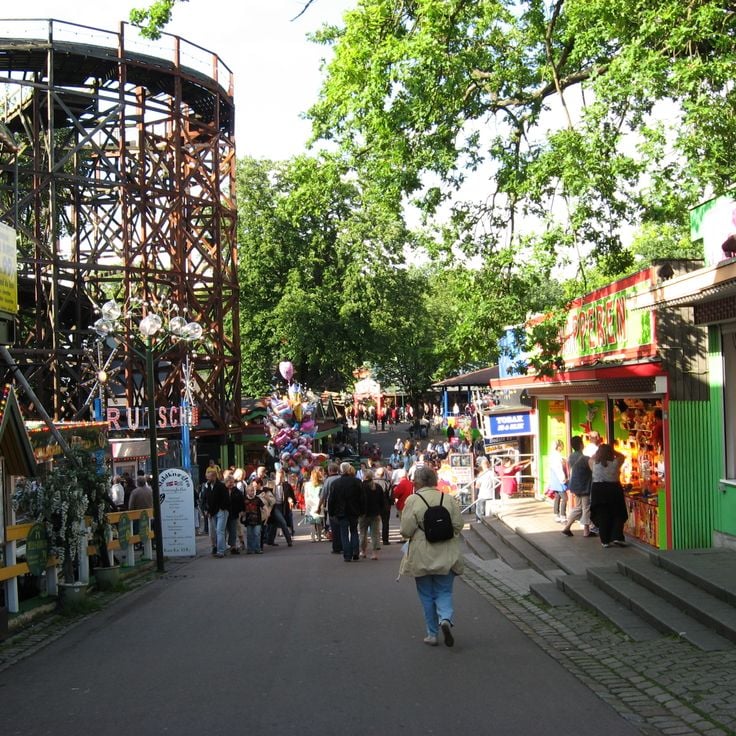
This amusement park dating from 1583 offers over 30 roller coasters and rides among trees and woodland paths. The mix of old wooden structures and modern attractions creates an interesting backdrop for photos as visitors walk between rides, pause at restaurants, or watch entertainment shows.
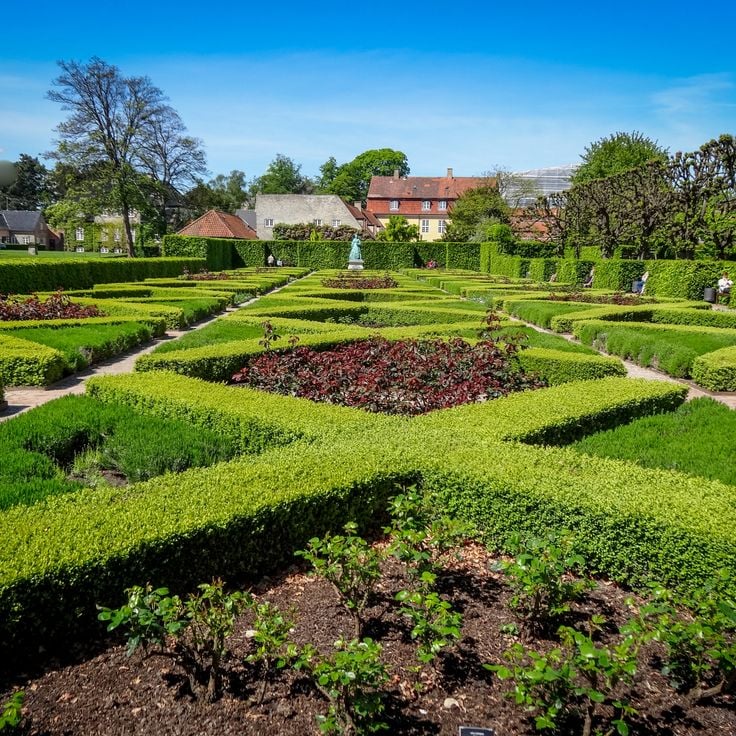
This 17th century garden combines geometric beds with old trees and lawns around the Renaissance castle Rosenborg. In spring and summer tulips, roses and other plants bloom in colored patterns. Locals come to walk, read or relax on the grass. Sculptures stand between the paths. The green area sits in the middle of the city and offers shade, open spaces and views of the castle's brick walls. In autumn the leaves turn, in winter the vegetation rests.
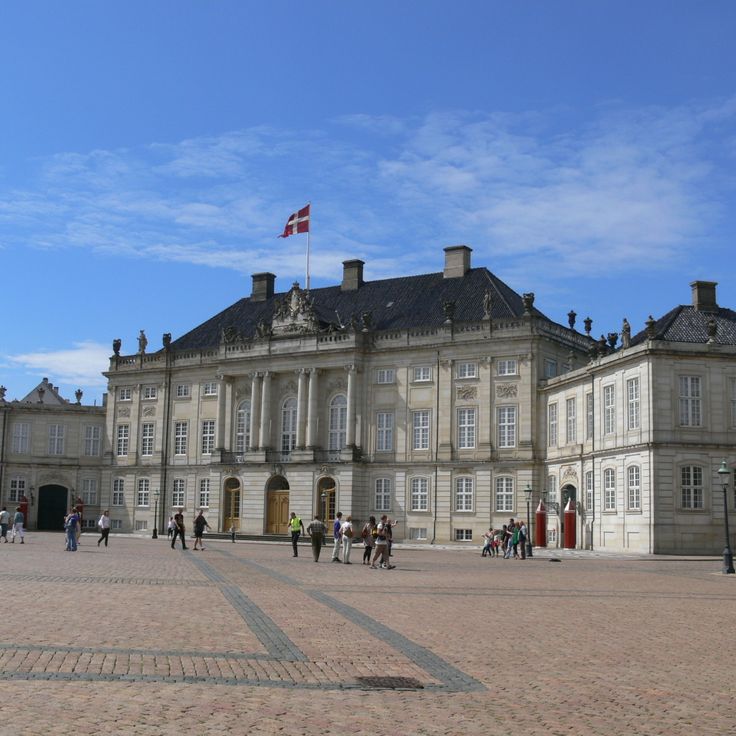
These four palace buildings in 18th-century Rococo style surround an octagonal square with an equestrian statue and serve as the official residence of the royal family. The symmetrical layout of Amalienborg presents classical Danish court architecture with its pale facades and orderly proportions. From all four corners of the square, you get balanced views suitable for architectural photography. The changing of the guard takes place regularly and draws visitors who want to capture the moment. The waterfront lies nearby, connecting Copenhagen's historic center to the harbor area.
This art museum shows international contemporary works in an open building that extends onto a lawn by the Øresund strait. Exhibition rooms run along the slope with large windows facing the water. The sculpture garden places works among trees and grass areas. Visitors can walk through the collection and then step onto terraces where boats and the Swedish coast come into view. The museum sits in Humlebæk, north of Copenhagen.
This former industrial warehouse along Copenhagen's waterfront now serves as a gathering place for international food vendors in covered stalls. From the open areas of Papirøen, you can see across the water to the old city and modern harbor buildings, especially photogenic during midday and late afternoon light when reflections appear on the harbor basin.
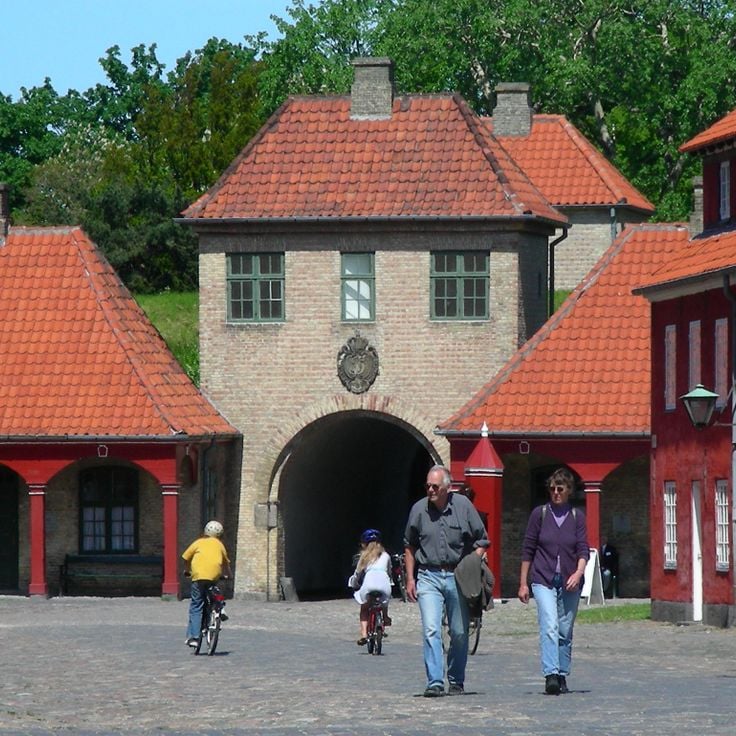
This 17th-century military fortress draws photographers with its moats, earthen ramparts, and red barracks. Kastellet combines fortification architecture with open green spaces, offering shots of historical structures, water reflections, and everyday life as locals walk or cycle through the old defensive walls.
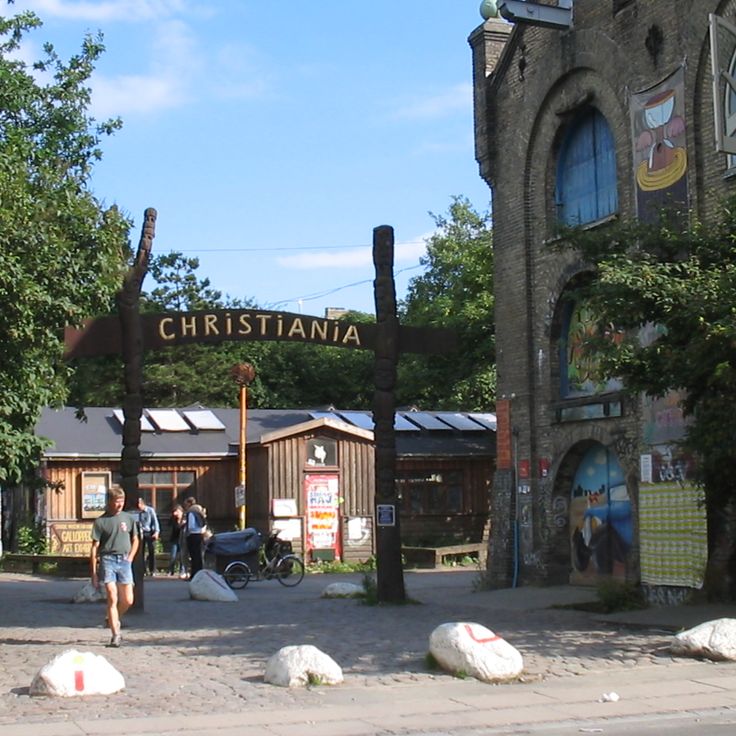
This self-governed community on former military grounds has lived by its own rules and alternative lifestyles since 1971. Freetown Christiania offers photographers many subjects with its colorful houses, murals, and workshops that capture Copenhagen's unconventional side. The area shows a contrast to the rest of the city through its informal architecture and creative use of public spaces.
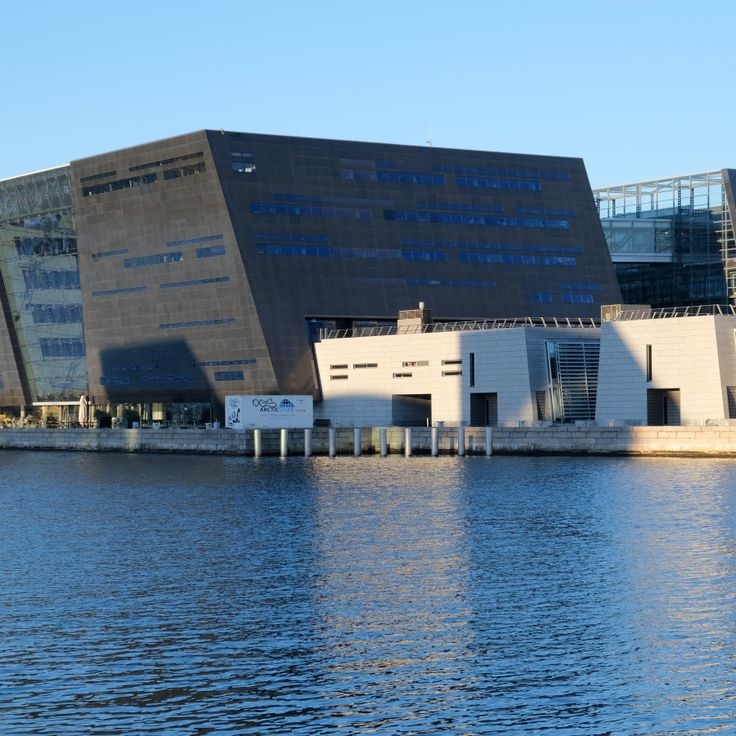
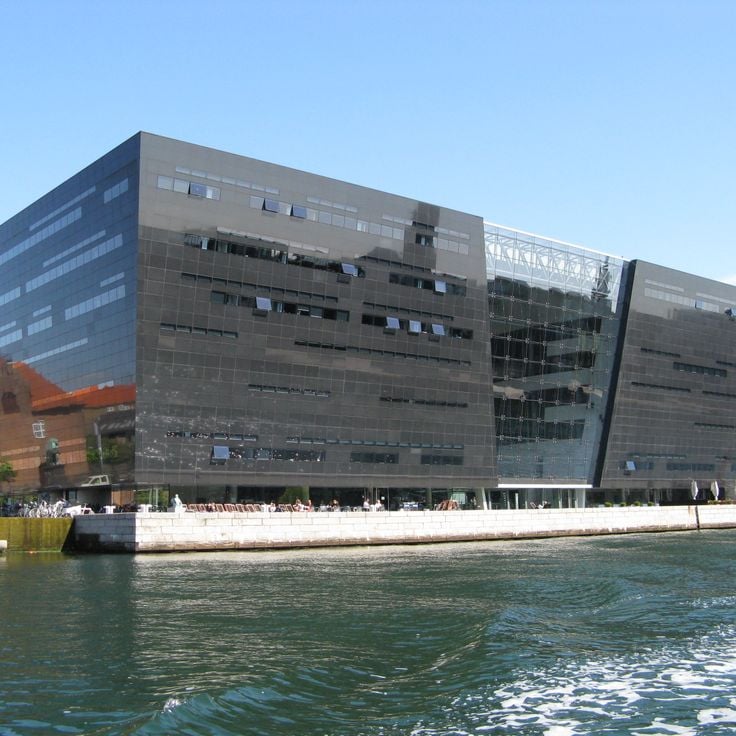
This modern library extension of the Royal Library stands by the harbor with a black glass facade. The reflective surface throws back the water and sky, creating changing light effects throughout the day. The building borders older parts of the city and forms a contrast between historical and contemporary architecture. Visitors find reading rooms inside with views over the harbor, while outside the waterfront promenade passes by and invites walkers to pause and observe.
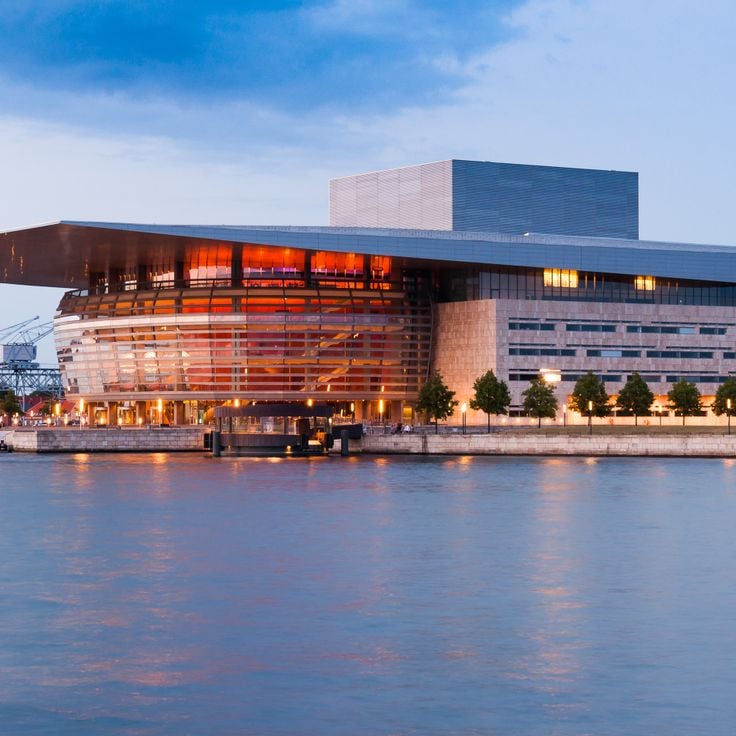
This opera house on Holmen island blends contemporary design with clean lines and large glass surfaces. The facade reflects the water of the harbor and the overhanging roof creates interesting perspectives for photographers. The simple form of the building contrasts with the older brick buildings along the waterfront and allows shots that show Copenhagen's architectural development.
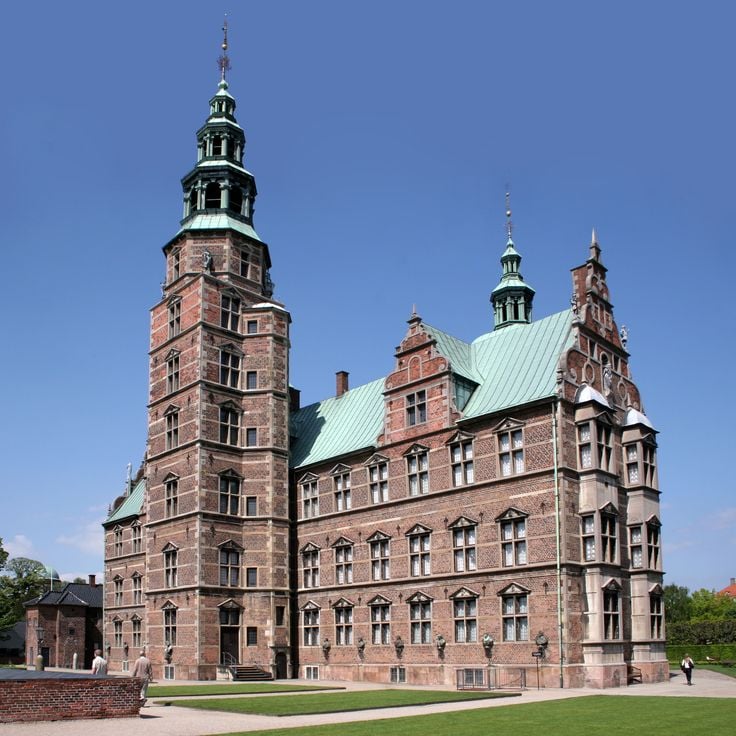
This 17th-century castle holds the Danish crown jewels and a collection of Renaissance art behind brick-red walls. The rooms show how the royal family lived, with furniture, porcelain, and tapestries from different periods. The architecture combines Dutch and Italian influences with towers, battlements, and a moat. In the garden, you can walk between lawns, hedges, and statues, while the facade shows different moods under varying light and weather. The interiors work well for detail shots of ornaments, while the exterior captures the entire building with its park.
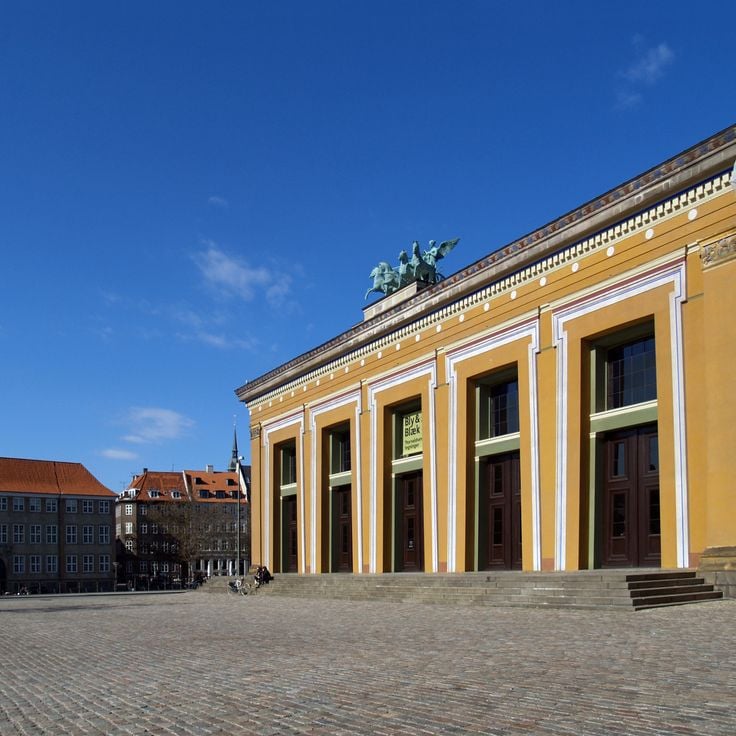
This museum represents classical sculpture in Copenhagen and displays works by Bertel Thorvaldsen in a building from 1848. The painted facade stands out among older houses around Slotsholmen. Inside, marble sculptures fill large halls with natural light entering through tall windows. Photographers find clean lines and contrasts between white stone and colored walls. The inner courtyard offers a quiet space with arcades, suitable for architectural shots.
This museum brings together historical and contemporary photographs from Danish and international collections, including works dating back to the 19th century. The exhibitions show how photography has evolved as an artistic and documentary medium, offering insights into different photographic traditions and technical approaches. A fitting stop in Copenhagen for those interested in the history and development of the photographic art.
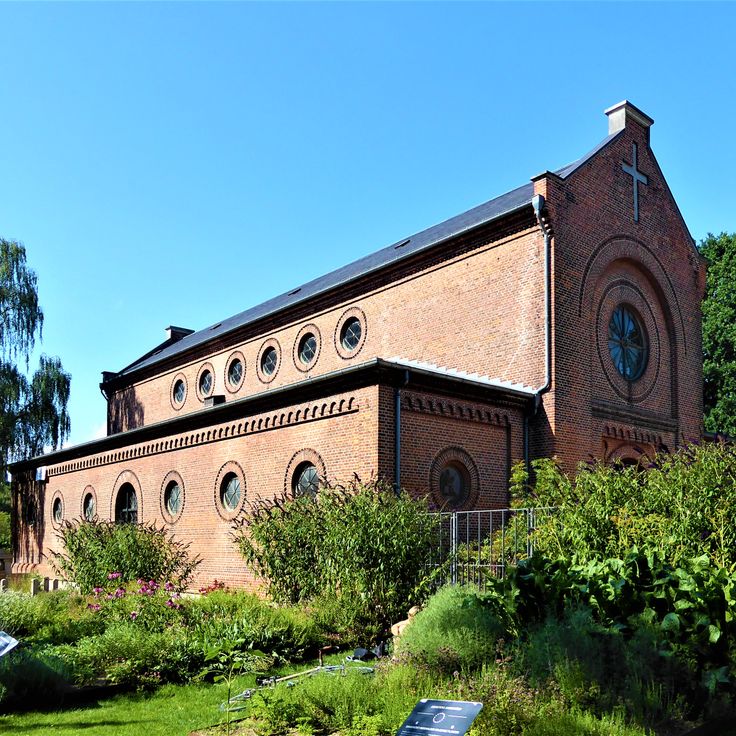
This green cemetery from 1760 holds the graves of Hans Christian Andersen and other well-known Danish figures, offering a distinctive photo opportunity in Copenhagen. Tall old trees cast shadows over winding paths that pass between historic gravestones and monuments. On warm days locals come to walk, read, or picnic among the graves. Light filters through the canopy, creating interesting contrasts between moss-covered stones and dense greenery. The mood is quiet, yet life here is ordinary: joggers, cyclists, and families use the grounds like a public park. Each season changes how the cemetery looks, bringing new colors and textures for photographic compositions.
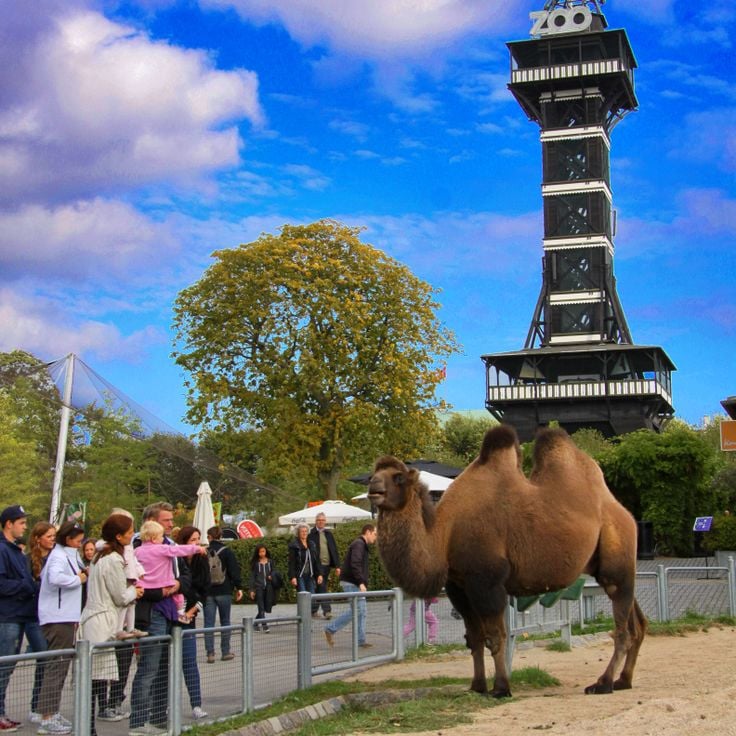
This zoo dates back to 1859 and houses more than 3000 animals in modern facilities focused on protecting endangered species. The enclosures have been redesigned over time to recreate natural habitats. Visitors can observe elephants, penguins, arctic foxes, and many other species. The architecture combines historic buildings with contemporary structures. This zoo offers perspectives on animals in different environments and lighting conditions. The grounds attract families and photographers looking for subjects involving animals and landscape design.
The Blue Planet opened in 2013 and houses more than 450 aquatic species in 53 tanks representing all oceans. The curving architecture of this aquarium and its large underwater windows offer photo opportunities for modern building forms and marine perspectives in Copenhagen. The structure casts shadows and light reflections, while the tanks bring blue and green tones into interior spaces.
This fishing village from the 12th century lies south of Copenhagen along the waterfront. The streets are paved with cobblestones, and yellow houses with red roofs line the narrow lanes. The architecture retains its original character with low buildings, small windows, and doors that open straight onto the street. The harbor is small and calm, with a few boats tied at the quay. The atmosphere recalls the life of sailors and fishermen who lived here for centuries. Light falls softly on the facades, especially toward evening. Dragør Old Town offers images from another era that contrast with the modern capital. The setting suits walks where you can spot details like door knockers, shutters, and old signs.
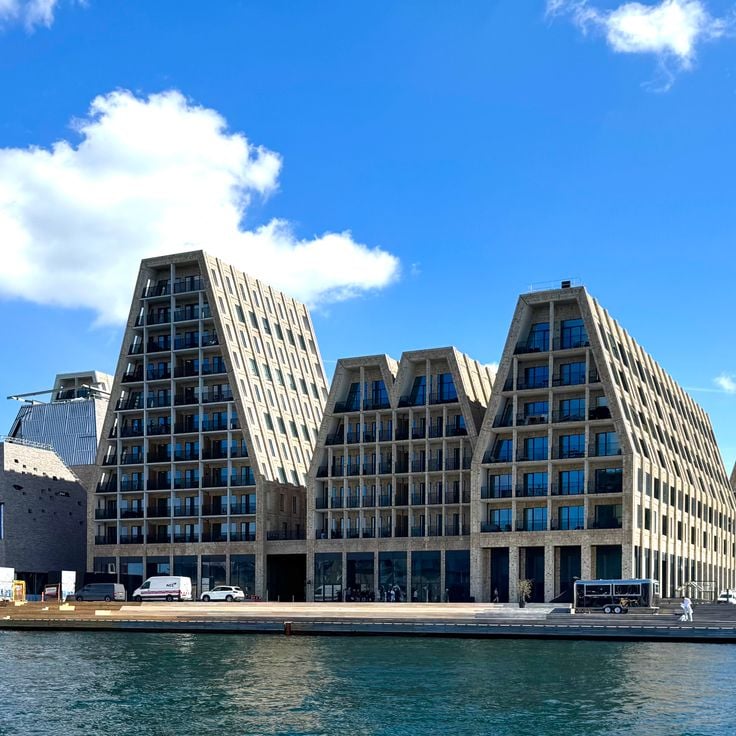
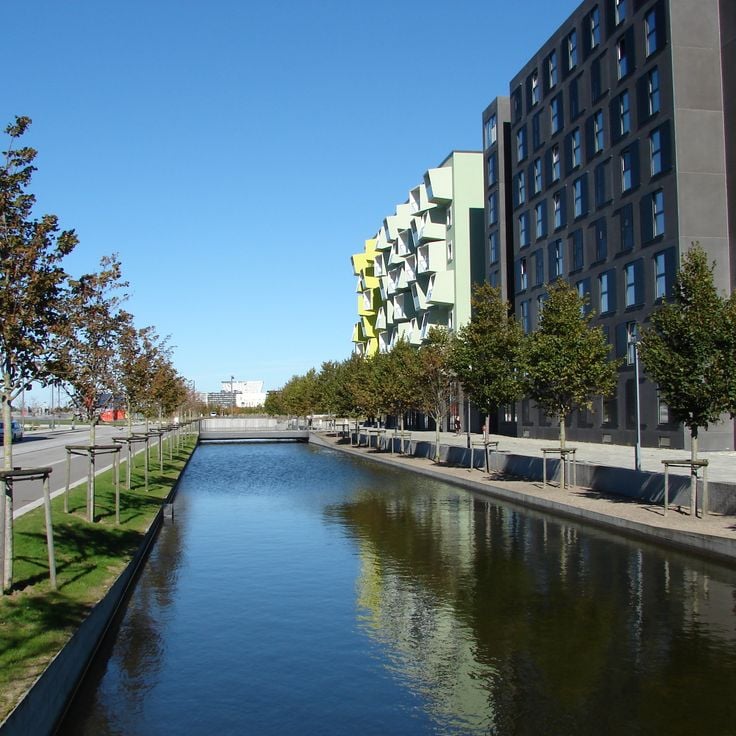
This modern district reveals experimental architecture from the last two decades. Ørestad stands out for its glass facades and geometric forms, including the VM House with its pyramid-shaped balconies. The wide streets and open squares create space for architectural compositions, while green corridors and canals soften the urban layout. Photographers find clear lines, reflections, and the contrast between concrete and sky in this part of Copenhagen.
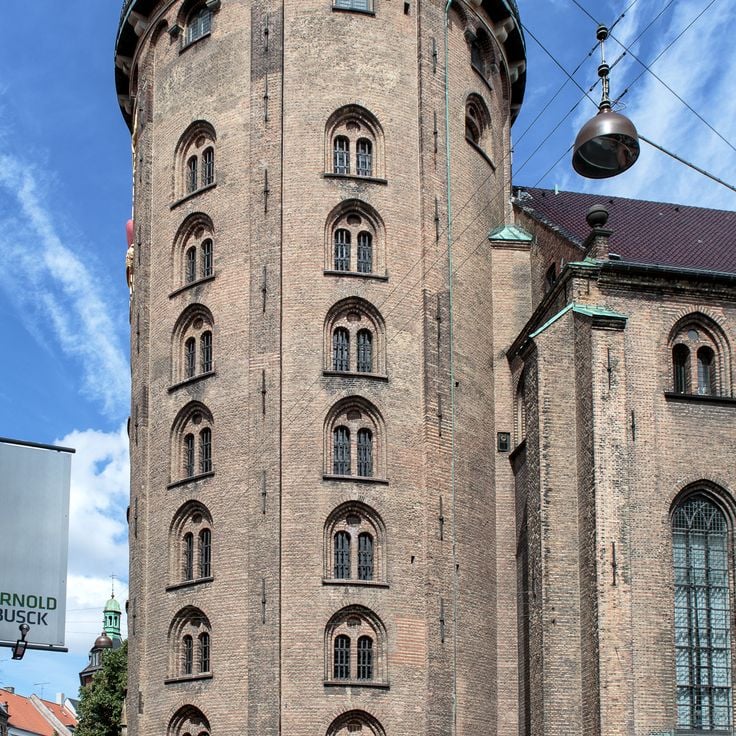
This 17th century astronomical tower connects history with the best view over the old city. A spiral ramp curves gently upward to the observation platform, where church spires, copper roofs, and modern facades sit side by side. The Round Tower is one of the oldest functioning observatories in Europe and opens a wide view across the rooftops toward the water. Early morning brings soft light and few visitors, while afternoon often offers clear visibility. The ramp is built without steps, making the climb comfortable. From the top, the city feels manageable, with narrow lanes and broad squares that open toward the harbor.
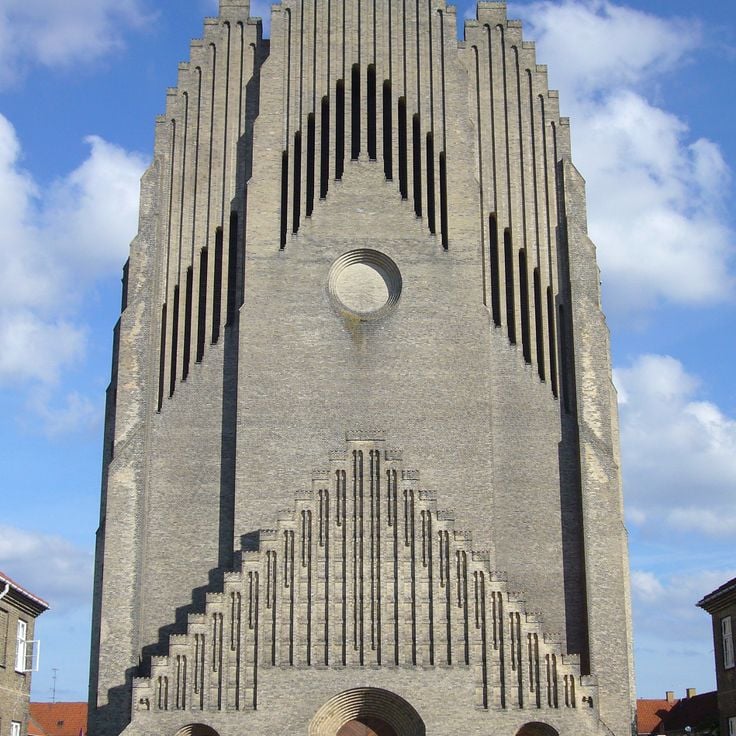
Grundtvig's Church was built between 1921 and 1940 using 6 million yellow bricks. The vertical lines of the facade create a repeating pattern that runs the full height of the building. This church represents one example of modern sacred architecture in Copenhagen, showing how brick was used as a construction material in the 20th century. The structure stands in the northwest part of the city and offers a contrast to the historic downtown area.
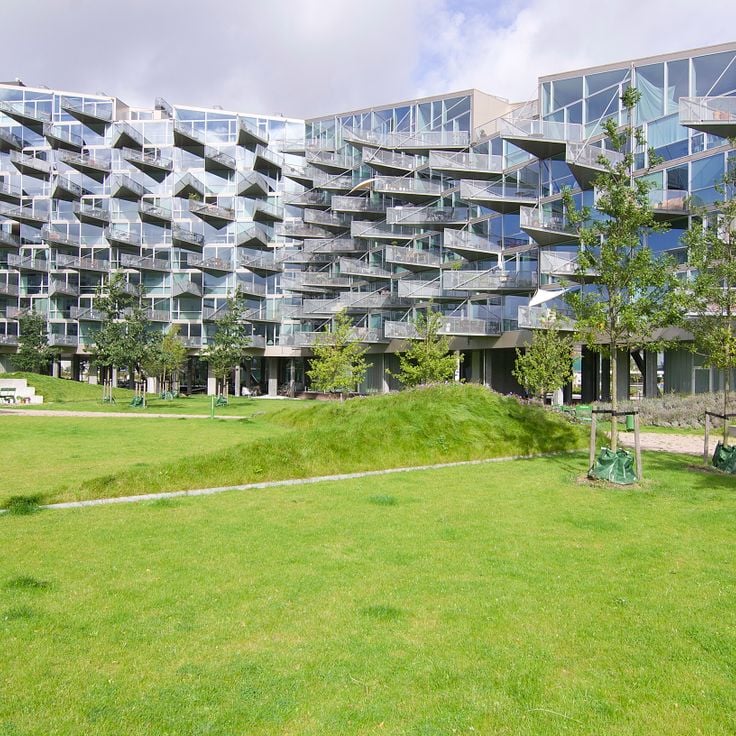
These two residential complexes from 2005 show modern architecture through their V and M-shaped structures, marked by large glass facades and open balconies. The VM Houses present clear geometric forms where daylight enters differently through the windows, casting shadows across the facades. The buildings stand as an example of contemporary city planning in Copenhagen, with their asymmetric design and combination of transparency and concrete. The interplay of light, glass, and facade angles creates interesting perspectives for photography.
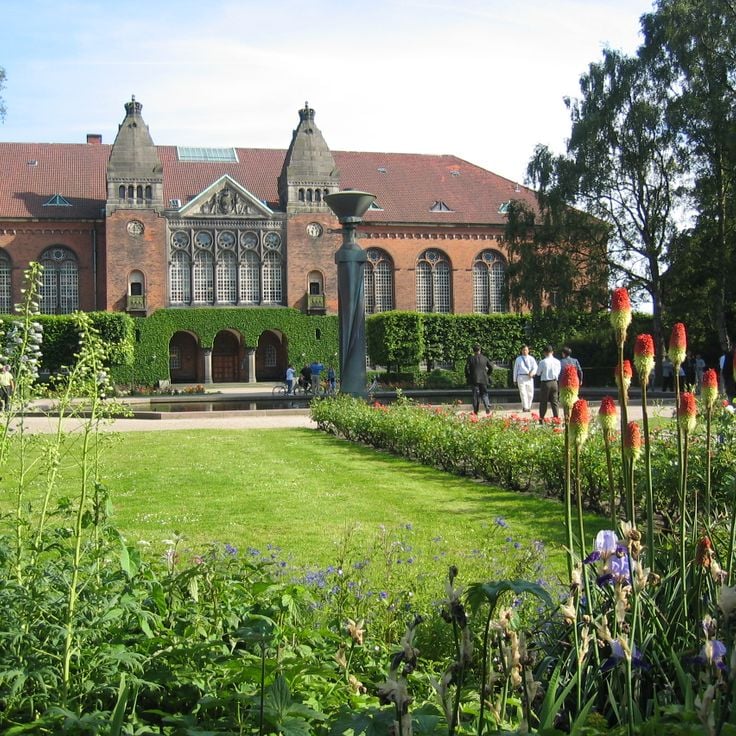
This inner courtyard sits between the historic buildings of the Royal Library and offers a quiet space in the middle of the city. Fountains trickle, statues stand among the pathways, and benches invite you to pause. The architecture around shows different periods of the library's history, and daylight falls into the courtyard differently depending on the season. The Royal Library Garden works well for shots of details, contrasts between old and new, and calm moments between bookshelves and city activity.
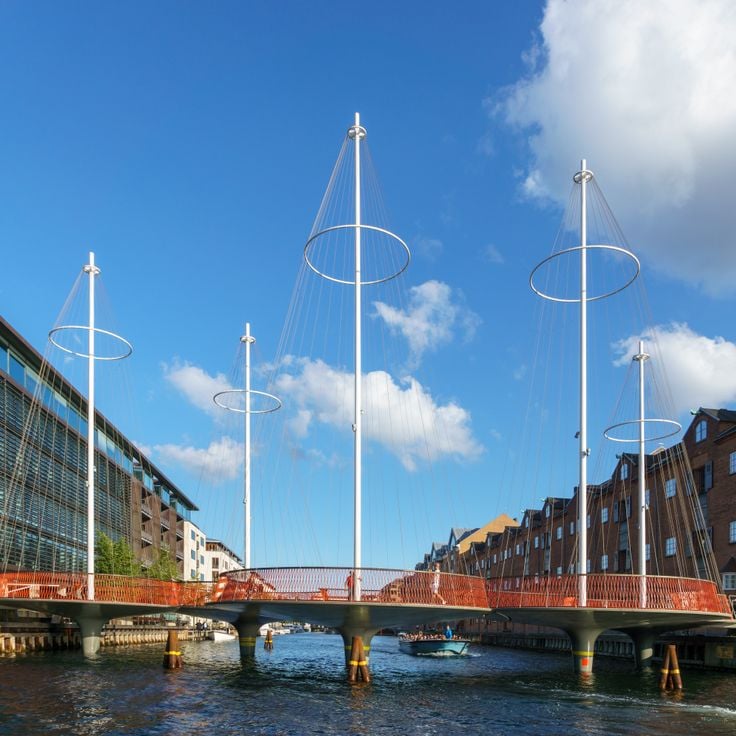
The Cirkelbroen connects Christiansbro to Applebys Plads across the canal in Christianshavn since 2015. This pedestrian bridge consists of five circular platforms at different heights, suggesting the shape of sailboats. The design creates varied perspectives over the water and surrounding buildings. Photographers find lines and geometric forms here that contrast with the historical houses along the waterfront. The bridge moves slightly when people walk across, giving the place a dynamic quality. In the morning the water reflects the structures, while evening lighting emphasizes the circular shapes and creates strong shadows against the canal.
This canal runs along a row of merchant houses from the 17th century, painted in red, yellow and blue. The buildings now hold restaurants, and boats rest along the water in front of the facades. The narrow waterway leads from the harbor into the city center and draws photographers looking to capture the interplay of colors, reflections and the contrast between historical architecture and modern city life.
This bronze figure sits on a stone at the Langelinie promenade. Edvard Eriksen created it in 1913 based on a character from Hans Christian Andersen's fairy tale. The Baltic Sea water surrounds the base, and the sculpture faces the Øresund strait. Early morning light often works well for photographs when fewer visitors are present. The sky reflects in the water, and ships pass in the background. The statue stands small at only 1.25 meters (4 feet) tall, and appears vulnerable at the shore. For photographers, this location offers several perspectives on one of Copenhagen's recognized subjects.
Tivoli Gardens opened in 1843 as one of the world's first amusement parks. The park occupies roughly 8.5 hectares (21 acres) in central Copenhagen and combines vintage rides with concert stages, dining areas, and landscaped gardens. The grounds feature historic architecture mixed with modern entertainment spaces. At night, thousands of lights transform the park into an illuminated setting that offers opportunities for photos throughout all seasons.
This church stands among the largest domed structures in Scandinavia. Construction began in the mid-18th century and continued for over 140 years. The copper dome, covered in green patina, reaches 31 meters (102 feet) across and shapes Copenhagen's skyline. Inside, visitors find views of the circular architecture and natural light patterns. From outside, the church can be photographed from different streets, especially from the nearby Amalienborg Palace.
This public park divides into three zones—red, black and green—each displaying urban furniture and sports equipment from different countries. Superkilen Park brings together elements from more than 60 cultures in a shared space. The red zone with sports facilities and playgrounds borders the black zone featuring benches and fountains, while the green zone offers hills and lawns. The park reflects the multicultural identity of the neighborhood and invites photographs of colors, shapes and details rarely found in ordinary parks.
This botanical garden spreads across outdoor grounds where thousands of plant species grow among old trees and organized beds. The glasshouses from the nineteenth century shelter tropical and subtropical collections beneath their glass domes. Paths lead through different climate zones, from shaded woodland sections to open meadows. On quiet mornings, light filters through the canopy and casts patterns across the plants. The glasshouses offer compositions of metal and glass, while the outdoor areas present seasonal color changes. Visitors move slowly through the spaces, observing plant details and the architecture of the old structures.
This shopping street connects City Hall Square to Kongens Nytorv and contains numerous stores, cafés, and street performers. Strøget winds through Copenhagen's old town and shows building facades from different centuries. Pedestrians move between historical squares and modern shop windows while the street changes its pace depending on the time of day, from busy morning hours to relaxed evening moments.
Nørrebro shows daily life in Copenhagen through its street cafes, small shops, and art galleries spread among residential streets and green spaces. This district draws people from different backgrounds and offers restaurants serving food from many countries. Assistens Cemetery at the center is both a resting place for historical figures and a quiet park where people walk or sit on benches. The streets are usually lively, with pedestrians, cyclists, and guests sitting outside. Nørrebro suits photographers looking to capture urban scenes, everyday moments, and the mix of historical elements with contemporary city life.
This eighteenth-century palace serves as the seat of the Danish Parliament and houses the three supreme branches of government. The baroque architecture with its stone facades, tall windows, and towers provides varied perspectives for capturing Copenhagen's governmental architecture. The open courtyards and waterfront location allow for compositions that show both the building's proportions and its role in the city's layout. The tower rises above surrounding rooftops and can be seen from many parts of the city.
This amusement park dating from 1583 offers over 30 roller coasters and rides among trees and woodland paths. The mix of old wooden structures and modern attractions creates an interesting backdrop for photos as visitors walk between rides, pause at restaurants, or watch entertainment shows.
This 17th century garden combines geometric beds with old trees and lawns around the Renaissance castle Rosenborg. In spring and summer tulips, roses and other plants bloom in colored patterns. Locals come to walk, read or relax on the grass. Sculptures stand between the paths. The green area sits in the middle of the city and offers shade, open spaces and views of the castle's brick walls. In autumn the leaves turn, in winter the vegetation rests.
These four palace buildings in 18th-century Rococo style surround an octagonal square with an equestrian statue and serve as the official residence of the royal family. The symmetrical layout of Amalienborg presents classical Danish court architecture with its pale facades and orderly proportions. From all four corners of the square, you get balanced views suitable for architectural photography. The changing of the guard takes place regularly and draws visitors who want to capture the moment. The waterfront lies nearby, connecting Copenhagen's historic center to the harbor area.
This art museum shows international contemporary works in an open building that extends onto a lawn by the Øresund strait. Exhibition rooms run along the slope with large windows facing the water. The sculpture garden places works among trees and grass areas. Visitors can walk through the collection and then step onto terraces where boats and the Swedish coast come into view. The museum sits in Humlebæk, north of Copenhagen.
This former industrial warehouse along Copenhagen's waterfront now serves as a gathering place for international food vendors in covered stalls. From the open areas of Papirøen, you can see across the water to the old city and modern harbor buildings, especially photogenic during midday and late afternoon light when reflections appear on the harbor basin.
This 17th-century military fortress draws photographers with its moats, earthen ramparts, and red barracks. Kastellet combines fortification architecture with open green spaces, offering shots of historical structures, water reflections, and everyday life as locals walk or cycle through the old defensive walls.
This self-governed community on former military grounds has lived by its own rules and alternative lifestyles since 1971. Freetown Christiania offers photographers many subjects with its colorful houses, murals, and workshops that capture Copenhagen's unconventional side. The area shows a contrast to the rest of the city through its informal architecture and creative use of public spaces.
This modern library extension of the Royal Library stands by the harbor with a black glass facade. The reflective surface throws back the water and sky, creating changing light effects throughout the day. The building borders older parts of the city and forms a contrast between historical and contemporary architecture. Visitors find reading rooms inside with views over the harbor, while outside the waterfront promenade passes by and invites walkers to pause and observe.
This opera house on Holmen island blends contemporary design with clean lines and large glass surfaces. The facade reflects the water of the harbor and the overhanging roof creates interesting perspectives for photographers. The simple form of the building contrasts with the older brick buildings along the waterfront and allows shots that show Copenhagen's architectural development.
This 17th-century castle holds the Danish crown jewels and a collection of Renaissance art behind brick-red walls. The rooms show how the royal family lived, with furniture, porcelain, and tapestries from different periods. The architecture combines Dutch and Italian influences with towers, battlements, and a moat. In the garden, you can walk between lawns, hedges, and statues, while the facade shows different moods under varying light and weather. The interiors work well for detail shots of ornaments, while the exterior captures the entire building with its park.
This museum represents classical sculpture in Copenhagen and displays works by Bertel Thorvaldsen in a building from 1848. The painted facade stands out among older houses around Slotsholmen. Inside, marble sculptures fill large halls with natural light entering through tall windows. Photographers find clean lines and contrasts between white stone and colored walls. The inner courtyard offers a quiet space with arcades, suitable for architectural shots.
This museum brings together historical and contemporary photographs from Danish and international collections, including works dating back to the 19th century. The exhibitions show how photography has evolved as an artistic and documentary medium, offering insights into different photographic traditions and technical approaches. A fitting stop in Copenhagen for those interested in the history and development of the photographic art.
This green cemetery from 1760 holds the graves of Hans Christian Andersen and other well-known Danish figures, offering a distinctive photo opportunity in Copenhagen. Tall old trees cast shadows over winding paths that pass between historic gravestones and monuments. On warm days locals come to walk, read, or picnic among the graves. Light filters through the canopy, creating interesting contrasts between moss-covered stones and dense greenery. The mood is quiet, yet life here is ordinary: joggers, cyclists, and families use the grounds like a public park. Each season changes how the cemetery looks, bringing new colors and textures for photographic compositions.
This zoo dates back to 1859 and houses more than 3000 animals in modern facilities focused on protecting endangered species. The enclosures have been redesigned over time to recreate natural habitats. Visitors can observe elephants, penguins, arctic foxes, and many other species. The architecture combines historic buildings with contemporary structures. This zoo offers perspectives on animals in different environments and lighting conditions. The grounds attract families and photographers looking for subjects involving animals and landscape design.
The Blue Planet opened in 2013 and houses more than 450 aquatic species in 53 tanks representing all oceans. The curving architecture of this aquarium and its large underwater windows offer photo opportunities for modern building forms and marine perspectives in Copenhagen. The structure casts shadows and light reflections, while the tanks bring blue and green tones into interior spaces.
This fishing village from the 12th century lies south of Copenhagen along the waterfront. The streets are paved with cobblestones, and yellow houses with red roofs line the narrow lanes. The architecture retains its original character with low buildings, small windows, and doors that open straight onto the street. The harbor is small and calm, with a few boats tied at the quay. The atmosphere recalls the life of sailors and fishermen who lived here for centuries. Light falls softly on the facades, especially toward evening. Dragør Old Town offers images from another era that contrast with the modern capital. The setting suits walks where you can spot details like door knockers, shutters, and old signs.
This modern district reveals experimental architecture from the last two decades. Ørestad stands out for its glass facades and geometric forms, including the VM House with its pyramid-shaped balconies. The wide streets and open squares create space for architectural compositions, while green corridors and canals soften the urban layout. Photographers find clear lines, reflections, and the contrast between concrete and sky in this part of Copenhagen.
This 17th century astronomical tower connects history with the best view over the old city. A spiral ramp curves gently upward to the observation platform, where church spires, copper roofs, and modern facades sit side by side. The Round Tower is one of the oldest functioning observatories in Europe and opens a wide view across the rooftops toward the water. Early morning brings soft light and few visitors, while afternoon often offers clear visibility. The ramp is built without steps, making the climb comfortable. From the top, the city feels manageable, with narrow lanes and broad squares that open toward the harbor.
Grundtvig's Church was built between 1921 and 1940 using 6 million yellow bricks. The vertical lines of the facade create a repeating pattern that runs the full height of the building. This church represents one example of modern sacred architecture in Copenhagen, showing how brick was used as a construction material in the 20th century. The structure stands in the northwest part of the city and offers a contrast to the historic downtown area.
These two residential complexes from 2005 show modern architecture through their V and M-shaped structures, marked by large glass facades and open balconies. The VM Houses present clear geometric forms where daylight enters differently through the windows, casting shadows across the facades. The buildings stand as an example of contemporary city planning in Copenhagen, with their asymmetric design and combination of transparency and concrete. The interplay of light, glass, and facade angles creates interesting perspectives for photography.
This inner courtyard sits between the historic buildings of the Royal Library and offers a quiet space in the middle of the city. Fountains trickle, statues stand among the pathways, and benches invite you to pause. The architecture around shows different periods of the library's history, and daylight falls into the courtyard differently depending on the season. The Royal Library Garden works well for shots of details, contrasts between old and new, and calm moments between bookshelves and city activity.
The Cirkelbroen connects Christiansbro to Applebys Plads across the canal in Christianshavn since 2015. This pedestrian bridge consists of five circular platforms at different heights, suggesting the shape of sailboats. The design creates varied perspectives over the water and surrounding buildings. Photographers find lines and geometric forms here that contrast with the historical houses along the waterfront. The bridge moves slightly when people walk across, giving the place a dynamic quality. In the morning the water reflects the structures, while evening lighting emphasizes the circular shapes and creates strong shadows against the canal.
This canal runs along a row of merchant houses from the 17th century, painted in red, yellow and blue. The buildings now hold restaurants, and boats rest along the water in front of the facades. The narrow waterway leads from the harbor into the city center and draws photographers looking to capture the interplay of colors, reflections and the contrast between historical architecture and modern city life.
This bronze figure sits on a stone at the Langelinie promenade. Edvard Eriksen created it in 1913 based on a character from Hans Christian Andersen's fairy tale. The Baltic Sea water surrounds the base, and the sculpture faces the Øresund strait. Early morning light often works well for photographs when fewer visitors are present. The sky reflects in the water, and ships pass in the background. The statue stands small at only 1.25 meters (4 feet) tall, and appears vulnerable at the shore. For photographers, this location offers several perspectives on one of Copenhagen's recognized subjects.
Tivoli Gardens opened in 1843 as one of the world's first amusement parks. The park occupies roughly 8.5 hectares (21 acres) in central Copenhagen and combines vintage rides with concert stages, dining areas, and landscaped gardens. The grounds feature historic architecture mixed with modern entertainment spaces. At night, thousands of lights transform the park into an illuminated setting that offers opportunities for photos throughout all seasons.
This church stands among the largest domed structures in Scandinavia. Construction began in the mid-18th century and continued for over 140 years. The copper dome, covered in green patina, reaches 31 meters (102 feet) across and shapes Copenhagen's skyline. Inside, visitors find views of the circular architecture and natural light patterns. From outside, the church can be photographed from different streets, especially from the nearby Amalienborg Palace.
This public park divides into three zones—red, black and green—each displaying urban furniture and sports equipment from different countries. Superkilen Park brings together elements from more than 60 cultures in a shared space. The red zone with sports facilities and playgrounds borders the black zone featuring benches and fountains, while the green zone offers hills and lawns. The park reflects the multicultural identity of the neighborhood and invites photographs of colors, shapes and details rarely found in ordinary parks.
This botanical garden spreads across outdoor grounds where thousands of plant species grow among old trees and organized beds. The glasshouses from the nineteenth century shelter tropical and subtropical collections beneath their glass domes. Paths lead through different climate zones, from shaded woodland sections to open meadows. On quiet mornings, light filters through the canopy and casts patterns across the plants. The glasshouses offer compositions of metal and glass, while the outdoor areas present seasonal color changes. Visitors move slowly through the spaces, observing plant details and the architecture of the old structures.
This shopping street connects City Hall Square to Kongens Nytorv and contains numerous stores, cafés, and street performers. Strøget winds through Copenhagen's old town and shows building facades from different centuries. Pedestrians move between historical squares and modern shop windows while the street changes its pace depending on the time of day, from busy morning hours to relaxed evening moments.
Nørrebro shows daily life in Copenhagen through its street cafes, small shops, and art galleries spread among residential streets and green spaces. This district draws people from different backgrounds and offers restaurants serving food from many countries. Assistens Cemetery at the center is both a resting place for historical figures and a quiet park where people walk or sit on benches. The streets are usually lively, with pedestrians, cyclists, and guests sitting outside. Nørrebro suits photographers looking to capture urban scenes, everyday moments, and the mix of historical elements with contemporary city life.
This eighteenth-century palace serves as the seat of the Danish Parliament and houses the three supreme branches of government. The baroque architecture with its stone facades, tall windows, and towers provides varied perspectives for capturing Copenhagen's governmental architecture. The open courtyards and waterfront location allow for compositions that show both the building's proportions and its role in the city's layout. The tower rises above surrounding rooftops and can be seen from many parts of the city.
This amusement park dating from 1583 offers over 30 roller coasters and rides among trees and woodland paths. The mix of old wooden structures and modern attractions creates an interesting backdrop for photos as visitors walk between rides, pause at restaurants, or watch entertainment shows.
This 17th century garden combines geometric beds with old trees and lawns around the Renaissance castle Rosenborg. In spring and summer tulips, roses and other plants bloom in colored patterns. Locals come to walk, read or relax on the grass. Sculptures stand between the paths. The green area sits in the middle of the city and offers shade, open spaces and views of the castle's brick walls. In autumn the leaves turn, in winter the vegetation rests.
These four palace buildings in 18th-century Rococo style surround an octagonal square with an equestrian statue and serve as the official residence of the royal family. The symmetrical layout of Amalienborg presents classical Danish court architecture with its pale facades and orderly proportions. From all four corners of the square, you get balanced views suitable for architectural photography. The changing of the guard takes place regularly and draws visitors who want to capture the moment. The waterfront lies nearby, connecting Copenhagen's historic center to the harbor area.
This art museum shows international contemporary works in an open building that extends onto a lawn by the Øresund strait. Exhibition rooms run along the slope with large windows facing the water. The sculpture garden places works among trees and grass areas. Visitors can walk through the collection and then step onto terraces where boats and the Swedish coast come into view. The museum sits in Humlebæk, north of Copenhagen.
This former industrial warehouse along Copenhagen's waterfront now serves as a gathering place for international food vendors in covered stalls. From the open areas of Papirøen, you can see across the water to the old city and modern harbor buildings, especially photogenic during midday and late afternoon light when reflections appear on the harbor basin.
This 17th-century military fortress draws photographers with its moats, earthen ramparts, and red barracks. Kastellet combines fortification architecture with open green spaces, offering shots of historical structures, water reflections, and everyday life as locals walk or cycle through the old defensive walls.
This self-governed community on former military grounds has lived by its own rules and alternative lifestyles since 1971. Freetown Christiania offers photographers many subjects with its colorful houses, murals, and workshops that capture Copenhagen's unconventional side. The area shows a contrast to the rest of the city through its informal architecture and creative use of public spaces.
This modern library extension of the Royal Library stands by the harbor with a black glass facade. The reflective surface throws back the water and sky, creating changing light effects throughout the day. The building borders older parts of the city and forms a contrast between historical and contemporary architecture. Visitors find reading rooms inside with views over the harbor, while outside the waterfront promenade passes by and invites walkers to pause and observe.
This opera house on Holmen island blends contemporary design with clean lines and large glass surfaces. The facade reflects the water of the harbor and the overhanging roof creates interesting perspectives for photographers. The simple form of the building contrasts with the older brick buildings along the waterfront and allows shots that show Copenhagen's architectural development.
This 17th-century castle holds the Danish crown jewels and a collection of Renaissance art behind brick-red walls. The rooms show how the royal family lived, with furniture, porcelain, and tapestries from different periods. The architecture combines Dutch and Italian influences with towers, battlements, and a moat. In the garden, you can walk between lawns, hedges, and statues, while the facade shows different moods under varying light and weather. The interiors work well for detail shots of ornaments, while the exterior captures the entire building with its park.
This museum represents classical sculpture in Copenhagen and displays works by Bertel Thorvaldsen in a building from 1848. The painted facade stands out among older houses around Slotsholmen. Inside, marble sculptures fill large halls with natural light entering through tall windows. Photographers find clean lines and contrasts between white stone and colored walls. The inner courtyard offers a quiet space with arcades, suitable for architectural shots.
This museum brings together historical and contemporary photographs from Danish and international collections, including works dating back to the 19th century. The exhibitions show how photography has evolved as an artistic and documentary medium, offering insights into different photographic traditions and technical approaches. A fitting stop in Copenhagen for those interested in the history and development of the photographic art.
This green cemetery from 1760 holds the graves of Hans Christian Andersen and other well-known Danish figures, offering a distinctive photo opportunity in Copenhagen. Tall old trees cast shadows over winding paths that pass between historic gravestones and monuments. On warm days locals come to walk, read, or picnic among the graves. Light filters through the canopy, creating interesting contrasts between moss-covered stones and dense greenery. The mood is quiet, yet life here is ordinary: joggers, cyclists, and families use the grounds like a public park. Each season changes how the cemetery looks, bringing new colors and textures for photographic compositions.
This zoo dates back to 1859 and houses more than 3000 animals in modern facilities focused on protecting endangered species. The enclosures have been redesigned over time to recreate natural habitats. Visitors can observe elephants, penguins, arctic foxes, and many other species. The architecture combines historic buildings with contemporary structures. This zoo offers perspectives on animals in different environments and lighting conditions. The grounds attract families and photographers looking for subjects involving animals and landscape design.
The Blue Planet opened in 2013 and houses more than 450 aquatic species in 53 tanks representing all oceans. The curving architecture of this aquarium and its large underwater windows offer photo opportunities for modern building forms and marine perspectives in Copenhagen. The structure casts shadows and light reflections, while the tanks bring blue and green tones into interior spaces.
This fishing village from the 12th century lies south of Copenhagen along the waterfront. The streets are paved with cobblestones, and yellow houses with red roofs line the narrow lanes. The architecture retains its original character with low buildings, small windows, and doors that open straight onto the street. The harbor is small and calm, with a few boats tied at the quay. The atmosphere recalls the life of sailors and fishermen who lived here for centuries. Light falls softly on the facades, especially toward evening. Dragør Old Town offers images from another era that contrast with the modern capital. The setting suits walks where you can spot details like door knockers, shutters, and old signs.
This modern district reveals experimental architecture from the last two decades. Ørestad stands out for its glass facades and geometric forms, including the VM House with its pyramid-shaped balconies. The wide streets and open squares create space for architectural compositions, while green corridors and canals soften the urban layout. Photographers find clear lines, reflections, and the contrast between concrete and sky in this part of Copenhagen.
This 17th century astronomical tower connects history with the best view over the old city. A spiral ramp curves gently upward to the observation platform, where church spires, copper roofs, and modern facades sit side by side. The Round Tower is one of the oldest functioning observatories in Europe and opens a wide view across the rooftops toward the water. Early morning brings soft light and few visitors, while afternoon often offers clear visibility. The ramp is built without steps, making the climb comfortable. From the top, the city feels manageable, with narrow lanes and broad squares that open toward the harbor.
Grundtvig's Church was built between 1921 and 1940 using 6 million yellow bricks. The vertical lines of the facade create a repeating pattern that runs the full height of the building. This church represents one example of modern sacred architecture in Copenhagen, showing how brick was used as a construction material in the 20th century. The structure stands in the northwest part of the city and offers a contrast to the historic downtown area.
These two residential complexes from 2005 show modern architecture through their V and M-shaped structures, marked by large glass facades and open balconies. The VM Houses present clear geometric forms where daylight enters differently through the windows, casting shadows across the facades. The buildings stand as an example of contemporary city planning in Copenhagen, with their asymmetric design and combination of transparency and concrete. The interplay of light, glass, and facade angles creates interesting perspectives for photography.
This inner courtyard sits between the historic buildings of the Royal Library and offers a quiet space in the middle of the city. Fountains trickle, statues stand among the pathways, and benches invite you to pause. The architecture around shows different periods of the library's history, and daylight falls into the courtyard differently depending on the season. The Royal Library Garden works well for shots of details, contrasts between old and new, and calm moments between bookshelves and city activity.
The Cirkelbroen connects Christiansbro to Applebys Plads across the canal in Christianshavn since 2015. This pedestrian bridge consists of five circular platforms at different heights, suggesting the shape of sailboats. The design creates varied perspectives over the water and surrounding buildings. Photographers find lines and geometric forms here that contrast with the historical houses along the waterfront. The bridge moves slightly when people walk across, giving the place a dynamic quality. In the morning the water reflects the structures, while evening lighting emphasizes the circular shapes and creates strong shadows against the canal.