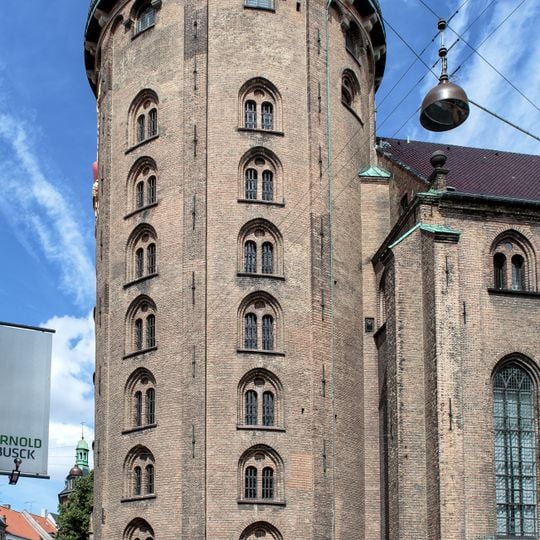
Rundetaarn, Baroque observation tower in Copenhagen, Denmark
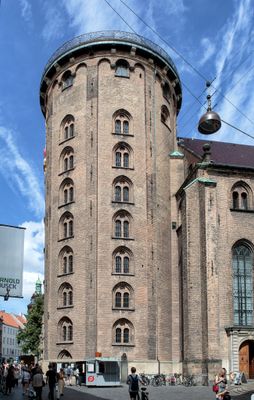
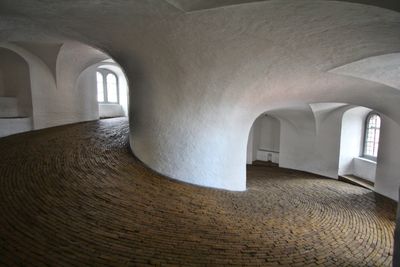
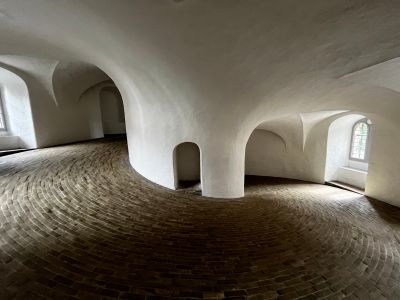
Rundetaarn is a baroque observation tower in Copenhagen's city center standing 34.8 meters tall with a diameter of 16 meters. The interior features a continuous spiral ramp that ascends gently to the viewing platform, circling multiple times around the central axis.
King Christian IV commissioned construction in 1637, and architect Hans van Steenwinckel the Younger completed the structure in 1642 as an astronomical observatory. The innovative spiral ramp was a remarkable solution for accessing the viewing platform during that era.
The library hall inside functions as a gallery space where artists regularly display their work and host cultural events throughout the year. It transforms the tower's interior into an active venue for the local art community.
The tower is easy to reach on foot from the city center and sits in a lively neighborhood with cafes and shops nearby. The spiral ramp is easy to walk, so the climb is manageable for most visitors.
A surprising chapter in the tower's story is Czar Peter the Great's visit in 1716, when he rode his horse up the entire spiral ramp to the top. This feat highlights the remarkable width and stability of the structure that made such an unusual accomplishment possible.
Location: Copenhagen Municipality
Inception: 1642
Architects: Hans van Steenwinckel the Younger
Official opening: 1642
Architectural style: baroque architecture
Elevation above the sea: 32 m
Height: 34.8 m
Diameter: 16 m
Accessibility: Wheelchair limited access
Opening Hours: May 01-September 30; Monday-Sunday 10:00-20:00; October 01-April 30; Monday,Thursday-Sunday 10:00-18:00; Tuesday,Wednesday 10:00-21:00
Phone: +4533730373
Website: http://rundetaarn.dk
GPS coordinates: 55.68137,12.57579
Latest update: December 6, 2025 16:00
Circular architecture has fascinated builders since ancient times. This collection brings together Roman amphitheatres like the Colosseum, medieval towers such as the Round Tower in Copenhagen, baroque domed structures and modern constructions. The circular form offers practical advantages for acoustic properties, structural stability and optimal space usage. The selected buildings serve various functions: religious temples, fortifications, observatories, museums and event venues. Each example demonstrates how architects have adapted the circular form to local conditions and cultural requirements. From ancient stone structures to contemporary skyscrapers, this selection documents technical evolution across centuries.
Copenhagen brings together centuries of history with recent construction in a walkable city by the water. Nyhavn lines the harbor with narrow houses painted in strong colors, where wooden ships dock beside outdoor cafes. The Little Mermaid sits on a rock at the edge of the sound, a bronze figure that has drawn visitors since the early 20th century. Christiansborg Palace rises near the old city center, while Amalienborg forms a royal residence around an octagonal plaza. The Opera House stands across the harbor with a flat, cantilevered roof, and The Black Diamond adds a modern glass facade to the Royal Library. Further out, The Blue Planet aquarium curves along the coast in Ørestad, and the VM Houses show angular residential design in the same district. Parks and gardens spread across the city, offering green space and different moods. The Botanical Garden collects plants from around the world under glass domes and in open beds. Superkilen Park stretches through the Nørrebro neighborhood with colored surfaces and objects gathered from many countries. King's Garden surrounds Rosenborg Castle with tree-lined paths and lawns where people sit in warm weather. Assistens Cemetery lies quiet among the streets, used both as a burial ground and a place to walk. Tivoli Gardens mixes rides, stages, and flower beds in the center of the city. Strøget runs as a long pedestrian street through the old town. Freetown Christiania remains a self-governed neighborhood with painted buildings and its own rules. Dragør preserves old fishing cottages and cobblestones just outside the capital.
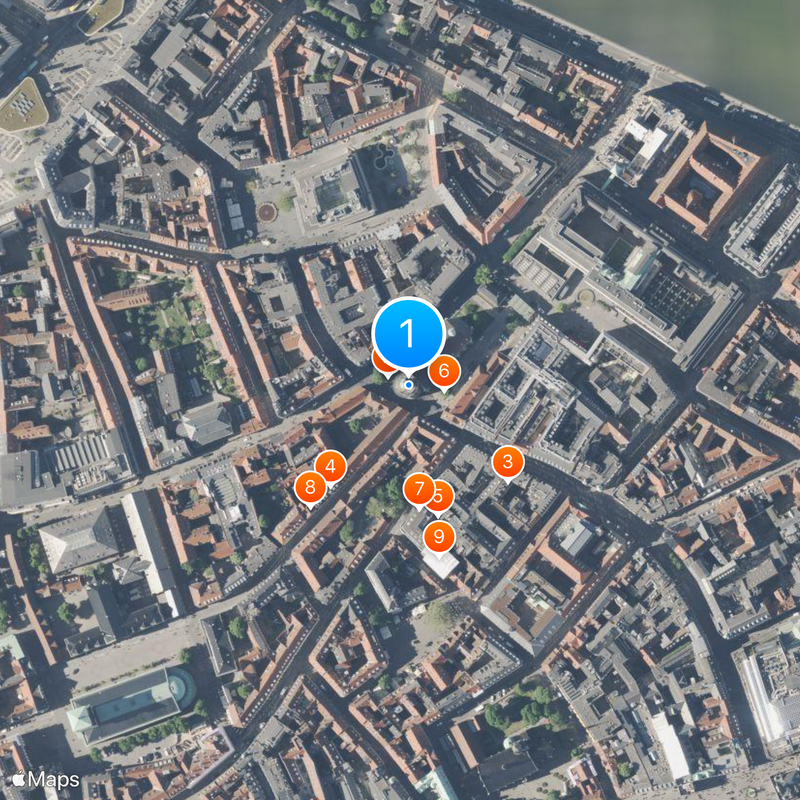
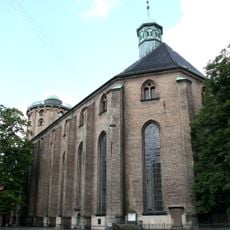
Church of Our Lady
2 m
Store Kannikestræde 6
89 m
Sort/Hvid
93 m
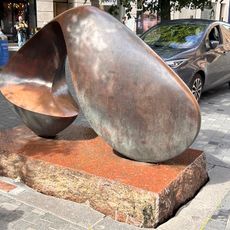
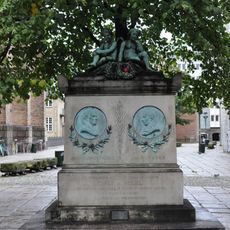
Johannes Ewald and Johan Hermann Wessel Memorial
25 m
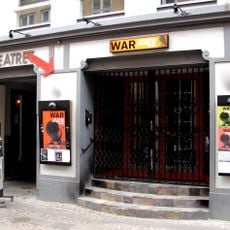
Pressens Hus
86 m
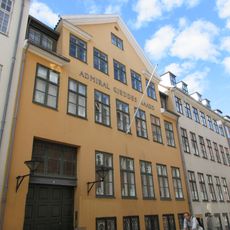
Admiral Gjeddes Gård
109 m
Niels Hemmingsens Gade 32
121 m
Store Kannikestræde 15
137 m
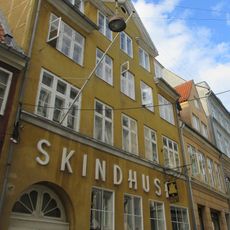
Skindergade 6
58 m
Gråbrødretorv 4
136 m
Store Kannikestræde 8
98 m
Skindergade 8
67 m
Gråbrødretorv 6
140 m
レーゲンス教会
25 m
Krystalgade 9
119 m
Hauser Plads 14
116 m
Hauser Plads 12
112 m
Krystalgade 3
86 m
Store Kannikestræde 13
115 m
Niels Hemmingsens Gade 23
118 m
Skindergade 14
123 m
Skindergade 13
112 m
Krystalgade 11
126 m
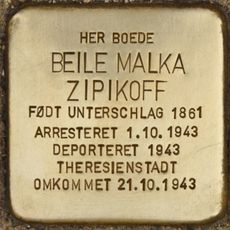
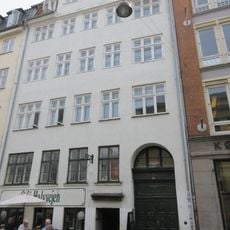
Stolperstein dedicated to Beile Malka Zipikoff
123 m
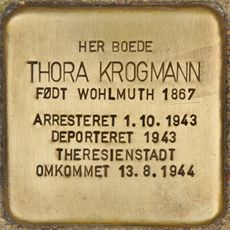
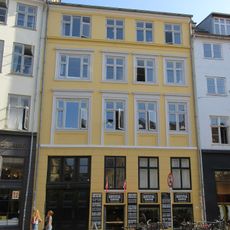
Stolperstein dedicated to Thora Krogmann
123 m
Knud Højgaards Hus
138 m
Krystalgade 5
97 m
Hauser Plads 10
108 mReviews
Visited this place? Tap the stars to rate it and share your experience / photos with the community! Try now! You can cancel it anytime.
Discover hidden gems everywhere you go!
From secret cafés to breathtaking viewpoints, skip the crowded tourist spots and find places that match your style. Our app makes it easy with voice search, smart filtering, route optimization, and insider tips from travelers worldwide. Download now for the complete mobile experience.
A unique approach to discovering new places❞
— Le Figaro
All the places worth exploring❞
— France Info
A tailor-made excursion in just a few clicks❞
— 20 Minutes