Muzeum w Łowiczu, Museum in Łowicz, Poland
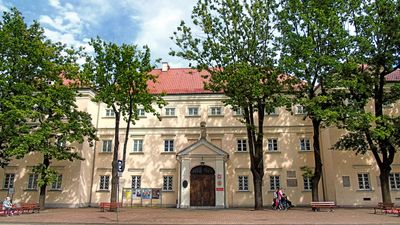
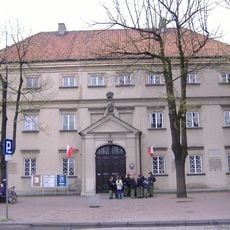
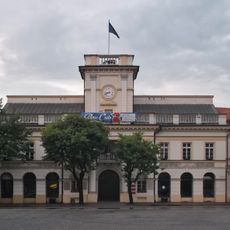
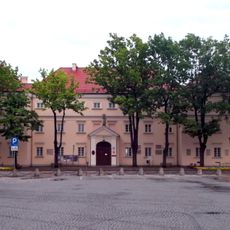
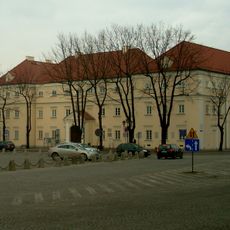
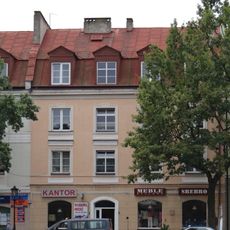
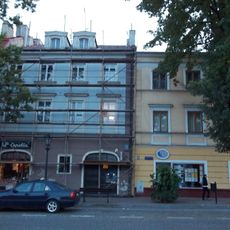
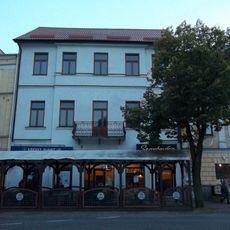
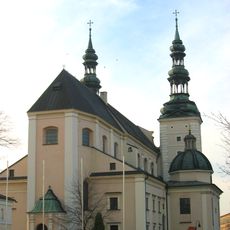
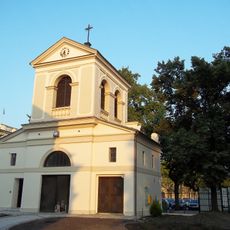
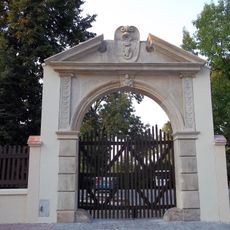
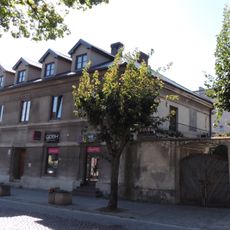
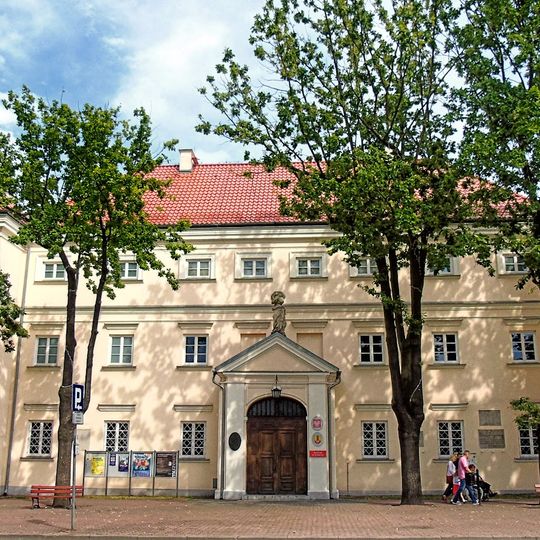
The Muzeum w Łowiczu is a museum in the town center of Łowicz, housed in an 18th-century building with notable regional architecture. It holds a large collection of thousands of objects from the area, including folk costumes, handmade crafts, household items, and farming tools that document life in the region.
The building was begun in 1689 and completed in 1700 as a seminary for priests, designed by royal architect Tylman z Gameren. After destruction during World War II, it was rebuilt in 1950-1952 and has housed the museum since the 1950s, now managed by Łowicki County.
The name Łowicz comes from the region's people, traditionally called Łowicer. The museum displays show how these inhabitants expressed their identity through colorful costumes, handmade crafts, and daily objects that have been passed down as living traditions.
The museum is centrally located at the Old Town Square of Łowicz, easy to reach on foot. There is also an open-air museum section in Maurzyce with traditional buildings you can visit to get a fuller picture of rural life.
The chapel inside the museum contains frescoes by painter Michał Palloni from the 17th century that miraculously survived the bombing of the building during World War II. These rare artworks are a moving witness to the place's history and resilience.
The community of curious travelers
AroundUs brings together thousands of curated places, local tips, and hidden gems, enriched daily by 91,982 contributors worldwide.