Weissenhof Estate, Experimental housing complex in Weissenhof, Stuttgart, Germany
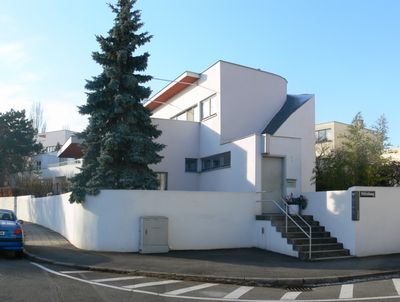
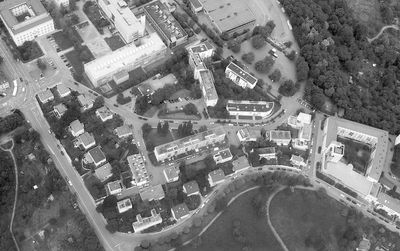
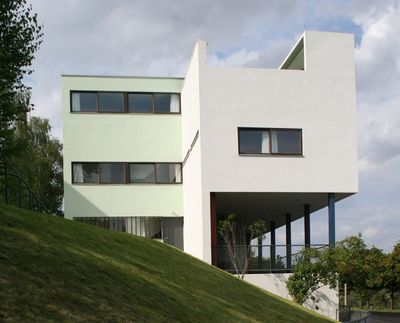
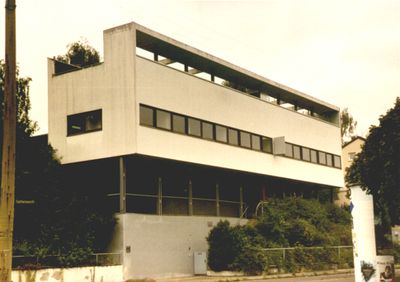
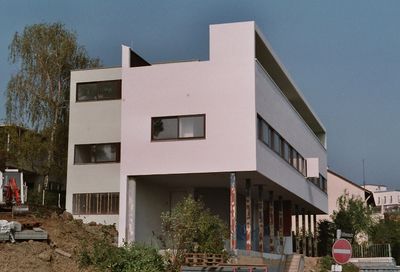
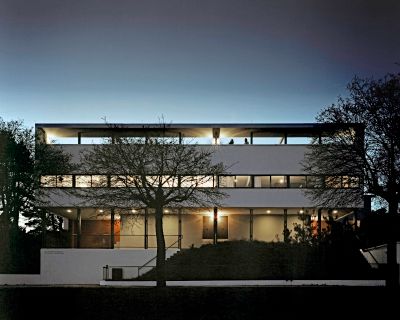
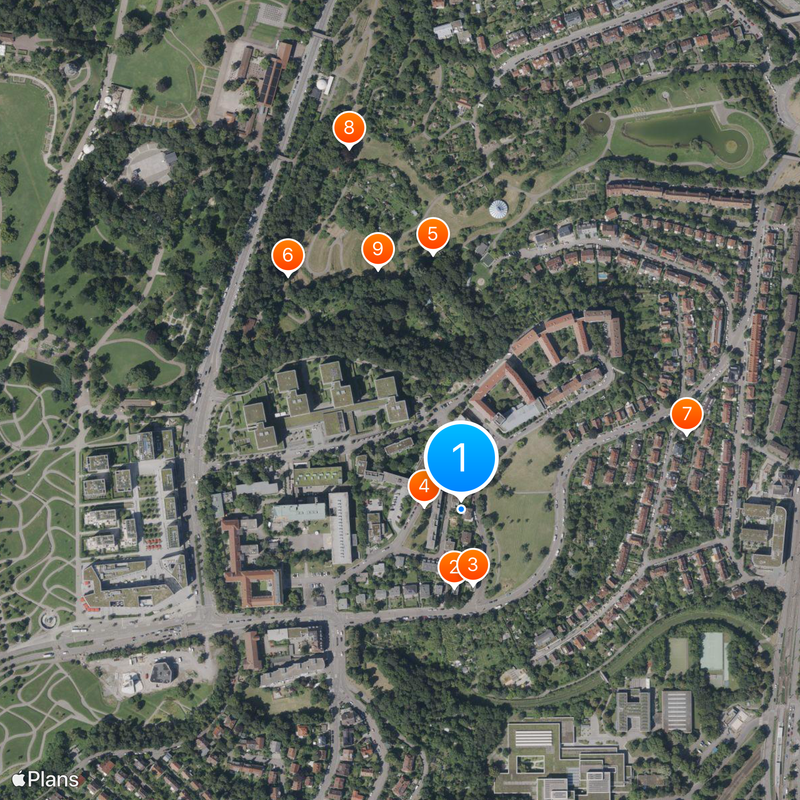
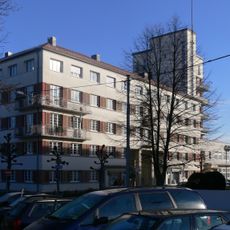
The Weissenhof Estate includes twenty-one buildings with sixty residential units, designed by different European architects under the direction of Mies van der Rohe. The houses stand on a hill north of the city center and form a coherent group with varying shapes and sizes.
The development opened in July 1927 as part of a Deutscher Werkbund exhibition and presented modern solutions for affordable housing. Several houses were damaged during the Second World War and restored in the following decades.
This housing development was conceived as an exhibition space for modern living and aimed to show how architecture could simplify everyday life. Residents moved in after the presentation and used the houses as ordinary homes, demonstrating the connection between experiment and daily routine.
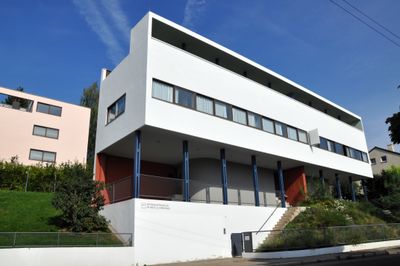
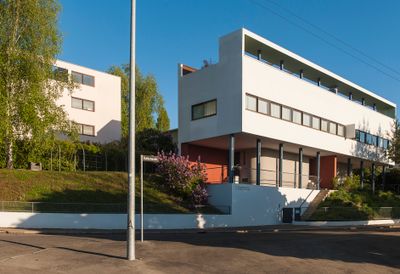
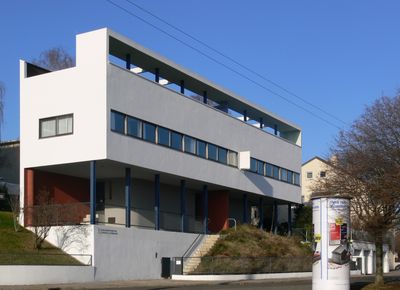
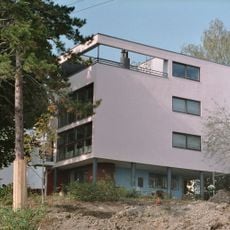
The museum in Le Corbusier's semidetached house presents the development of the site through models, photographs, and original plans. Some houses remain occupied, so only the museum and its outdoor area are accessible for visits.
Seventeen architects from five countries worked on the development, including Walter Gropius, J.J.P. Oud, and Bruno Taut. The original color schemes of individual facades were uncovered and reconstructed during later restoration work.
The community of curious travelers
AroundUs brings together thousands of curated places, local tips, and hidden gems, enriched daily by 60,000 contributors worldwide.