Ston, settlement in the municipality of Ston, Croatia
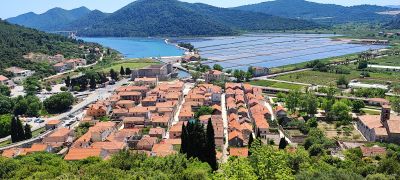
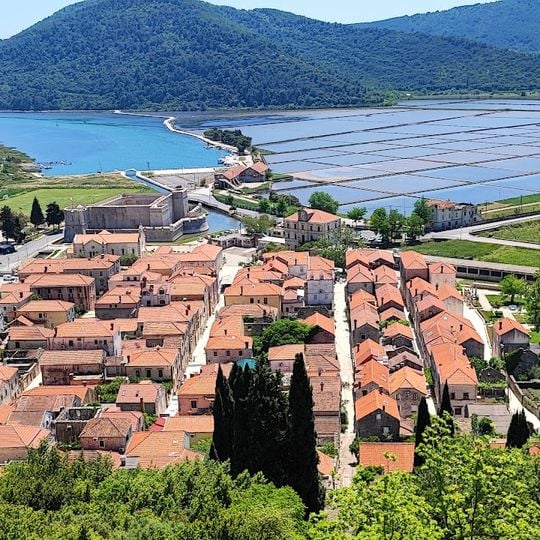
Ston is a small town at the southern tip of Croatia's Pelješac peninsula, surrounded by massive medieval walls stretching about 5.5 kilometers. Narrow streets lead past old stone houses, a 14th-century church, and Renaissance palaces, while nearby salt ponds have been harvested for salt production for nearly 2,000 years.
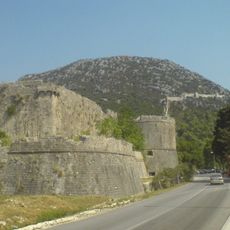
The town was originally settled by Illyrians and later established by Romans as a colony called "Stagnum", where Roman ceramics and stones can still be found. In the Middle Ages, Ston became part of the Dubrovnik Republic, which built the massive walls in the 14th and 15th centuries to protect the valuable salt ponds and the city from attacks.
The name Ston comes from the Latin word "Stagnum", meaning pond or water body, reflecting its historical salt production roots. Residents still live by ancient rhythms shaped by fishing and salt harvesting, visible in the narrow streets and simple restaurants where oysters and mussels are served fresh from local waters.
The town is easily reached from Dubrovnik by bus in about an hour and fifteen minutes, with regular services running throughout the day. You can explore the walls year-round, and the warmer months offer the most comfortable conditions for walking and outdoor activities.
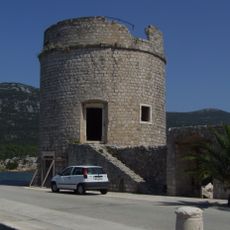
Ston's wall is one of Europe's longest preserved medieval fortifications, stretching 5.5 kilometers from the town to Mali Ston, a smaller port nearby. This defensive system was so advanced and extensive that it included three major forts and numerous towers, making it a remarkable engineering achievement for its time.
The community of curious travelers
AroundUs brings together thousands of curated places, local tips, and hidden gems, enriched daily by 90,799 contributors worldwide.