Centro histórico Santiago de compostela
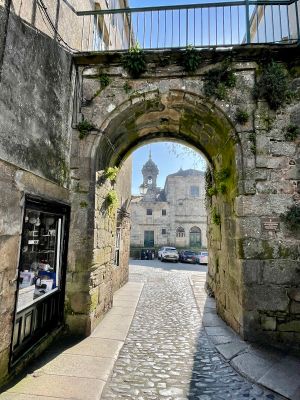
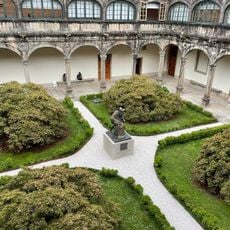
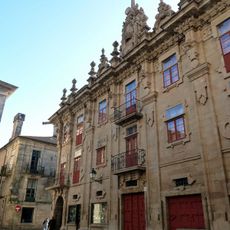
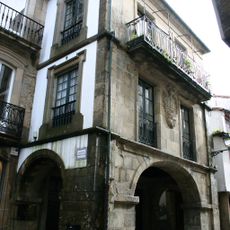
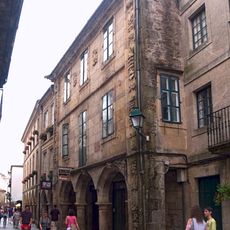
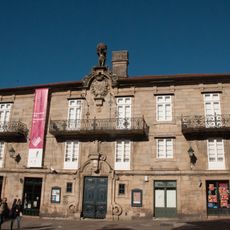
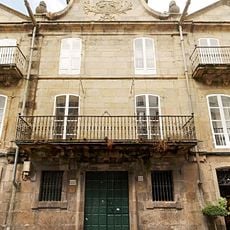
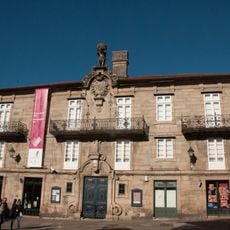
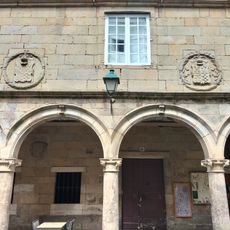
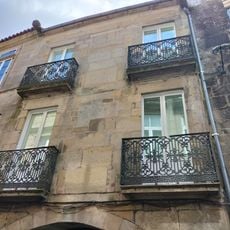
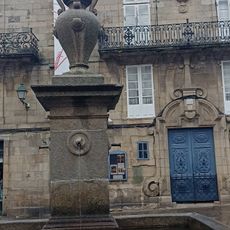
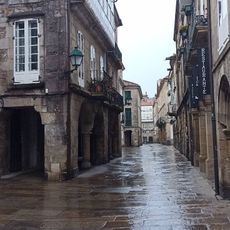
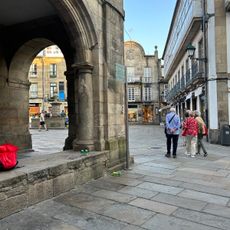
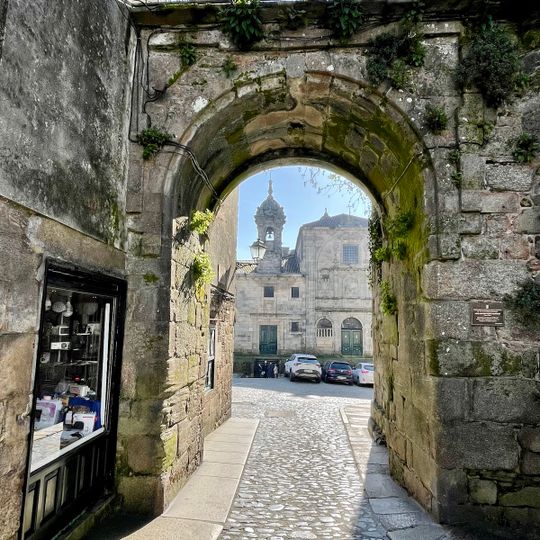
The historic center of Santiago de Compostela is a neighborhood of narrow streets, old stone buildings, and architectural styles from different periods. The area covers approximately 170 hectares and contains roughly 2,700 buildings with residences, ranging from medieval structures to more recent additions.
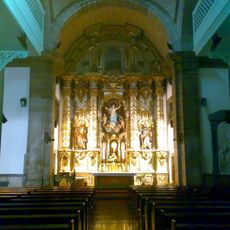
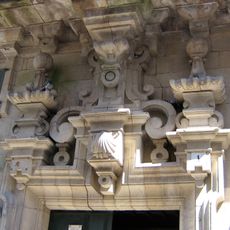
The area began to develop in the early ninth century following confirmation of the discovery of Saint James' tomb, making Santiago an important pilgrimage destination. Over the centuries, the neighborhood was shaped by different architectural styles from Romanesque to Baroque and protected within city walls that no longer exist today.
The neighborhood takes its name from Saint James, making it a significant pilgrimage destination. Daily life unfolds visibly in the narrow streets and squares, where residents shop at markets, gather in public spaces, and maintain traditions that connect them to centuries of community history.
The neighborhood is easy to explore on foot with well-connected main streets like Rúa do Franco and Rúa Nova leading to larger plazas. Most houses are small with narrow alleys, so wear comfortable shoes and allow time for wandering, especially in the evening and night hours when the area remains active.
The Mercado de Abastos is a lively market where local residents shop daily for fresh produce, vegetables, and fish, offering visitors a glimpse into the authentic everyday life of the neighborhood. The market has long been a gathering place for the community and reflects the food traditions that shape daily routines.
The community of curious travelers
AroundUs brings together thousands of curated places, local tips, and hidden gems, enriched daily by 91,816 contributors worldwide.