Rio carnival, Carnival in Rio de Janeiro, Brazil
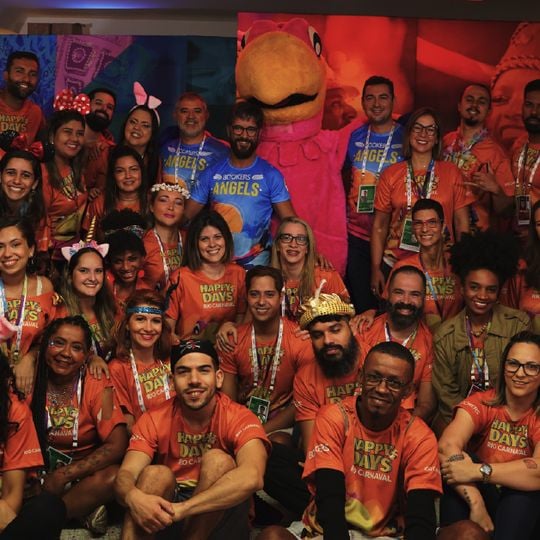
The Carnaval de Rio is Brazil's largest festival, taking place before Ash Wednesday and transforming the city's streets for five days into a spectacle of music, dance, and colorful costumes, led by the grand parades of samba schools at the Sambódromo. The event features elaborate floats, choreographed performances, and participants dressed in hand-crafted costumes adorned with feathers, sequins, and shimmering fabrics that represent each school's annual theme.
Carnival in Rio has roots in European masquerade balls and African traditions brought to the city by enslaved people, evolving over time into a unique Brazilian celebration. Samba schools began forming in the 1930s, with the first official school 'Deixa Falar' founded in 1928, and the Sambódromo was later designed by Oscar Niemeyer to house the event with a permanent structure.
Carnival in Rio is deeply rooted in the city's identity, blending African, European, and Brazilian traditions into one celebration. Samba schools serve as cultural carriers, allowing residents to express their stories, dreams, and pride through dance, music, and color.
Gates open in the evening before the parades begin, so arriving early to secure a good viewing spot is advisable. Bringing glass bottles, knives, or items like umbrellas is prohibited, and public transportation such as the metro or special transfer services are the best options for reaching the venue.
Masks and costumes have African roots and were traditionally made with feathers and bones, with residents believing these ornaments held the power to invoke gods. This ancient practice merges with modern craftsmanship, showing how the past remains alive in each celebration.
The community of curious travelers
AroundUs brings together thousands of curated places, local tips, and hidden gems, enriched daily by 60,000 contributors worldwide.