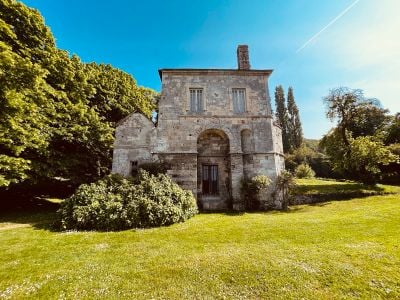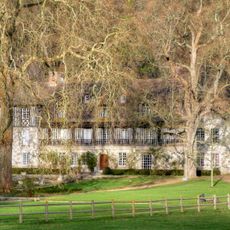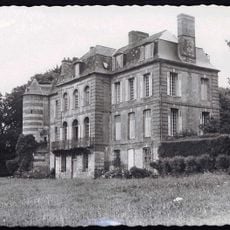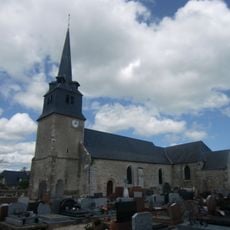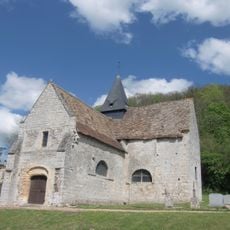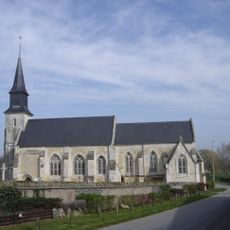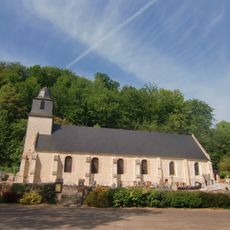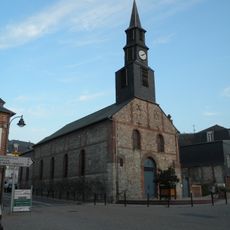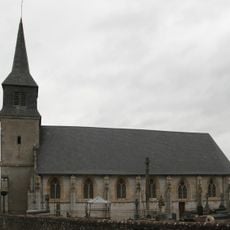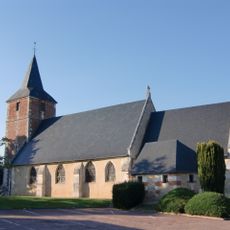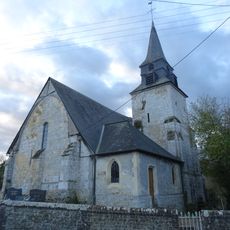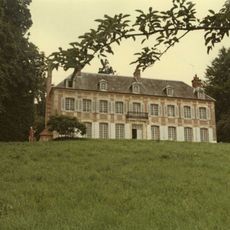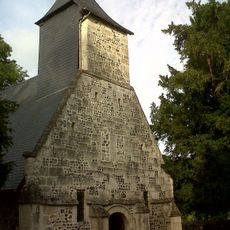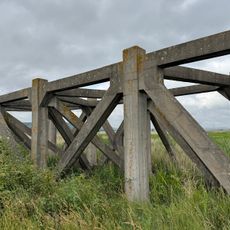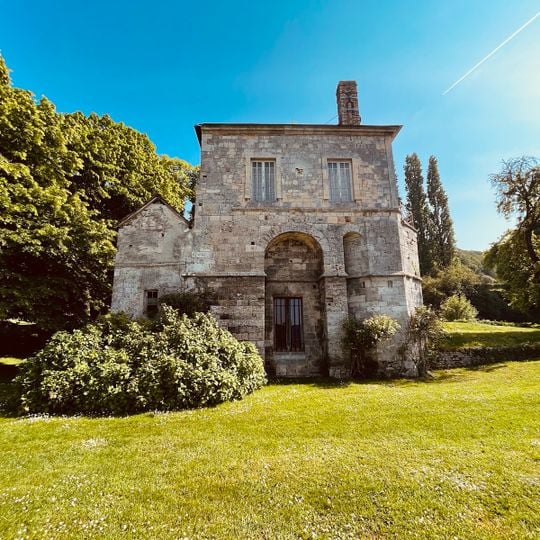
Grestain Abbey, Abbey and monastery ruins in Fatouville-Grestain, Normandy, France
The Abbaye de Grestain is an abbey and monastery ruin from the 11th century, located in the village of Fatouville-Grestain in Normandy, France. Only a few stone walls, a 13th-century gate, and fragments of the church remain from the original construction.
The abbey was founded around 1050 by Herluin de Conteville, the stepfather of William the Conqueror, who intended it as a burial place for his family. In 1358, English soldiers attacked and heavily damaged the buildings, forcing the monks to flee to nearby towns.
The name Grestain comes from a Latin word referring to grey stone, which matches the color of the ruins still standing today. Local groups occasionally organize small events and guided walks on the site, keeping a connection between the village and its most visible landmark.
The ruins are on private land that is open to the public, and visitors can walk around at their own pace. Access is by small country roads, so arriving on foot or by bike is a good option since parking space is limited.
For over 700 years, the site was run by monks from the nearby abbey of Saint-Wandrille who were known to spend time fishing and hunting, which was considered unusual for a monastic community. Arlette, the mother of William the Conqueror, may have been buried here, though her name does not appear in any founding documents as a benefactor.
The community of curious travelers
AroundUs brings together thousands of curated places, local tips, and hidden gems, enriched daily by 60,000 contributors worldwide.